
Sunset — History & Facts
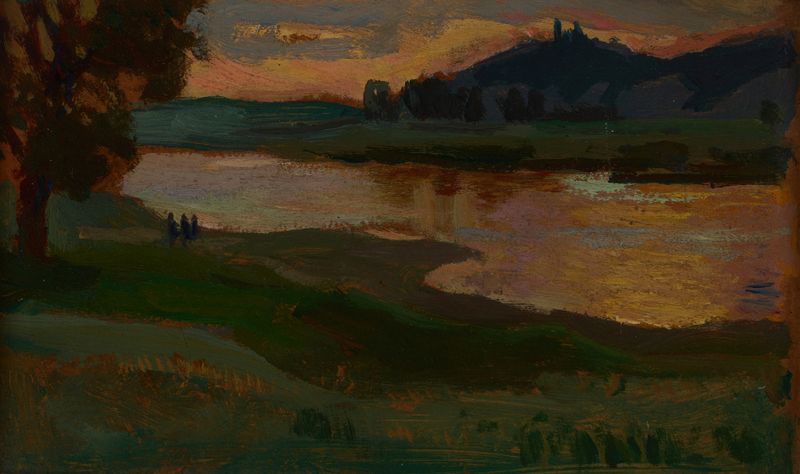
Did the painter know this moment would outlive them? As rays of golden light cascade across the horizon in a glorious embrace, the fleeting beauty of a sunset invites eternal contemplation. In the quietude of dusk, nature's palette reveals an intimate dialogue between light and shadow, compelling the viewer to linger in this radiant moment. Look to the center of the canvas, where the fiery orb sinks slowly, its vibrant hues merging with soft pastels. Surrounding it, the sky transforms into a rich tapestry of oranges, pinks, and purples that bleed seamlessly into one another.
The brushstrokes are fluid and expressive, creating a sense of movement that evokes the gentle ebb of day into night. Notice how the light dances upon the water’s surface, mirroring the drama above, inviting you to feel the cool hush of impending twilight. Here lies a paradox; while the sunset signifies an ending, it also heralds new beginnings. The interplay of light not only captures the fleeting beauty of time but also reflects the emotional weight of transition.
In this moment of calm, there’s a sense of longing—a yearning for permanence amid the ephemeral. The mountains in the distance stand as steadfast witnesses to this eternal cycle, reinforcing the dichotomy of stability and change. Jan Stanisławski created Sunset between 1904 and 1908, a period marked by his deepening exploration of color and light in the context of Polish Impressionism. Living in Warsaw, he was influenced by the burgeoning art movements of the time, seeking to capture the essence of nature's beauty through innovative techniques.
This work reflects his commitment to painting landscapes that resonate emotionally, merging reality with the artist's internal vision.
More Artworks by Jan Stanisławski
Browse all →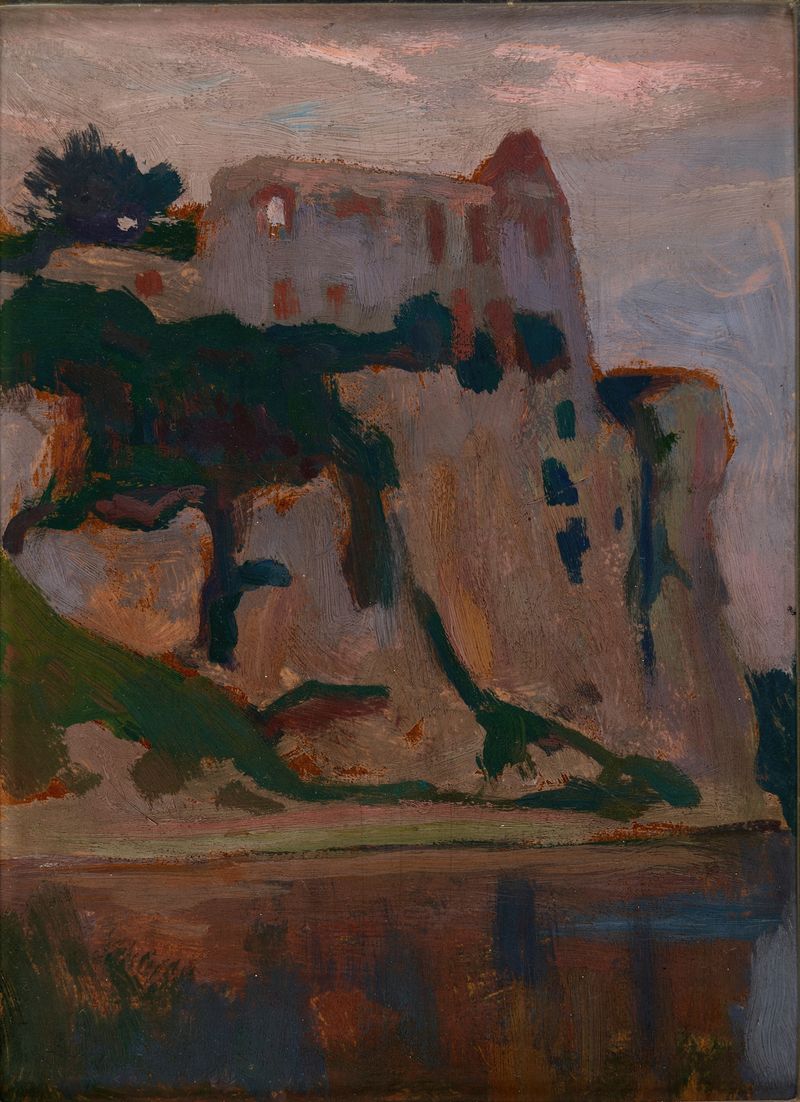
Tyniec at Dawn
Jan Stanisławski
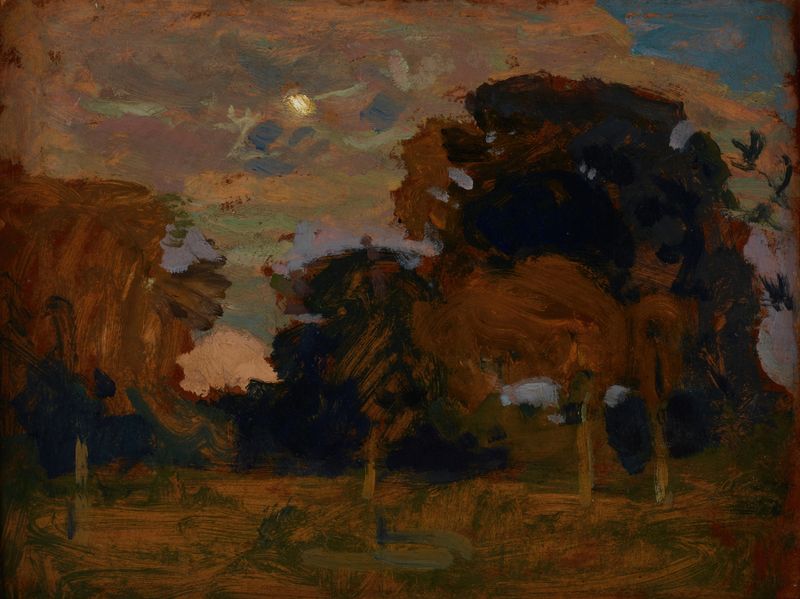
Moon in the Clouds
Jan Stanisławski
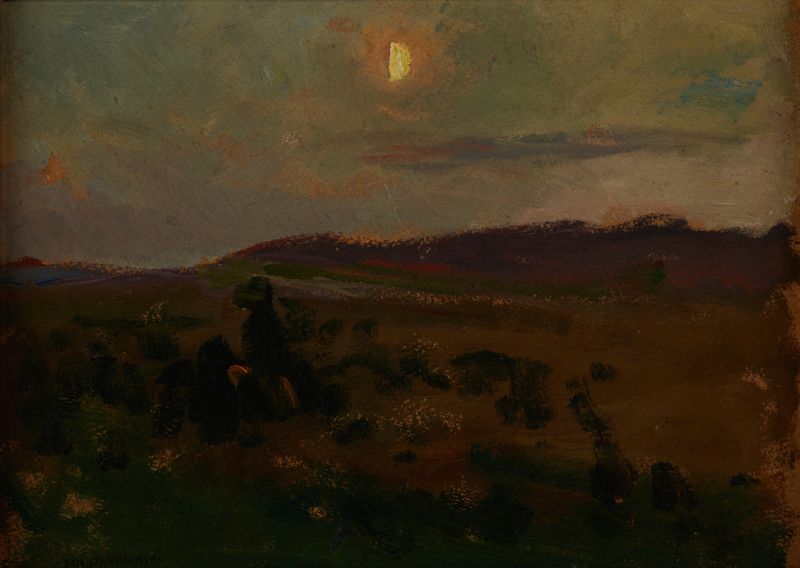
Moonrise
Jan Stanisławski
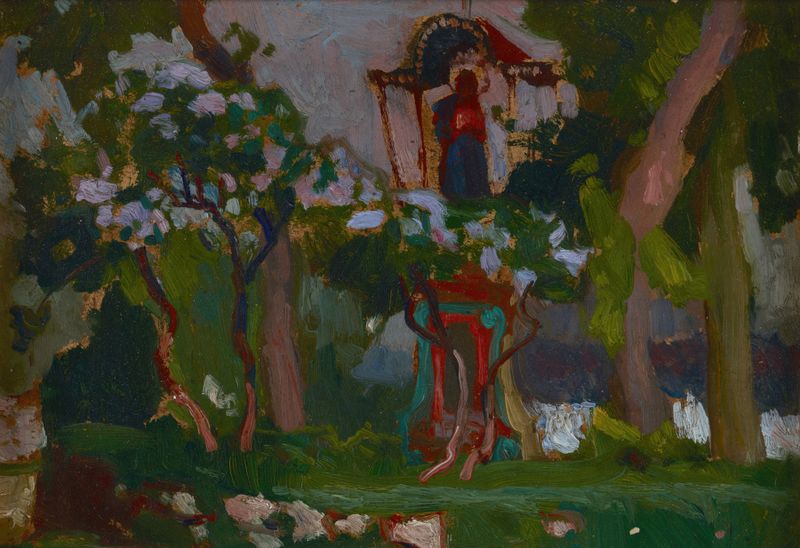
May
Jan Stanisławski
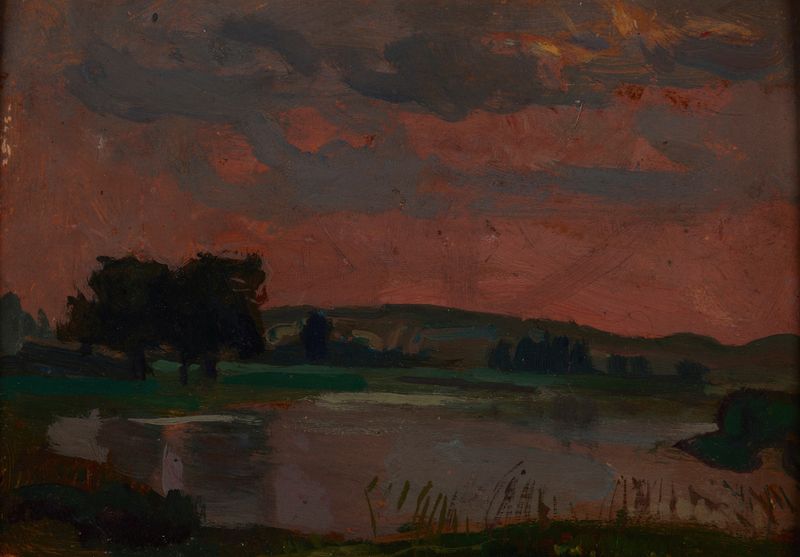
The Vistula in the Twilight
Jan Stanisławski
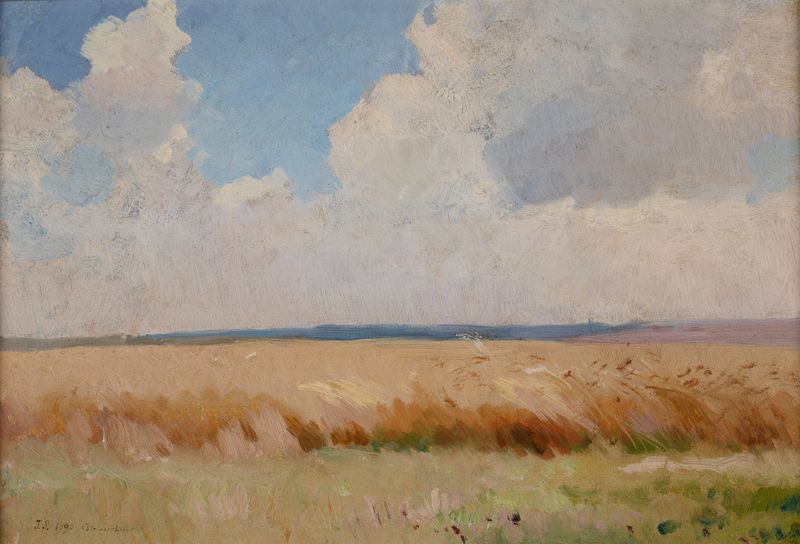
Field at Białocerkiew (Bila Tserkva)
Jan Stanisławski
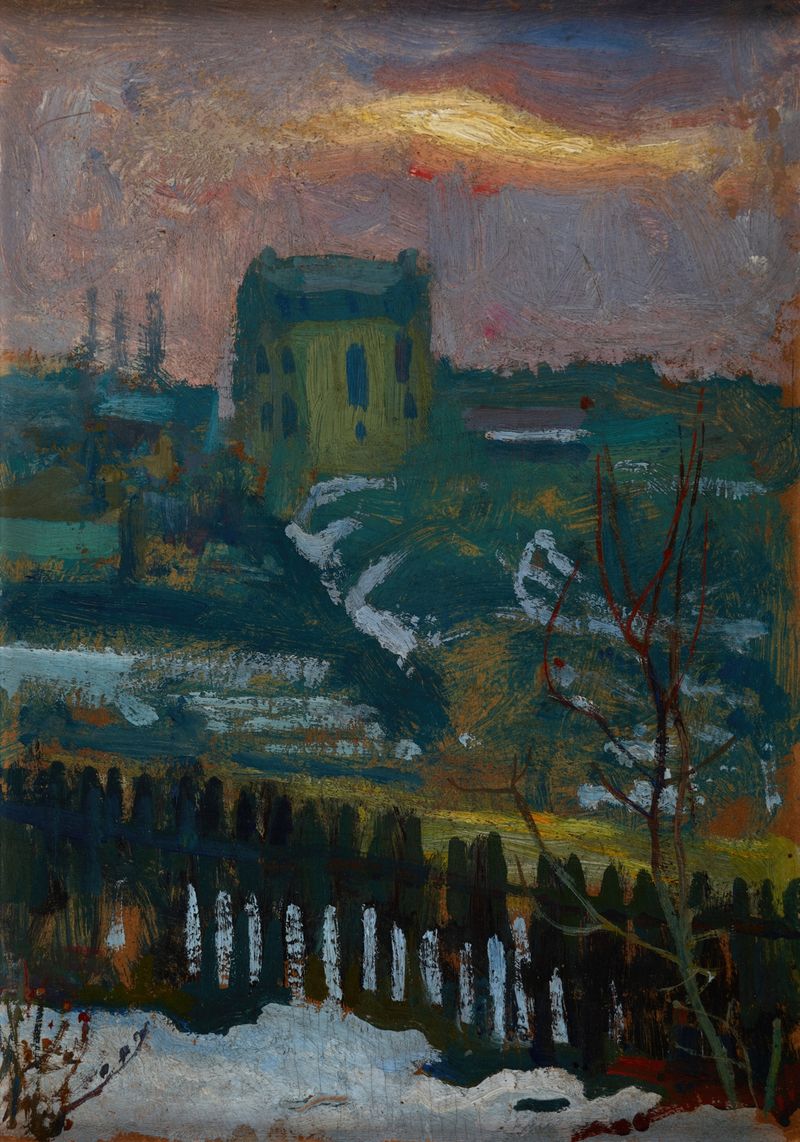
House in Winter
Jan Stanisławski
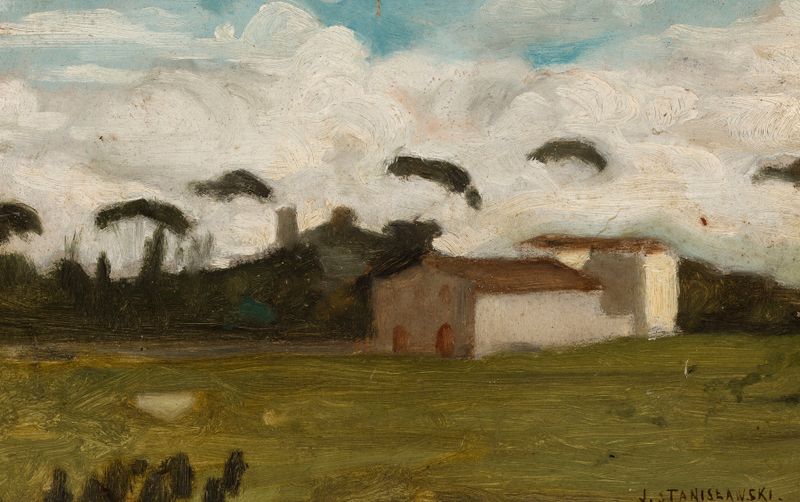
Landscape
Jan Stanisławski
Bielany at Dusk
Jan Stanisławski
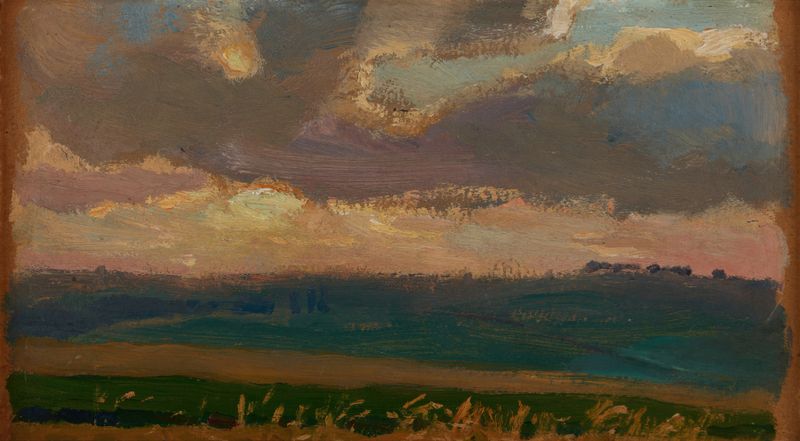
Fields at Proszowice
Jan Stanisławski





