
Sunset — History & Facts
This thought evokes the essence of a moment where creation dances on the edge of longing, revealing the complexities of nature's palette. Focus on the horizon, where the sun spills its molten gold across an expansive sky, blending seamlessly into hues of violet and deep blue. The canvas breathes life through striking contrasts—warmth battling the encroaching darkness. Notice how the intricate brushstrokes create a sense of movement in the clouds, as if they are racing to hold onto that fleeting light, emphasizing the transient nature of beauty itself. Delve deeper into the details, where silhouettes of distant mountains stand sentinel against the sunset's glow.
Each peak carries both majesty and melancholy, suggesting a duality of experience. The interplay of light and shadow serves as a metaphor for the human condition—joy intertwined with sorrow, hope veiled in uncertainty. This scene isn't merely a moment of twilight; it encapsulates the emotional weight of creation itself, a reminder that beauty often arises from a place of struggle. Frederic Edwin Church painted Sunset in 1865, during a period when he was establishing his reputation as a leading figure in the Hudson River School.
At that time, he was exploring the sublime aspects of nature and reflecting on his travels throughout South America. The world was transforming through new ideas in art and nature, and Church's work sought to capture not just landscapes, but the profound emotional experiences they evoke.
More Artworks by Frederic Edwin Church
Browse all →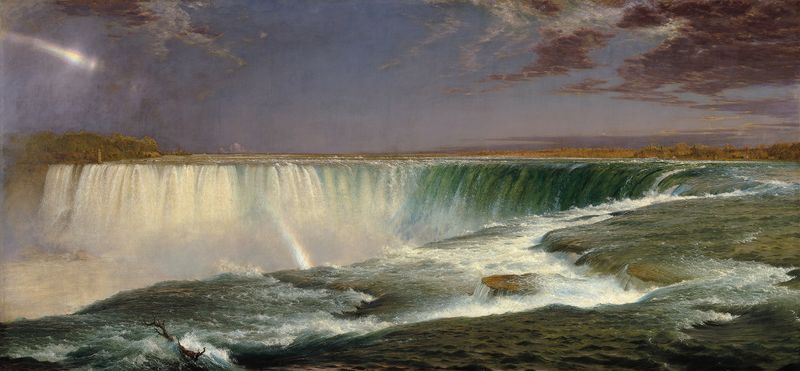
Niagara
Frederic Edwin Church
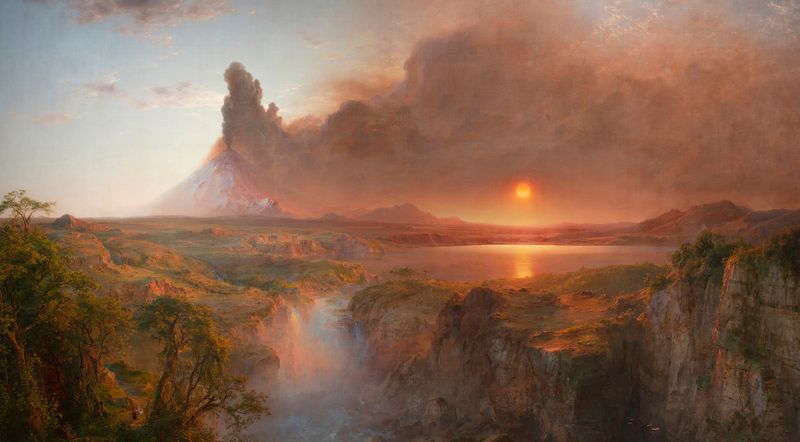
Cotopaxi
Frederic Edwin Church
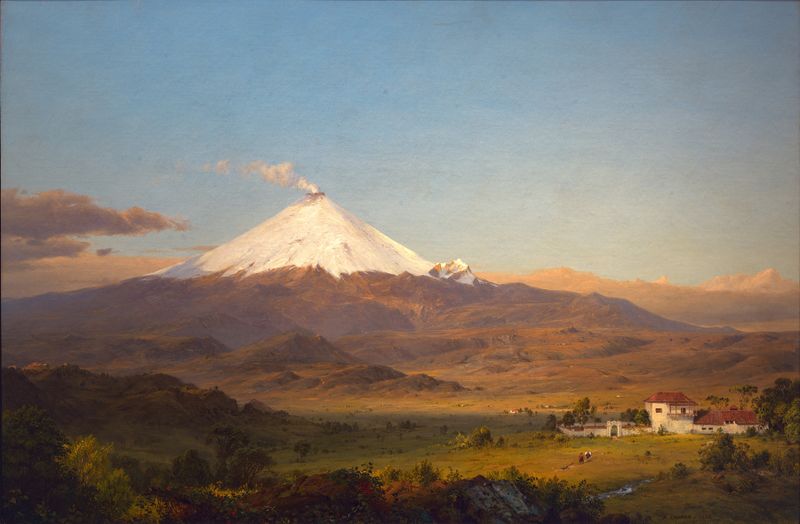
Cotopaxi
Frederic Edwin Church
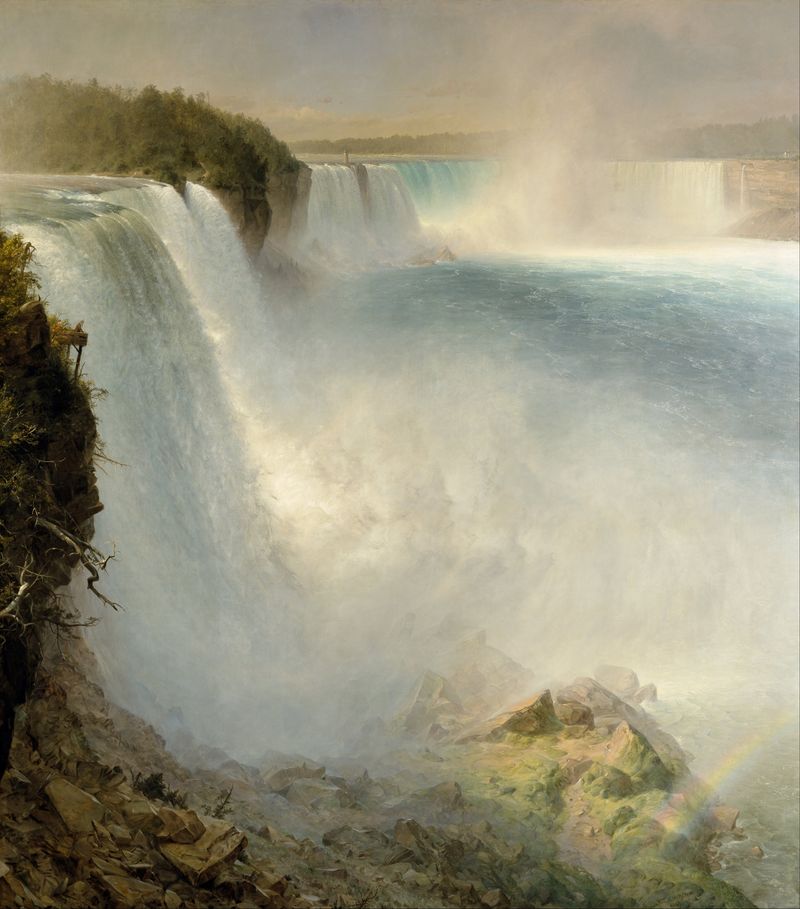
Niagara Falls, from the American Side
Frederic Edwin Church
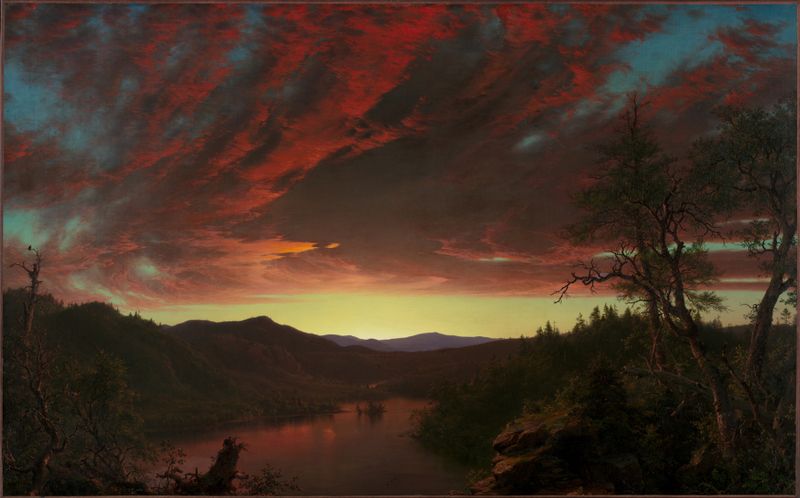
Twilight in the Wilderness
Frederic Edwin Church
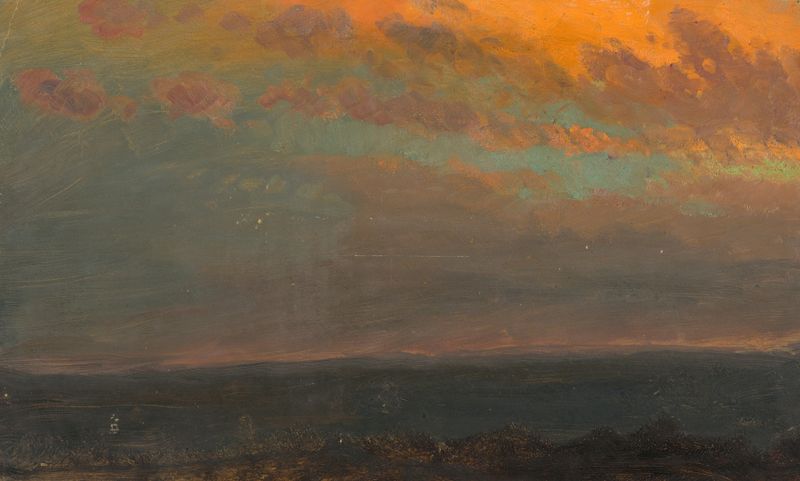
Hudson Valley at Sunset
Frederic Edwin Church
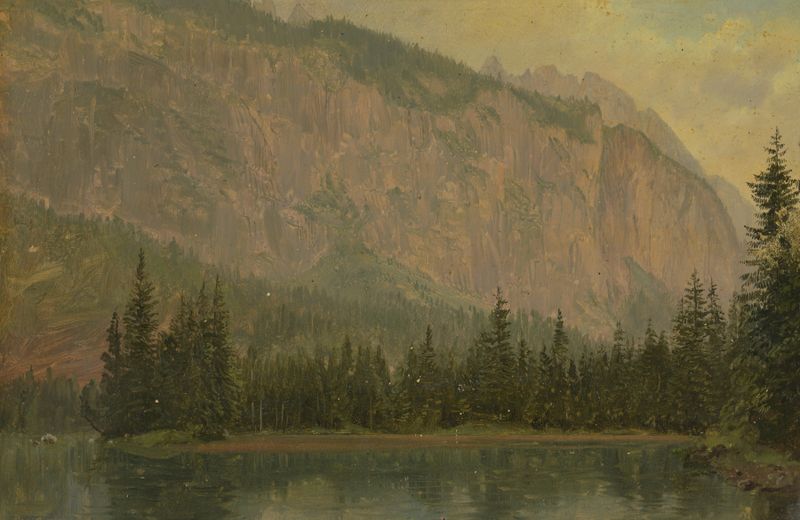
The Hintersee, near Berchtesgaden, Bavaria
Frederic Edwin Church
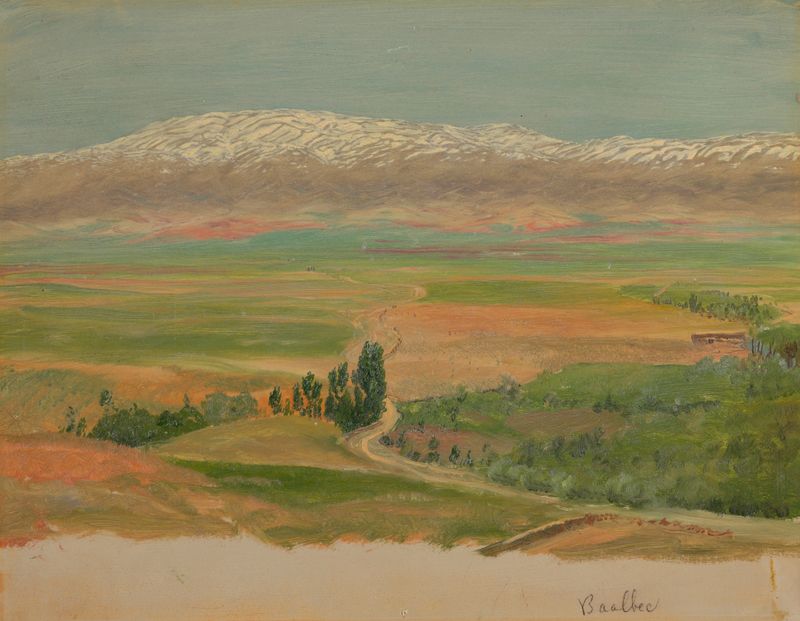
Mountains near Baalbec
Frederic Edwin Church
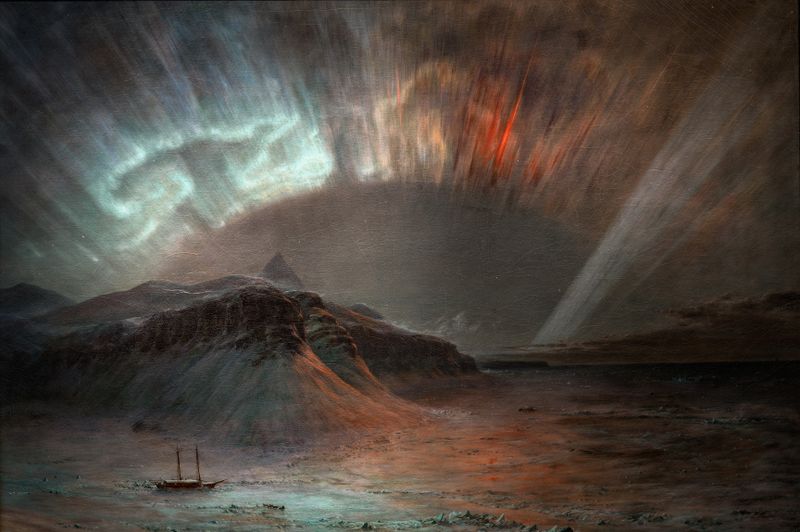
Aurora Borealis
Frederic Edwin Church
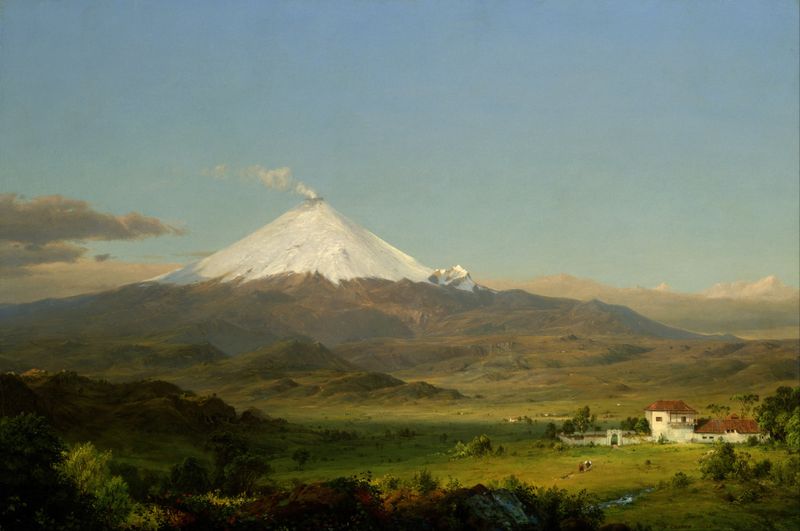
Cotopaxi
Frederic Edwin Church





