
Sunset — History & Facts
In the soft embrace of twilight, where day yields to night, the landscape breathes with a promise of rebirth. The interplay of vibrant hues invites contemplation, as if nature itself whispers secrets known only to the heart. Look to the left, where a radiant sun dips below the horizon, casting a warm glow that paints the sky in brilliant oranges and soft purples. The clouds, brushed with delicate strokes, reflect this ethereal light, their forms evoking both tranquility and a sense of fleeting beauty.
Notice how the shadows stretch across the land, creating a stark contrast with the illumination, suggesting the tension between day’s end and the darkness to come. In this artwork, the juxtaposition of light and dark symbolizes the cyclical nature of life, hinting at the idea of renewal amid inevitable change. The lush foreground teems with vibrant greens and hints at the diverse flora, while the water’s surface shimmers with reflections, capturing the essence of both serenity and transience. Each element reveals a hidden narrative, resonating with themes of hope and the passage of time, compelling the viewer to reflect on their own journey. Frederic Edwin Church created Sunset between 1865 and 1866, during a period when American Romanticism was flourishing.
He worked in his studio in New York, drawing inspiration from his travels in South America and the Hudson River School's ideals. This work reflects not only his mastery of landscape painting but also a moment when America was grappling with its identity in a post-Civil War era, seeking solace in the beauty of nature.
More Artworks by Frederic Edwin Church
Browse all →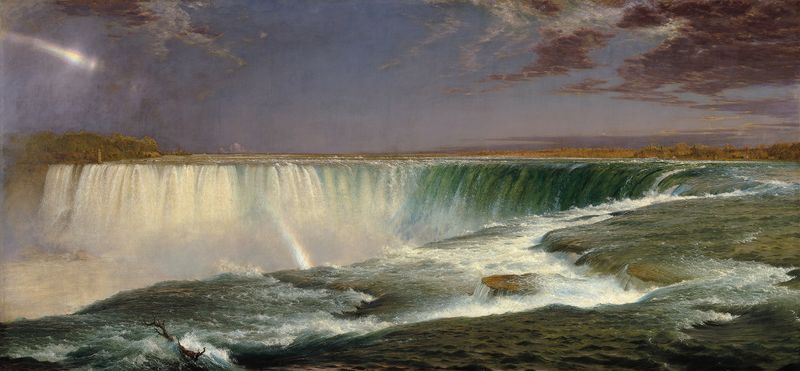
Niagara
Frederic Edwin Church
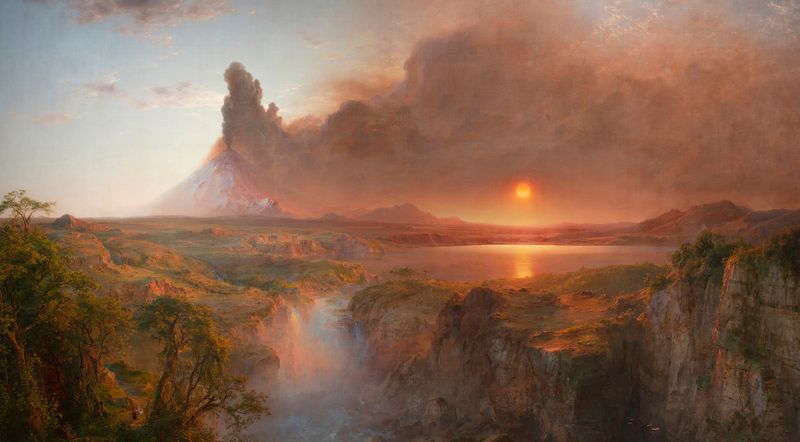
Cotopaxi
Frederic Edwin Church
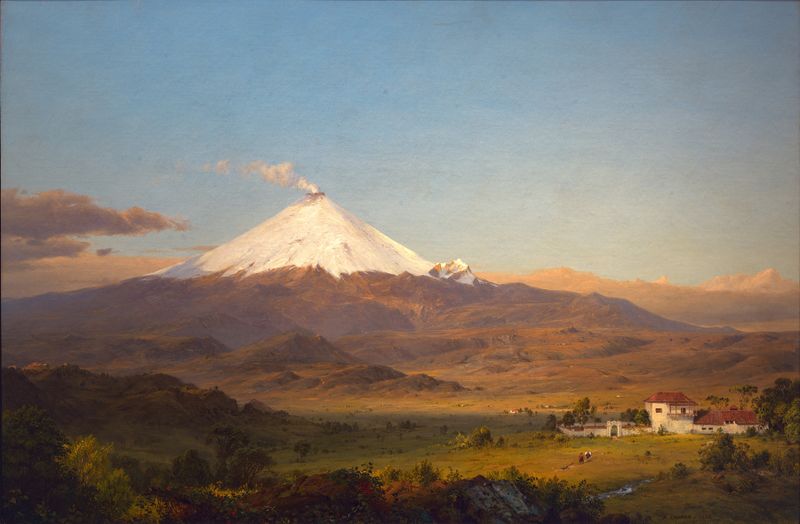
Cotopaxi
Frederic Edwin Church
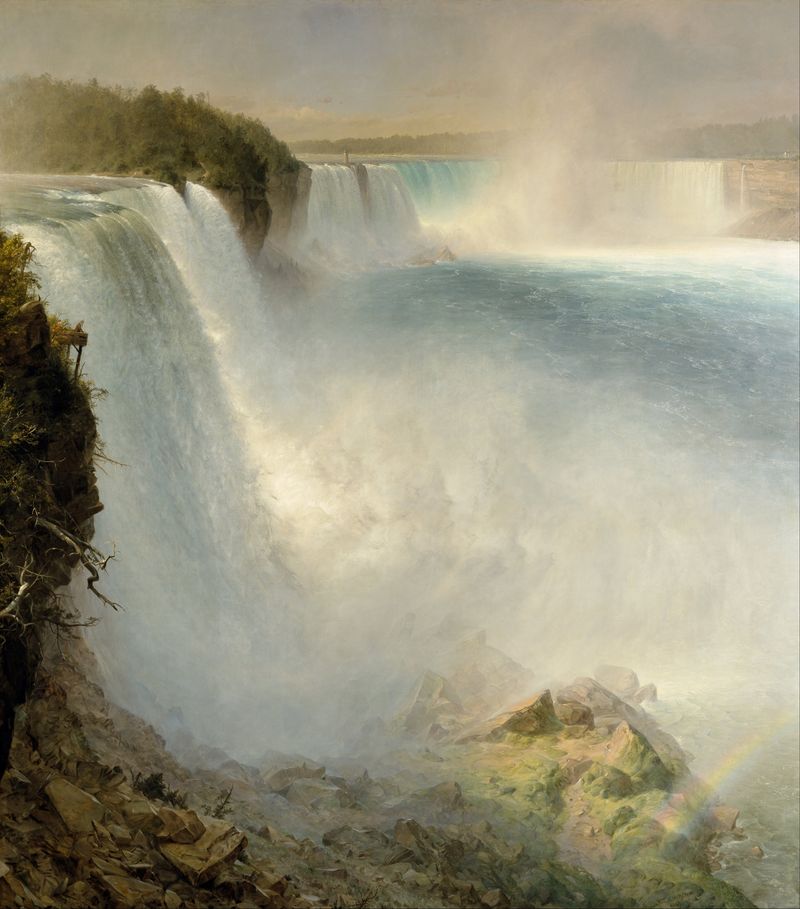
Niagara Falls, from the American Side
Frederic Edwin Church
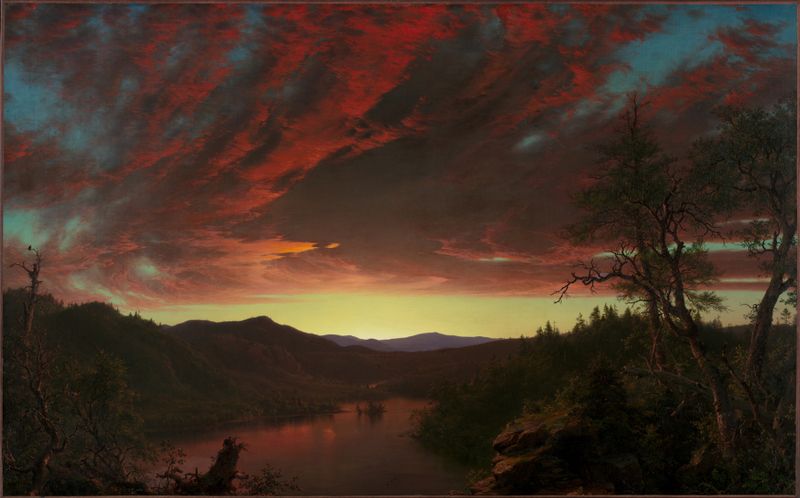
Twilight in the Wilderness
Frederic Edwin Church
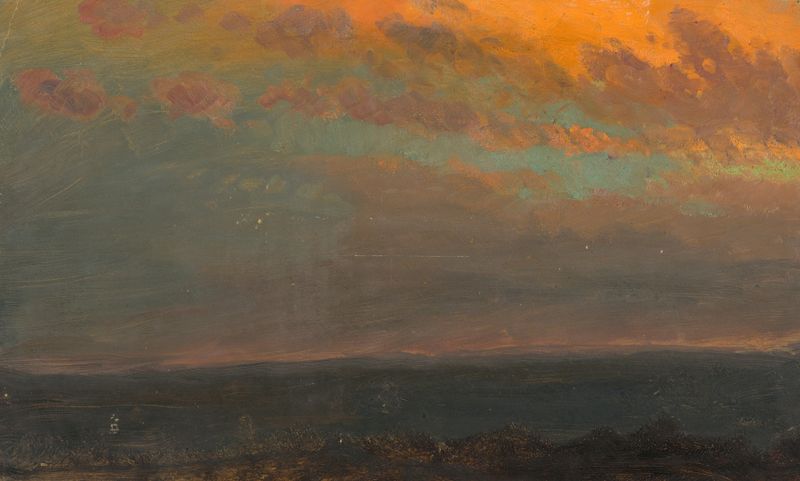
Hudson Valley at Sunset
Frederic Edwin Church
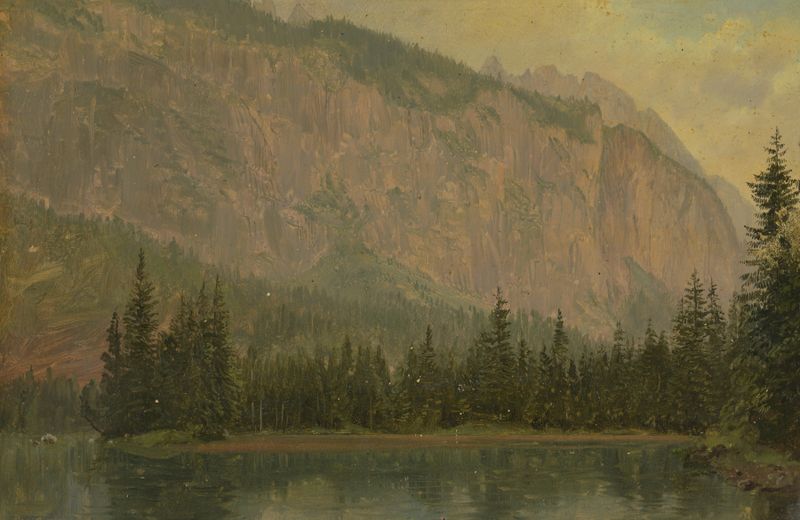
The Hintersee, near Berchtesgaden, Bavaria
Frederic Edwin Church
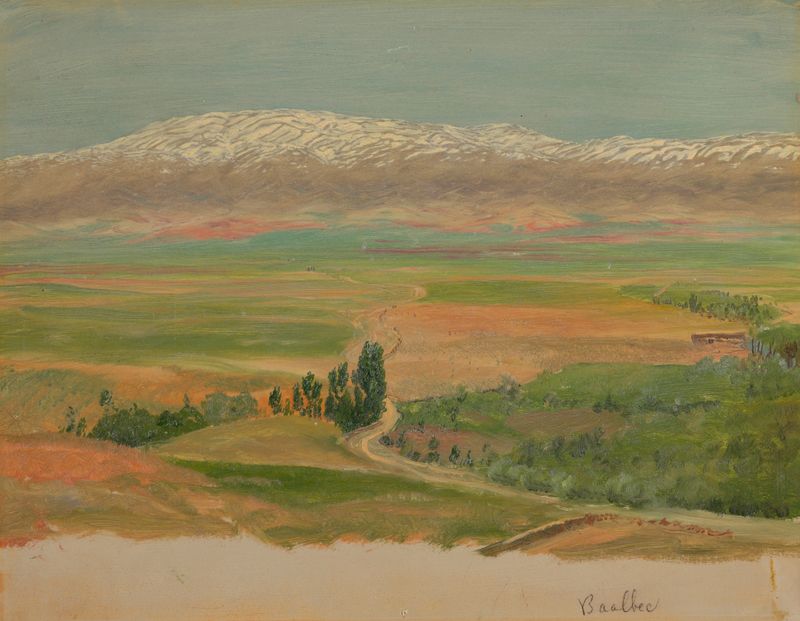
Mountains near Baalbec
Frederic Edwin Church
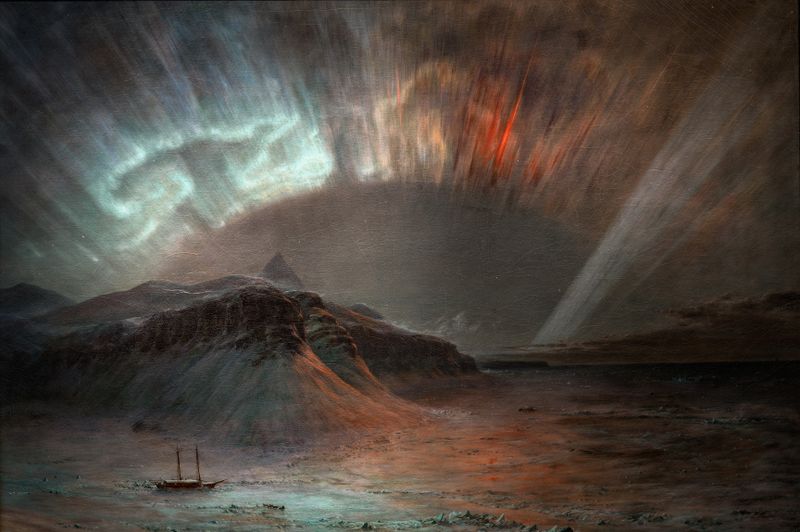
Aurora Borealis
Frederic Edwin Church
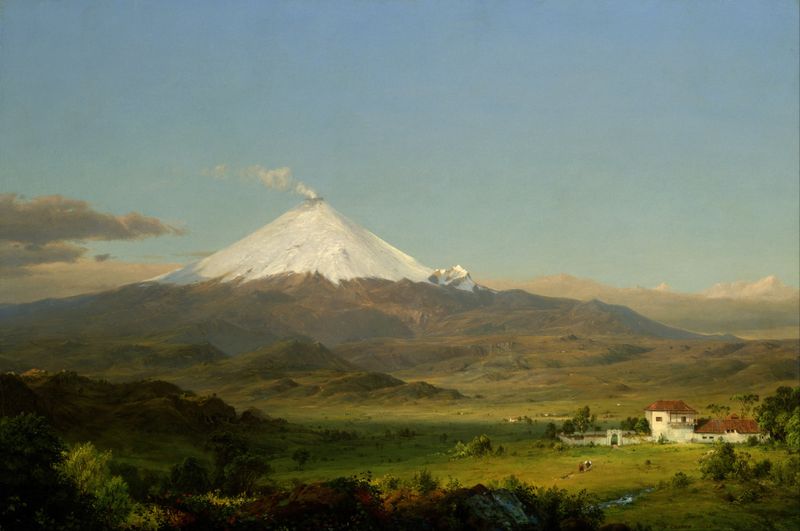
Cotopaxi
Frederic Edwin Church





