
Sunset across the Hudson Valley, New York — History & Facts
When did color learn to lie? In the mesmerizing glow of twilight, hues breathe life into the landscape, inviting us to question the very essence of reality. Look to the horizon where ochre and crimson collide, creating a vivid spectacle that envelops the serene Hudson Valley. Notice how the cascading light spills across the rolling hills, illuminating patches of lush greenery and reflecting in the tranquil water below. The painter's brush strokes weave together a tapestry of warmth and tranquility, drawing your gaze toward the dynamic interplay of light and shadow that defines the scene. Delve deeper, and you’ll uncover the emotional tension between nature’s majesty and the fragility of time.
The sunset, a fleeting moment, suggests an inevitable transition from day to night, hinting at both beauty and melancholy. The delicate balance between the vibrant colors and the encroaching darkness evokes a sense of awe, reminding us of nature’s power to inspire and intimidate in equal measure. In 1870, Frederic Edwin Church, a central figure in the Hudson River School, created this masterpiece during a period of burgeoning American nationalism. He was exploring the grandeur of the American landscape, at a time when artists began to reflect the sublime in nature as a counter to industrialization.
This painting, infused with his romantic vision, captures not only the physical beauty of the Hudson Valley but also a yearning for an unspoiled connection to the wilderness.
More Artworks by Frederic Edwin Church
Browse all →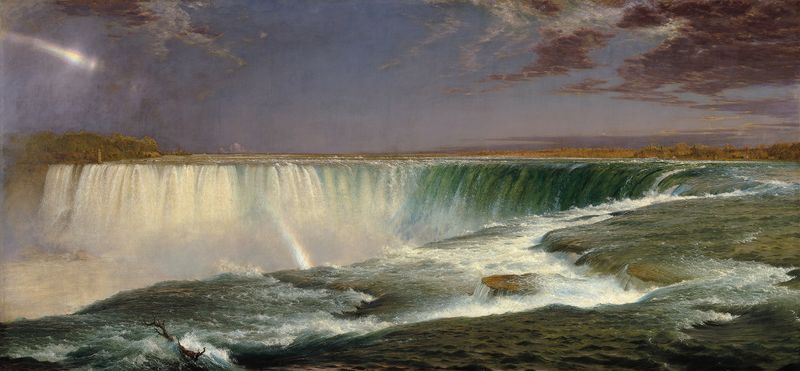
Niagara
Frederic Edwin Church
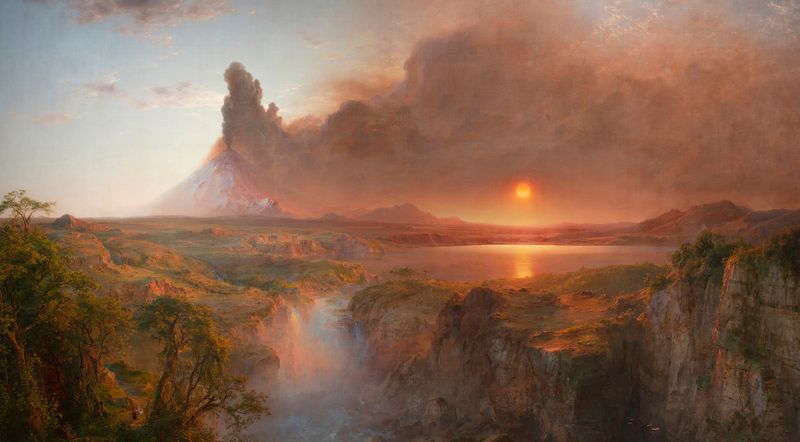
Cotopaxi
Frederic Edwin Church
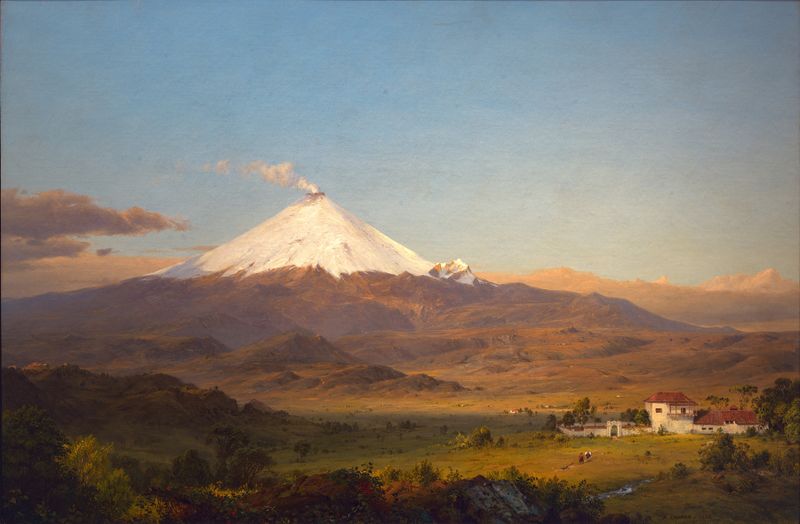
Cotopaxi
Frederic Edwin Church
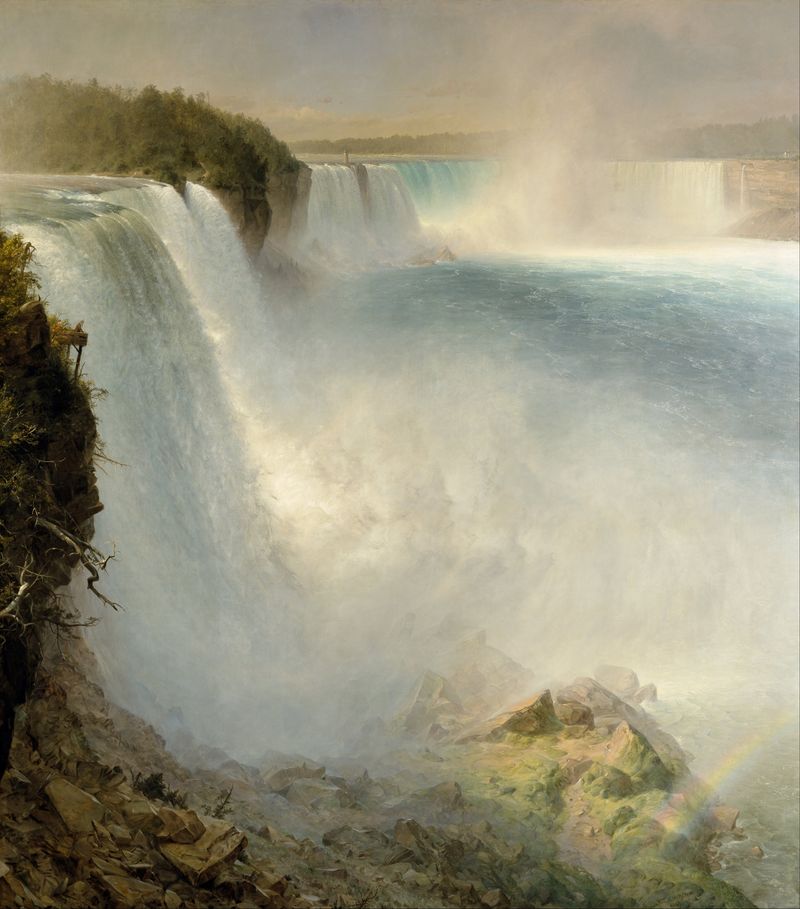
Niagara Falls, from the American Side
Frederic Edwin Church
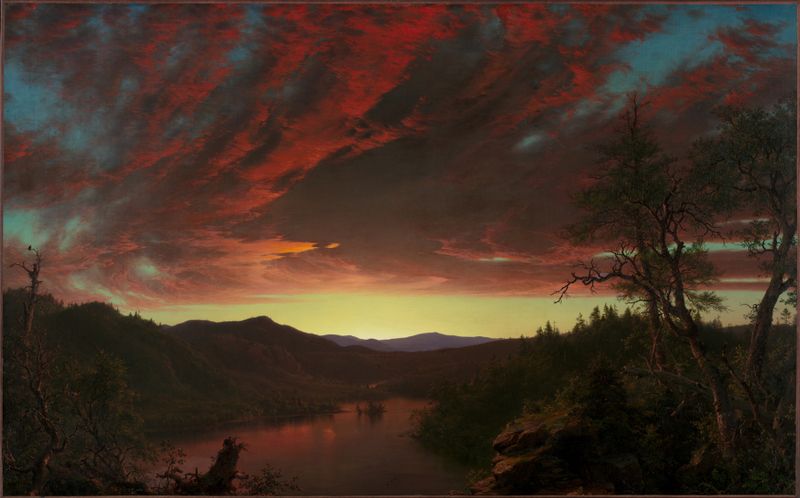
Twilight in the Wilderness
Frederic Edwin Church
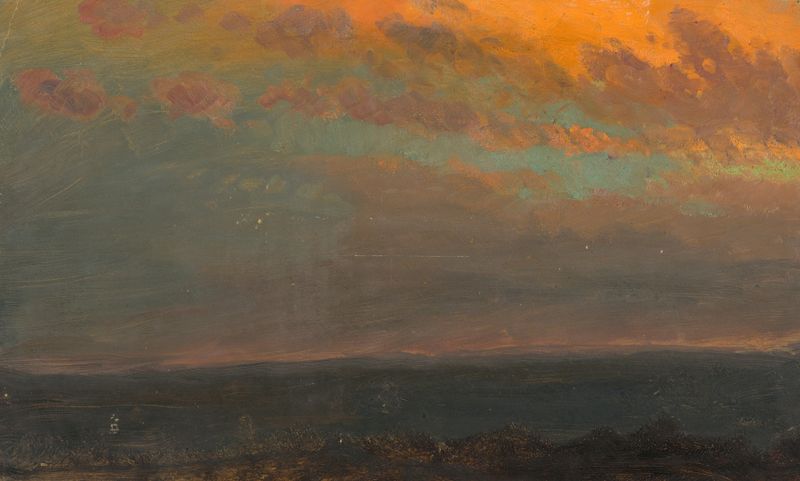
Hudson Valley at Sunset
Frederic Edwin Church
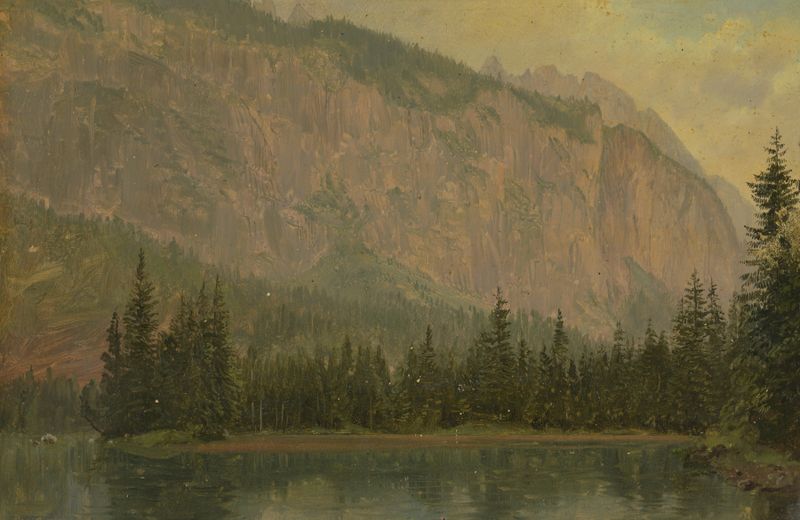
The Hintersee, near Berchtesgaden, Bavaria
Frederic Edwin Church
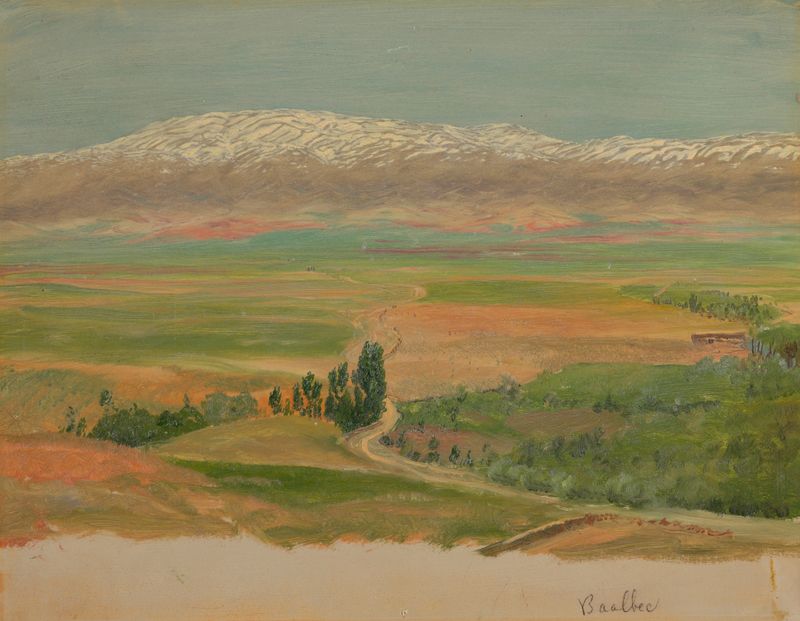
Mountains near Baalbec
Frederic Edwin Church
Aurora Borealis
Frederic Edwin Church
Cotopaxi
Frederic Edwin Church





