
Sunset at Hudson, New York — History & Facts
In Sunset at Hudson, New York, the eternal beauty of nature contrasts sharply with the violent tremors of human memory and ambition. Look to the left, where the sun sinks below the horizon, casting a vibrant palette of fiery oranges and deep purples across the sky. The river reflects this spectacle, shimmering like molten gold, while the silhouetted trees stand sentry, their dark forms a stark counterpoint to the brilliant sky. The meticulous brushwork invites you to linger, each stroke layered with both light and shadow, creating a sense of depth that draws the viewer into an almost sacred moment of tranquility. Yet, within this serenity lies an underlying tension.
The vibrant hues of the sunset serve as a reminder of fleeting time, while the darkened landscape hints at the encroaching shadows of civilization. The contrast between the warm glow of the sunset and the looming darkness may reflect the violence of transformation — nature giving way to progress, beauty overshadowed by the relentless march of industry. Church's choice of such a seemingly idyllic scene belies the tumultuous changes occurring in the world around him, evoking a sense of nostalgia tinged with loss. Frederic Edwin Church painted Sunset at Hudson in 1860 while residing in New York's Hudson Valley, a period marked by burgeoning national changes and the impending divide of the Civil War.
As part of the Hudson River School, Church was deeply influenced by romantic ideals and the American landscape, capturing its wild beauty even as the specter of industrialization loomed. This painting encapsulates the duality of his vision — a celebration of nature that simultaneously confronts the violence of progress.
More Artworks by Frederic Edwin Church
Browse all →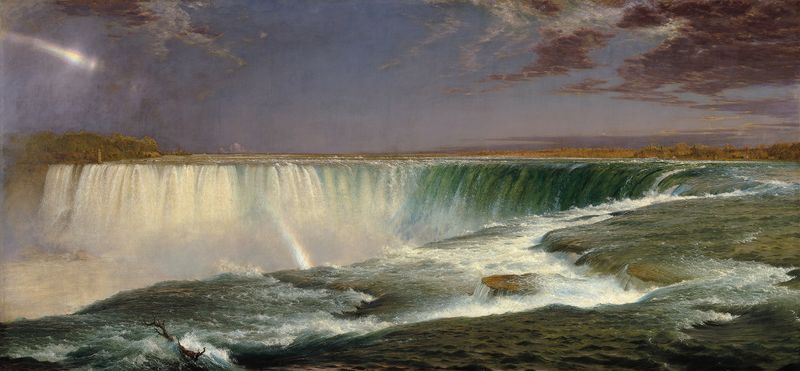
Niagara
Frederic Edwin Church
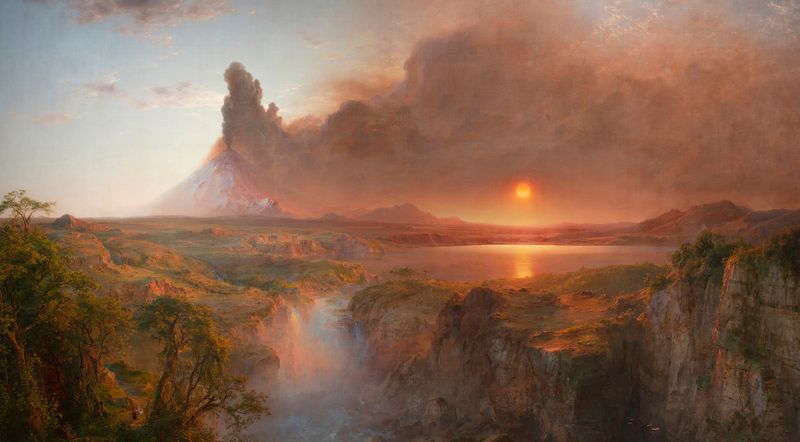
Cotopaxi
Frederic Edwin Church
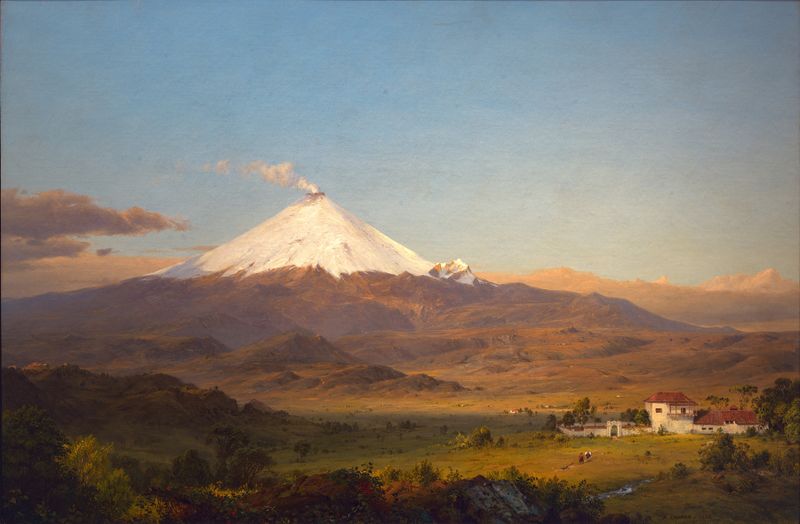
Cotopaxi
Frederic Edwin Church
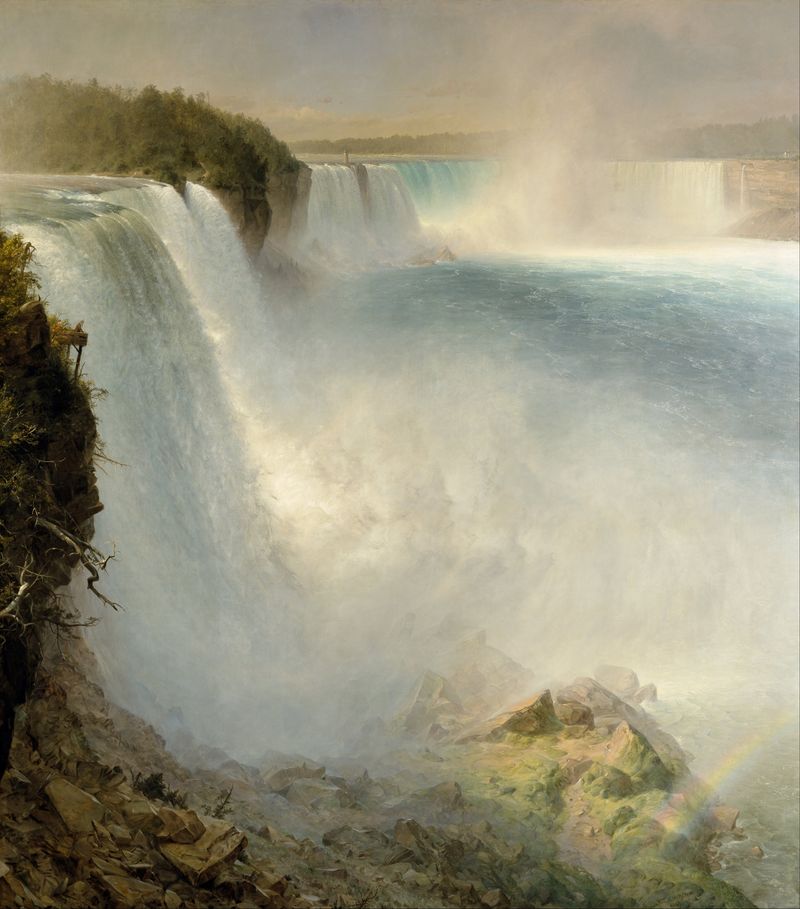
Niagara Falls, from the American Side
Frederic Edwin Church
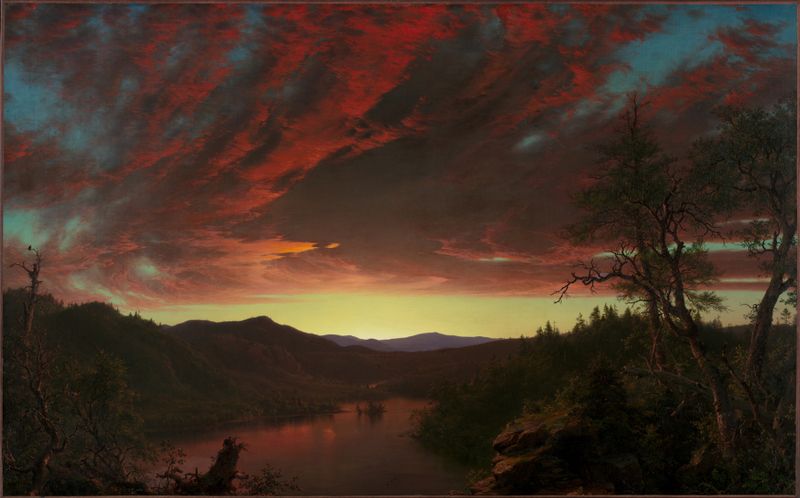
Twilight in the Wilderness
Frederic Edwin Church
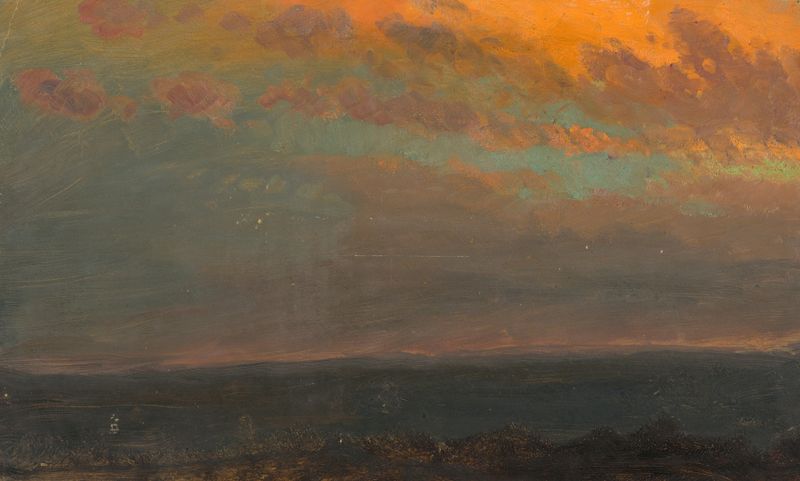
Hudson Valley at Sunset
Frederic Edwin Church
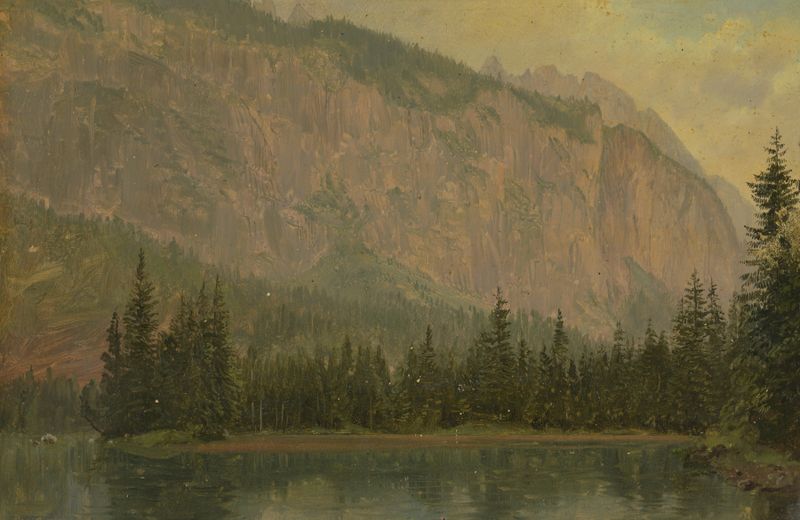
The Hintersee, near Berchtesgaden, Bavaria
Frederic Edwin Church
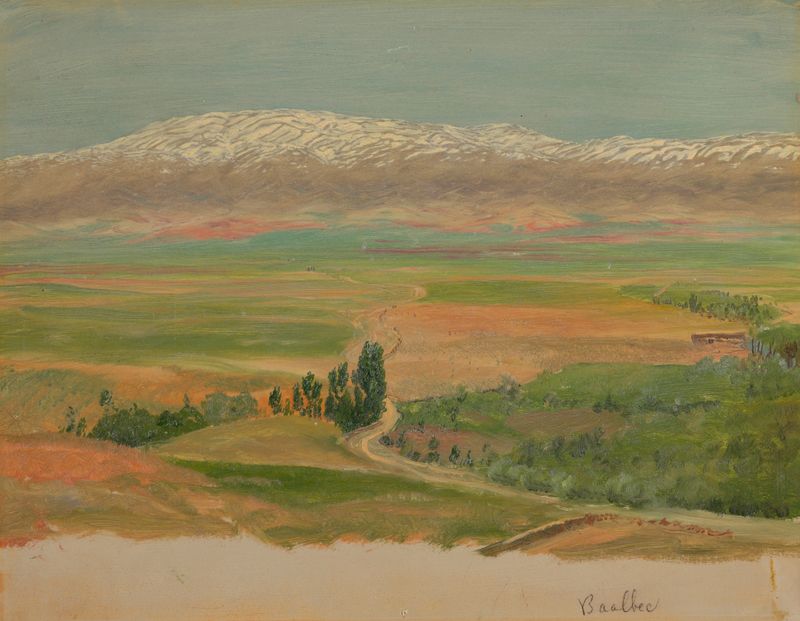
Mountains near Baalbec
Frederic Edwin Church
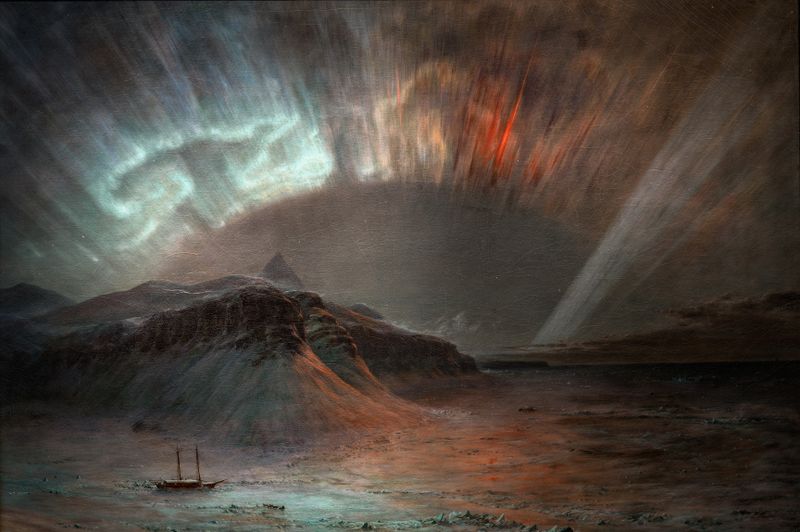
Aurora Borealis
Frederic Edwin Church
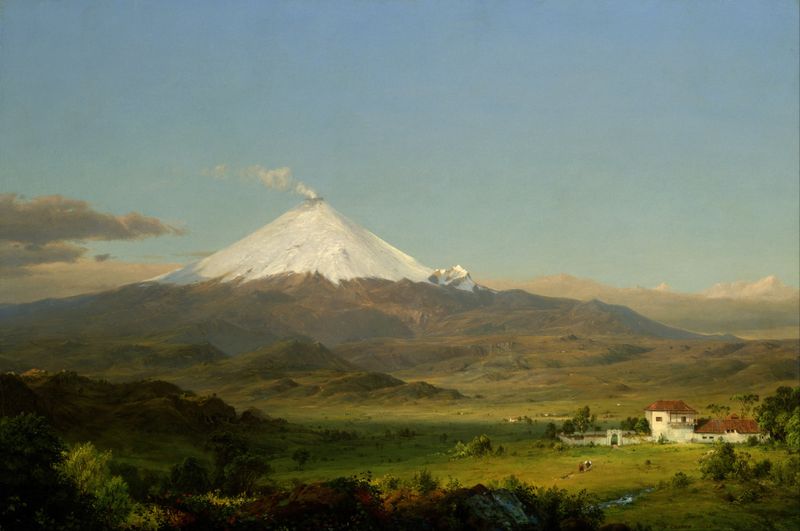
Cotopaxi
Frederic Edwin Church





