
Sunset, Hudson Valley, New York — History & Facts
What if silence could speak through light? In the tender embrace of dusk, the world holds its breath, suspended in a moment that whispers of fleeting time and cherished memories. Look to the horizon where the sun descends, painting the sky in a symphony of oranges and purples, a delicate blend that seems almost ethereal. The vastness of the landscape stretches beneath this celestial display, dotted with trees and hills that recede into the distance. The artist’s meticulous brushwork captures the interplay of light on water, where reflections shimmer like confessions on the surface, drawing the viewer's gaze toward the tranquil river glistening in the fading light. The contrast between the vibrant sky and the darker earth below speaks of a deeper emotional tension — one that reflects the transient nature of beauty.
Here, in this moment of twilight, the warmth of the day yields to the coolness of night, evoking a sense of nostalgia. The gentle ripples of the water might symbolize memory itself, fluid and ever-changing, while the silhouetted trees stand as silent witnesses to time’s passage, suggesting both permanence and impermanence. Frederic Edwin Church created Sunset, Hudson Valley, New York during a period of intense personal and artistic development between 1870 and 1880. As a prominent figure in the Hudson River School, he sought to capture the sublime beauty of nature, a response to both the romantic ideals of the era and the changing American landscape.
This work emerged while he grappled with personal losses and the broader cultural shifts in art, ushering in a moment of reflection that resonated deeply throughout his career.
More Artworks by Frederic Edwin Church
Browse all →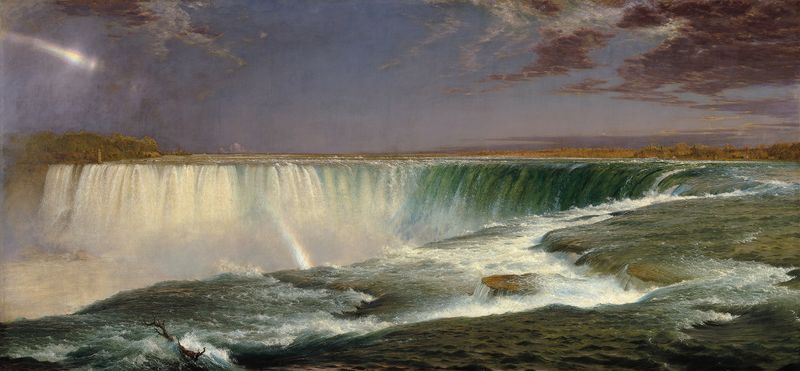
Niagara
Frederic Edwin Church
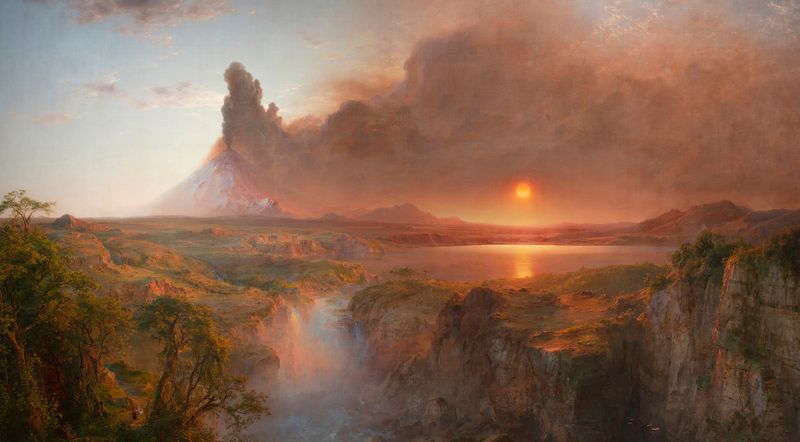
Cotopaxi
Frederic Edwin Church
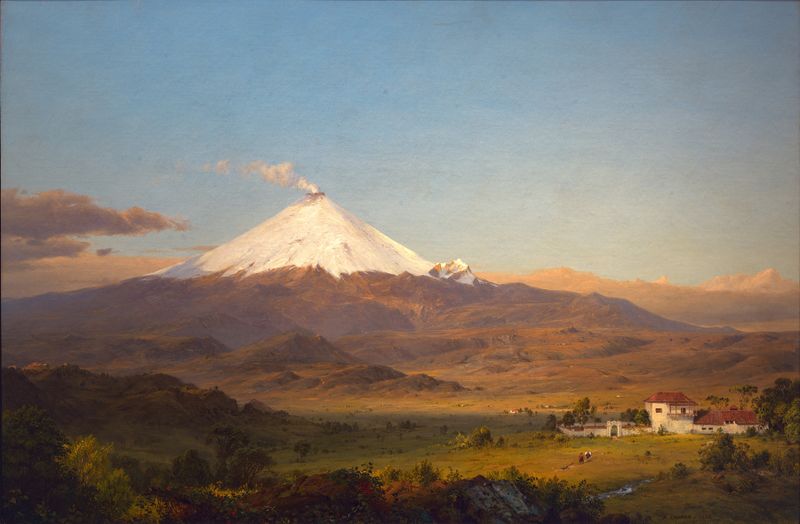
Cotopaxi
Frederic Edwin Church
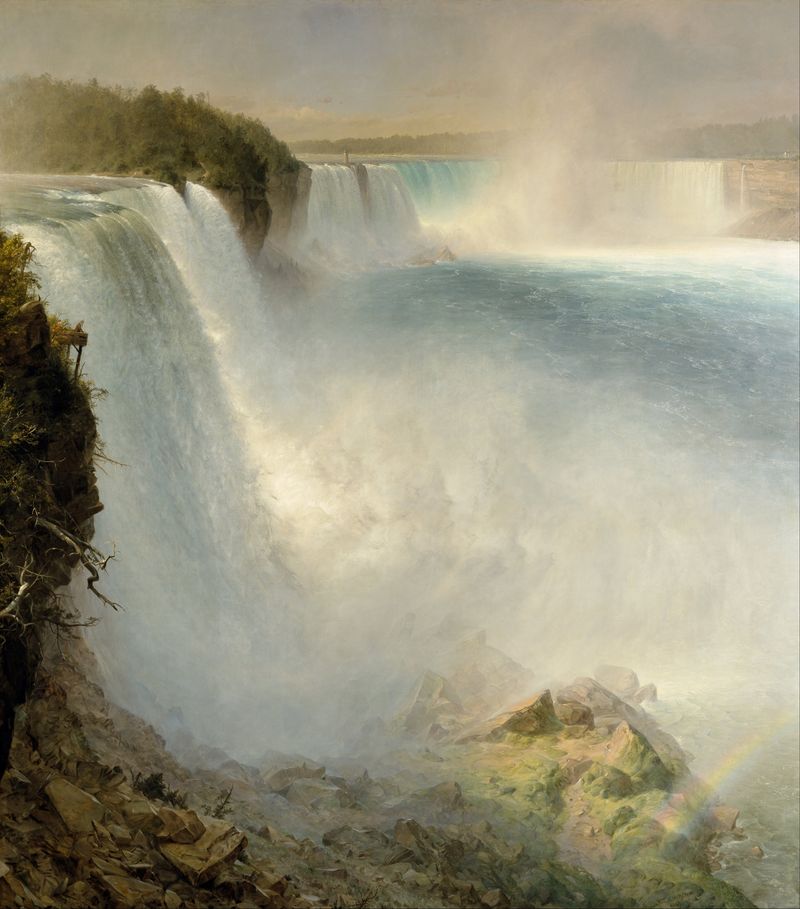
Niagara Falls, from the American Side
Frederic Edwin Church
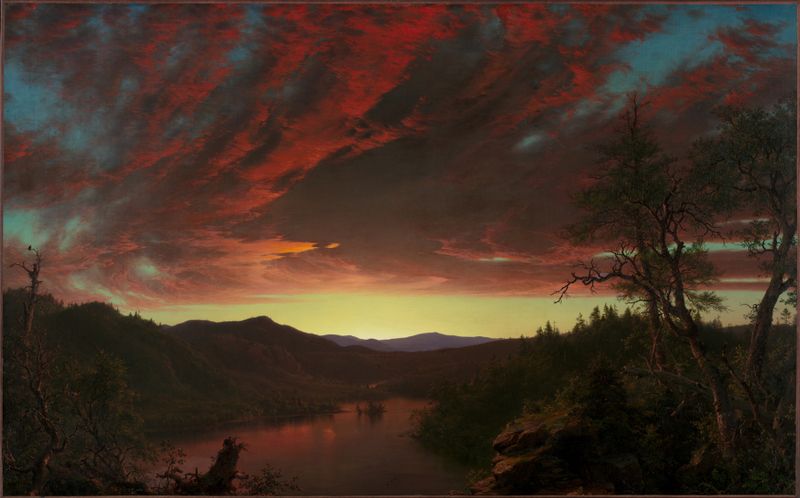
Twilight in the Wilderness
Frederic Edwin Church
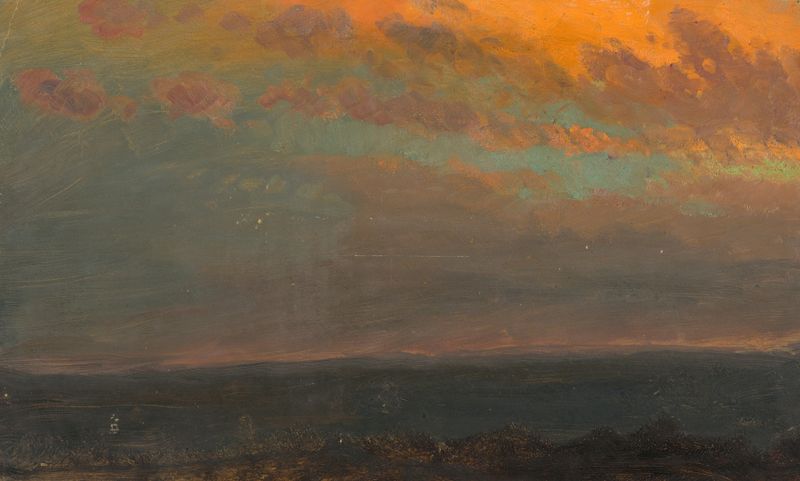
Hudson Valley at Sunset
Frederic Edwin Church
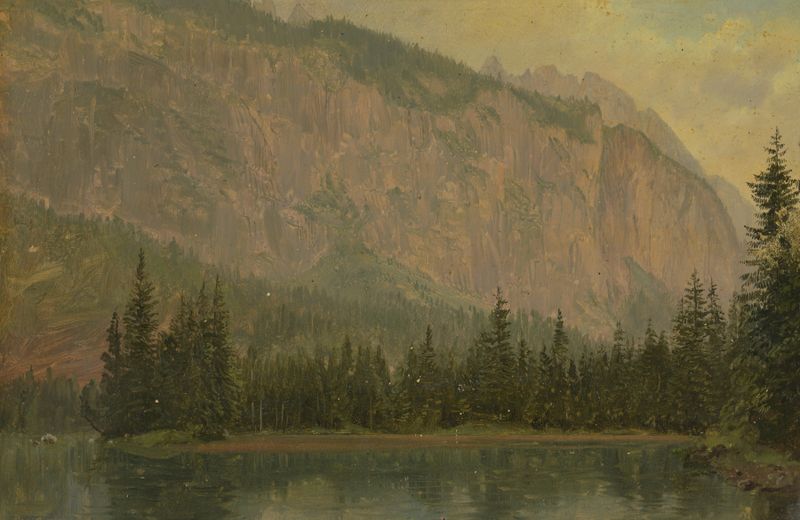
The Hintersee, near Berchtesgaden, Bavaria
Frederic Edwin Church
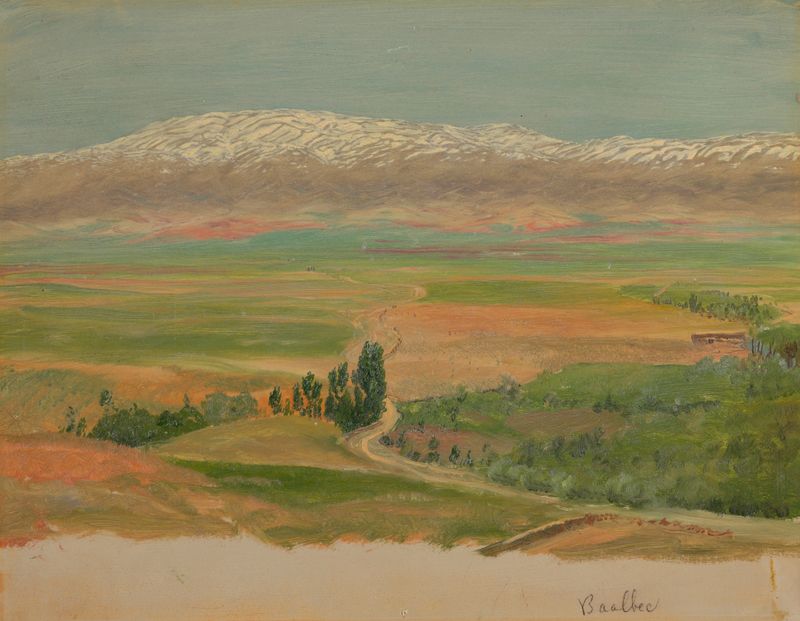
Mountains near Baalbec
Frederic Edwin Church
Aurora Borealis
Frederic Edwin Church
Cotopaxi
Frederic Edwin Church





