
Sunset II — History & Facts
In the mesmerizing dance of light and color, the divine lurks within the ordinary, waiting to be unveiled. Look to the center where the sun descends, casting a brilliant golden hue across the vibrant sky. The swirling clouds, suffused with shades of orange, pink, and violet, seem to pulse with life as they frame the horizon. Notice how the light spills into the landscape below—illuminating the tranquil waters and accentuating the serene silhouettes of distant mountains.
Each brushstroke captures the harmony of nature, inviting the viewer to lose themselves in the divine interplay of light and shadow. Yet, beneath the enchanting surface lies a deeper exploration of transience and eternity. The sun setting symbolizes the passage of time, a reminder of the beauty in fleeting moments. The vibrant colors are juxtaposed with the quiet stillness of the water, suggesting a meditative calm that belies the chaos of existence.
Here, one might find a reflection on the divine presence in the natural world, contemplating humanity’s connection to a greater cosmic order. In 1865, Church created this masterpiece amid the American Romanticism movement, renowned for its emphasis on the sublime beauty of nature. At this time, he resided in New York, where burgeoning interest in exploration and discovery influenced his work. It was an era marked by the juxtaposition of rapid industrialization and a longing for spiritual connection, propelling Church to capture the divine splendor of the world around him.
More Artworks by Frederic Edwin Church
Browse all →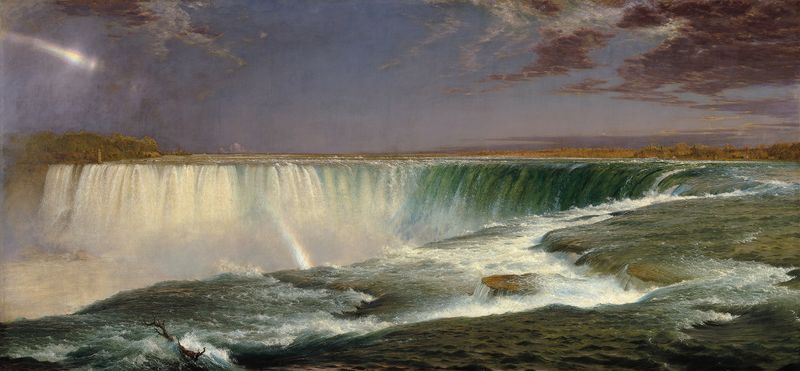
Niagara
Frederic Edwin Church
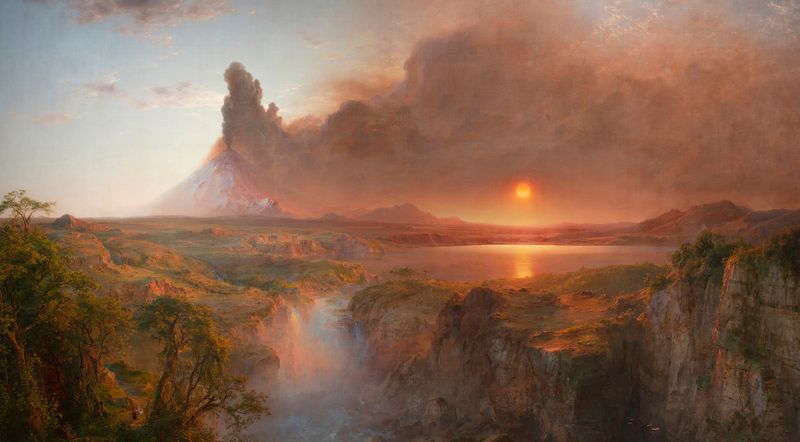
Cotopaxi
Frederic Edwin Church
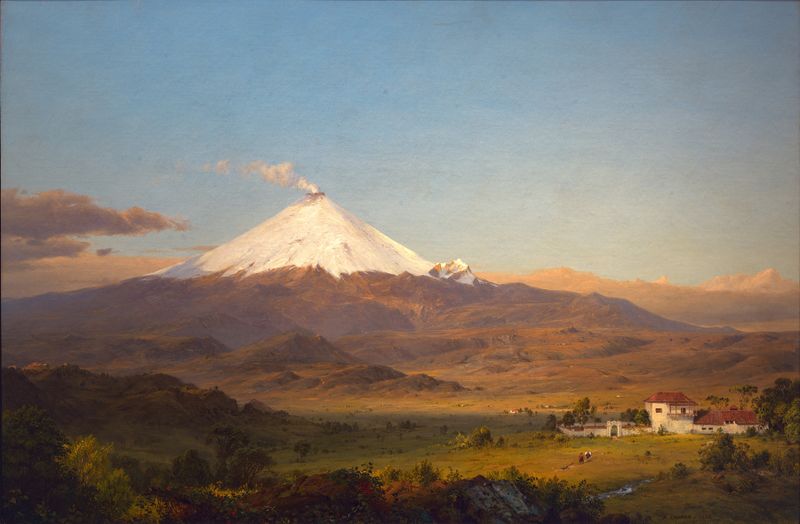
Cotopaxi
Frederic Edwin Church
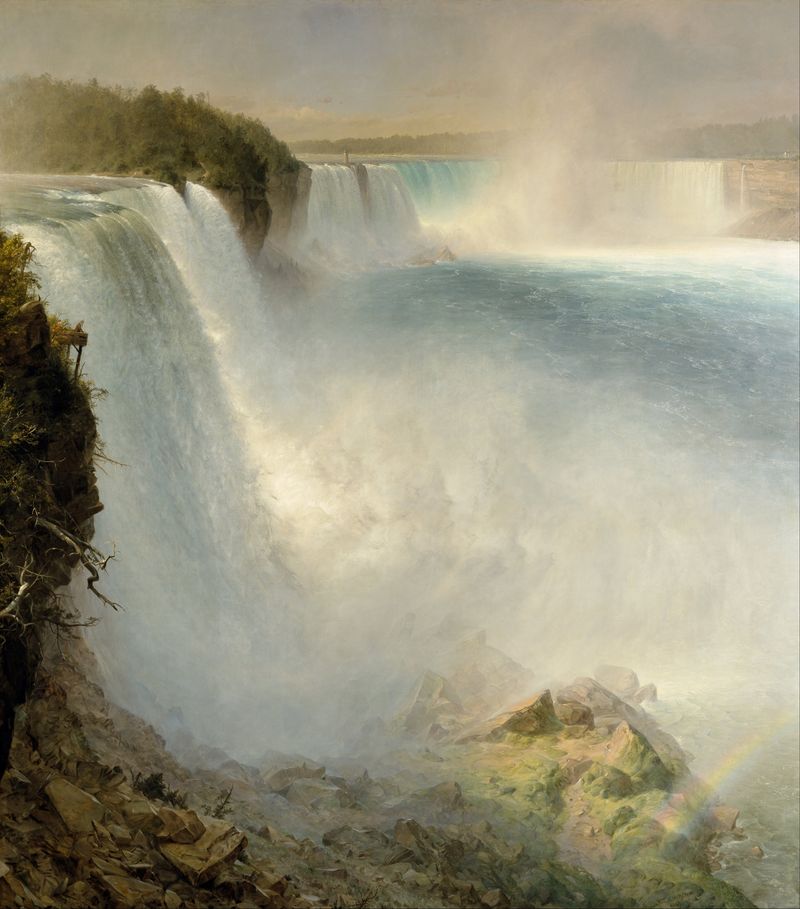
Niagara Falls, from the American Side
Frederic Edwin Church
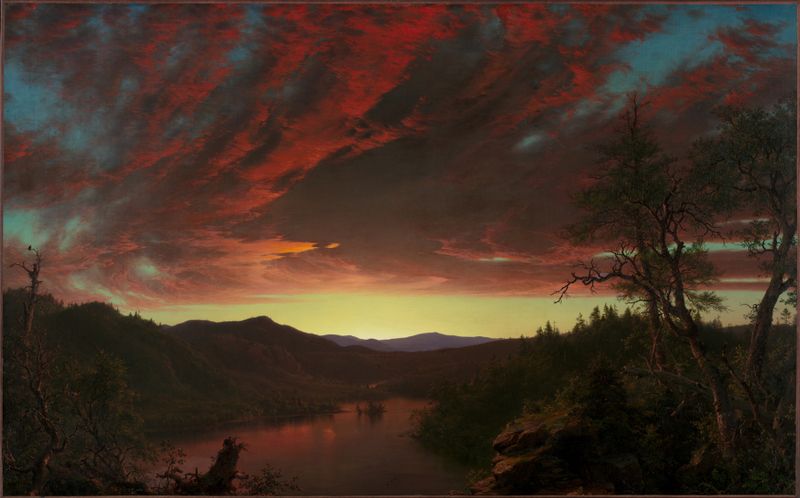
Twilight in the Wilderness
Frederic Edwin Church
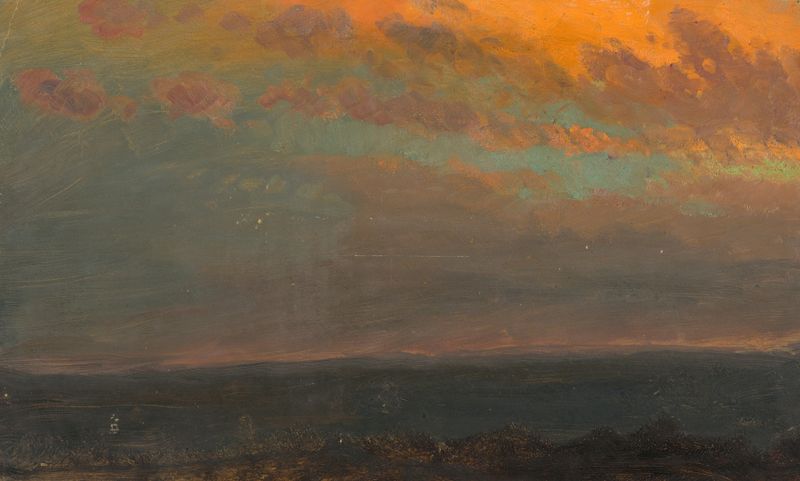
Hudson Valley at Sunset
Frederic Edwin Church
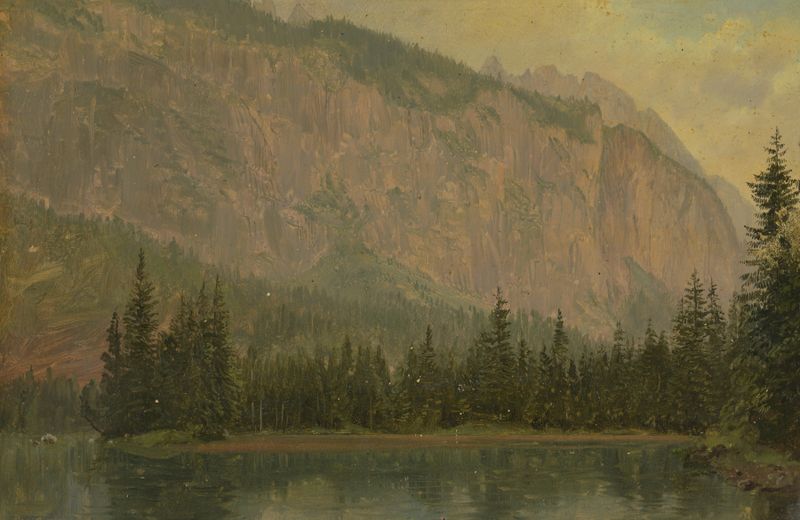
The Hintersee, near Berchtesgaden, Bavaria
Frederic Edwin Church
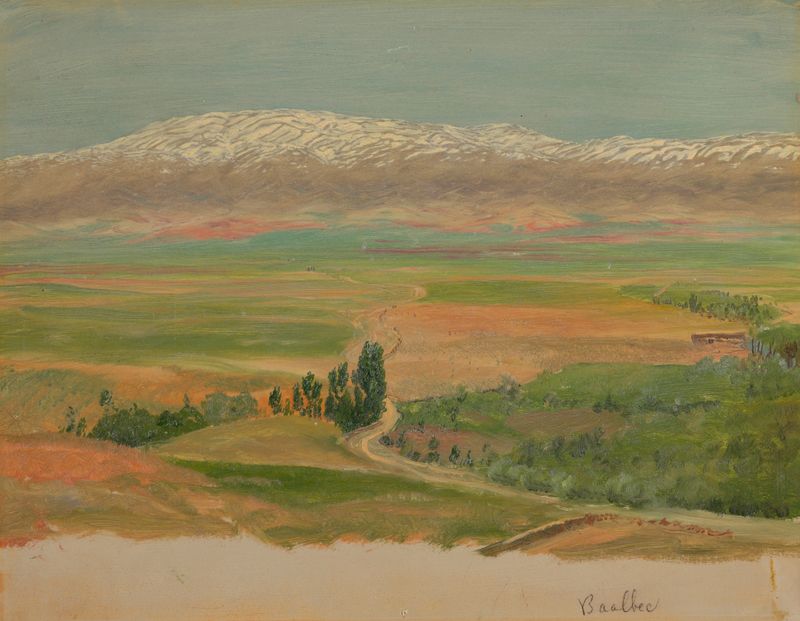
Mountains near Baalbec
Frederic Edwin Church
Aurora Borealis
Frederic Edwin Church
Cotopaxi
Frederic Edwin Church





