
The Incredulity of Saint Thomas — History & Facts
A bearded man in a torn, rose-colored robe leans forward, his brow furrowed and his eyes wide, as he presses his index finger into a wound in the side of a standing figure draped in pale cloth. The standing figure, with long hair and a calm, downward gaze, guides the man's hand with his own, exposing the wound by pulling back the folds of his garment. Two more men crowd closely behind, their faces deeply shadowed but intent, peering over the shoulders of the central pair to witness the event at close range.
All four heads are arranged in a tight cluster, their gazes converging on the gesture at the center, while the background remains a deep, unbroken darkness. Strong light falls from the left, illuminating the flesh of the standing figure and the faces of the men, while the rest of the scene recedes into shadow, creating a dramatic contrast. The paint surface reveals smooth transitions between light and dark, with careful modeling of anatomy and fabric, and subtle variations in skin tone and texture.
The folds of the drapery are rendered with a sculptural quality, and the details of the figures' hands, including dirt under the fingernails of the man in the rose robe, are meticulously observed. The composition is horizontal, with the four figures filling the foreground and arranged in a three-quarter frame, focusing attention on the physical interaction at the center. The Incredulity of Saint Thomas was painted by Caravaggio between 1601 and 1602, and is now associated with the Italian Baroque painting movement. The subject is drawn from the Gospel of John, where Thomas the Apostle demands to see and touch the wounds of the risen Jesus before he will believe in the resurrection.
The absence of a halo around Jesus emphasizes his physical presence, while the intense chiaroscuro highlights both the reality of his body and the drama of the revelation. Caravaggio arranges the figures so that the viewer is drawn into the scene, with the triangle of gazes and the close proximity of the heads intensifying the emotional impact. The use of light and shadow in this work is characteristic of Caravaggio and the Italian Baroque, creating a narrative focus and a sense of immediacy.
Sources: Wikidata Q2419166 · Wikipedia: The Incredulity of Saint Thomas (Caravaggio) · Image source (Wikimedia Commons)
More Artworks by Caravaggio
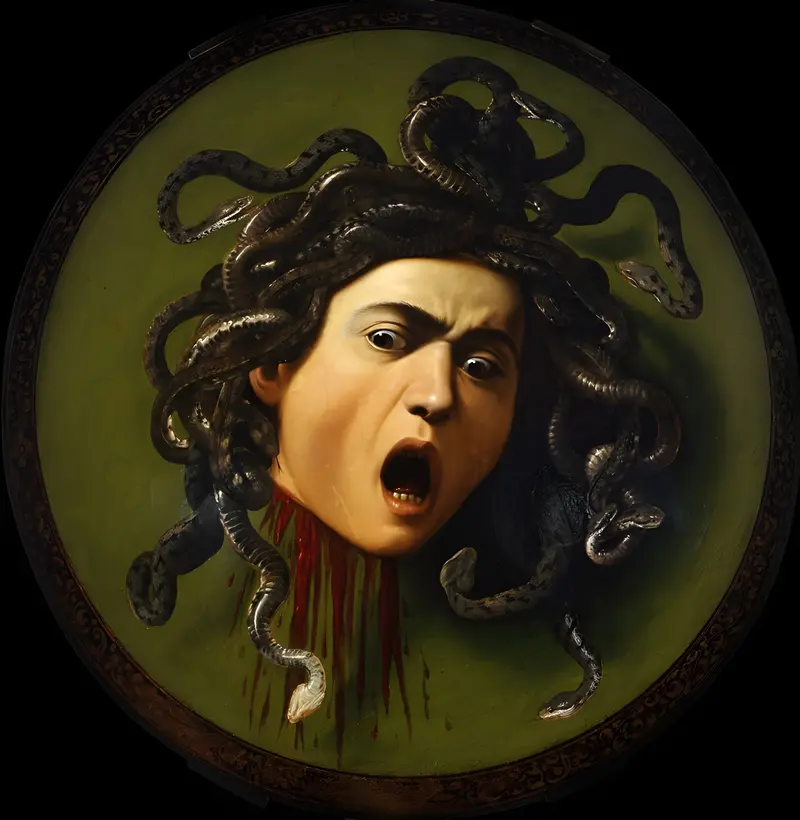
Medusa
Caravaggio
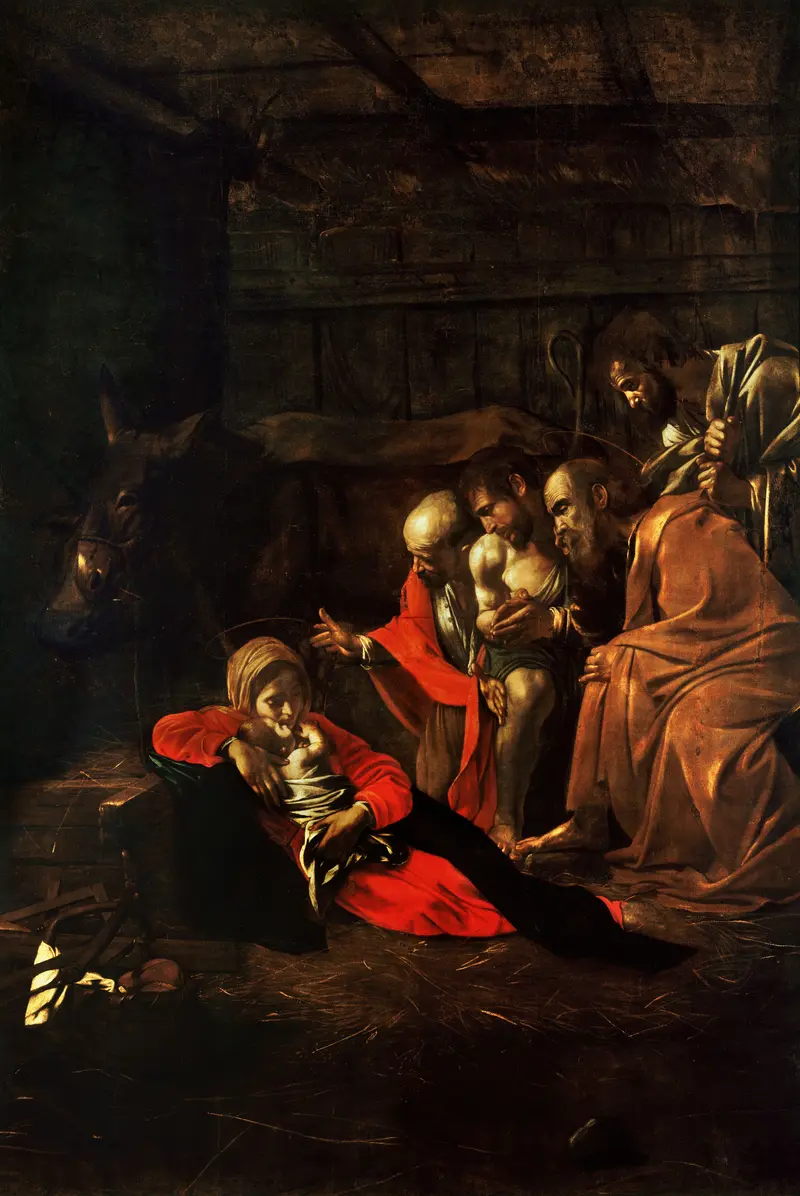
Adoration of the Shepherds
Caravaggio
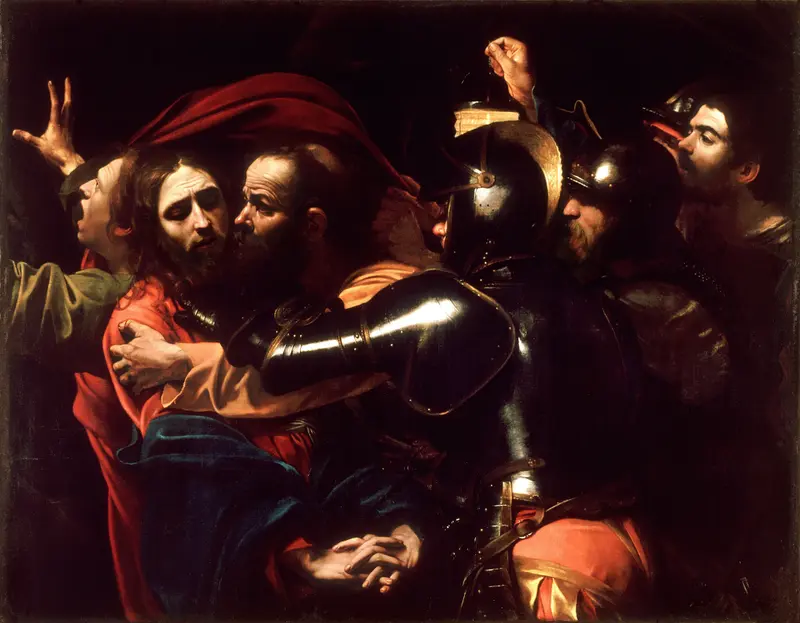
The Taking of Christ
Caravaggio
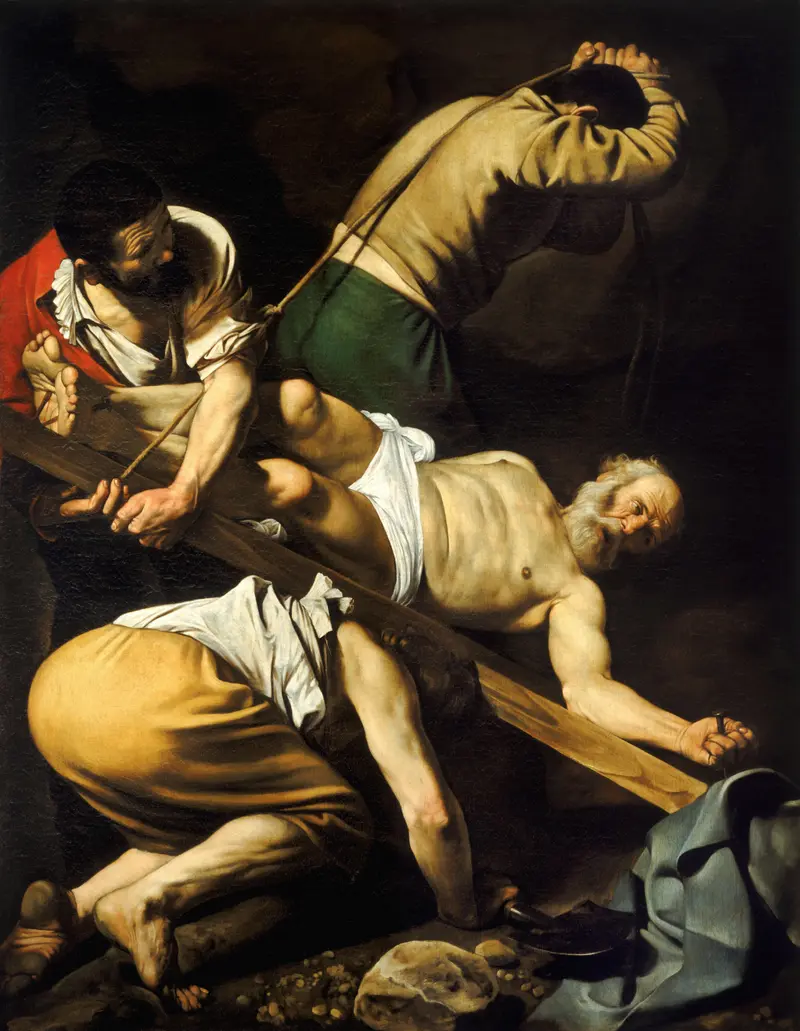
Crucifixion of Saint Peter
Caravaggio
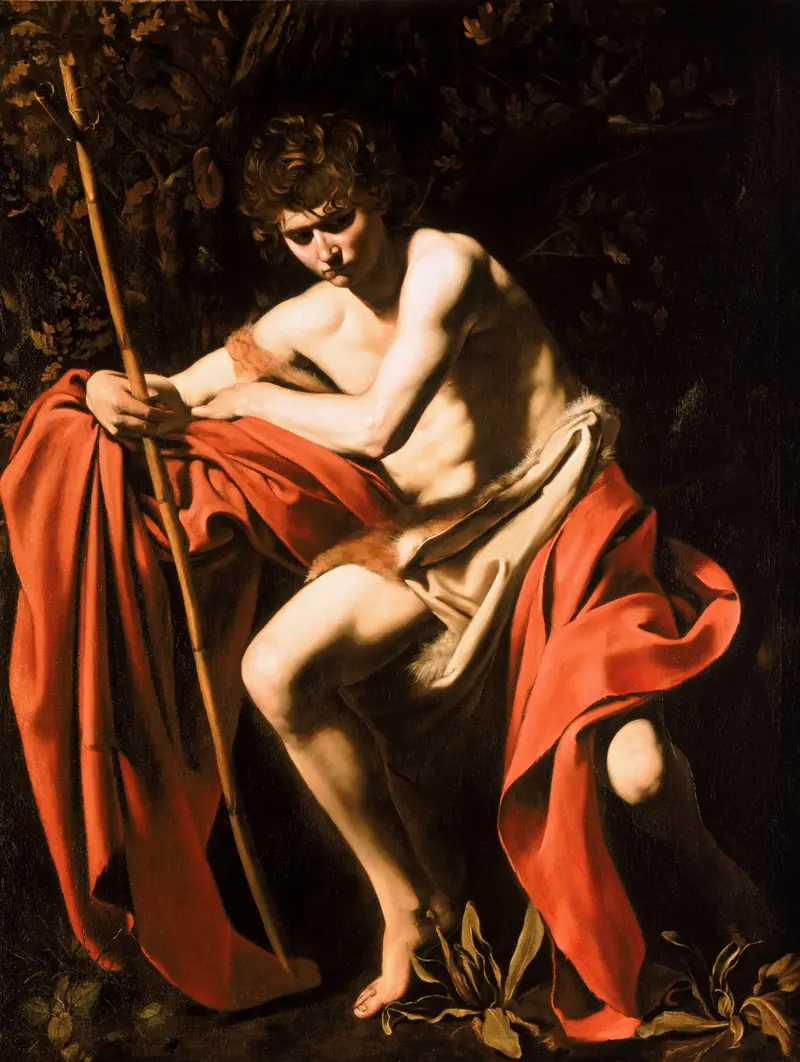
Saint John The Baptist In The Wilderness
Caravaggio

Saint Matthew and the angel
Caravaggio
The Inspiration of Saint Matthew
Caravaggio

Conversion on the Way to Damascus
Caravaggio
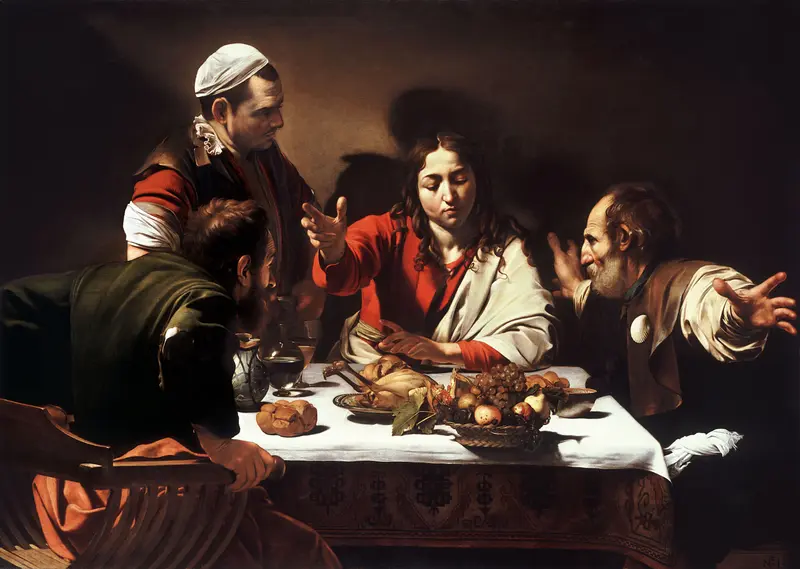
Supper at Emmaus
Caravaggio
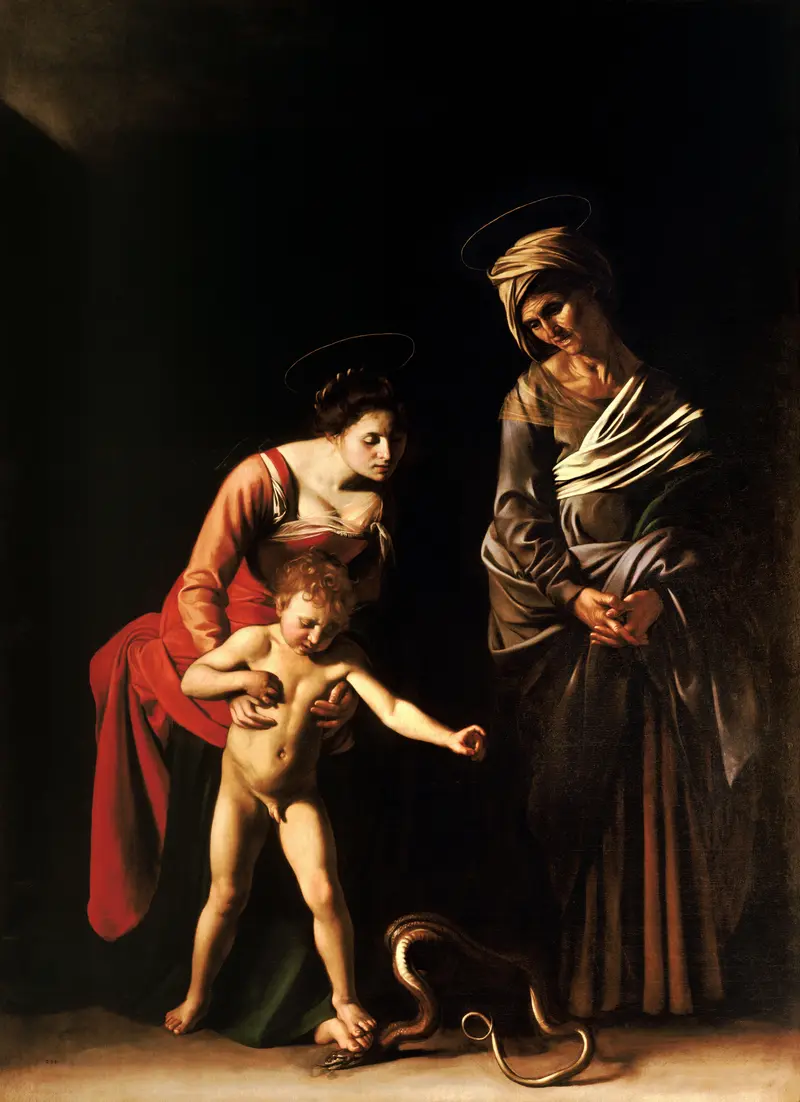
Madonna and Child with Saint Anne
Caravaggio





