
Surf — History & Facts
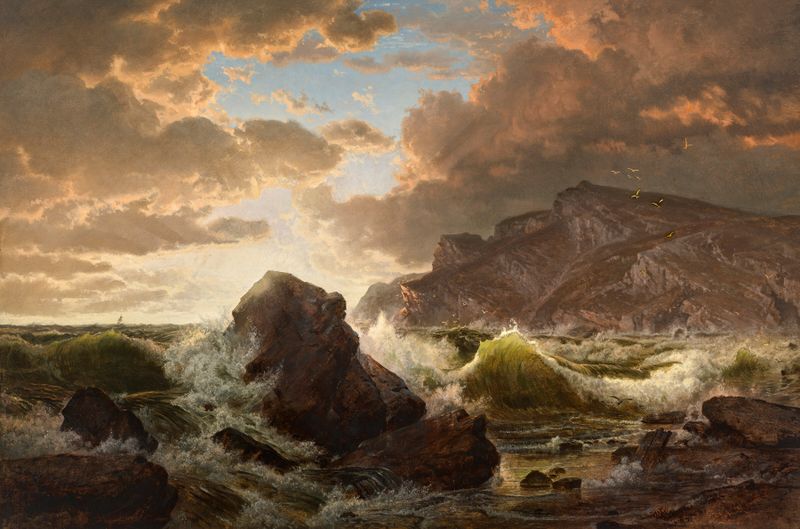
In the crashing waves and the expansive horizon, we find not just beauty but an invitation to transcend the ordinary and encounter the sublime. Look to the sweeping waves that dominate the foreground, their frothy crests captured with dynamic brushstrokes that evoke both power and grace. The artist's meticulous attention to detail encourages a closer examination, revealing the subtle interplay of light and shadow as it dances over the water’s surface. Notice how the deep blues and greens are punctuated by flecks of white, creating a vibrant harmony that draws the eye toward the sea's endless expanse. Delve deeper into the painting, where the rhythm of the waves symbolizes the relentless passage of time and change.
The distant horizon, tinged with softer hues, suggests a contrast between the tumultuous present and the serene possibilities of the unknown. This tension between chaos and calm reflects not only the physical landscape but also an emotional landscape, inviting viewers to confront their own thoughts and yearnings. In 1870, the artist, immersed in the beauty of the Atlantic coast, captured the essence of nature’s raw power during a period marked by artistic exploration. Influenced by the Romantic movement, he sought to convey emotional depth and grandeur through his landscapes, which mirrored both his personal reflections and the broader artistic shifts of the time.
This work encapsulates a moment of revelation, urging us to connect with the infinite.
More Artworks by William Trost Richards
Browse all →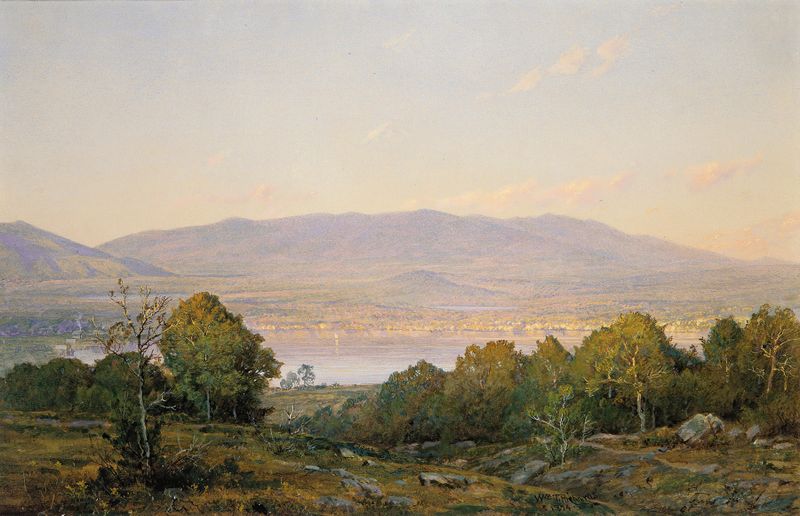
Sundown at Centre Harbor, New Hampshire
William Trost Richards
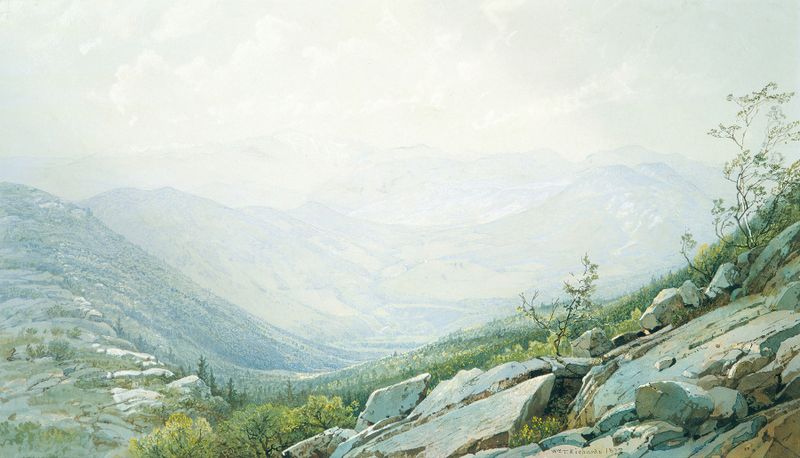
The Mount Washington Range, from Mount Kearsarge
William Trost Richards
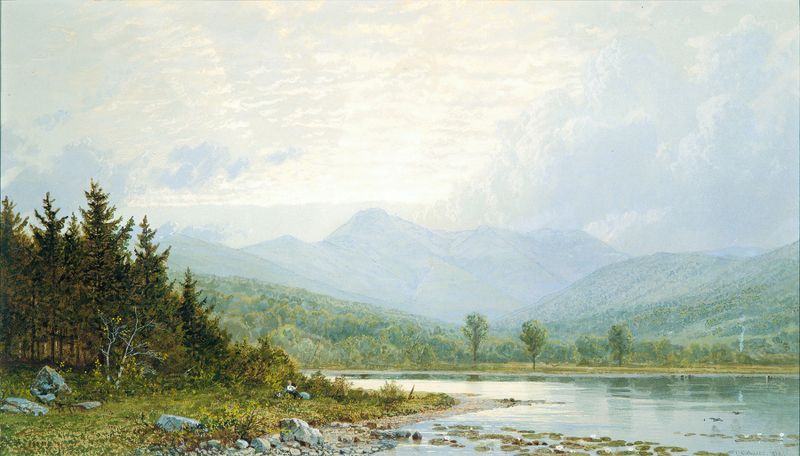
Sunset on Mount Chocorua, New Hampshire
William Trost Richards
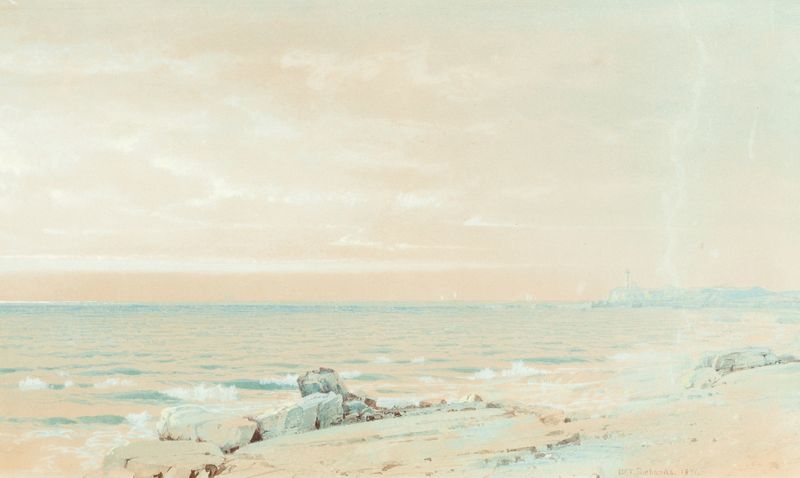
Point Judith
William Trost Richards

Moonlight on Mount Lafayette, New Hampshire
William Trost Richards

Point Judith
William Trost Richards

Dunes Near Atlantic City
William Trost Richards

Near Lands End, Cornwall
William Trost Richards
Coastal Scene
William Trost Richards

Crashing Waves
William Trost Richards





