
Surf on Rocks — History & Facts
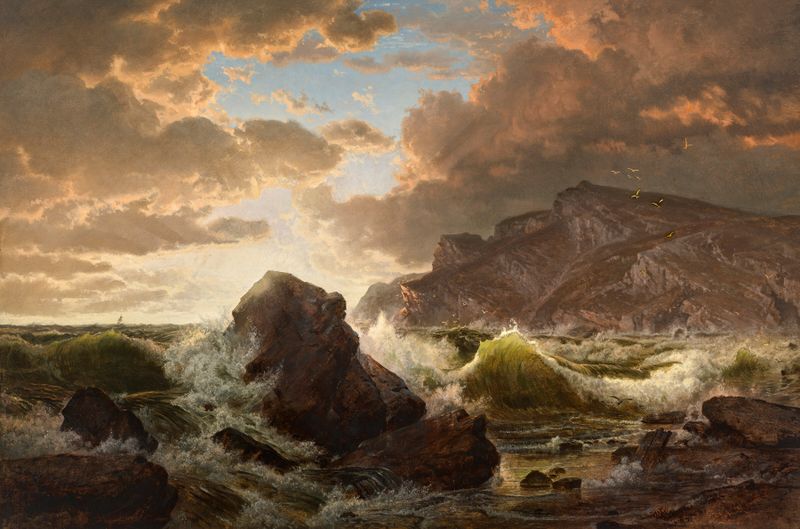
What secret hides in the quiet of the canvas? In Surf on Rocks, the tumultuous dance of nature reveals the inherent conflict between tranquility and chaos, urging us to listen closely to the whispers of the sea. Look to the left at the craggy rocks jutting from the frothy waves, their texture rendered with deft brushstrokes that convey both strength and vulnerability. Notice how the sunlight filters through the clouds, illuminating the water's surface in a palette of greens and blues, each hue reflecting the emotional undertones of the scene. The composition draws the eye toward the horizon, where the turbulent waves collide with the steadfast rocks, creating a dynamic interplay between movement and stillness. Beneath the surface, this painting resonates with themes of revolution—both the natural kind and the societal shifts of the time.
The relentless surf speaks of nature's power and unpredictability, while the solid rocks suggest permanence in a world of constant change. The juxtaposition of the crashing waves against the immovable stones can be interpreted as a metaphor for the struggle between opposing forces, echoes of humanity’s own tumultuous evolution. In the 1890s, William Trost Richards sought to depict the beauty of the American landscape, inspired by the naturalistic movement that emphasized realism and detail. Painting primarily in his studio in Pennsylvania, he was deeply influenced by both Romanticism and the burgeoning Impressionist styles, a reflection of his desire to capture the subtle nuances of light and atmosphere.
During this period, artists were increasingly drawn to nature, seeking to convey its raw power amidst the industrial revolution reshaping society.
More Artworks by William Trost Richards
Browse all →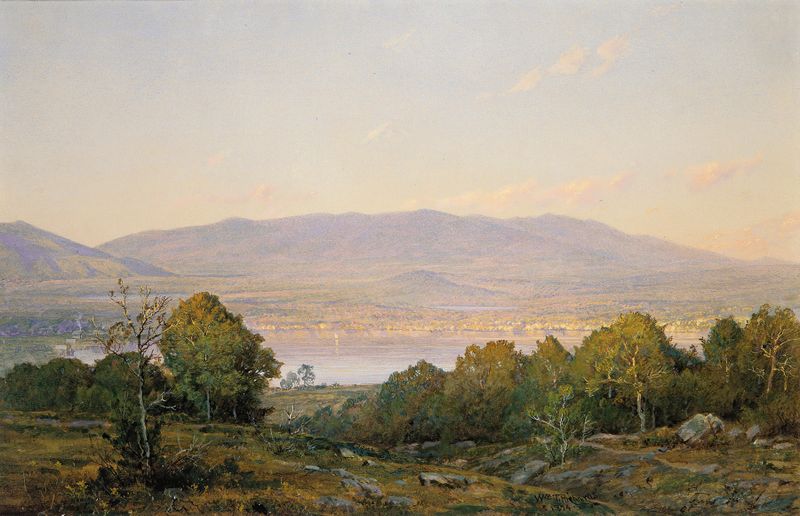
Sundown at Centre Harbor, New Hampshire
William Trost Richards
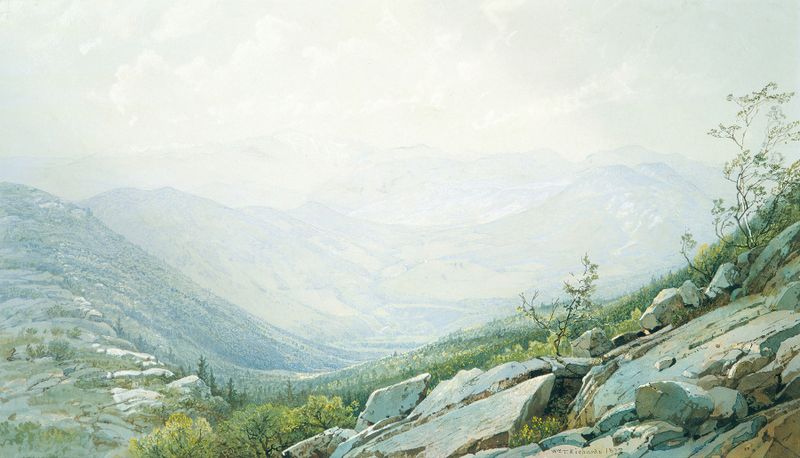
The Mount Washington Range, from Mount Kearsarge
William Trost Richards
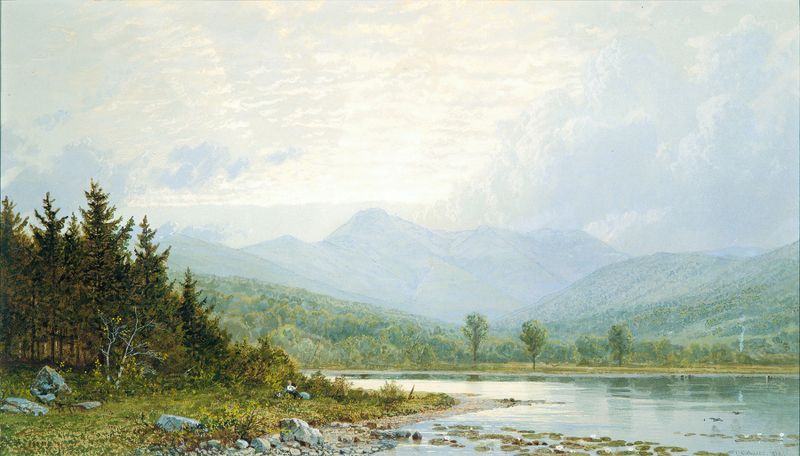
Sunset on Mount Chocorua, New Hampshire
William Trost Richards
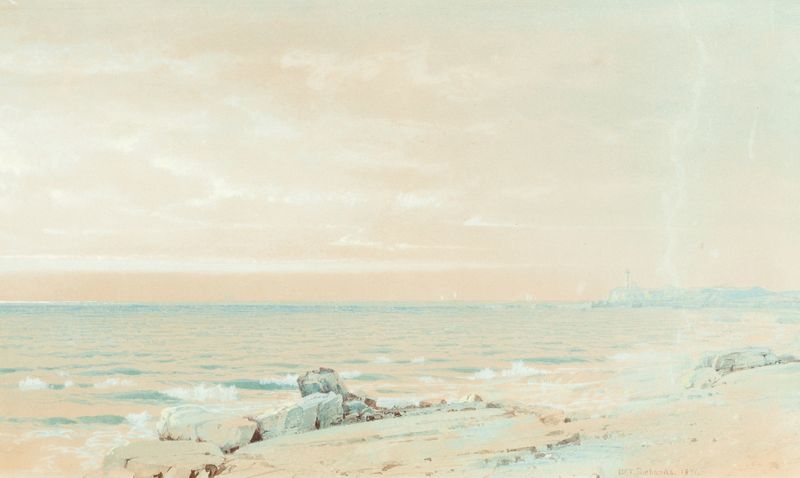
Point Judith
William Trost Richards

Moonlight on Mount Lafayette, New Hampshire
William Trost Richards

Point Judith
William Trost Richards

Dunes Near Atlantic City
William Trost Richards

Near Lands End, Cornwall
William Trost Richards
Coastal Scene
William Trost Richards

Crashing Waves
William Trost Richards





