
Susanna vastgepakt door twee oudsten — History & Facts
Did the painter know this moment would outlive them? The fleeting sense of desperation and moral conflict captured in Susanna vastgepakt door twee oudsten resonates across centuries, echoing the human condition in a single frame. Focus on the expressions of the two elders, their predatory gazes locking onto Susanna’s vulnerable form, which is illuminated by soft, yet unsettling light. Notice how the artist employs chiaroscuro to heighten the tension, the shadows deepening around the elders while bathing Susanna in a haunting glow. The contrasting colors create a visceral divide between innocence and corruption, drawing the viewer’s eye to the tension of the moment. Delve deeper into the painting's layers.
The vase on the table, a silent witness, symbolizes beauty intertwined with the fragility of trust. The way Susanna's hands are raised in both surrender and defiance conveys a profound inner struggle—caught between shame and dignity. Furthermore, the stark juxtaposition of age and youth subtly critiques societal norms, suggesting the complexities of power dynamics and the vulnerability of women during this era. Georg Pencz created this work between 1530 and 1534, during a time when the Northern Renaissance was flourishing.
The artist, influenced by the rising humanist ideas, sought to blend classical themes with contemporary moral dilemmas. Living in Nuremberg, the city was a hub of artistic innovation, yet it was also a time of increasing scrutiny on gender and morality, making the themes of this painting particularly relevant.
More Artworks by Georg Pencz
Browse all →
Parabel van de zaaier
Georg Pencz

Parabel van de arbeiders in de wijngaard
Georg Pencz
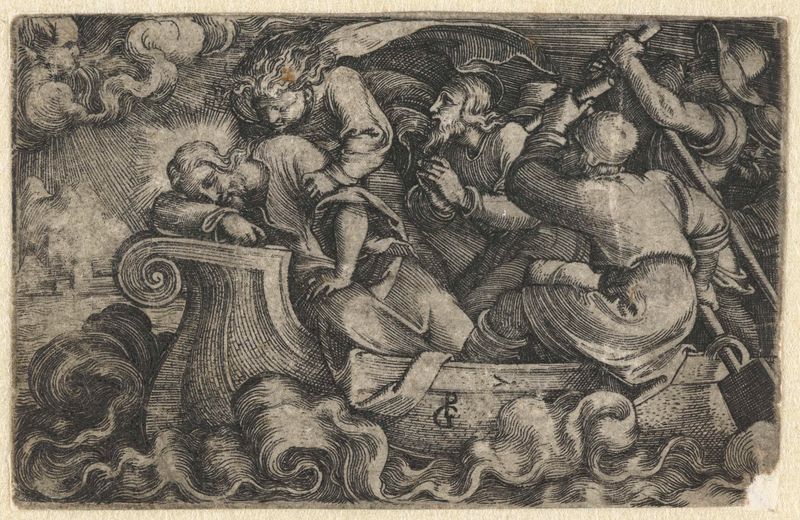
Discipelen wekken slapende Christus tijdens storm op Meer van Galilea
Georg Pencz

Afgunst (Invidia)
Georg Pencz
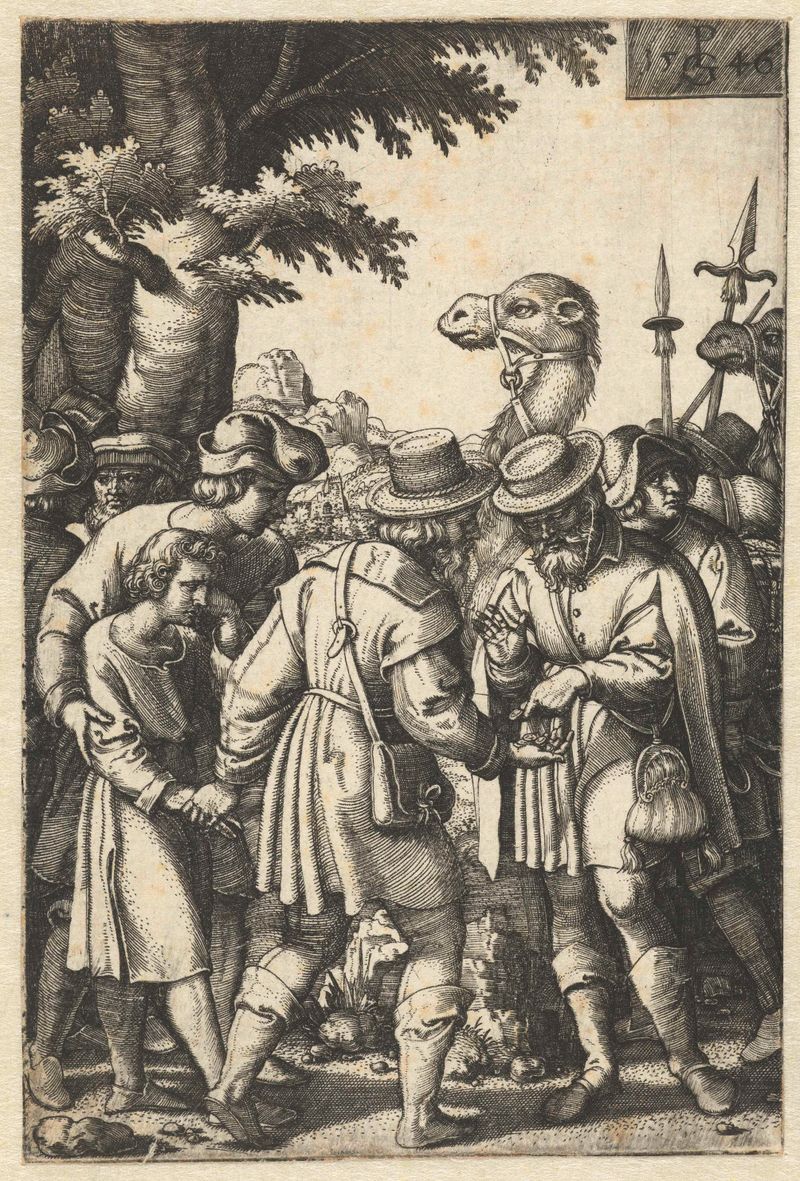
Jozef wordt verkocht aan kooplieden op weg naar Egypte
Georg Pencz

Aanbidding der koningen
Georg Pencz
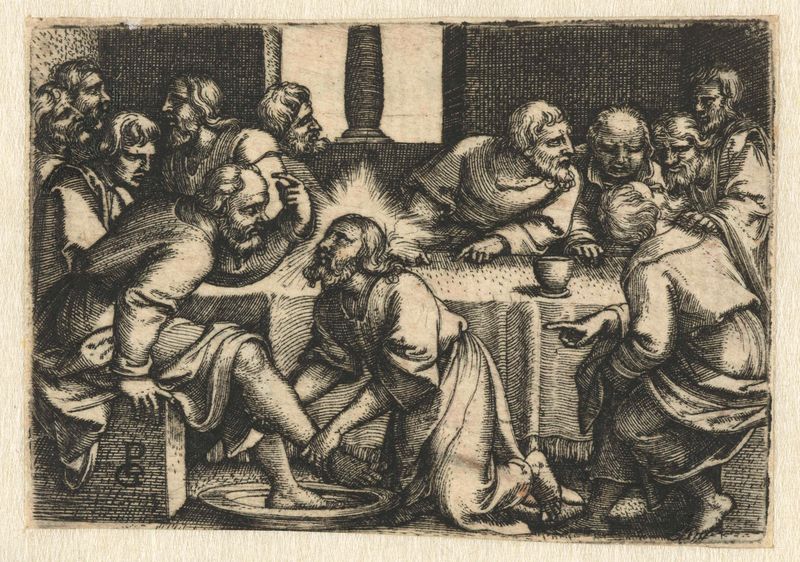
Petrus protesteert als Christus zijn voeten wast
Georg Pencz
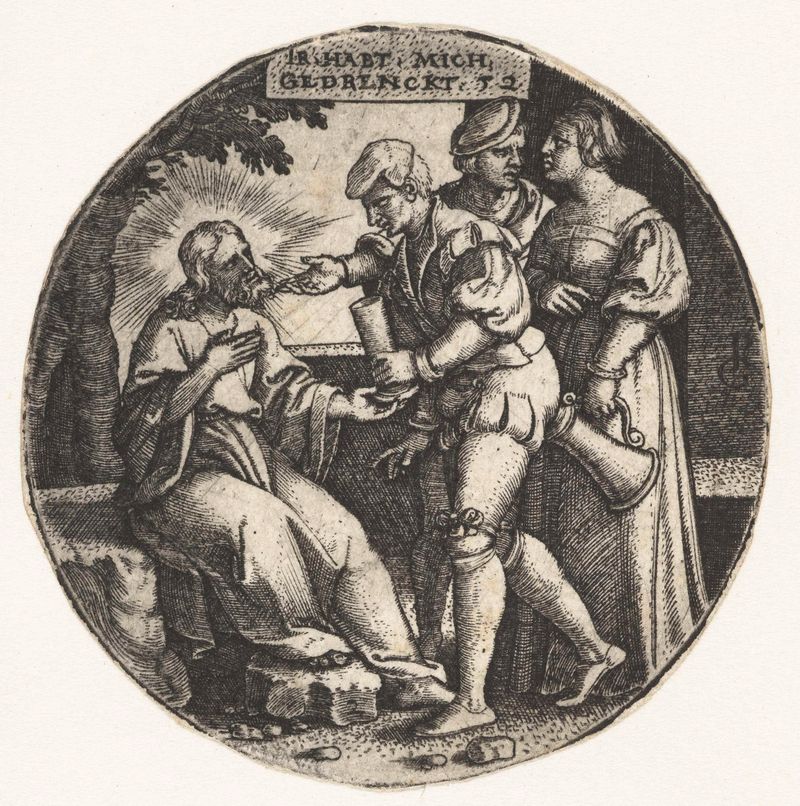
Christus heeft dorst en krijgt drinken aangeboden
Georg Pencz
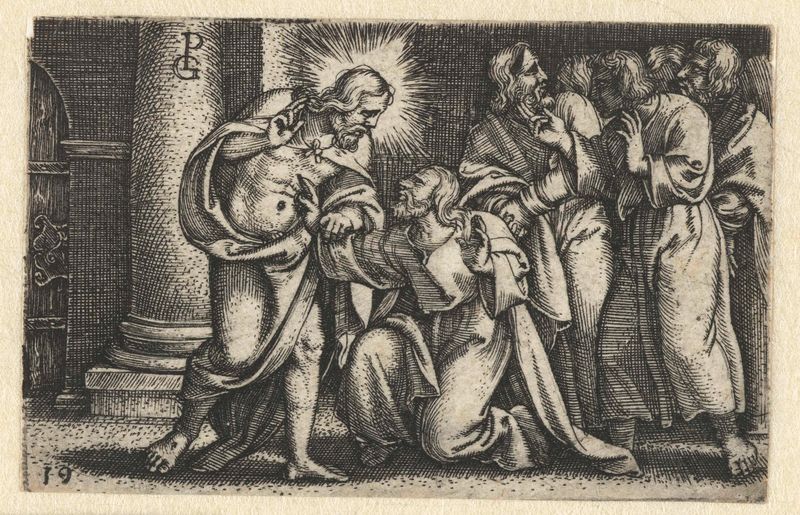
Ongelovige Thomas raakt wonden Christus aan
Georg Pencz

Offer van Abraham van Isaak
Georg Pencz





