
Suzukawa — History & Facts
Who listens when art speaks of silence? In Yoshida Hiroshi's Suzukawa, the silence is palpable, yet it resonates with an undercurrent of unspoken violence. Look to the center of the composition where versatile strokes form a serene riverbank, flanked by dense, shadowy trees. The contrast of the soft blues and deep greens evokes a sense of tranquility, while the delicate interplay of light suggests an impending change. Observe the way the shadows stretch across the water, mirroring the tension lying just beneath the surface—nature's peace veiling a disquieting truth. Upon closer inspection, you might notice a subtle clash between the serenity of the scene and the weight of history that looms over it.
The tranquil landscape feels almost haunting, as if it bears witness to the turbulent events of a rapidly modernizing Japan. The delicate brushwork and soft color palette juxtapose the idea of beauty with the violent reality of change, making the viewer ponder the hidden narratives woven into such landscapes. Created in 1935 during a tumultuous period in Japanese art, the work reflects Yoshida’s deep engagement with both traditional techniques and the influences of modernization. This was a time of national reflection, as Japan grappled with its identity amidst changing social landscapes.
The artist’s exploration of silence within nature captures the complexities of a nation on the brink, inviting viewers to contemplate the silent echoes of history within the serene beauty of the natural world.
More Artworks by Yoshida Hiroshi
Browse all →
Crytomeria Avenue (Sugi Namiki)
Yoshida Hiroshi
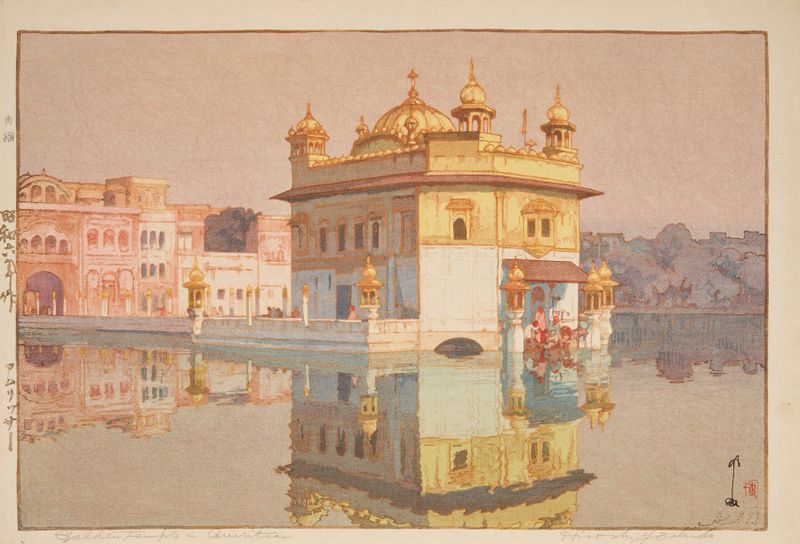
Amurissaa (Golden Temple in Amritsar)
Yoshida Hiroshi

High Gate in Ajmer (Ajumeru no Berenderuwajaa)
Yoshida Hiroshi

Fujiyama from Gotemba
Yoshida Hiroshi
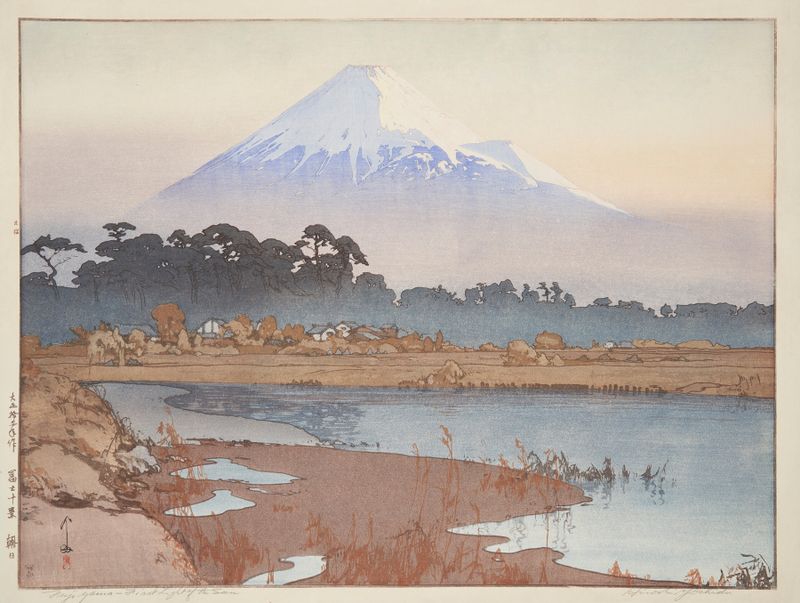
Asahi (Sunrise).
Yoshida Hiroshi
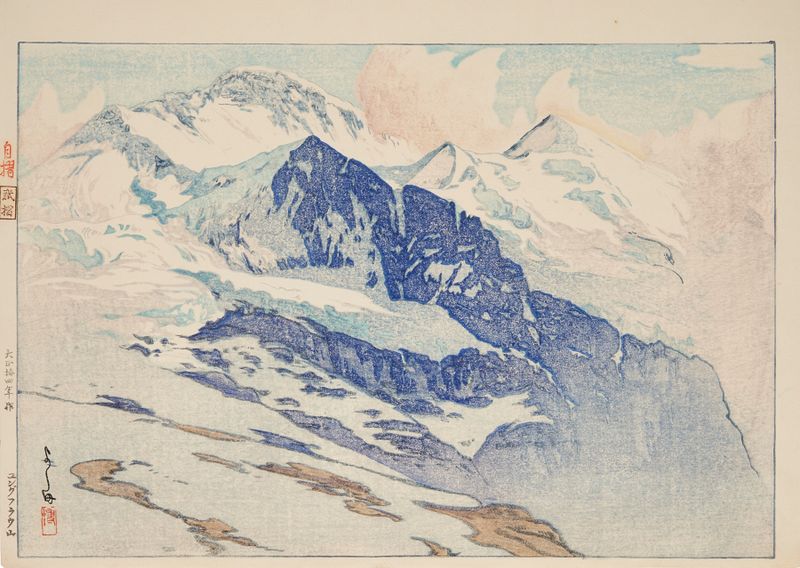
Yungufurau-yama (Jungfrau)
Yoshida Hiroshi
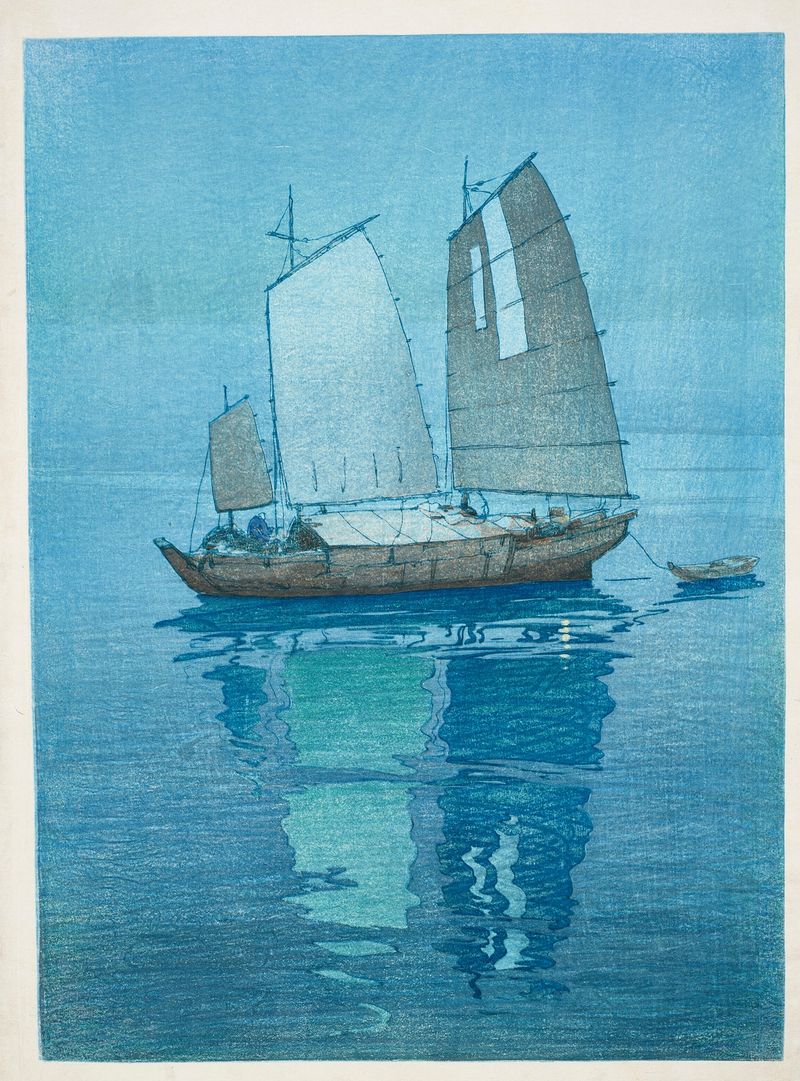
Hansen (Sailing Boats)
Yoshida Hiroshi
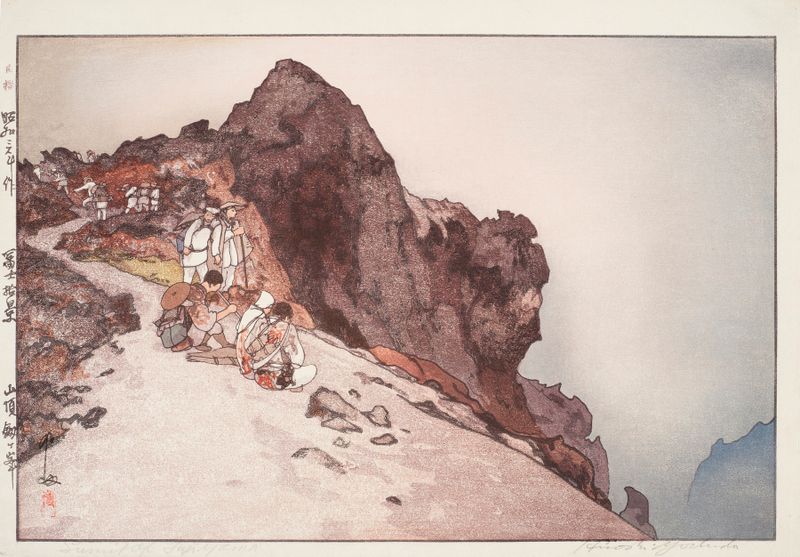
Summit of Mount Fuji
Yoshida Hiroshi

Sailing Boats — Night, from the series ‘The Seto Inland Sea’
Yoshida Hiroshi
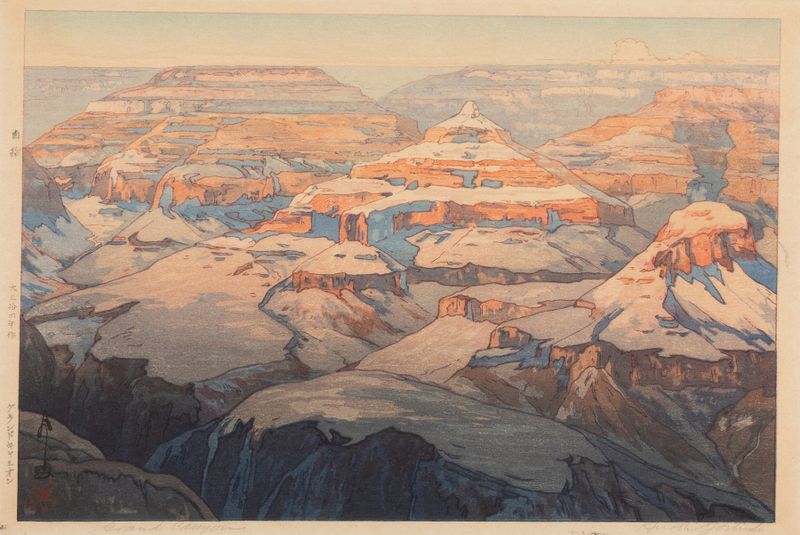
Grand Canyon (Gurando Kyanion)
Yoshida Hiroshi





