Swan and Iris — History & Facts
Did the painter know this moment would outlive them? In the stillness of Swan and Iris, the canvas breathes with a profound silence that echoes through time, inviting the viewer to ponder the ephemeral nature of beauty. Look to the left at the swan, its elegant form gliding serenely across a tranquil pond, perfectly mirrored in the glassy water. Notice how the soft, muted tones of blues and greens envelop it, creating a dreamlike atmosphere. The delicate brushwork captures the gentle ripples that disrupt the stillness, contrasting sharply with the bold brushstrokes of the irises that bloom to the right, their vibrant colors alive with movement and energy.
The composition draws your eye toward this union of flora and fauna, an exquisite moment frozen in time. Beneath the surface of this serene tableau lies an exploration of contrasts. The calm presence of the swan represents purity and grace, while the irises, with their striking hues, symbolize the vibrant complexity of life. This duality evokes a sense of tranquility shadowed by an undercurrent of tension — the inevitable passage of time that weighs on each fleeting moment of beauty.
Whistler’s choice of color palette enhances this emotional depth, as the coolness of the water harmonizes with the warmth of the irises, creating a dialogue between stillness and vibrancy. In 1883, Whistler painted this work during a period of personal and artistic transformation, residing in London while navigating the complexities of his career and the art world’s shifting tides. The late 19th century was marked by the rise of Impressionism, a movement Whistler engaged with, challenging traditional norms. At this time, he began to embrace a more poetic approach to art, focusing on the emotional resonance of color and composition, ultimately captured in this timeless piece.
More Artworks by James Abbott McNeill Whistler
Browse all →
Nocturne in Blue and Silver
James Abbott McNeill Whistler
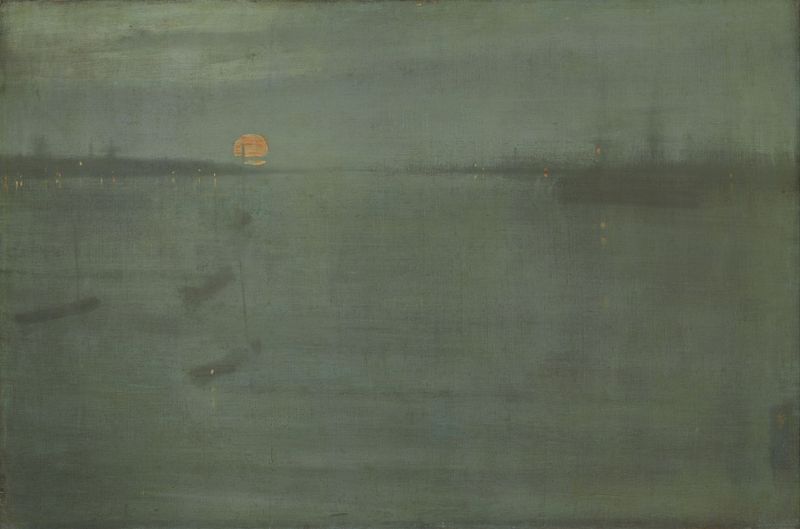
Nocturne: Blue and Gold–Southampton Water
James Abbott McNeill Whistler
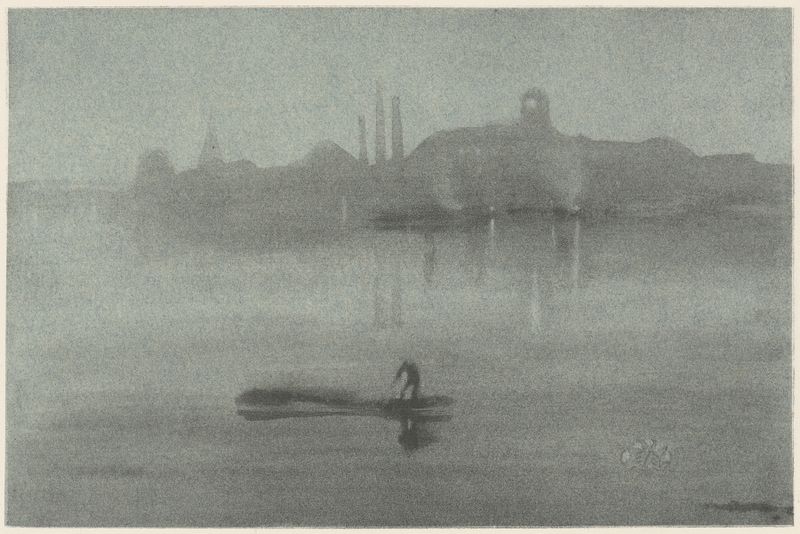
Nocturne
James Abbott McNeill Whistler
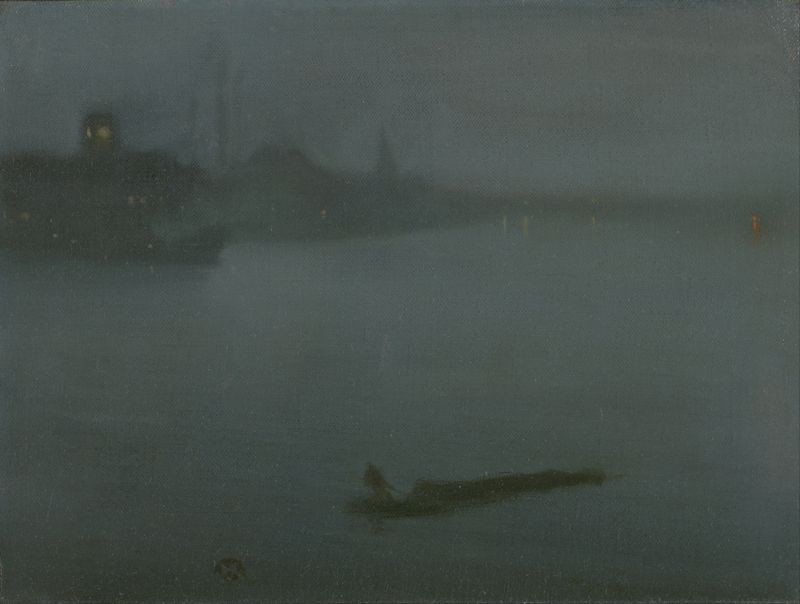
Nocturne in Blue and Silver
James Abbott McNeill Whistler
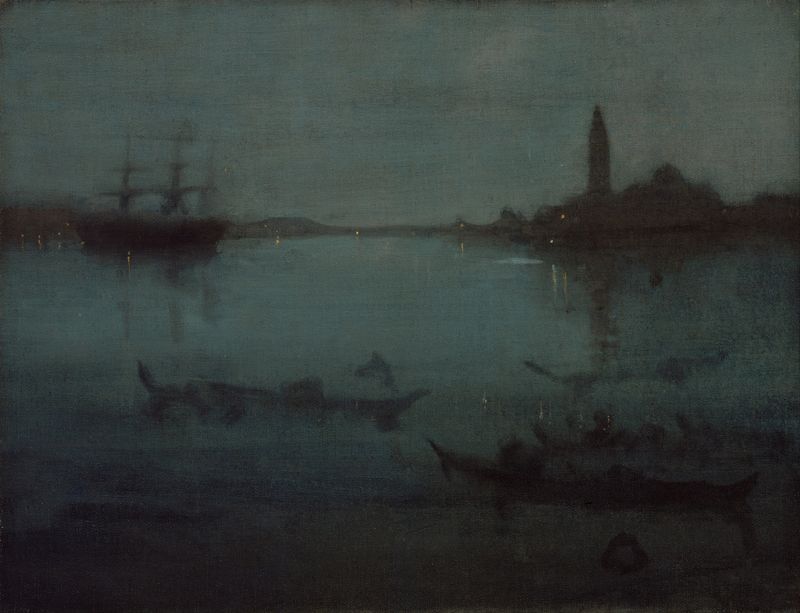
Nocturne in Blue and Silver- The Lagoon, Venice
James Abbott McNeill Whistler
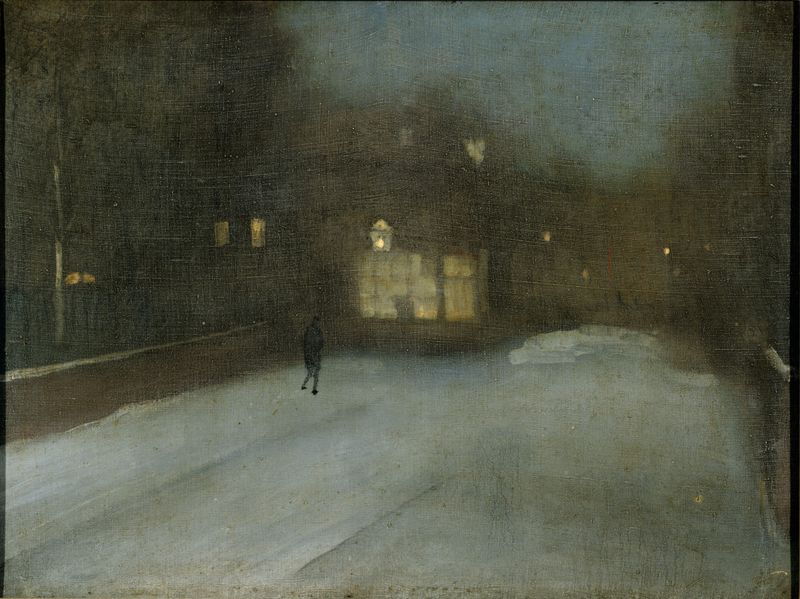
Nocturne in Grey and Gold: Chelsea Snow
James Abbott McNeill Whistler
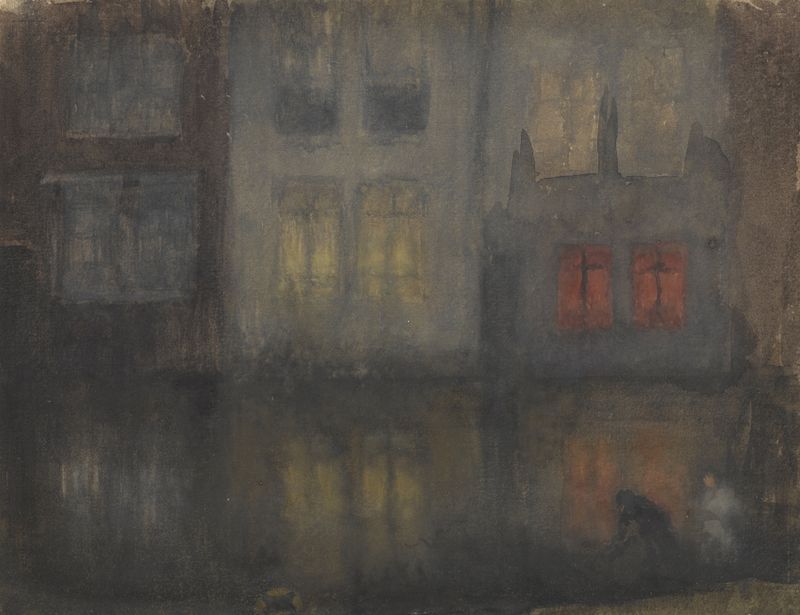
Nocturne: Black and Red—Back Canal, Holland
James Abbott McNeill Whistler
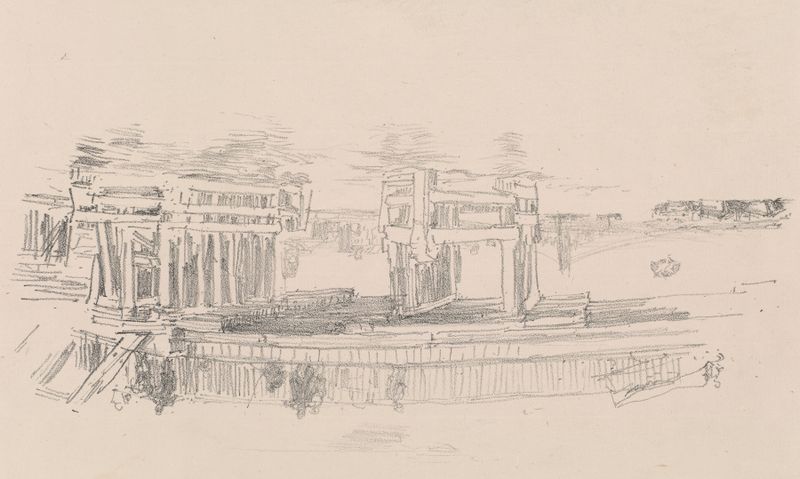
Old Battersea Bridge
James Abbott McNeill Whistler

Nocturne: Blue and Silver–Battersea Reach
James Abbott McNeill Whistler
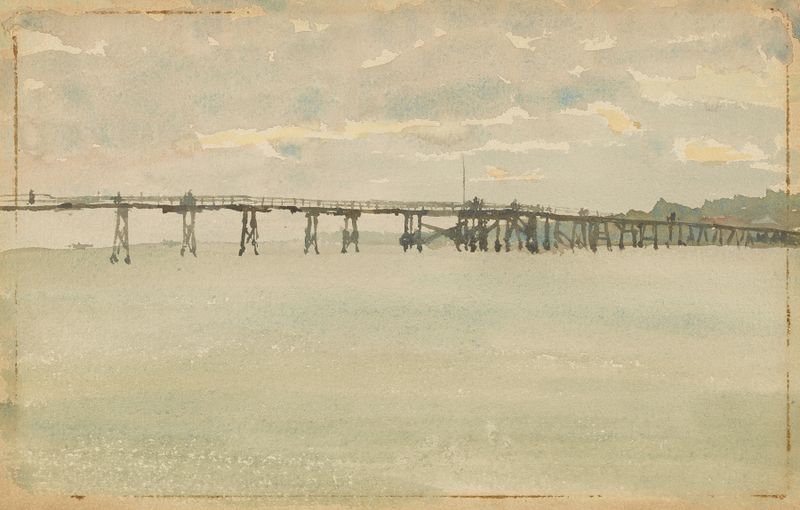
Grey and Silver–Pier, Southend
James Abbott McNeill Whistler