
Symphony in Grey; Early Morning, Thames — History & Facts
When did color learn to lie? In the soft embrace of dawn, the world transforms, as shadows betray their shapes and water whispers secrets to the sky. In Symphony in Grey; Early Morning, Thames, a veil of mist blankets the river, veiling the truth in a shroud of muted hues. Look to the foreground where the wispy tendrils of fog curl above the water’s surface, inviting your gaze to wander. The palette rests on greys and subdued blues, evoking a sense of tranquility yet hinting at something more elusive.
Notice how the light plays delicately upon the water, shimmering in an almost deceptive dance, while the distant silhouettes of boats and buildings seem to meld into a single, harmonious form. Whistler’s deft brushwork captures the ethereal quality of early morning, creating a serene yet haunting atmosphere. Yet beneath this serene visage lies a tension, suggesting a betrayal of perception. The composition, both expansive and intimate, prompts introspection as the viewer grapples with the ambiguity of reality versus illusion.
The dampness of the air seems to seep into the colors, creating a sensation of discomfort while also inviting reflection on the transient nature of life itself. In 1871, Whistler painted this work during his time in London, a period marked by his exploration of tonal harmony and the interplay of light and color. The art world was shifting, with movements pushing against the confines of realism, and Whistler was at the forefront, challenging viewers to reconsider their emotional responses to the visual world. This painting embodies that pivotal moment, capturing both the beauty and the deception inherent in the dawn.
More Artworks by James Abbott McNeill Whistler
Browse all →
Nocturne in Blue and Silver
James Abbott McNeill Whistler
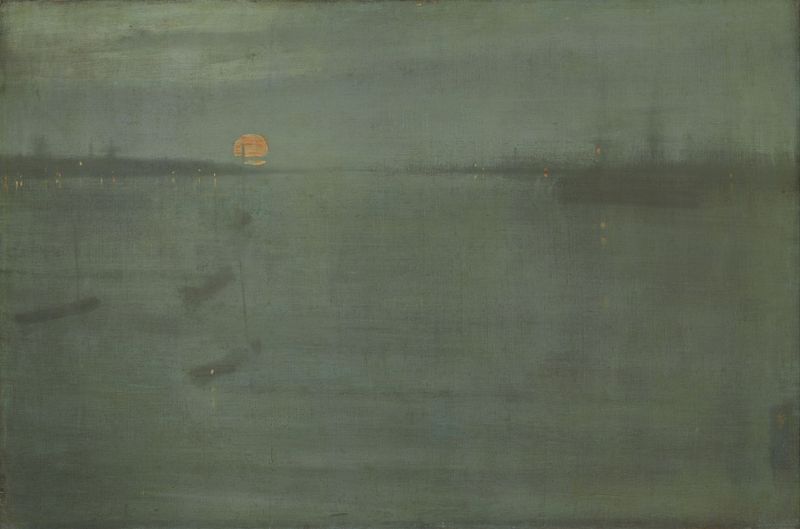
Nocturne: Blue and Gold–Southampton Water
James Abbott McNeill Whistler
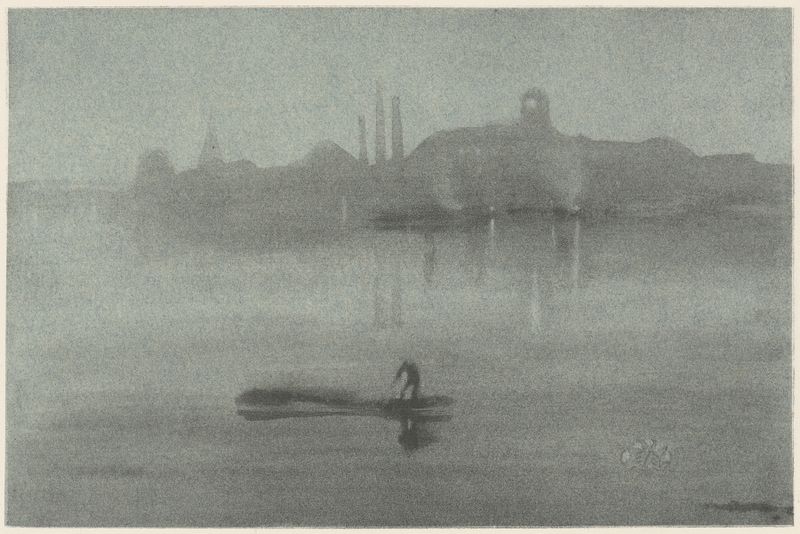
Nocturne
James Abbott McNeill Whistler
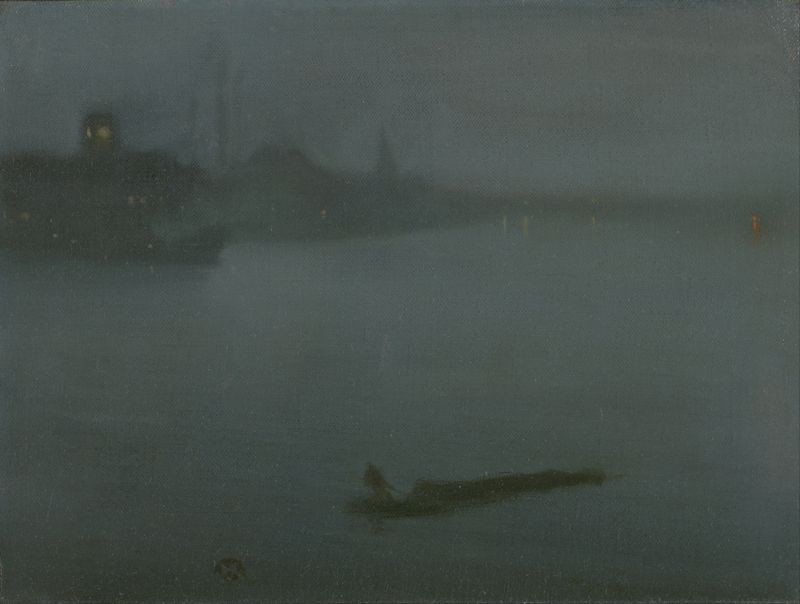
Nocturne in Blue and Silver
James Abbott McNeill Whistler
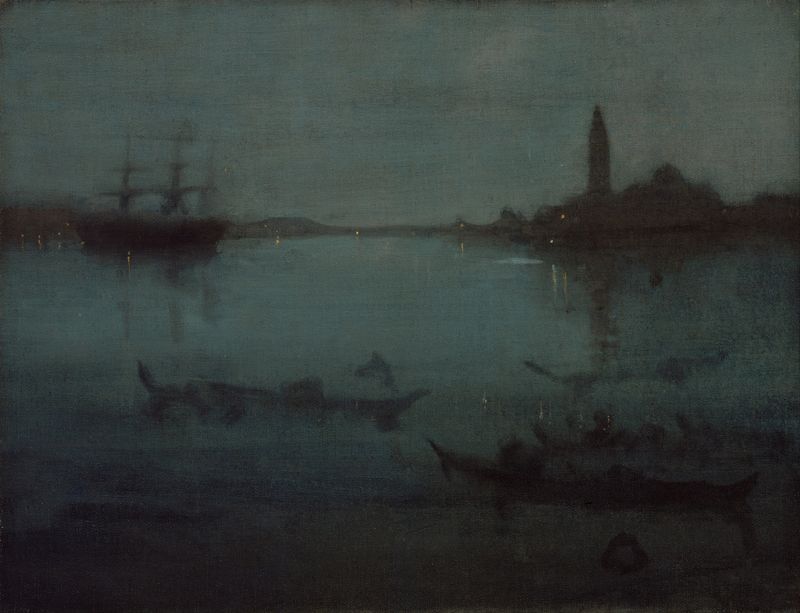
Nocturne in Blue and Silver- The Lagoon, Venice
James Abbott McNeill Whistler
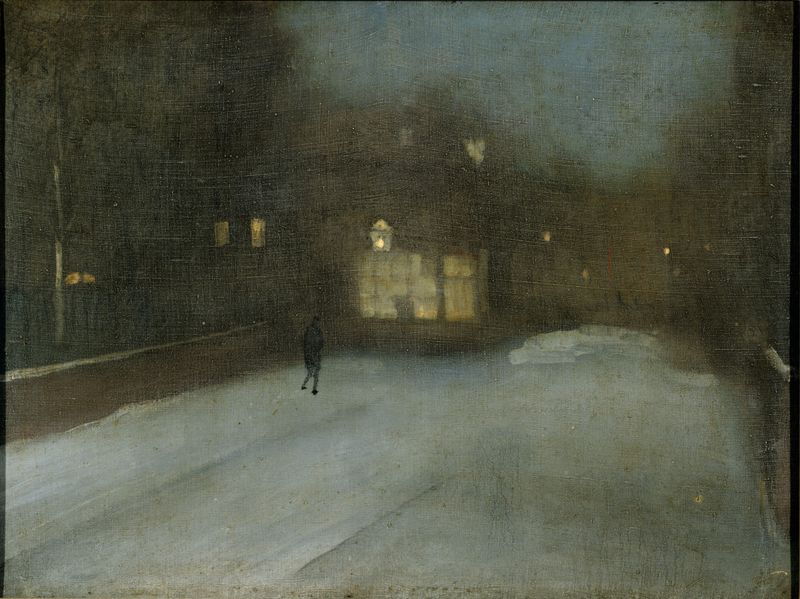
Nocturne in Grey and Gold: Chelsea Snow
James Abbott McNeill Whistler
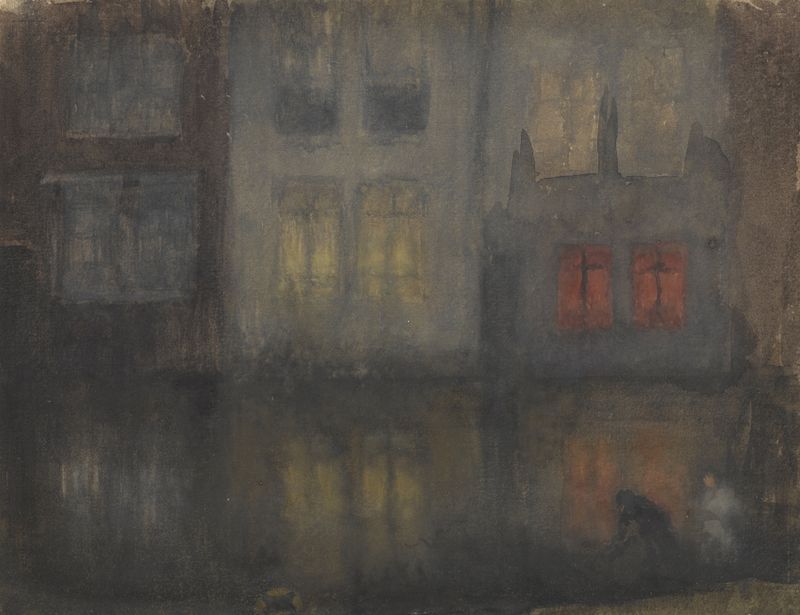
Nocturne: Black and Red—Back Canal, Holland
James Abbott McNeill Whistler
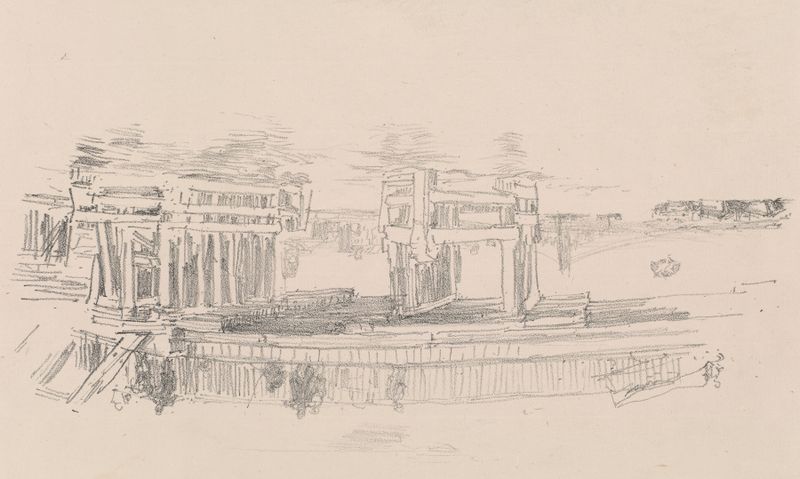
Old Battersea Bridge
James Abbott McNeill Whistler

Nocturne: Blue and Silver–Battersea Reach
James Abbott McNeill Whistler
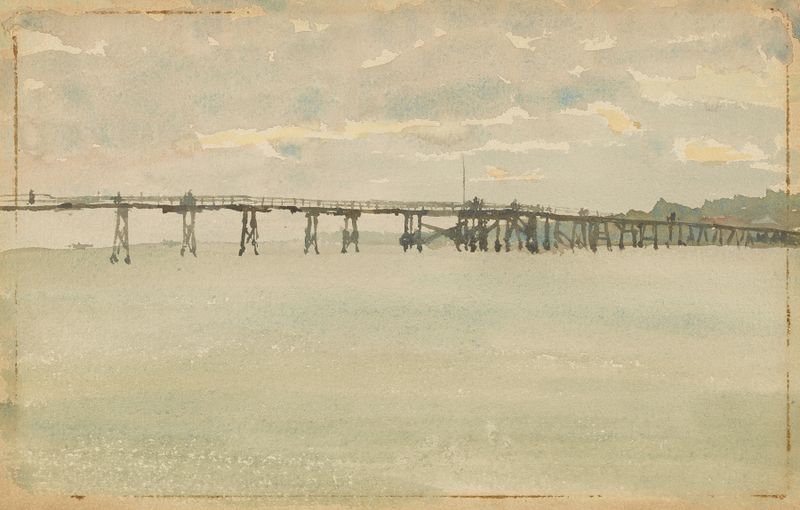
Grey and Silver–Pier, Southend
James Abbott McNeill Whistler





