
Taggia — History & Facts
Memories linger like shadows, revealing the bittersweet nature of what we cherish most. Look closely at the shimmering coastline where the sun kisses the water. The vibrant hues of blue and gold invite your gaze down the gentle slopes of the hills, where Olive trees sway in a whispering breeze. Notice how the intricate brushstrokes breathe life into the scene, capturing both the vibrancy of the landscape and the stillness of a fleeting moment, with shadows forming patterns that hint at the passage of time. The emotional tension within this painting lies in the contrast between the idyllic beauty of the landscape and the undercurrents of longing that flow through it.
Each olive tree stands as a testament to resilience, yet their solitude evokes a sense of nostalgia. The interplay of light and shadow symbolizes the duality of experience—where joy and sorrow coexist, and where paradise can sometimes mask deeper sorrows. Edward Lear painted this work between 1884 and 1885 while in Italy, where he found solace from the turbulent aspects of his life. At this time, Lear was transitioning from his earlier career as a caricaturist and writer to focus more on landscape painting, drawn by the beauty of the Italian countryside amidst a backdrop of personal struggles.
His experiences in this land of light and color fueled his artistic vision, capturing the delicate balance between memory and the present.
More Artworks by Edward Lear
Browse all →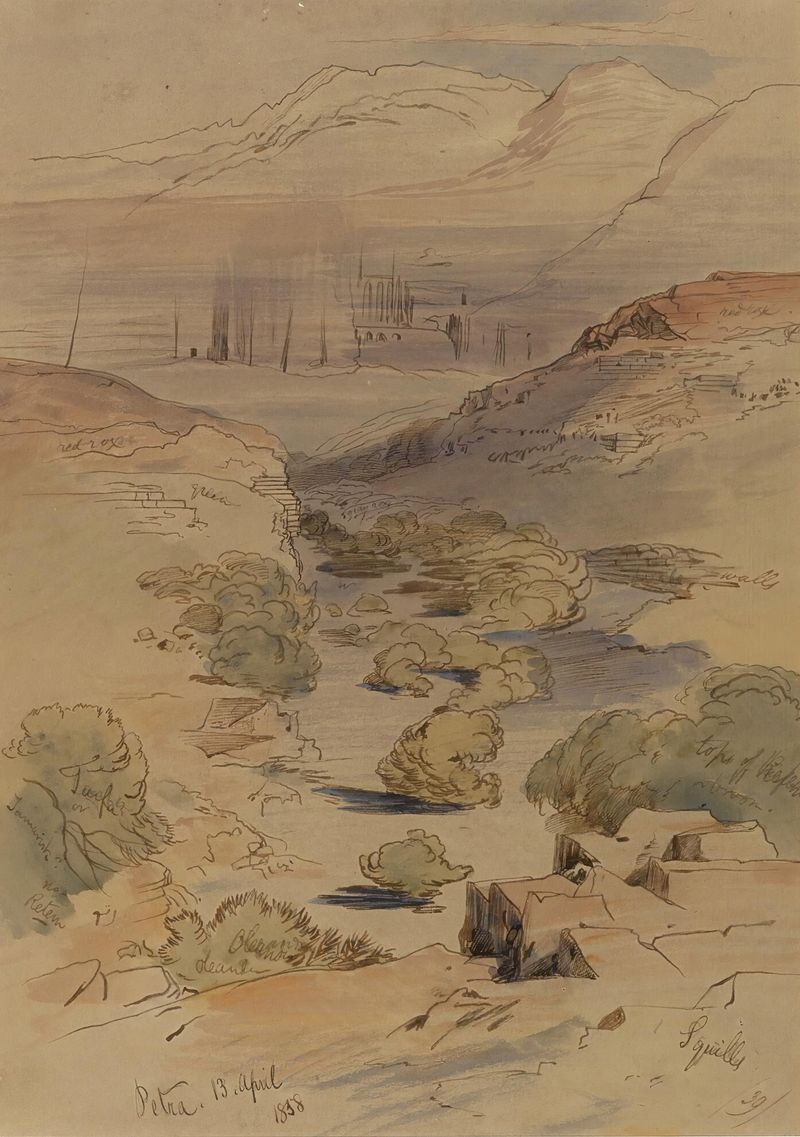
Petra
Edward Lear
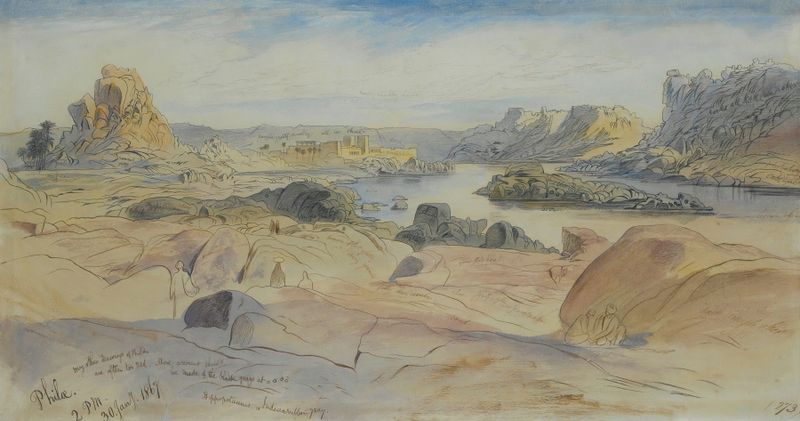
Philae, Egypt
Edward Lear
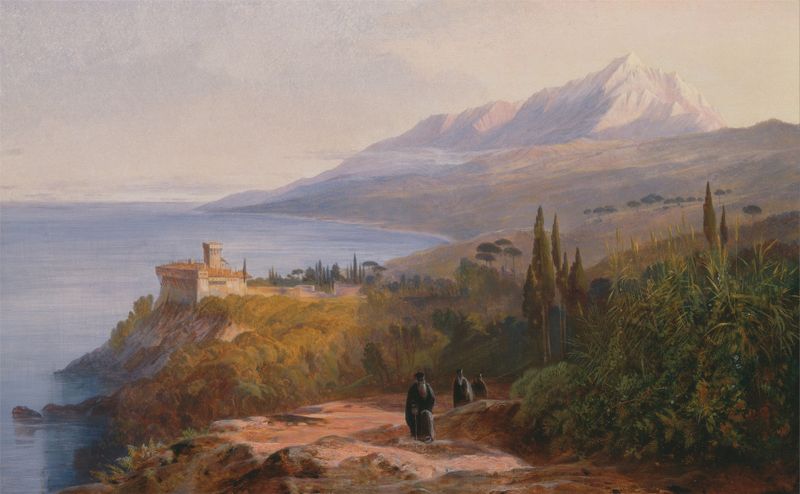
Mount Athos and the Monastery of Stavronikétes
Edward Lear
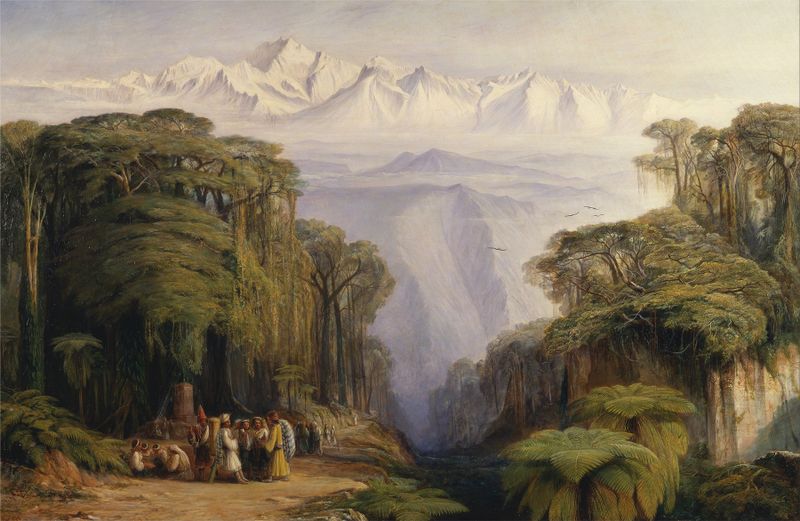
Kangchenjunga from Darjeeling
Edward Lear
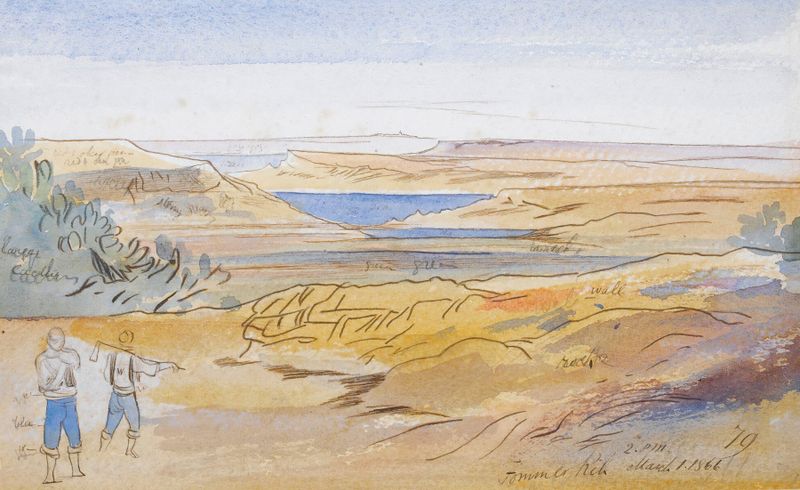
Fomm Ir-Rih, Malta
Edward Lear
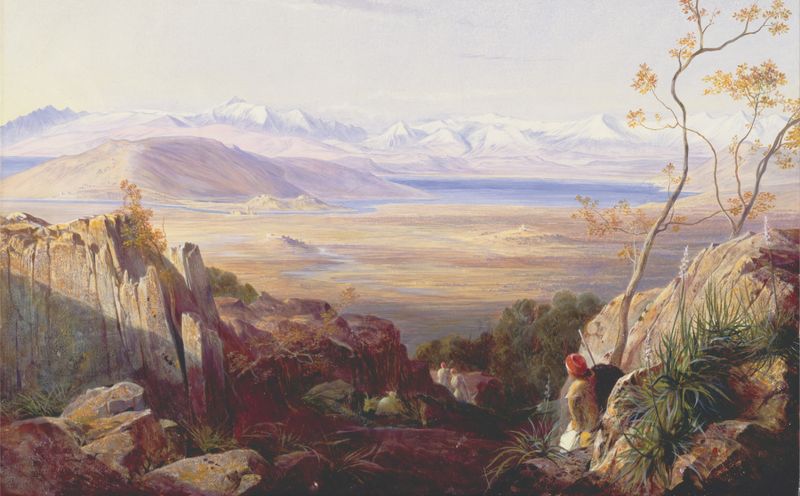
Butrinto, Albania
Edward Lear
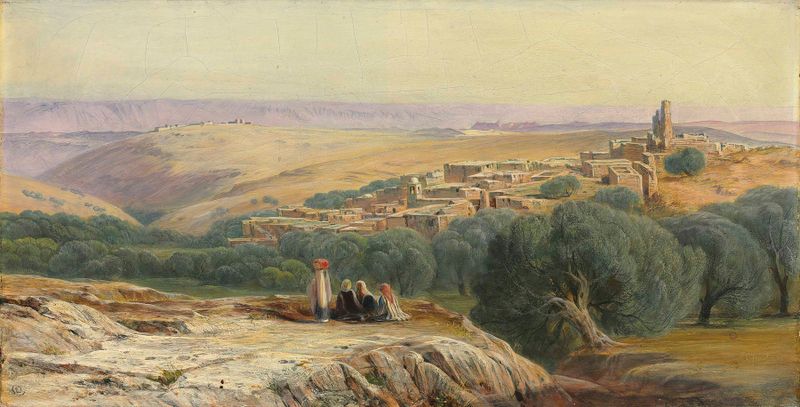
The Plains of Bethany
Edward Lear

Karnak, 9-30 pm, 22 January 1867
Edward Lear
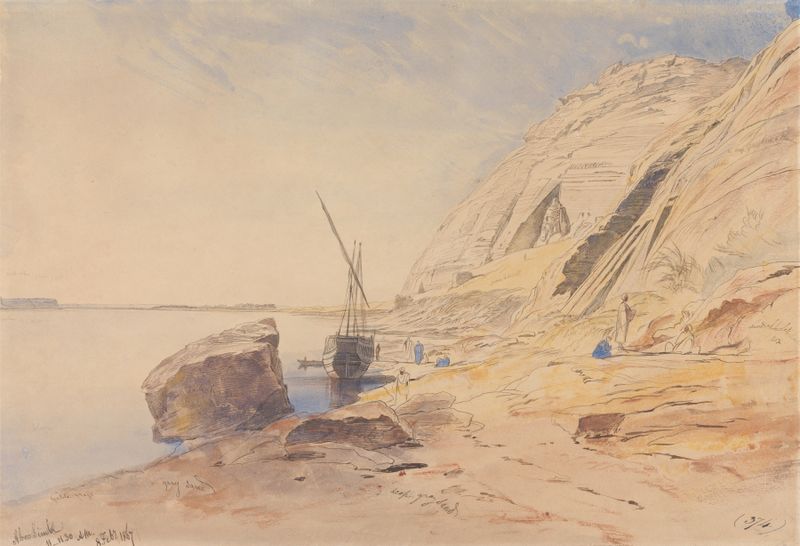
Abu Simbel, 11-11;30 am, 8 February 1867 (374)
Edward Lear

A View Of Mount Athos And The Pantokrator Monastery, Greece
Edward Lear





