
Tago no ura no yube (Evening at Tago Bay) — History & Facts
Can paint confess what words never could? In the delicate twilight of Tago no ura no yube, the whispers of water and sky intertwine like secrets shared between lovers, crafting a legacy that transcends language. Look to the right at the tranquil bay, where boats bob gently on the water's surface, their reflections blending seamlessly with the dusky hues of the sky. Notice how the soft palette of blues and purples, punctuated by the warm glow of the setting sun, creates a serene atmosphere. The artist's precise brushwork brings the scene to life, allowing the viewer to feel the gentle caress of the evening breeze.
The composition draws the eye inward, creating a sense of depth that mirrors the emotional layers of the moment captured. Beneath the calm surface, there lies a profound contrast between the fleeting beauty of dusk and the transient nature of life itself. The boats, seemingly anchored in stillness, evoke a sense of longing and nostalgia, hinting at journeys both past and yet to come. The interplay of light and shadow speaks to the duality of existence, where endings and beginnings coexist, making the viewer ponder their own experiences of time and memory. Kawase Hasui painted Tago no ura no yube in 1940, during a time of significant change in Japan and the world of art.
He was deeply influenced by the traditional Ukiyo-e style while also seeking to modernize it through his prints and landscapes. This period was marked by social upheaval, yet Hasui's work focused on capturing the serene beauty of nature, leaving behind a legacy that resonates with those seeking solace in the quiet moments of life.
More Artworks by Kawase Hasui
Browse all →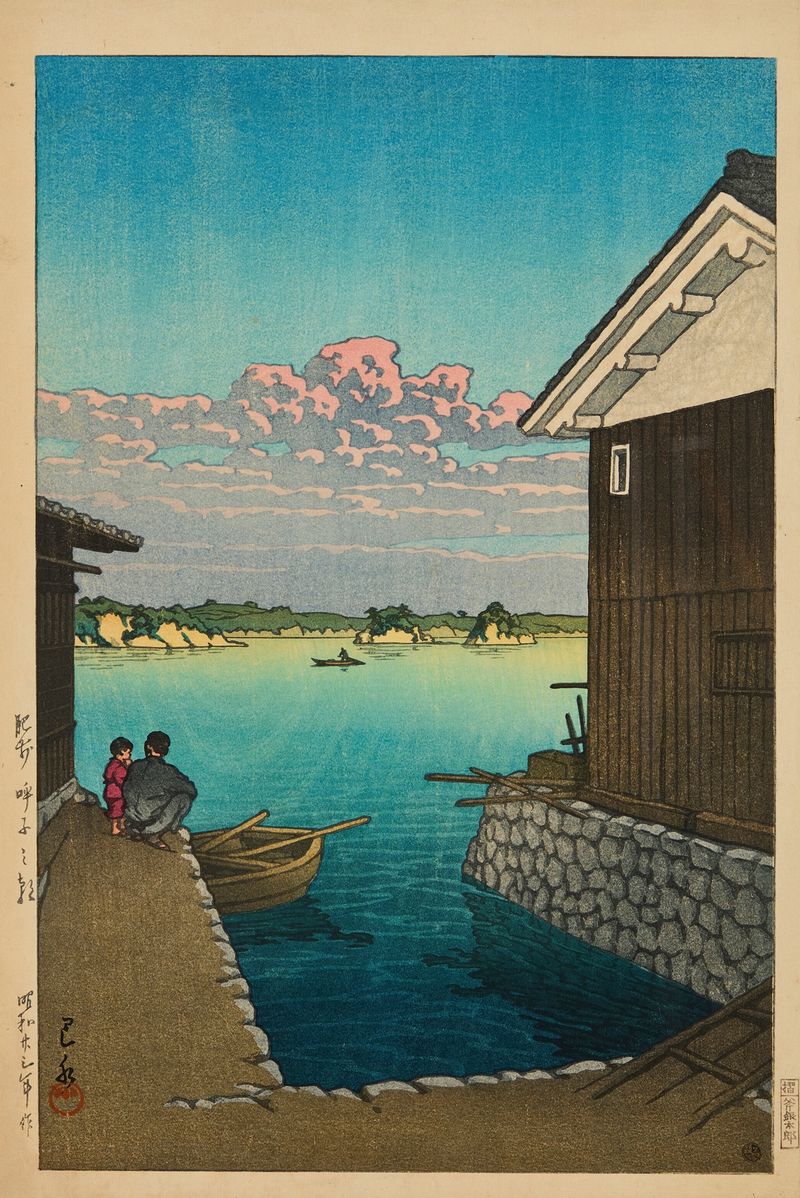
Hizen Yobuko no asa (Morning in Yobuko, Hizen)
Kawase Hasui
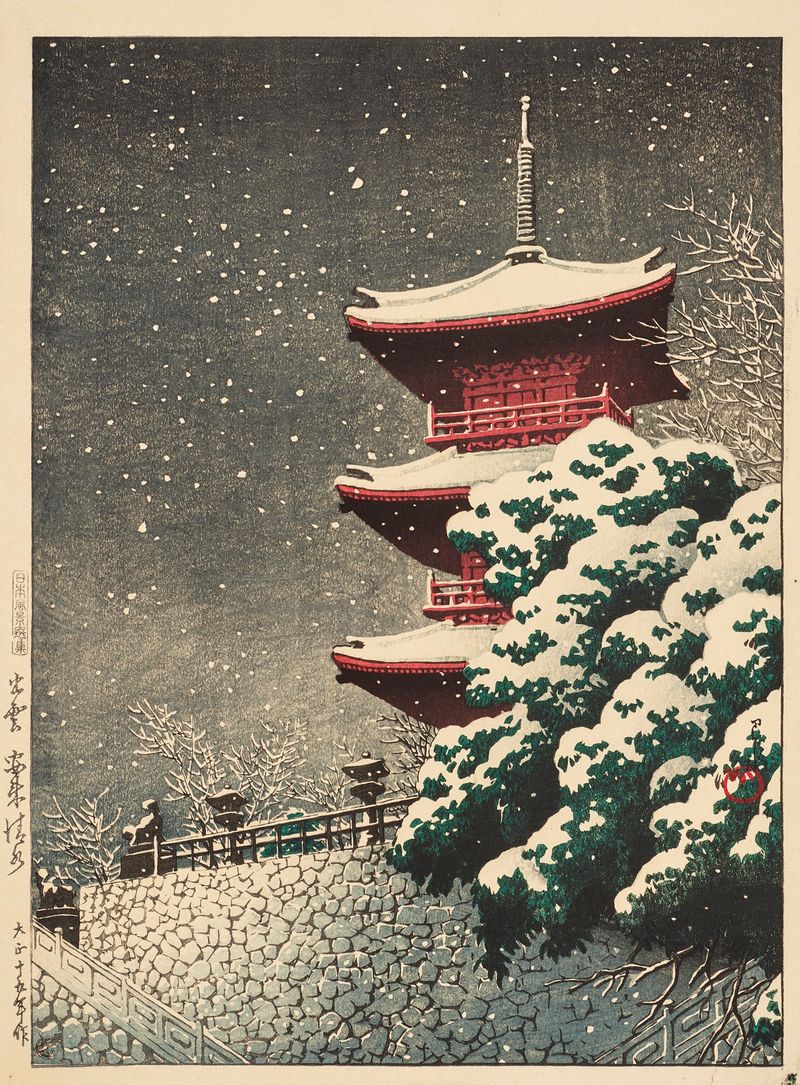
Izumo, Yasugi Kiyomizu (Yasugi Kiyomizu Temple at Izumo)
Kawase Hasui
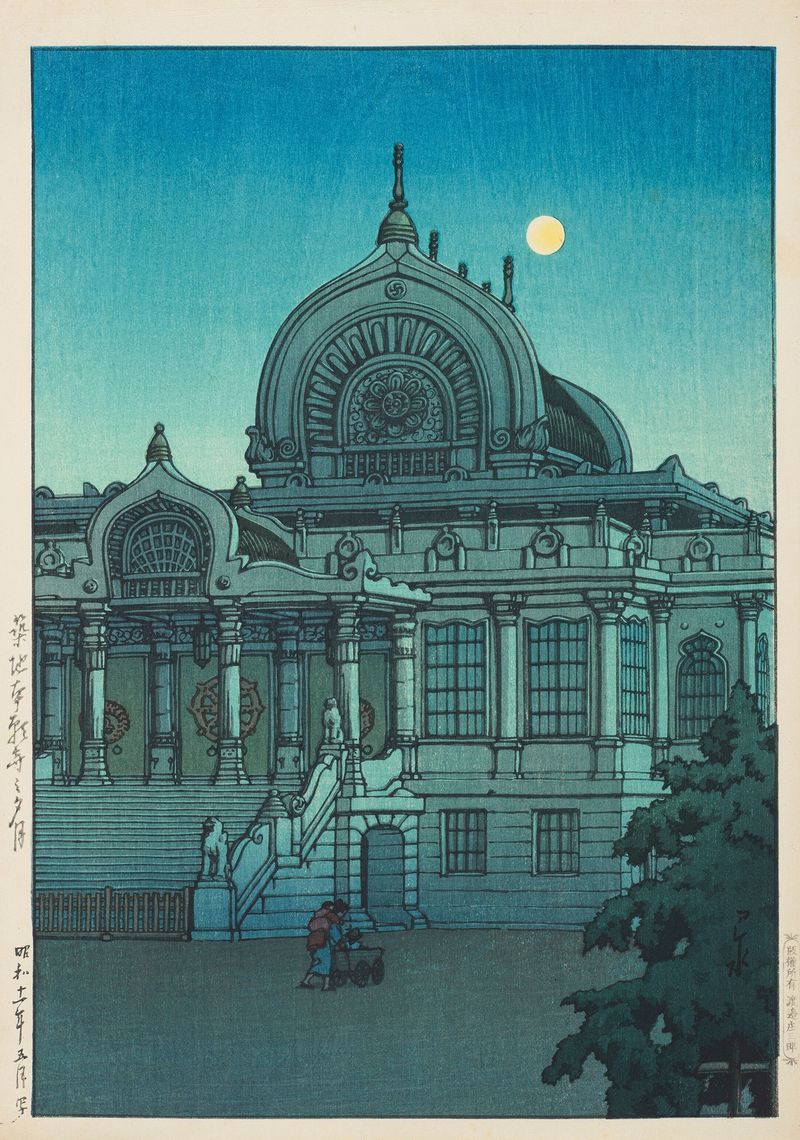
Tsukiji Honganji no yuzuki (Evening moon at Honganji Temple in Tsukiji)
Kawase Hasui
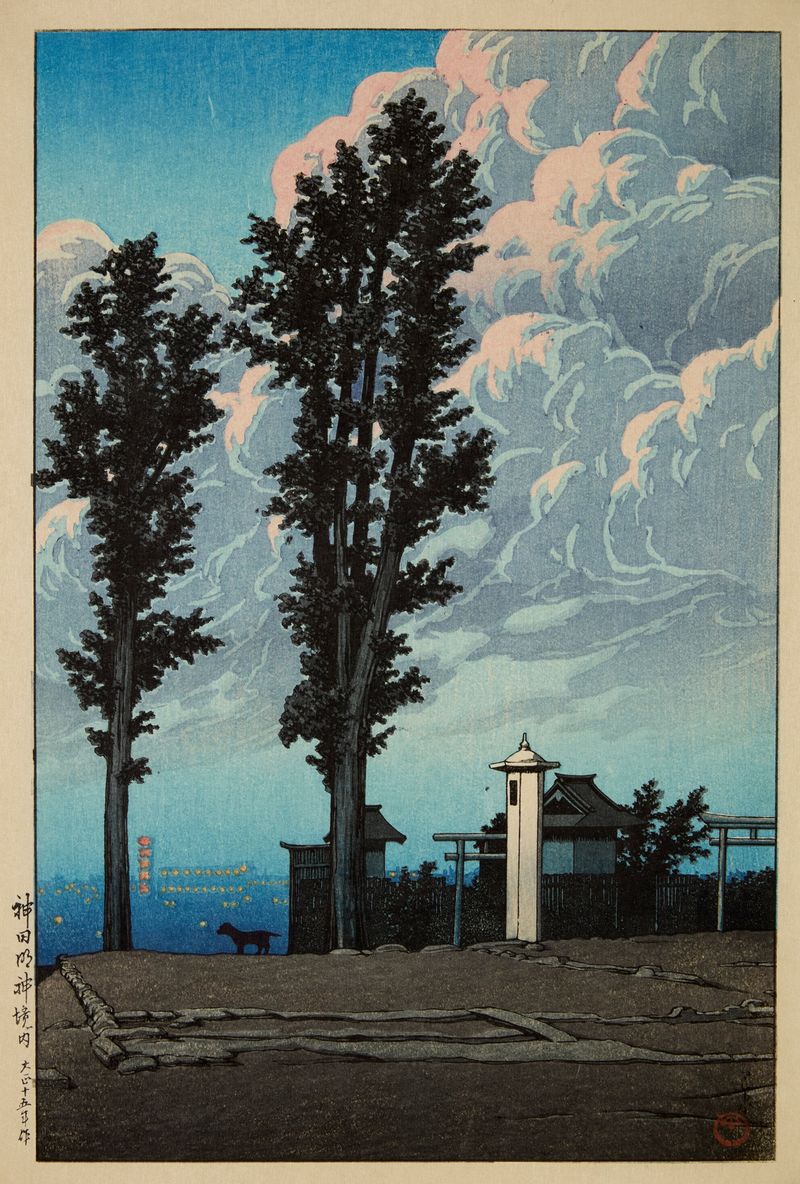
Kanda Myojin keidai (Kanda Myojin Shrine precent)
Kawase Hasui
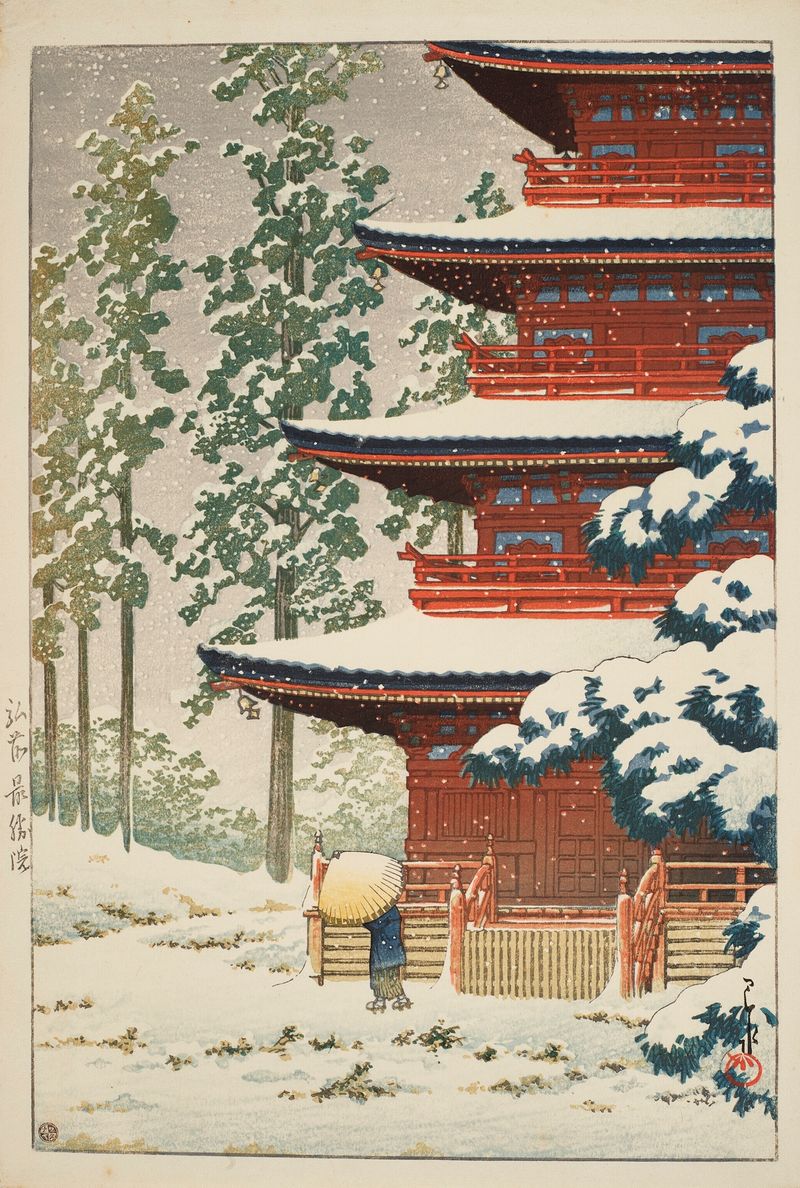
Saisho-in Temple, Hirosaki
Kawase Hasui
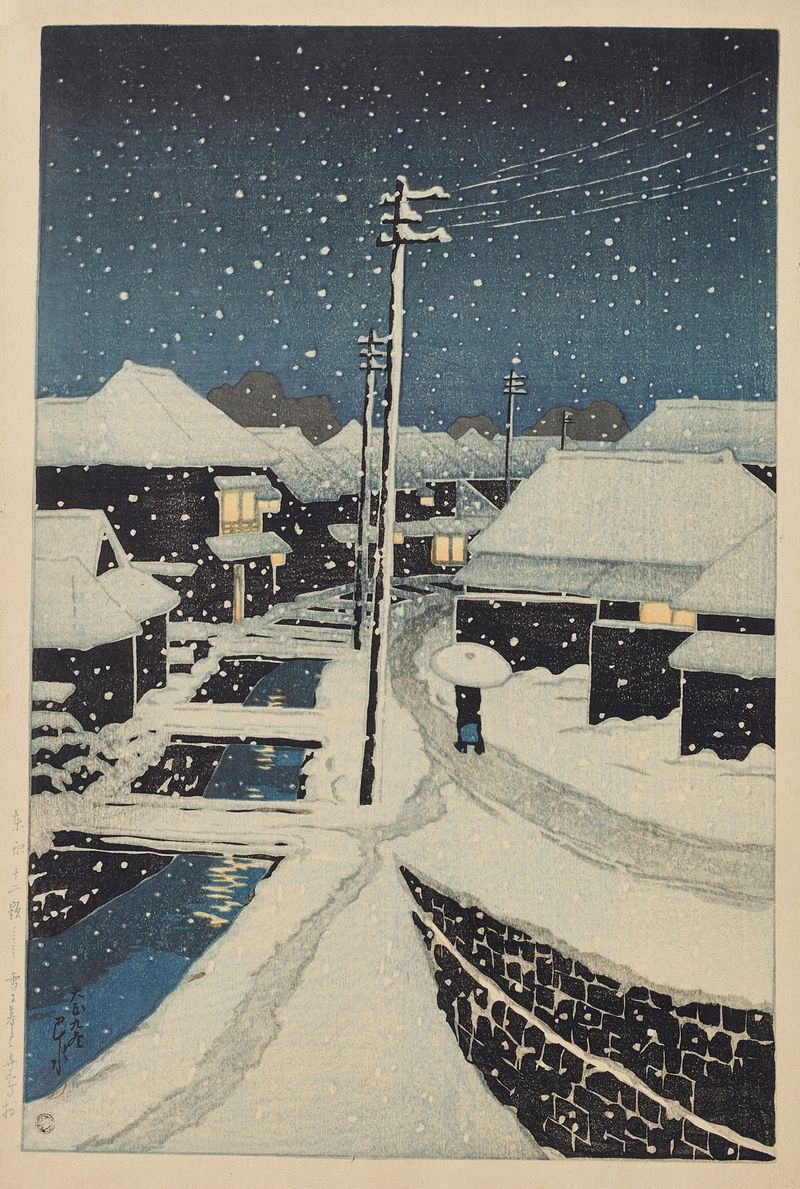
Yuki ni fururu Terajima mura (Evening snow at Terajima Village)
Kawase Hasui
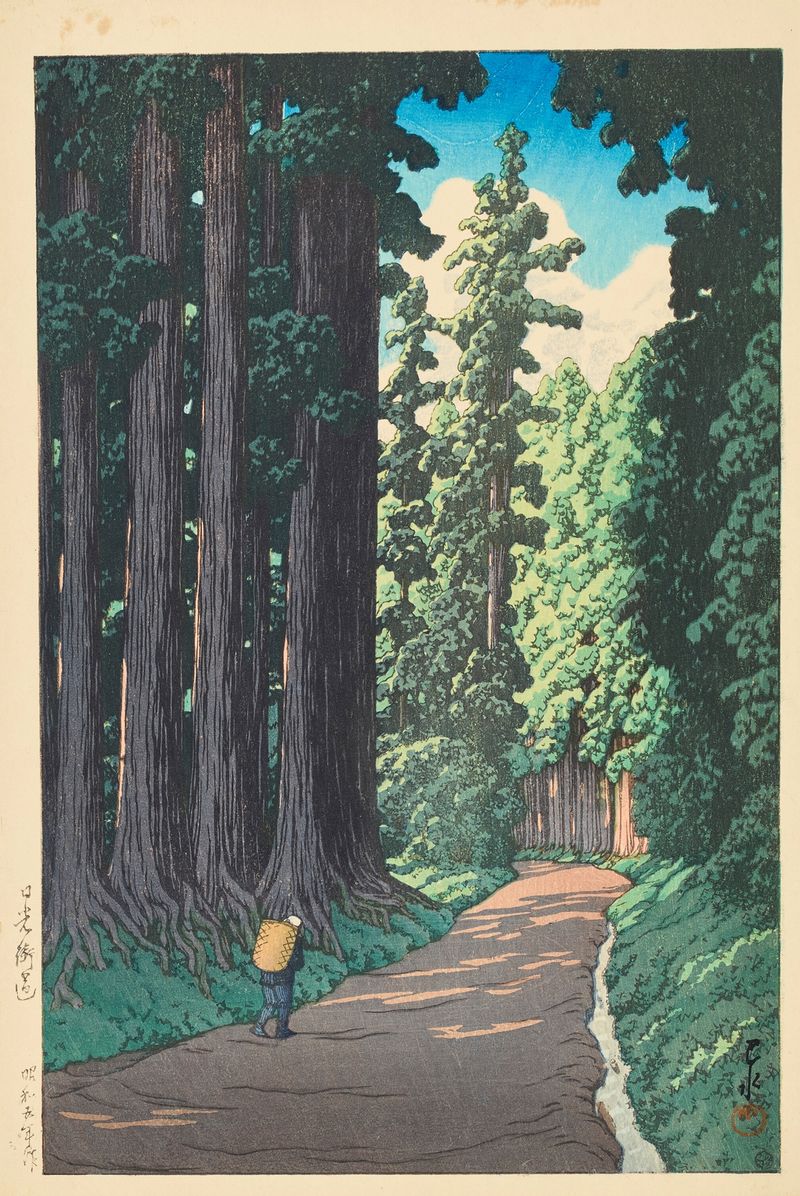
Nikko gaido (The Road to Nikko)
Kawase Hasui
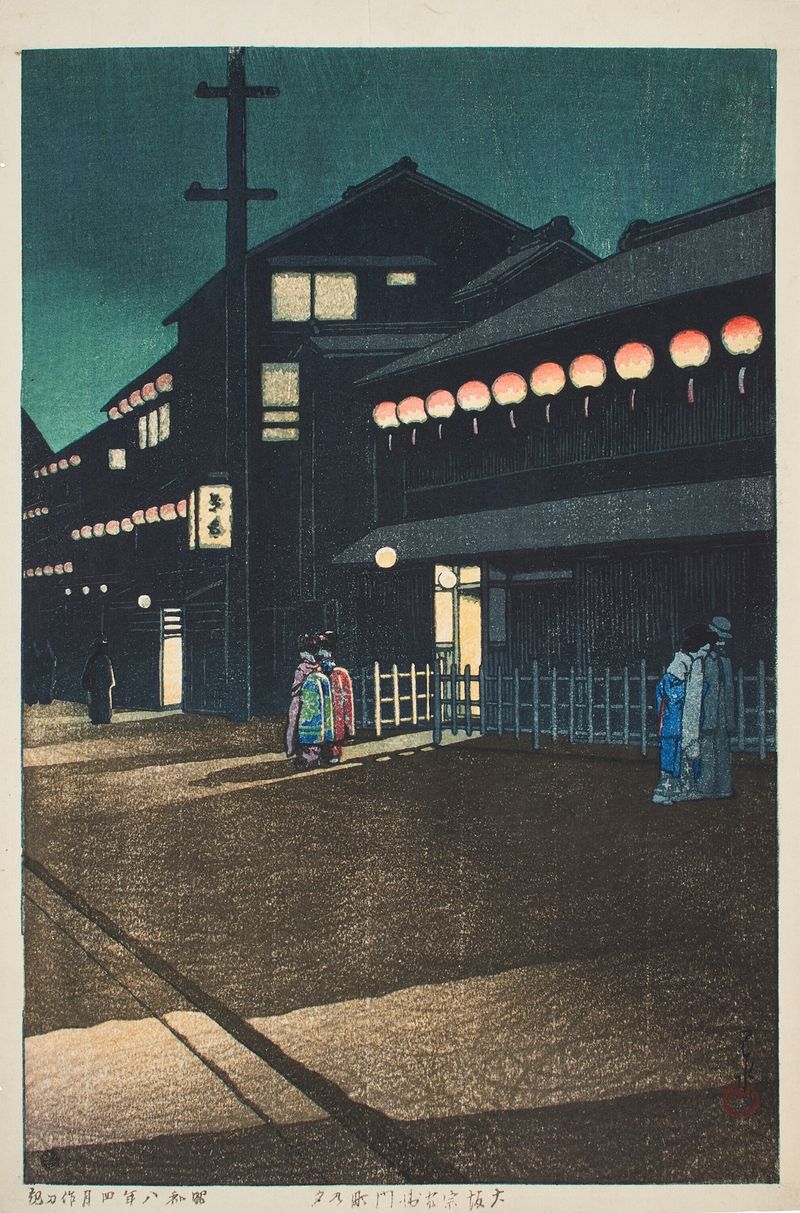
Osaka Soemon-cho no yu (Evening in Soemon-cho, Osaka)
Kawase Hasui
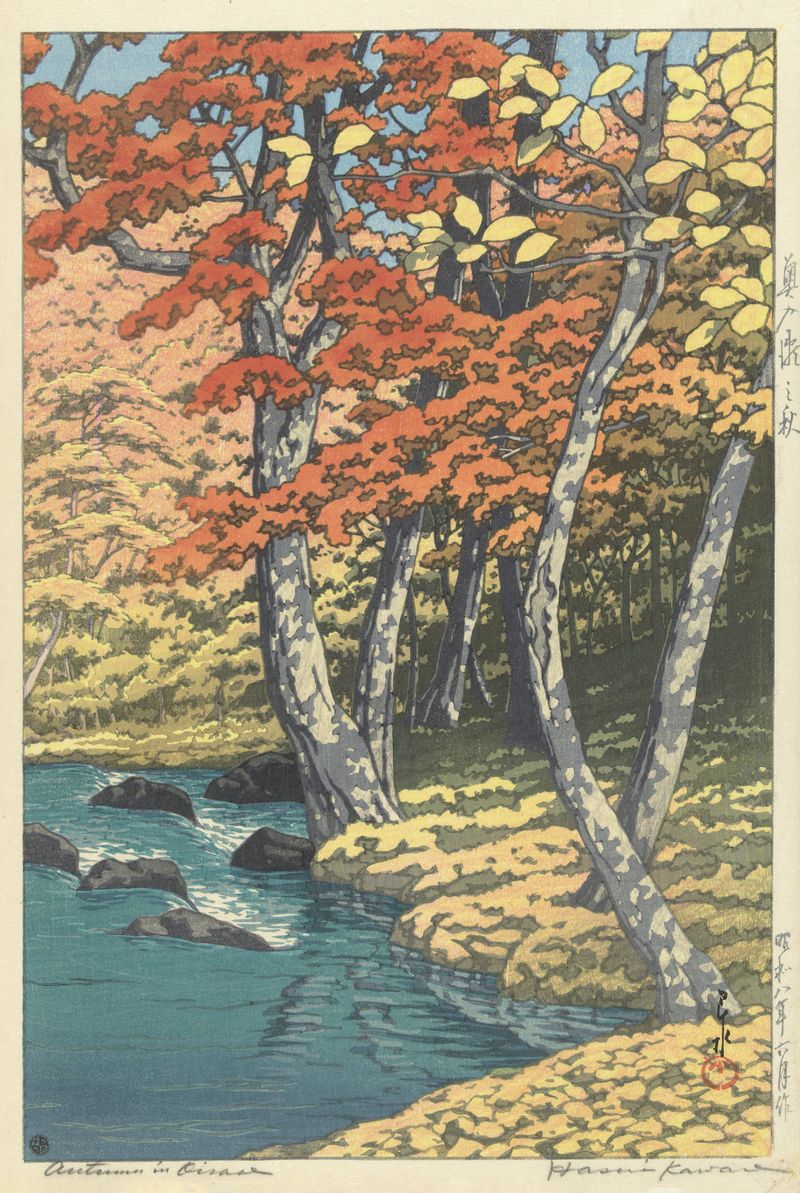
Autumn In Oirase
Kawase Hasui
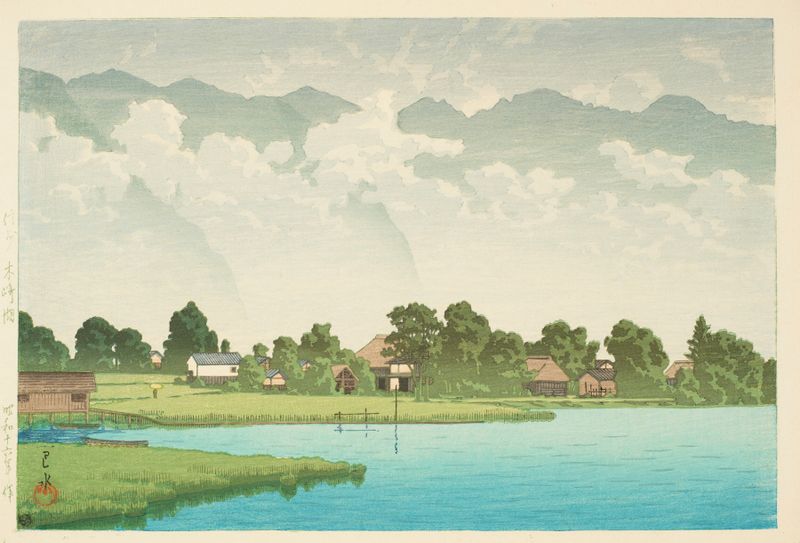
Shinshu Kizakiko (Kizaki Lake in Shinshu)
Kawase Hasui





