
Taji Maharu no niwa, yoru, daini (Taj Mahal, night, no.2) — History & Facts
In the hushed embrace of twilight, art becomes a delicate vessel for the fleeting essence of beauty. Look to the center where the Taj Mahal rises, an ethereal silhouette against the twilight sky. The soft strokes of deep blues and purples envelop the monument, emphasizing its grandeur yet imparting a sense of fragility. The moonlight’s gentle glow caresses the marble surface, creating a shimmering contrast that invites the viewer to explore the intricate details of the architectural marvel and the surrounding landscape.
Notice how the composition balances symmetry and asymmetry, drawing the eye toward the reflective waters that mirror this iconic structure, blurring the lines between reality and dream. In this work, hidden meanings emerge, whispering of transience and memory. The Taj Mahal, a symbol of enduring love, stands illuminated yet fragile, a reminder that even the most monumental creations are subject to the ravages of time. The interplay of darkness and light evokes a sense of longing, while the calm waters suggest a moment frozen, capturing what is beautiful yet ephemeral.
This duality invites contemplation on the nature of existence and the inevitable passage of time. In 1931, while Japan was navigating the complexities of modernization, Taji Maharu no niwa, yoru, daini encapsulated a moment both personal and universal for Yoshida Hiroshi. Known for his woodblock prints that merged traditional techniques with contemporary themes, he sought to capture the essence of places on the brink of change. During this period, he gained recognition for his ability to portray the emotional resonance of landscapes, fulfilling his desire to create art that transcends time.
More Artworks by Yoshida Hiroshi
Browse all →
Crytomeria Avenue (Sugi Namiki)
Yoshida Hiroshi
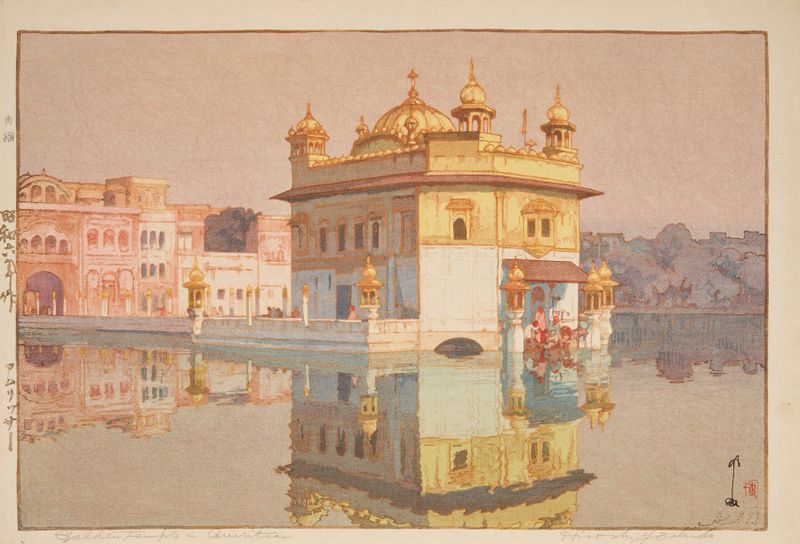
Amurissaa (Golden Temple in Amritsar)
Yoshida Hiroshi

High Gate in Ajmer (Ajumeru no Berenderuwajaa)
Yoshida Hiroshi

Fujiyama from Gotemba
Yoshida Hiroshi
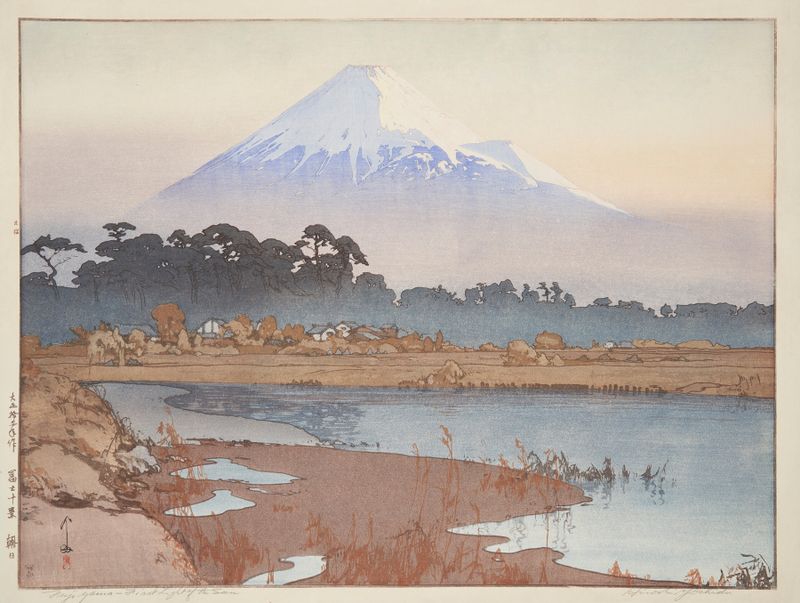
Asahi (Sunrise).
Yoshida Hiroshi
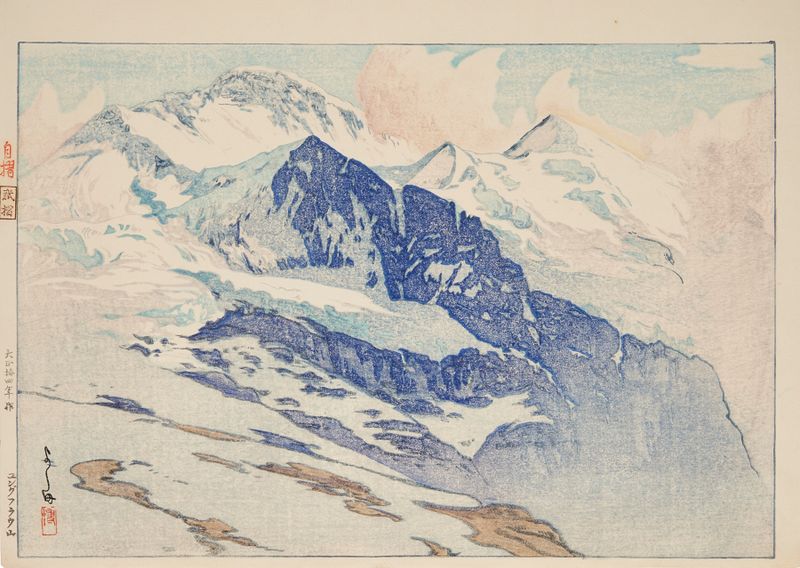
Yungufurau-yama (Jungfrau)
Yoshida Hiroshi
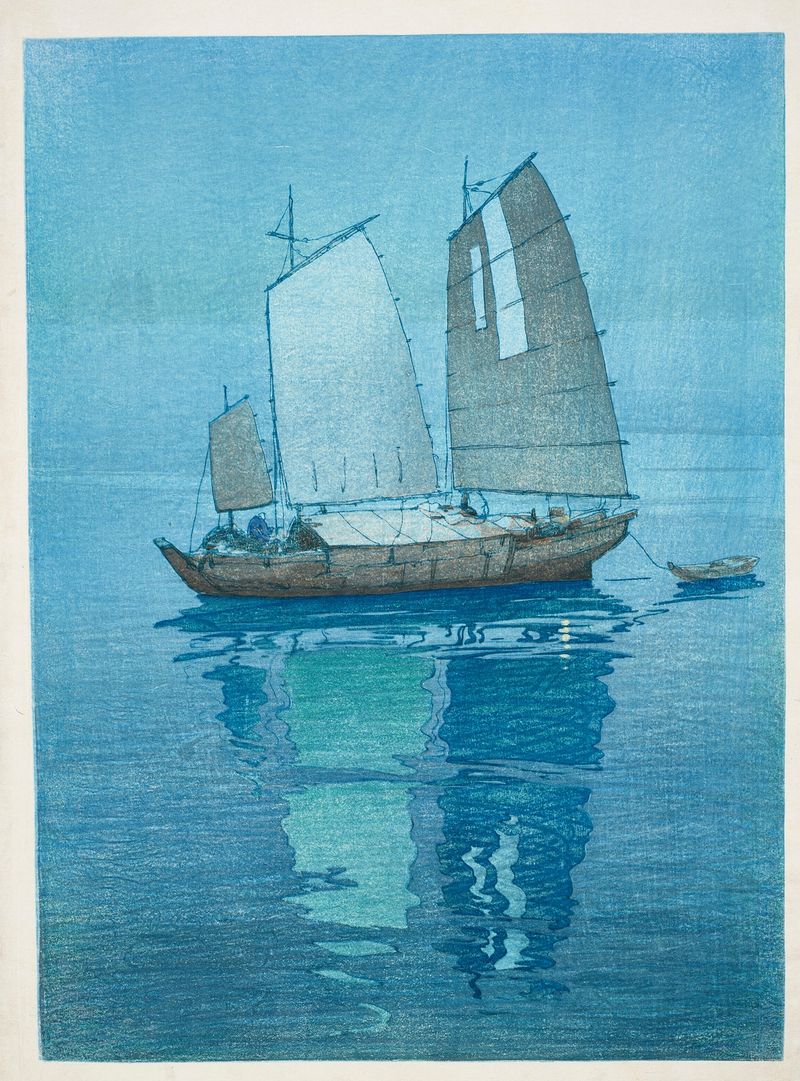
Hansen (Sailing Boats)
Yoshida Hiroshi
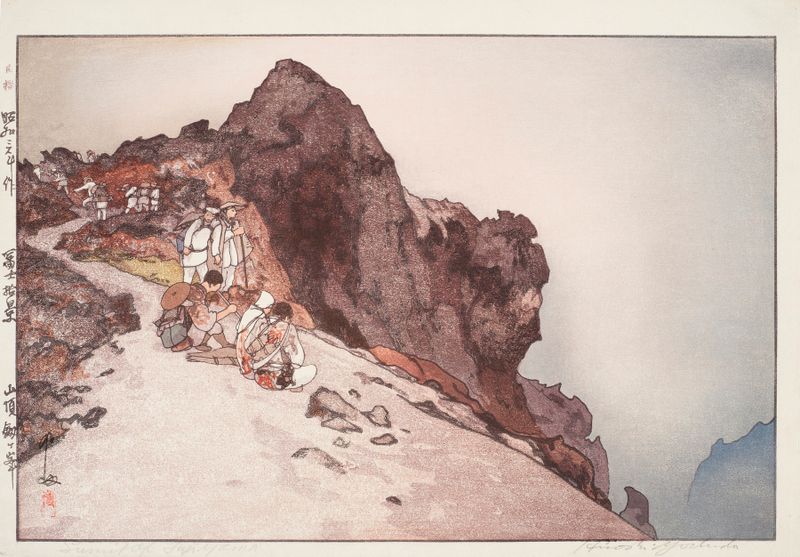
Summit of Mount Fuji
Yoshida Hiroshi

Sailing Boats — Night, from the series ‘The Seto Inland Sea’
Yoshida Hiroshi
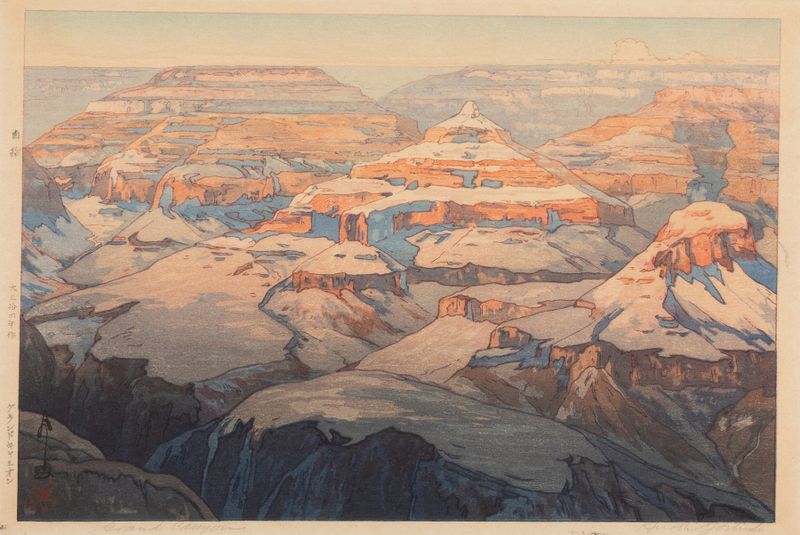
Grand Canyon (Gurando Kyanion)
Yoshida Hiroshi
More Architecture Art
Browse all →
The statue of Liberty
Frédéric Auguste Bartholdi

View of Houses in Delft, Known as ‘The Little Street’
Johannes Vermeer

View of Houses in Delft, Known as ‘The Little Street’
Johannes Vermeer

The Cathedral in Rouen. The portal, Grey Weather
Claude Monet

The yellow house
Vincent van Gogh

The Church in Auvers-sur-Oise, View from the Chevet
Vincent van Gogh