
Tale of the Rat (Nezumi zōshi emaki) — History & Facts
Is this a mirror — or a memory? In Tale of the Rat, the viewer is invited to ponder the nature of transformation, where the ordinary morphs into the extraordinary. Focus your gaze on the intricate brushwork that brings the vivid narrative to life. The rich pigments of gold and indigo set against the delicate rice paper capture a fantastical world where rats are not mere vermin but characters full of agency and nuance. Notice how the composition unfolds across the scroll, guiding your eyes through a whimsical journey.
Each scene is framed with a careful balance of chaos and order, creating a rhythmic flow that mirrors the cycles of life. Within this work lies the tension between the mundane and the magical. The rats, depicted in various states of human-like behavior, suggest a deeper commentary on social hierarchy and transformation. Look closely at the subtle, expressive gestures — a rat glancing over its shoulder, another engaged in conversation — each detail resonates with a sense of urgency and relatability.
This dance between species raises questions about identity and the thin veil that separates humanity from the animal realm. Tosa Mitsunobu created this piece in 1469 during the Muromachi period, a time marked by political instability and cultural flourishing in Japan. As a prominent painter of the Kanō school, Mitsunobu was instrumental in merging traditional styles with new, innovative techniques. This work reflects the era's fascination with storytelling and the fantastical, inviting viewers to reflect on their own transformations amidst the turbulence of life.
More Artworks by Tosa Mitsunobu
Browse all →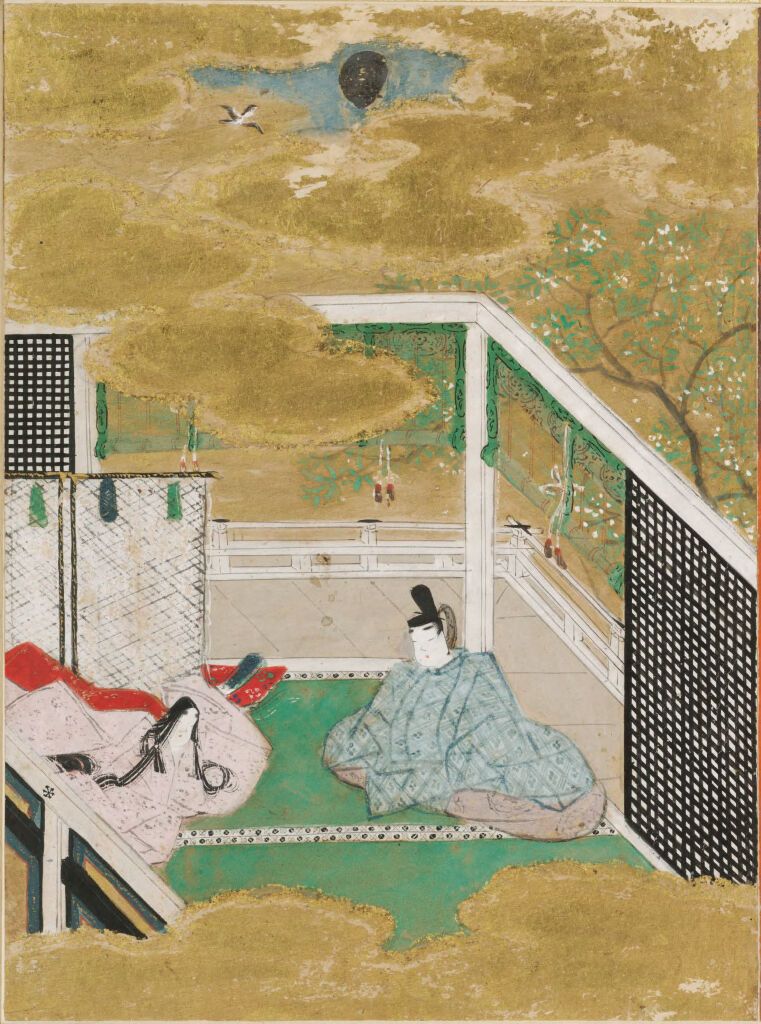
Falling Flowers (Hanachirusato), Illustration to Chapter 11 of the Tale of Genji (Genji monogatari)
Tosa Mitsunobu
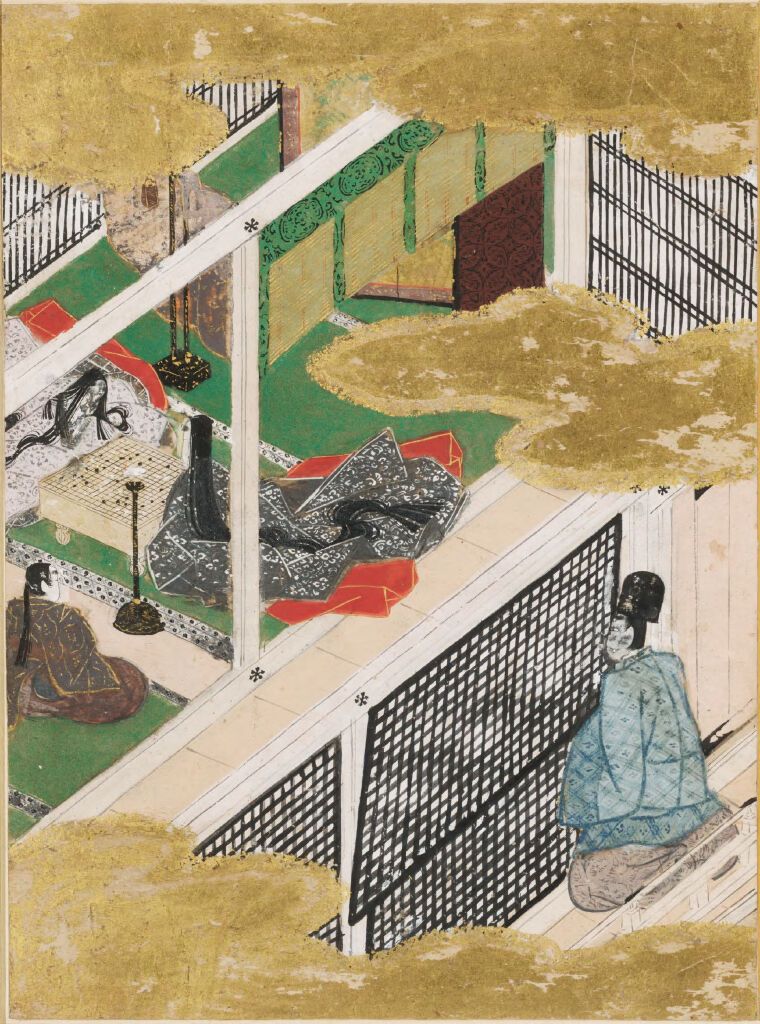
The Cicada Shell (Utsusemi), Illustration to Chapter 3 of the Tale of Genji (Genji monogatari)
Tosa Mitsunobu
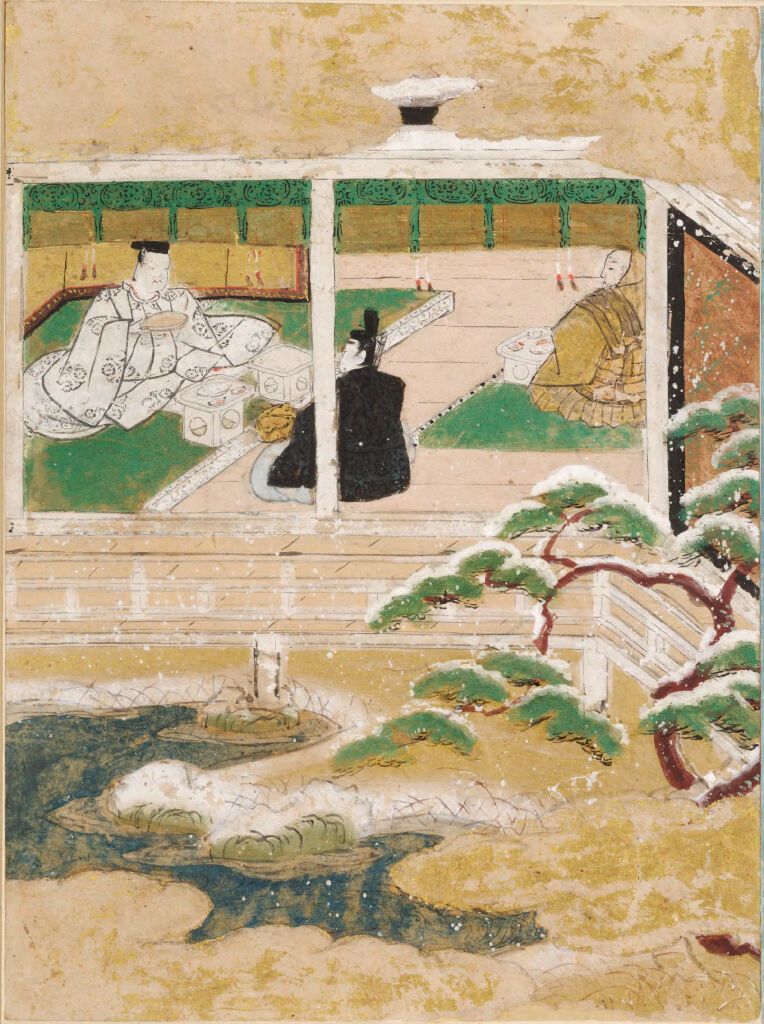
The Seer (Maboroshi), Illustration to Chapter 41 of the Tale of Genji (Genji monogatari)
Tosa Mitsunobu
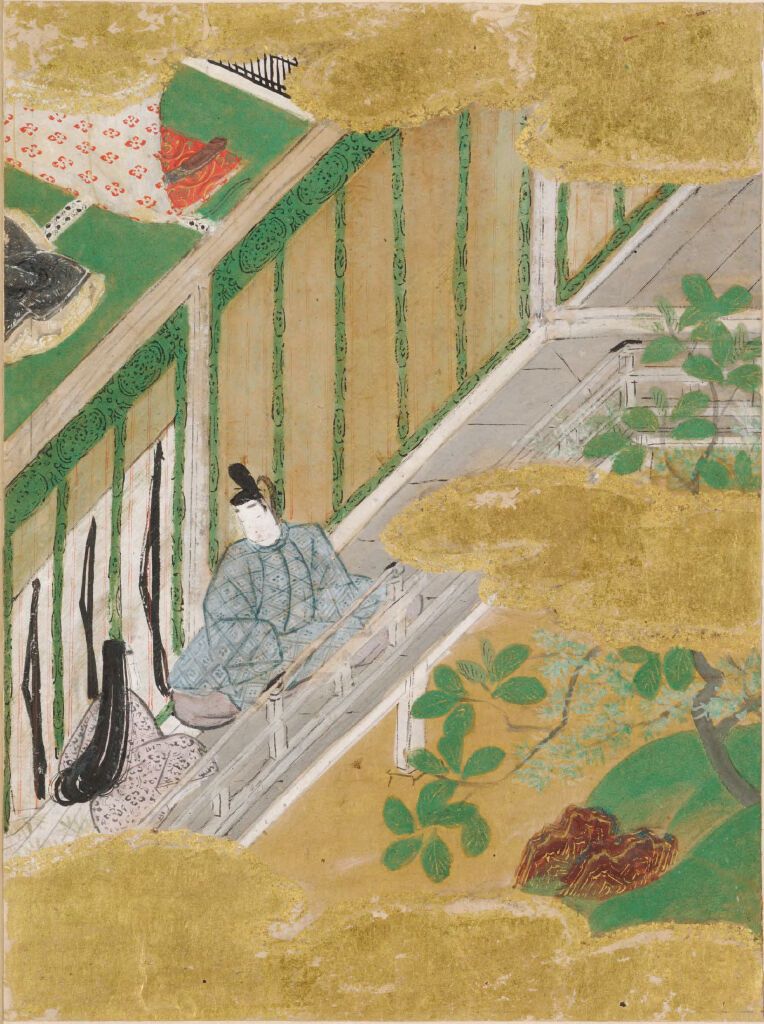
The Oak Tree (Kashiwagi), Illustration to Chapter 36 of the Tale of Genji (Genji monogatari)
Tosa Mitsunobu
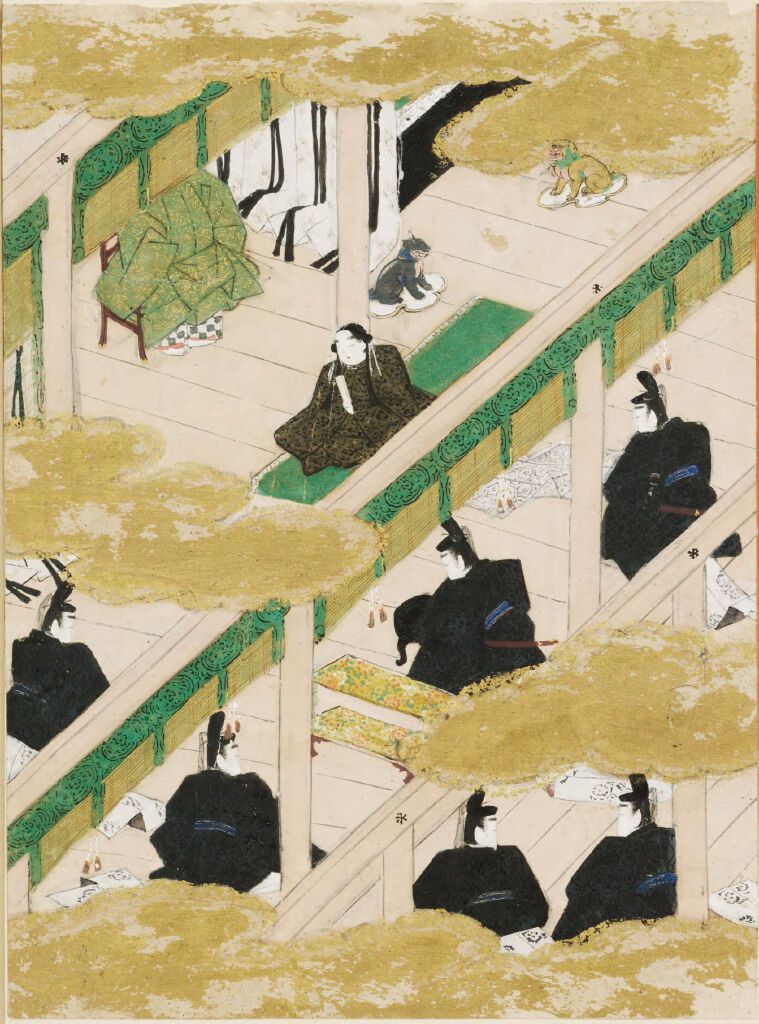
The Paulownia Pavilion (Kiritsubo), Illustration to Chapter 1 of the Tale of Genji (Genji monogatari)
Tosa Mitsunobu
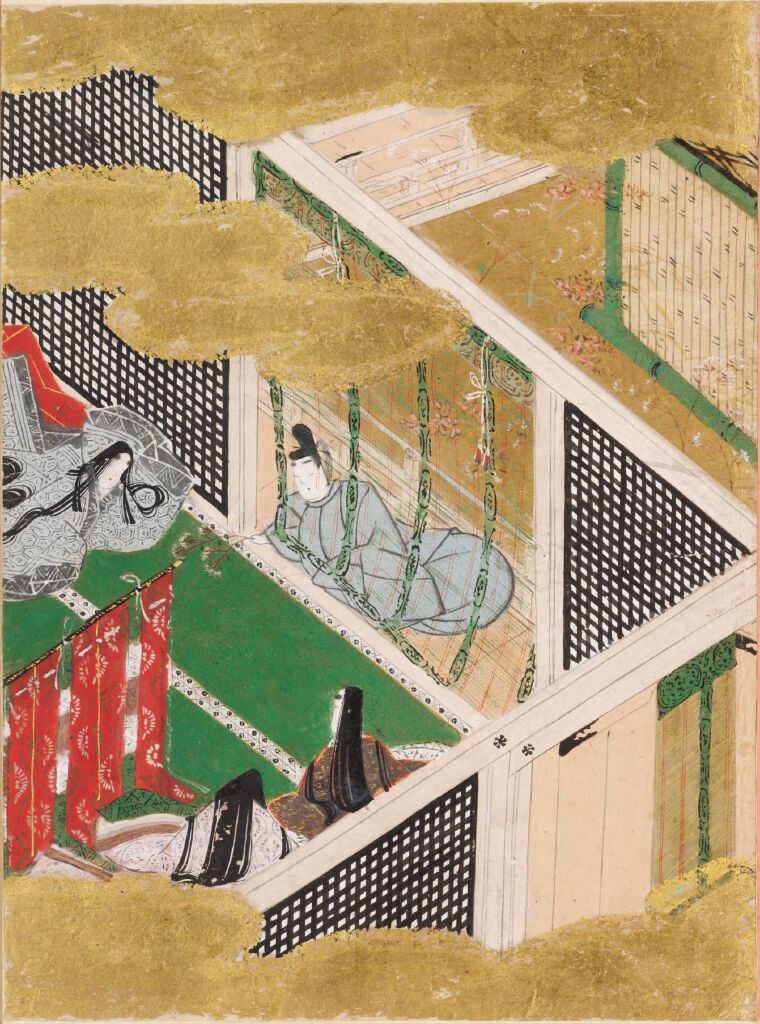
Thoroughwort Flowers (Fujibakama), Illustration to Chapter 30 of the Tale of Genji (Genji monogatari)
Tosa Mitsunobu

Under the Cherry Blossoms (Hana no En), Illustration to Chapter 8 of the Tale of Genji (Genji monogatari)
Tosa Mitsunobu

The Pilgrimage to Sumiyoshi (Miotsukushi), Illustration to Chapter 14 of the Tale of Genji (Genji monogatari)
Tosa Mitsunobu
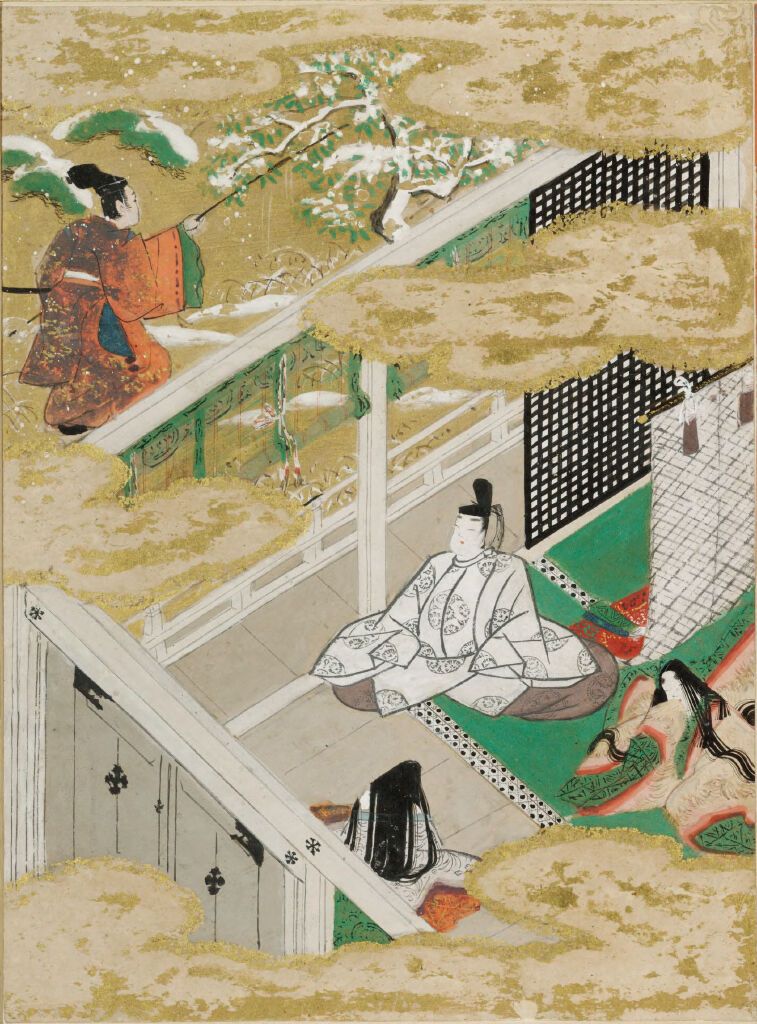
The Safflower (Suetsumuhana), Illustration to Chapter 6 of the Tale of Genji (Genji monogatari)
Tosa Mitsunobu
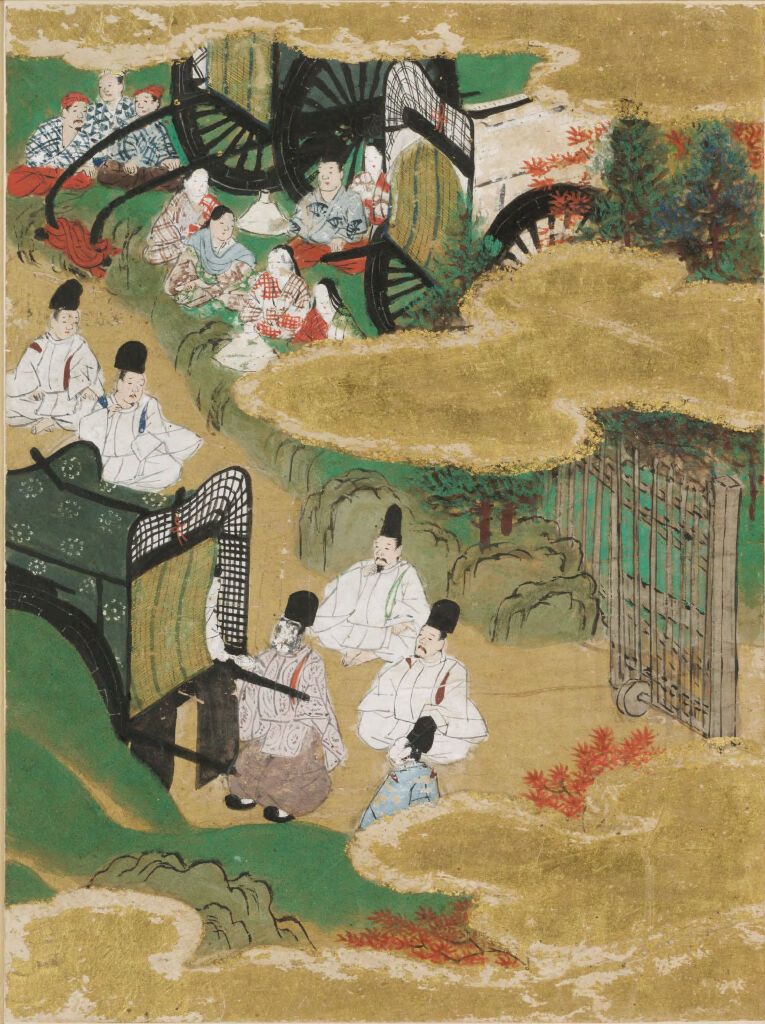
At the Pass (Sekiya), Illustration to Chapter 16 of the Tale of Genji (Genji monogatari)
Tosa Mitsunobu
More Illustration Art
Browse all →Falling Flowers (Hanachirusato), Illustration to Chapter 11 of the Tale of Genji (Genji monogatari)
Tosa Mitsunobu
The Cicada Shell (Utsusemi), Illustration to Chapter 3 of the Tale of Genji (Genji monogatari)
Tosa Mitsunobu
The Seer (Maboroshi), Illustration to Chapter 41 of the Tale of Genji (Genji monogatari)
Tosa Mitsunobu
The Oak Tree (Kashiwagi), Illustration to Chapter 36 of the Tale of Genji (Genji monogatari)
Tosa Mitsunobu
The Paulownia Pavilion (Kiritsubo), Illustration to Chapter 1 of the Tale of Genji (Genji monogatari)
Tosa Mitsunobu
Thoroughwort Flowers (Fujibakama), Illustration to Chapter 30 of the Tale of Genji (Genji monogatari)
Tosa Mitsunobu