
taly. The Festival of Pompei, The circus of gladiators — History & Facts
In the thrall of ecstasy, the Festival of Pompei pulses with life, an eternal moment captured in the vibrant chaos of a gladiatorial circus, echoing the heartbeats of those who witnessed it. Look to the center, where the gladiators stand poised, muscles taut and faces etched with determination. The surrounding crowd, a sea of vivid colors and impassioned expressions, draws your eye outwards, enveloping you in their fervor. Notice how the artist deftly employs dynamic brush strokes to convey movement, the swirling dust in the air becoming almost palpable, while the warm hues of gold and crimson evoke the fervent energy of celebration and conflict. Yet, beneath the jubilant surface lies a poignant contrast—the thrill of the games juxtaposed with the unspoken fragility of life.
Each warrior's fierce gaze reflects the gravity of their fate, an anticipation of glory entwined with the ever-present specter of death. The jubilant crowd, seemingly lost in ecstasy, remains oblivious to the potential tragedy unfolding before them, highlighting the duality of joy and sorrow that permeates human experience. In 1884, the artist was deeply immersed in the themes of historical representation and the exploration of human emotion. Working in France during a period marked by rapid industrial change and a resurgence of interest in classical themes, he sought to capture the vibrancy of life in his works.
The fascination with the ancient world during this time inspired him to breathe life into moments that echo through history, blending beauty with the inevitable passage of time.
More Artworks by Auguste Louis Lepère
Browse all →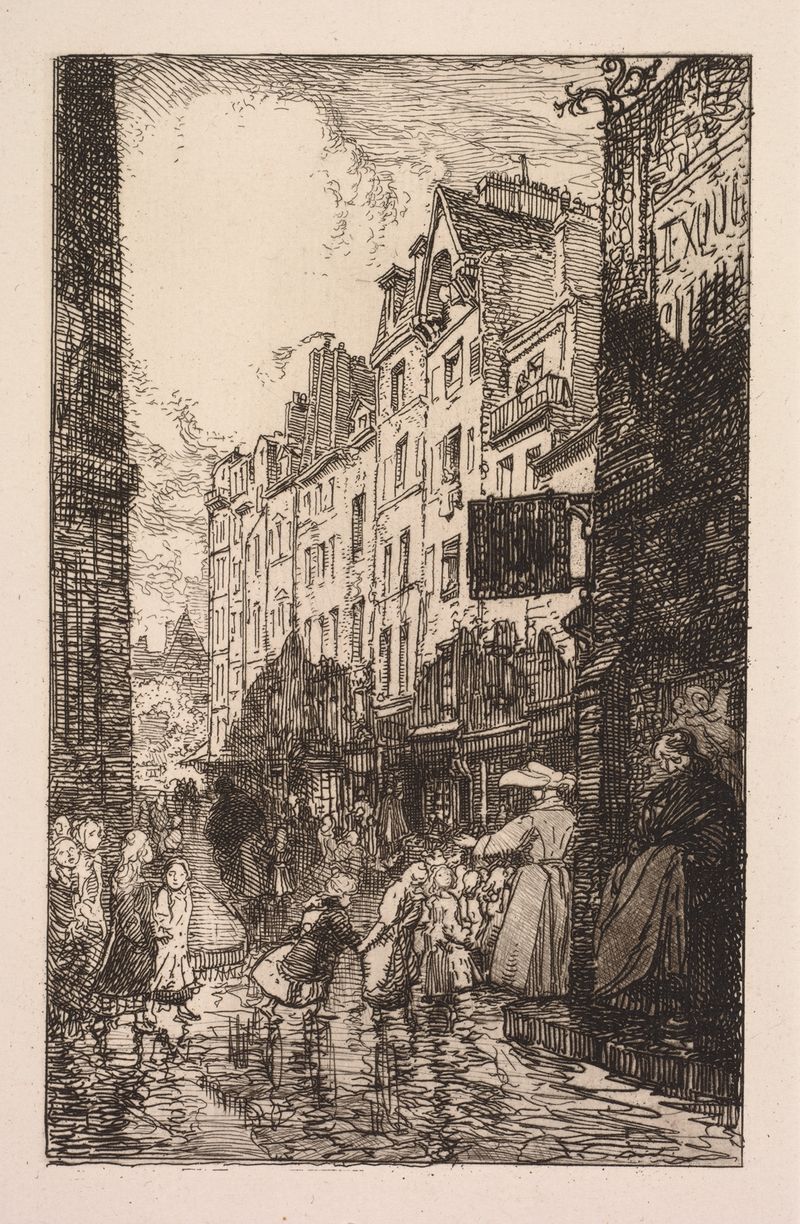
La Rue des Prêtres Saint-Séverin
Auguste Louis Lepère
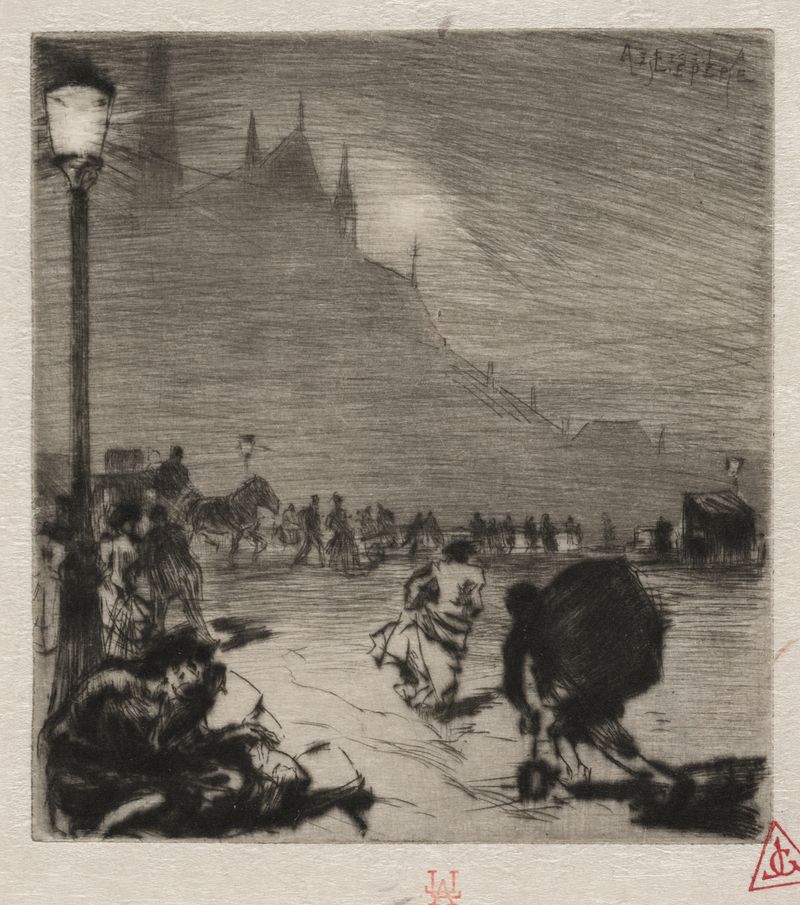
Au Coin du Pont-aux-Doubles
Auguste Louis Lepère
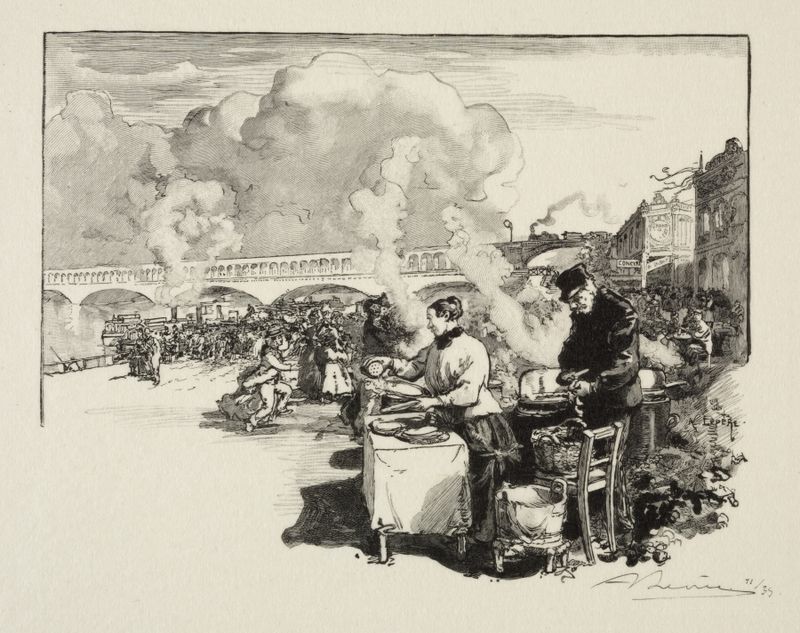
Debarcadère des bateaux-omnibus
Auguste Louis Lepère

La Seine, au quai de la Rapée
Auguste Louis Lepère
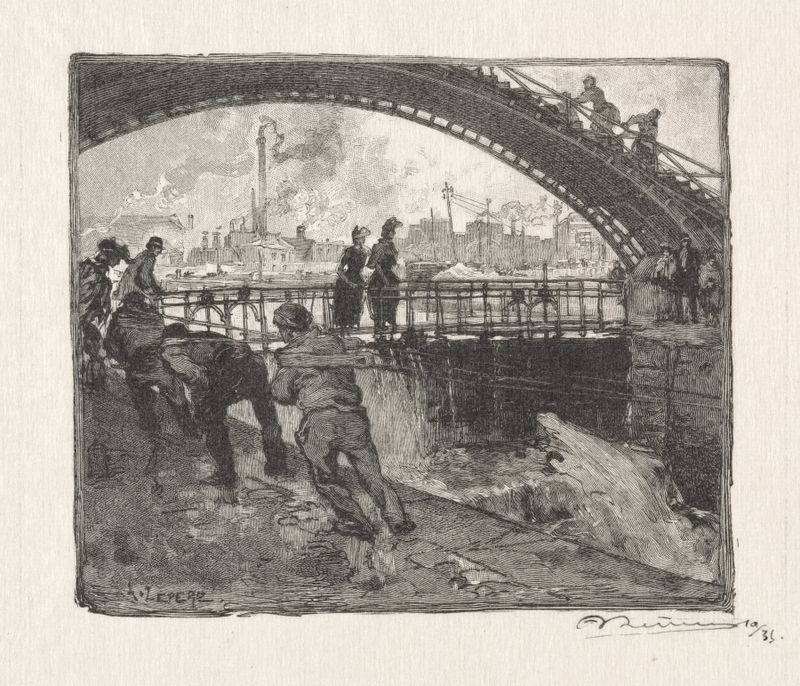
L’Ecluse du Canal St. Martin
Auguste Louis Lepère

Le Boulevard Montmartre, le Soir
Auguste Louis Lepère

Une Chasse au Mont Gérard
Auguste Louis Lepère
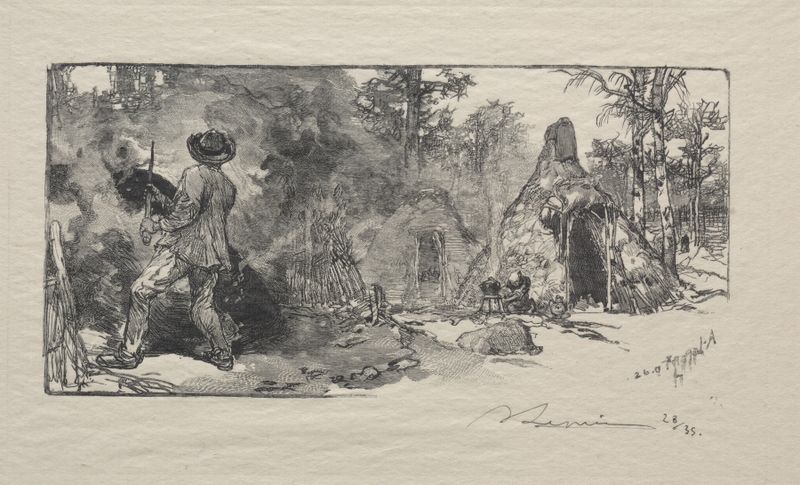
Les Charbonniere
Auguste Louis Lepère
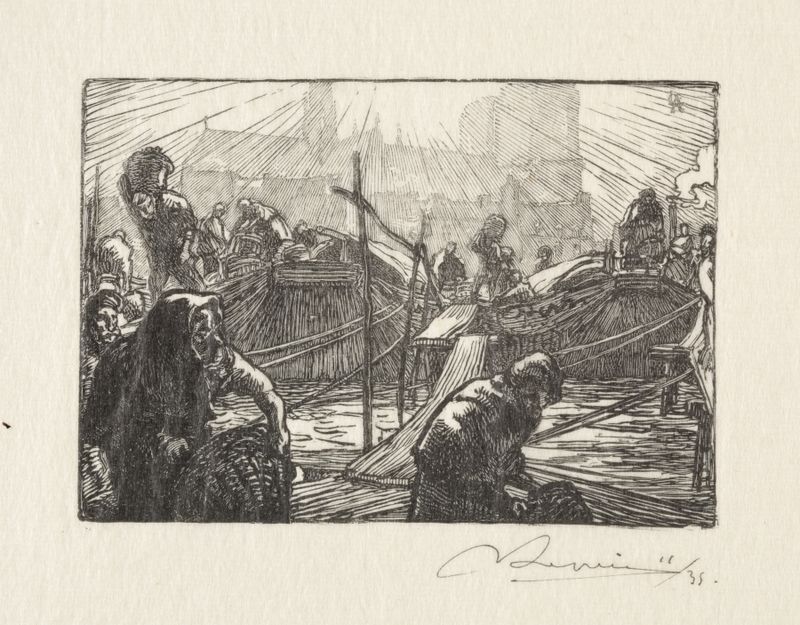
Notre Dame vue du Marché aux pommes
Auguste Louis Lepère

Le Palais des Arts Liberaux, Intèrieur
Auguste Louis Lepère
More Historical Art
Browse all →
The Night Watch Militia Company of District II under the Command of Captain Frans Banninck Cocq
Rembrandt van Rijn

Lincoln Memorial
Henry Bacon

The Third of May 1808
Francisco de Goya

Isaac and Rebecca, Known as ‘The Jewish Bride’
Rembrandt van Rijn

The Charge of the Mamelukes (1814)
Francisco de Goya

De vier ruiters van de apocalyps
Albrecht Dürer