
Tamahime Shrine — History & Facts
In the stillness of time, it reveals the haunting beauty of decay, whispering secrets of what once was. Look closely at the intricate details of the shrine; your eyes are drawn first to the weathered wood, where the textures speak of age and endurance. Notice the play of shadows that dance across the surface, created by the soft, diffused light that captures the essence of a forgotten place. The artist’s brushwork breathes life into the peeling layers, blending earthy tones with muted reds and greens, as if nature herself is reclaiming her territory. Yet, beneath the surface lies a poignant contrast between reverence and neglect.
The delicate cherry blossoms, painted with tender care, evoke a fleeting beauty, suggesting that all things, even the most sacred, are vulnerable to time. The subtle decay depicted here serves as a metaphor for the impermanence of existence, a reminder that beauty is often tinged with melancholy and fragility. Each crack and crevice tells a story of resilience, inviting contemplation on the passage of time and the cycle of life. In 1922, the artist painted this piece during a period rich in cultural introspection in Japan, following the tumult of the First World War.
As society grappled with modernization and the loss of tradition, the shrine stood as a symbol of spiritual heritage amidst the shifting landscape. At that time, Raizan sought to capture the essence of these historical sites, preserving their legacy through the lens of change and decay.
More Artworks by Negoro Raizan
Browse all →
Ochanomizu Bridge
Negoro Raizan

Asakusa Temple
Negoro Raizan

Meiji Shrine
Negoro Raizan
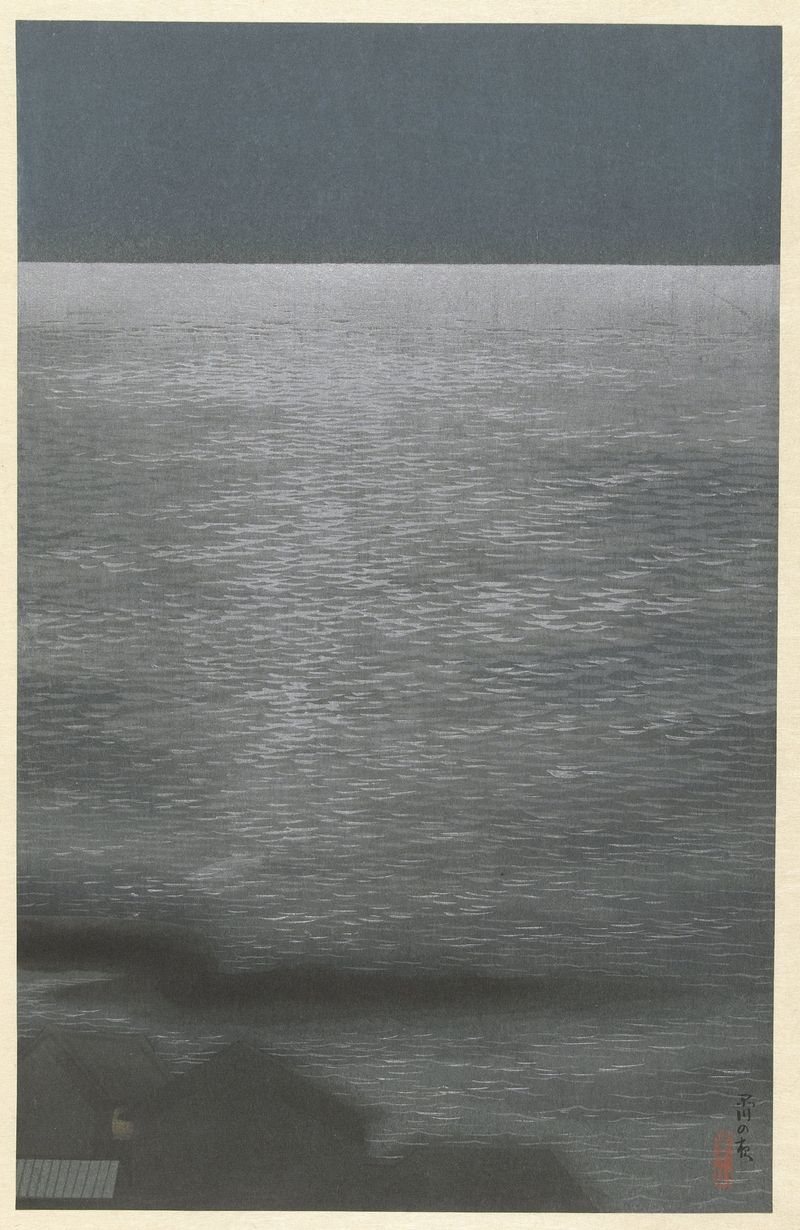
Nacht in Shinagawa
Negoro Raizan
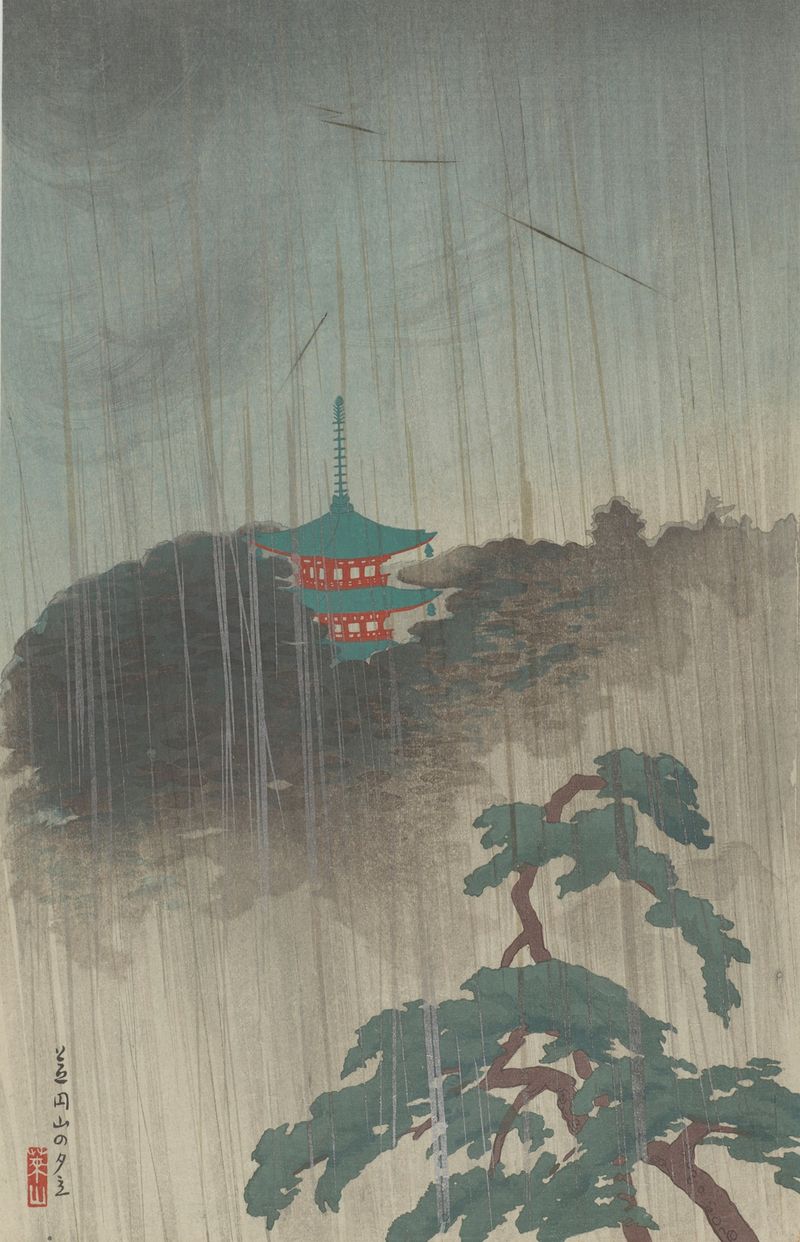
Evening Rain at Maruyama, Shiba
Negoro Raizan
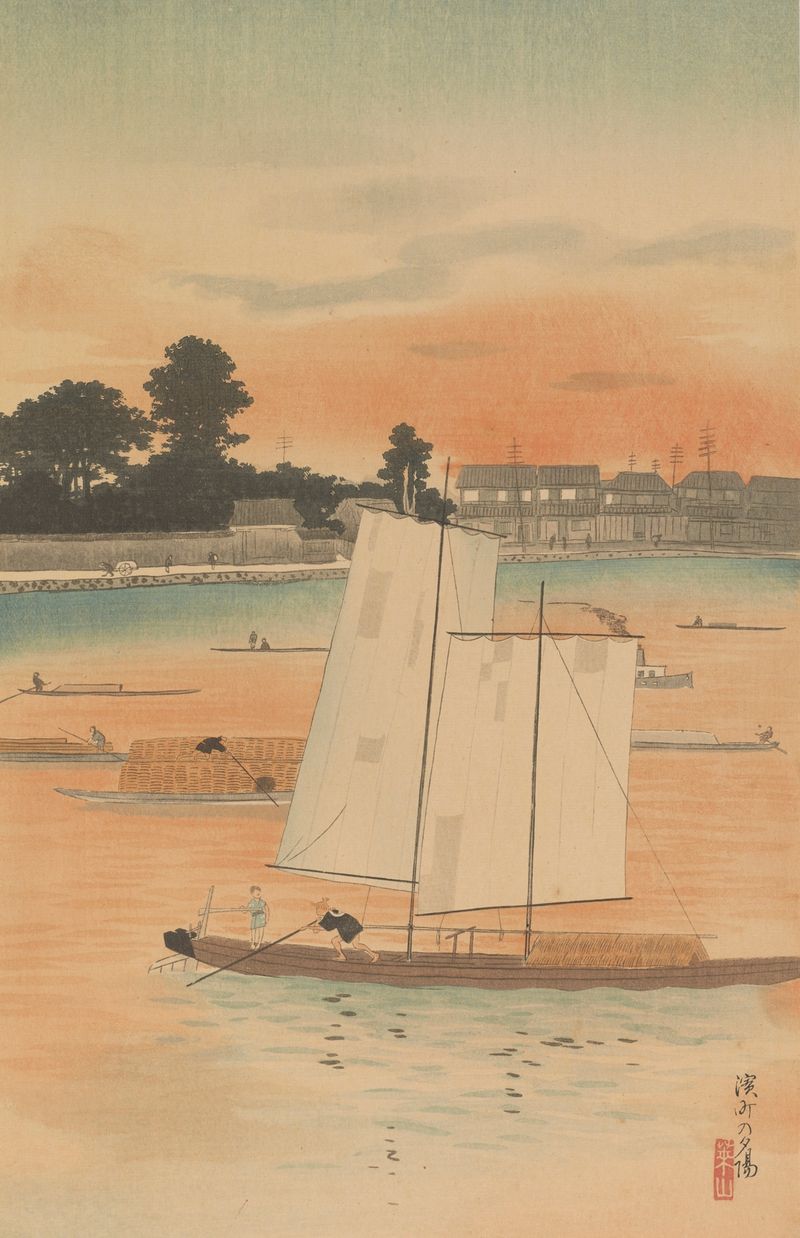
Sunset at Hamachō
Negoro Raizan

Ueno Takenodai
Negoro Raizan
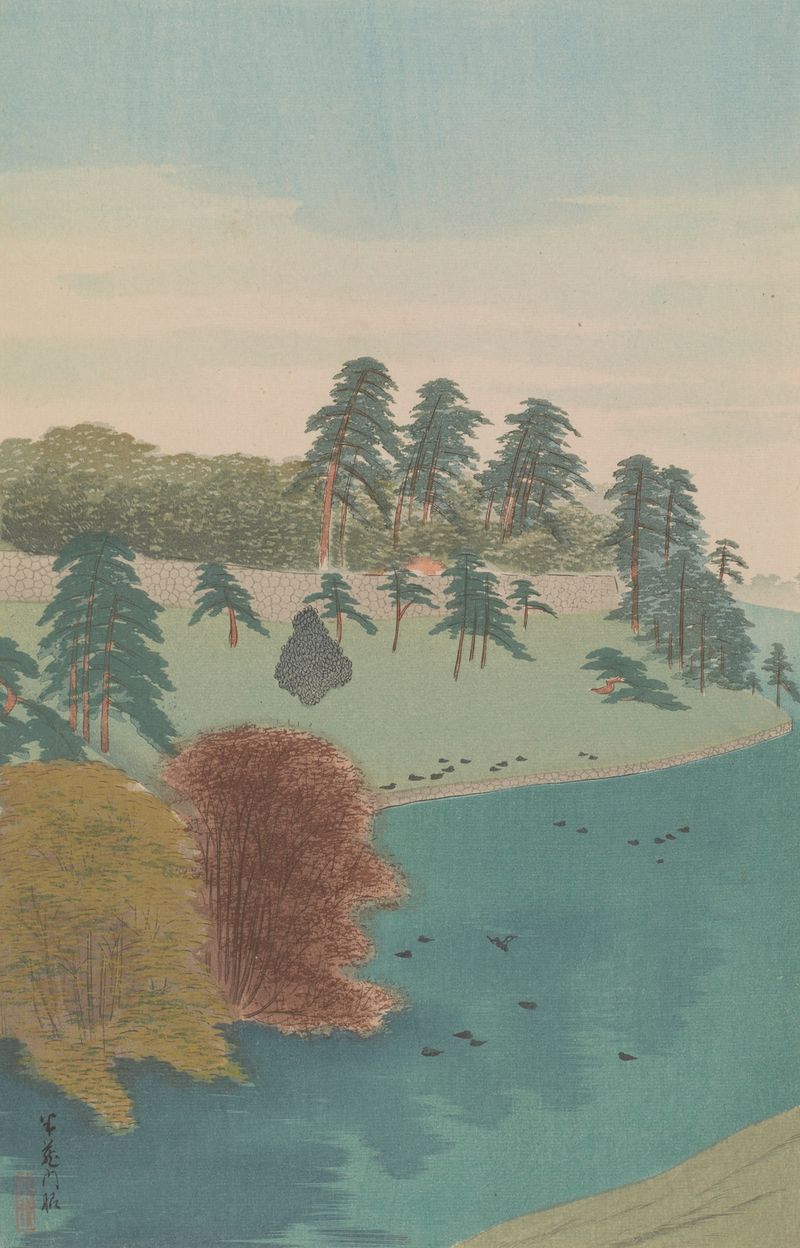
To the side of Hanzōmon gate
Negoro Raizan

Untitled
Negoro Raizan

Kinokunizaka
Negoro Raizan
More Architecture Art
Browse all →
The statue of Liberty
Frédéric Auguste Bartholdi

View of Houses in Delft, Known as ‘The Little Street’
Johannes Vermeer

View of Houses in Delft, Known as ‘The Little Street’
Johannes Vermeer

The Cathedral in Rouen. The portal, Grey Weather
Claude Monet

The yellow house
Vincent van Gogh

The Church in Auvers-sur-Oise, View from the Chevet
Vincent van Gogh