Discover insights about this artwork
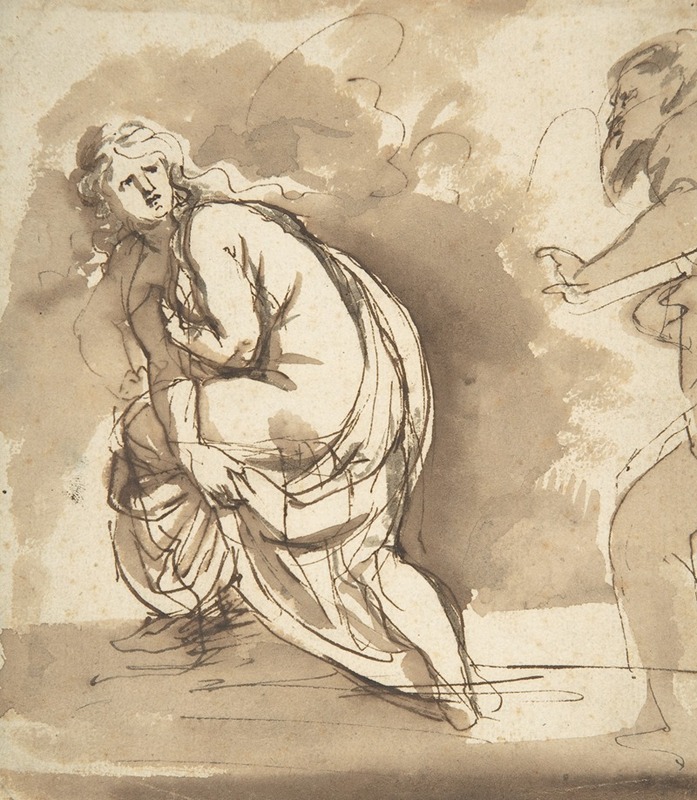
Tantalo. (Tantalus.) — History & Facts
In Tantalo, Francisco de Goya presents a striking scene filled with dark colors and dramatic contrasts. The figure of Tantalus is depicted in a moment of anguish, reaching for unattainable fruit just out of his grasp. The background is shadowy, enhancing the sense of despair and isolation.
Goya's use of light and shadow creates a haunting atmosphere that draws the viewer into Tantalus's plight. The painting is executed in oil on canvas, typical of Goya's style during the Romantic period. The dimensions are approximately 100 x 150 cm, allowing for a substantial portrayal of the figure and the surrounding environment. Goya's brushwork is expressive, with visible strokes that add texture and depth to the composition.
The emotional intensity of the work is palpable, reflecting Goya's ability to convey human suffering. Francisco de Goya was a prominent Spanish painter known for his critical view of society and the human condition. 'Tantalo' reflects themes of punishment and desire, drawing from Greek mythology to illustrate Tantalus's eternal torment. An interesting fact about this work is that it showcases Goya's transition from neoclassicism to a more expressive and emotional style, marking a significant evolution in his artistic journey.
More Artworks by Francisco de Goya
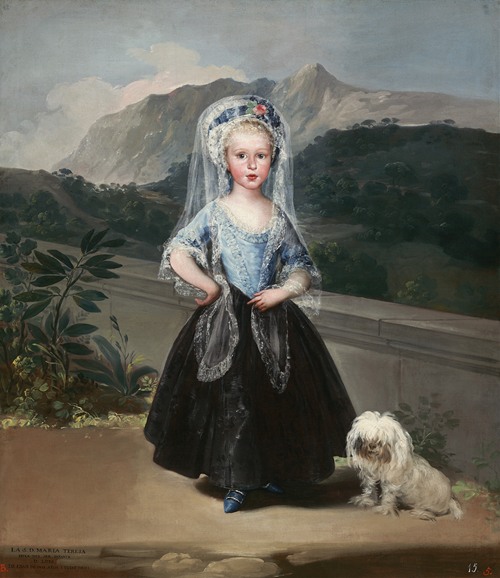
María Teresa de Borbón y Vallabriga,later Condesa de Chinchón
Francisco de Goya
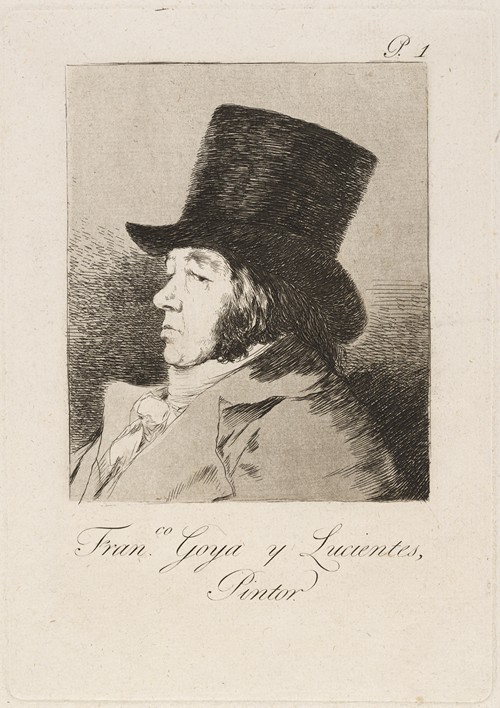
Francisco Goya y Lucientes, Pintor (Francisco Goya y Lucientes, painter)
Francisco de Goya
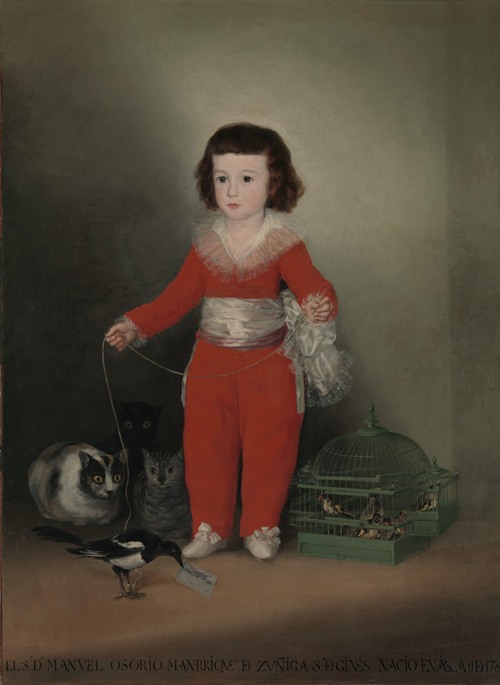
Manuel Osorio Manrique de Zuñiga (1784–1792)
Francisco de Goya
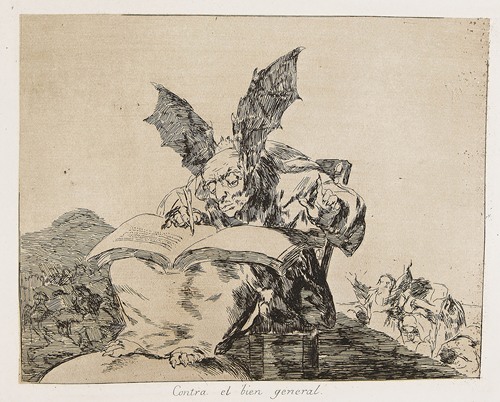
Los desastres de la guerra
Francisco de Goya
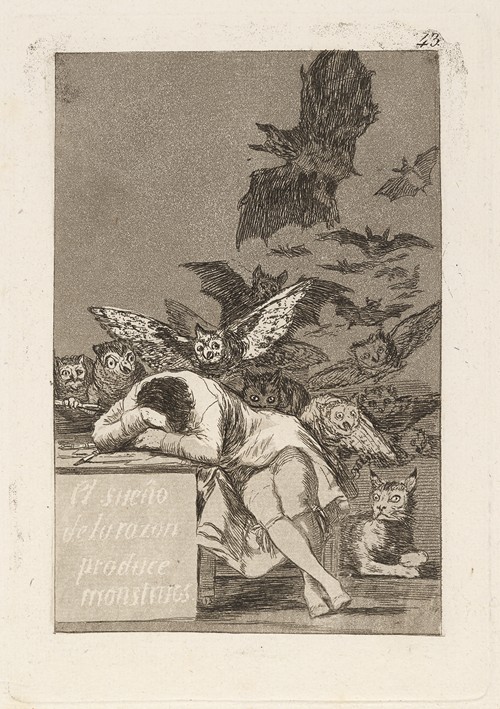
El sueño de la razon produce monstruos. (The sleep of reason produces monsters.)
Francisco de Goya
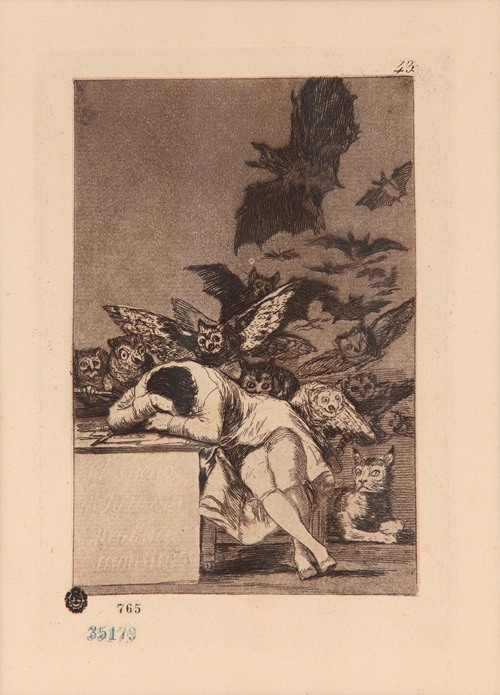
El sueño de la razon produce moustruos (Serie Caprichos)
Francisco de Goya
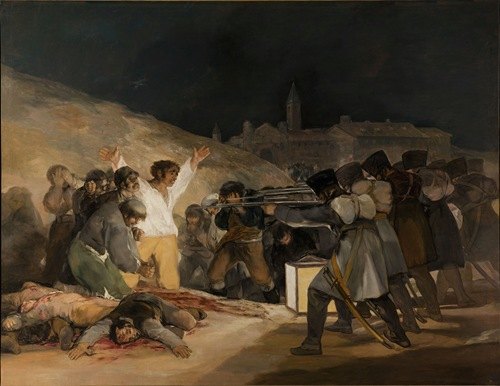
The Third of May
Francisco de Goya
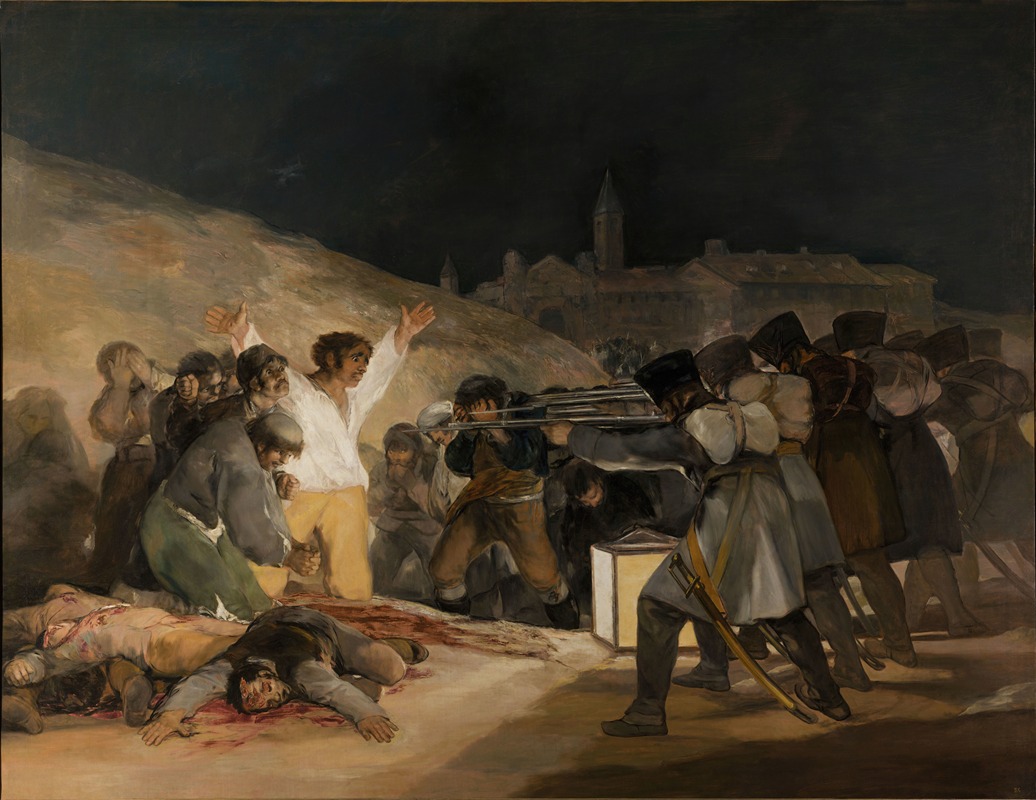
The Third of May 1808
Francisco de Goya
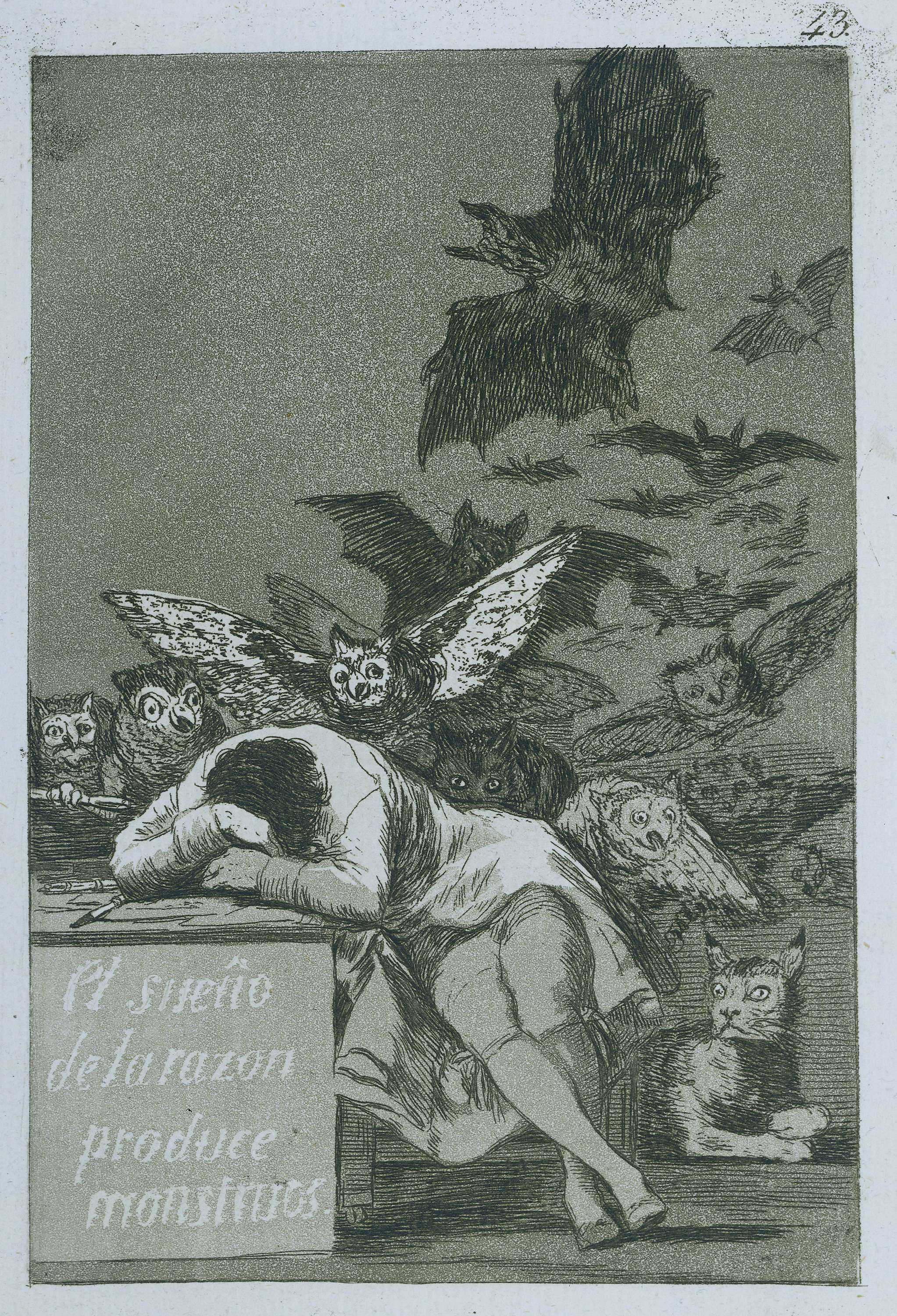
De slaap van de rede brengt monsters voort
Francisco de Goya
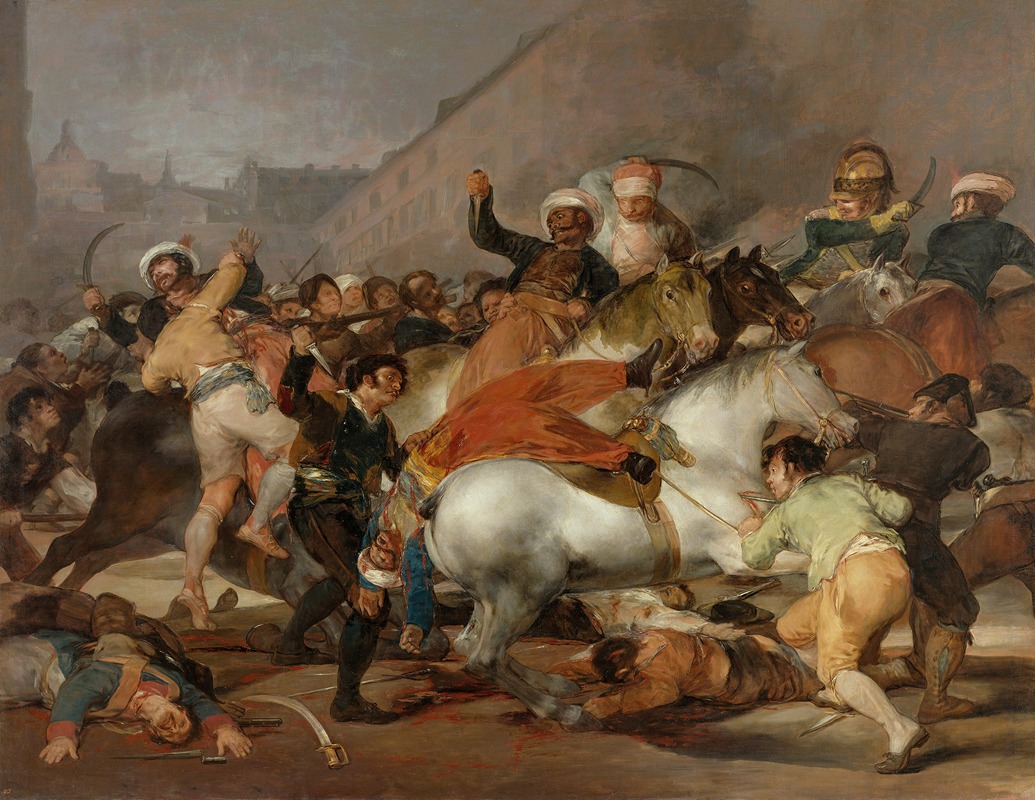
The Charge of the Mamelukes (1814)
Francisco de Goya