
Tapha, 7-50 a.m., February 17, 1867 — History & Facts
This thought echoes through the vivid landscape, where nature conceals the tumult of revolution beneath layers of ethereal beauty. Focus on the horizon, where sunlight spills over the undulating hills, casting a warm glow that contrasts sharply with the cool blues of the foreground. Notice how the delicate brushstrokes create a textured surface, inviting the viewer to traverse the depth of the scene. The sky, a wash of soft pastels, suggests the quiet promise of dawn, while the vibrant greens and ochres of the earth ground the painting in fertile reality. Yet, beneath this serene facade lies an undercurrent of tension.
The gentle undulations of the terrain feel like breaths of a world on the brink of change, while the play of light hints at fleeting moments of hope amidst despair. Lear's choice to juxtapose the tranquil beauty of nature with the notion of impending upheaval serves as a poignant reminder that beauty often masks deeper struggles within society. In creating this piece, Edward Lear found himself in a transitional period, painting in a time of social and political unrest. While the exact date of the artwork remains uncertain, Lear was in the midst of a prolific phase, capturing landscapes that reflected the changing times.
The world of art was shifting, and Lear's unique blend of whimsy and gravitas resonated with the sentiments of a society grappling with revolution and the quest for freedom.
More Artworks by Edward Lear
Browse all →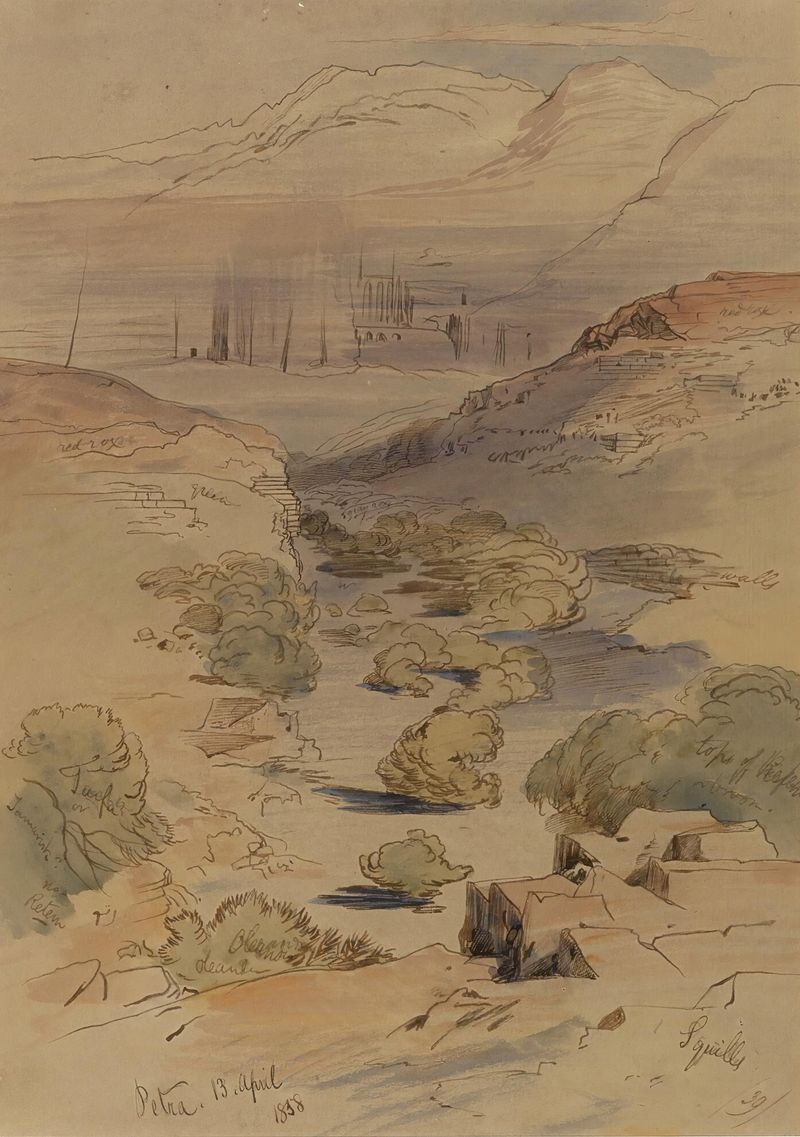
Petra
Edward Lear
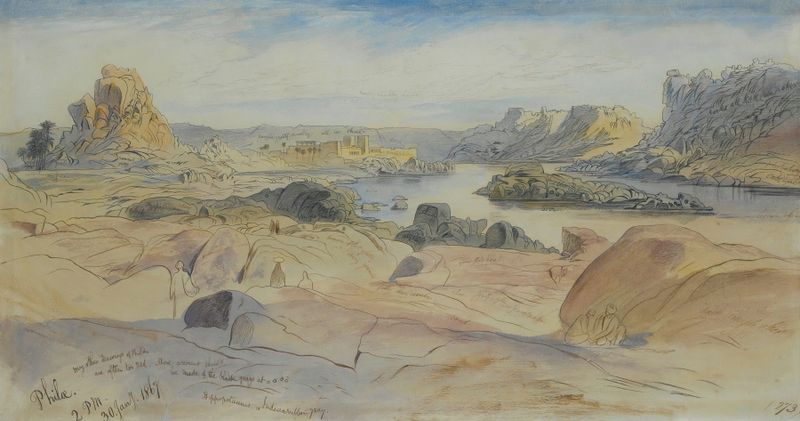
Philae, Egypt
Edward Lear
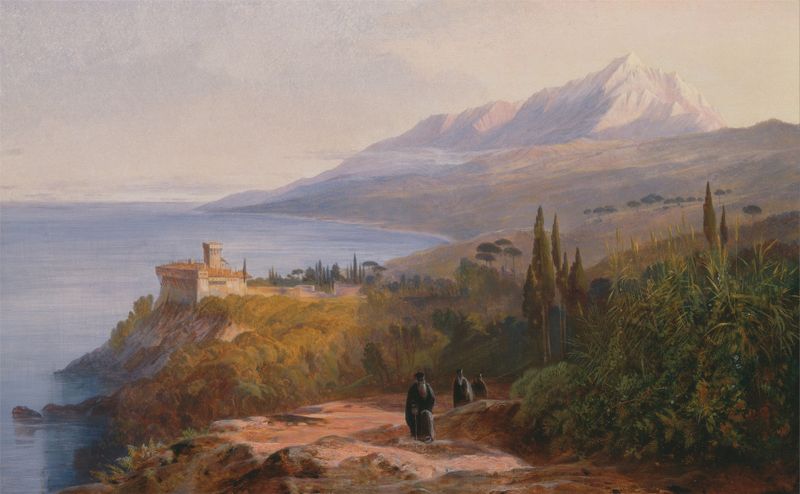
Mount Athos and the Monastery of Stavronikétes
Edward Lear
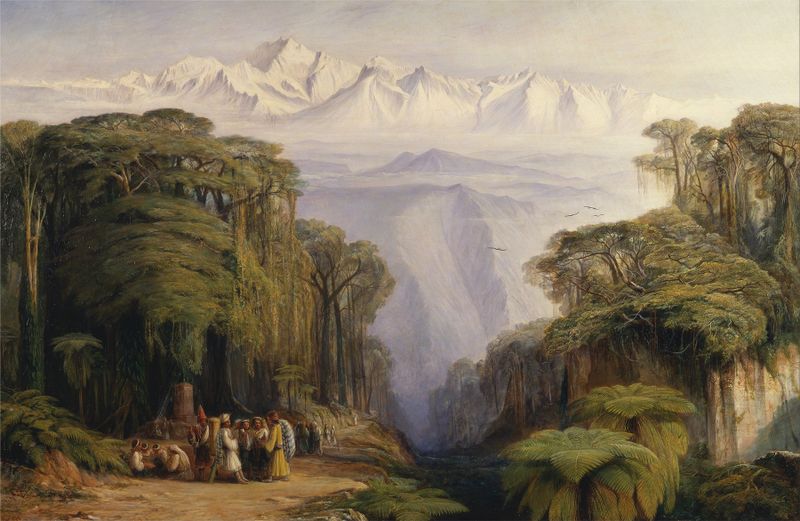
Kangchenjunga from Darjeeling
Edward Lear
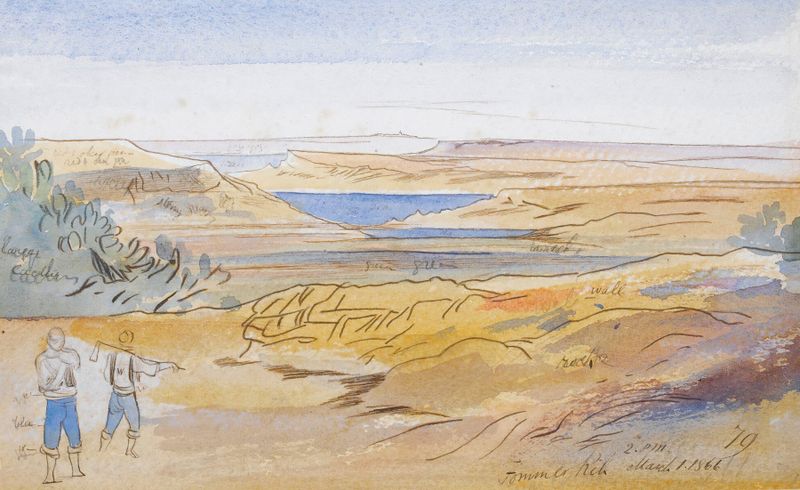
Fomm Ir-Rih, Malta
Edward Lear
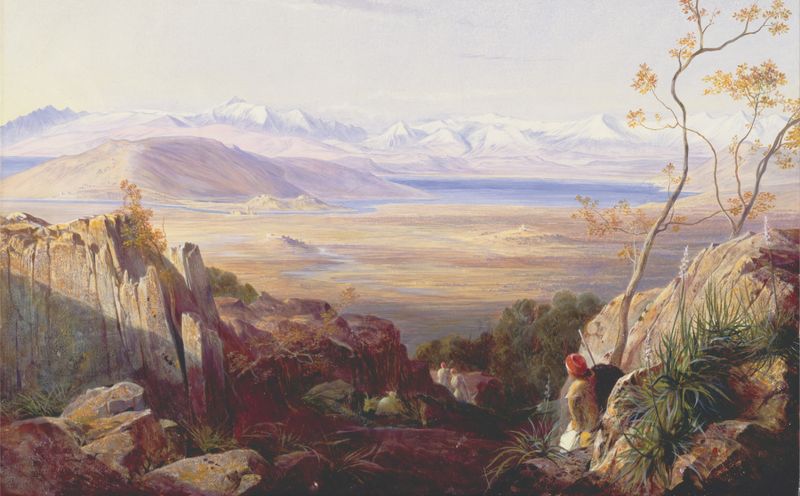
Butrinto, Albania
Edward Lear
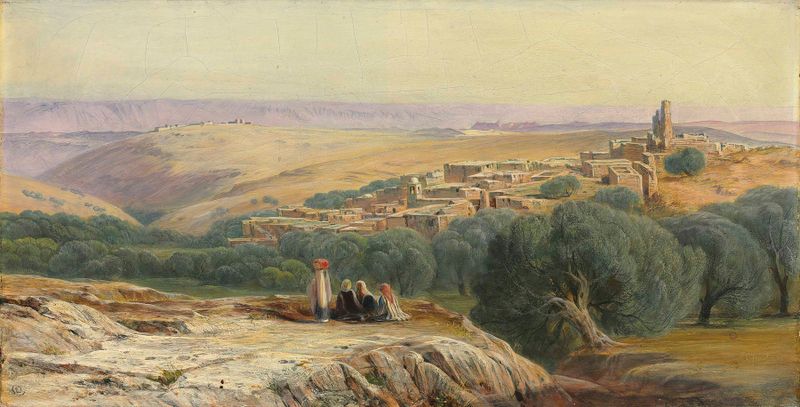
The Plains of Bethany
Edward Lear

Karnak, 9-30 pm, 22 January 1867
Edward Lear
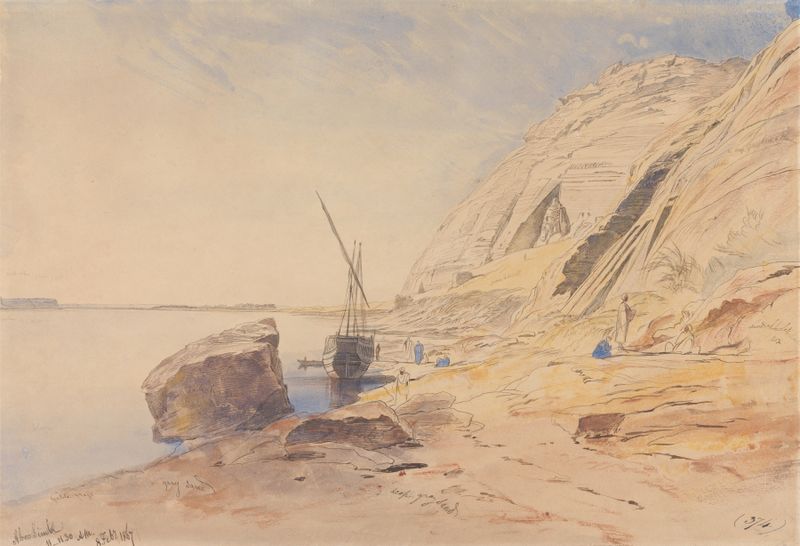
Abu Simbel, 11-11;30 am, 8 February 1867 (374)
Edward Lear

A View Of Mount Athos And The Pantokrator Monastery, Greece
Edward Lear





