Discover insights about this artwork
Telescope shell (Telescopium telescopium) (A) and nicobar spindle shell (Fusinus nicobaricus) (B) — History & Facts
In Telescope shell (Telescopium telescopium) (A) and nicobar spindle shell (Fusinus nicobaricus) (B), we see two beautifully rendered shells. The telescope shell is elongated and spiraled, showcasing a range of subtle colors from creamy whites to soft browns. The nicobar spindle shell is more intricate, with a more pronounced spiral and a rich texture.
The background is minimal, allowing the shells to stand out prominently. This artwork is an etching, a technique that allows for fine details and textures to be captured. Hollar's meticulous approach is evident in the delicate lines and shading that define the shells. The dimensions are approximately 25 x 35 cm, making it a small yet impactful piece.
The careful rendering highlights the natural beauty of these marine specimens. Wenceslaus Hollar was a 17th-century Bohemian artist known for his detailed engravings and etchings. This work reflects the scientific interest in natural history during the Dutch Golden Age, where artists often depicted shells and other natural objects. An interesting fact about this work is that it combines artistic skill with a fascination for the natural world, showcasing Hollar's ability to blend art and science.
More Artworks by Wenceslaus Hollar
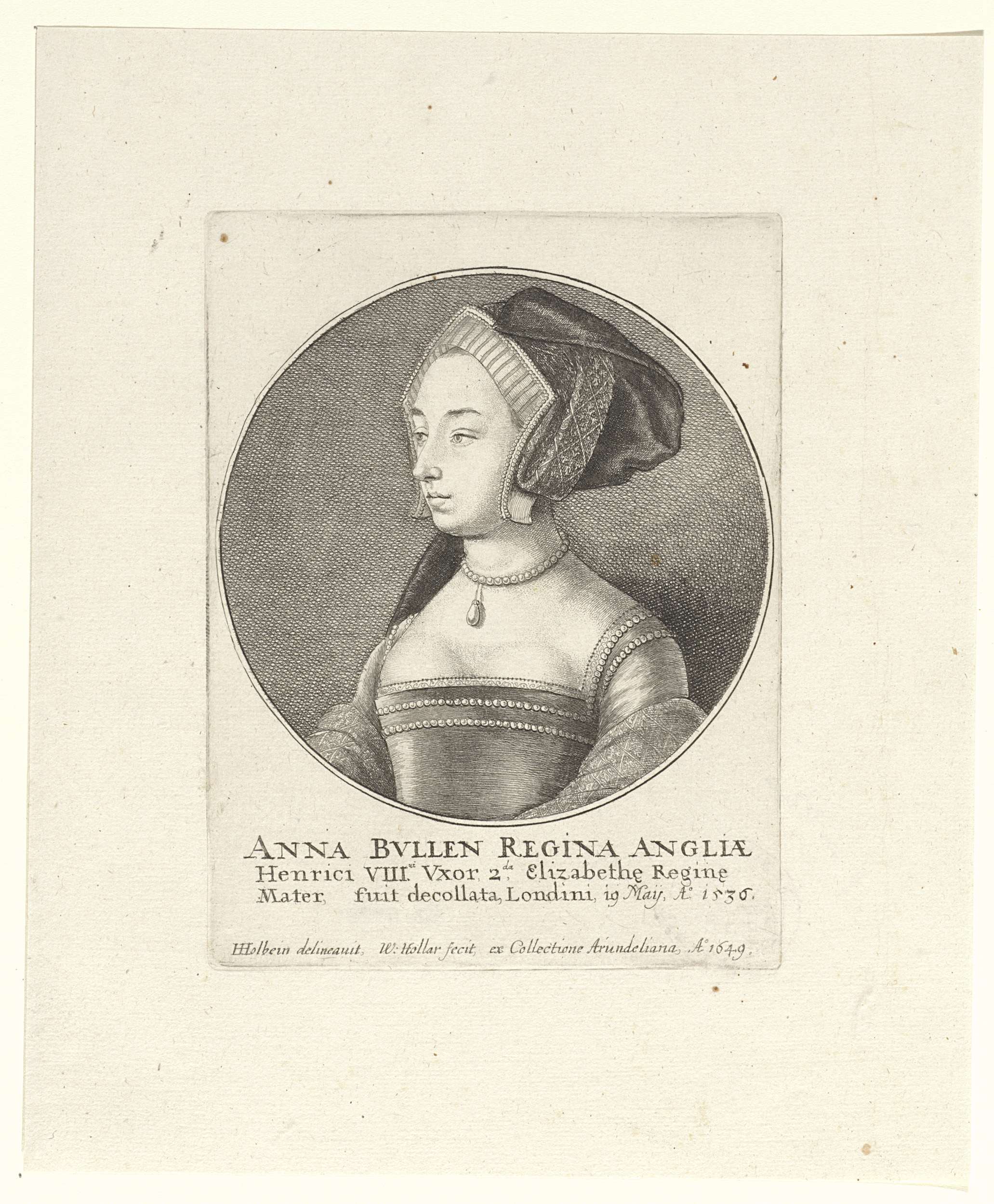
Portret van Anna Boleyn, koningin van Engeland
Wenceslaus Hollar
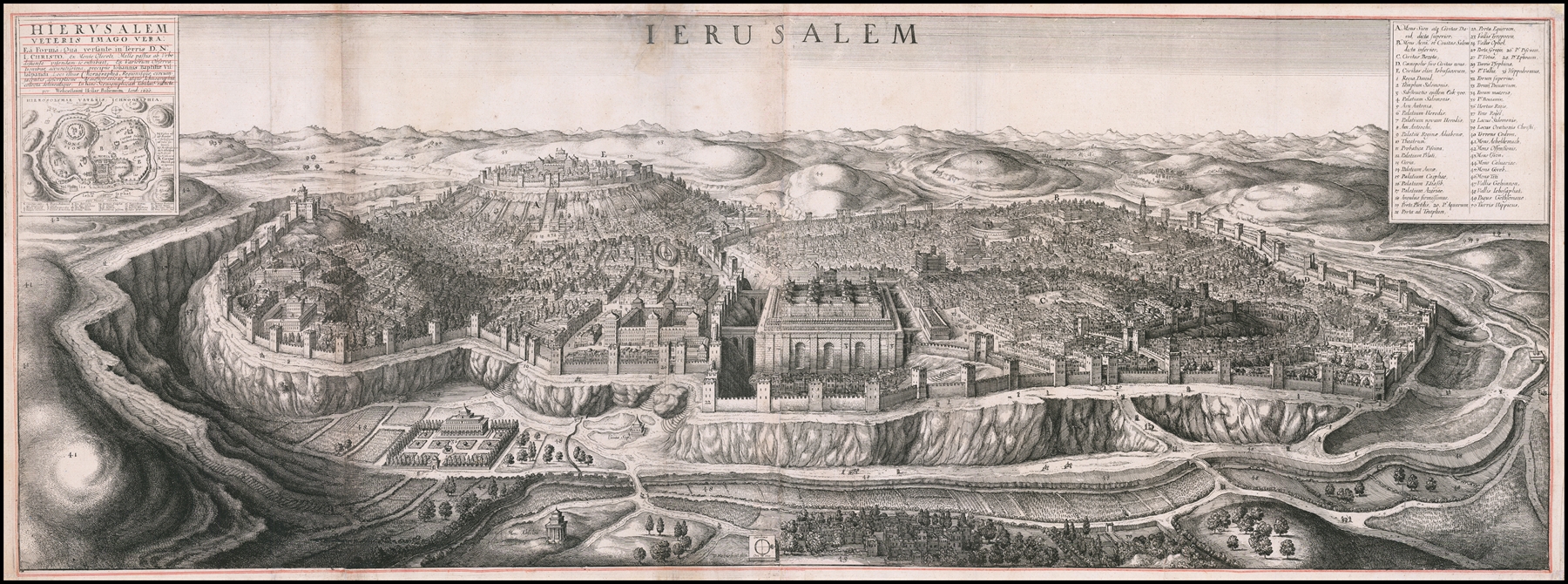
Bird’s eye view of Jerusalem
Wenceslaus Hollar
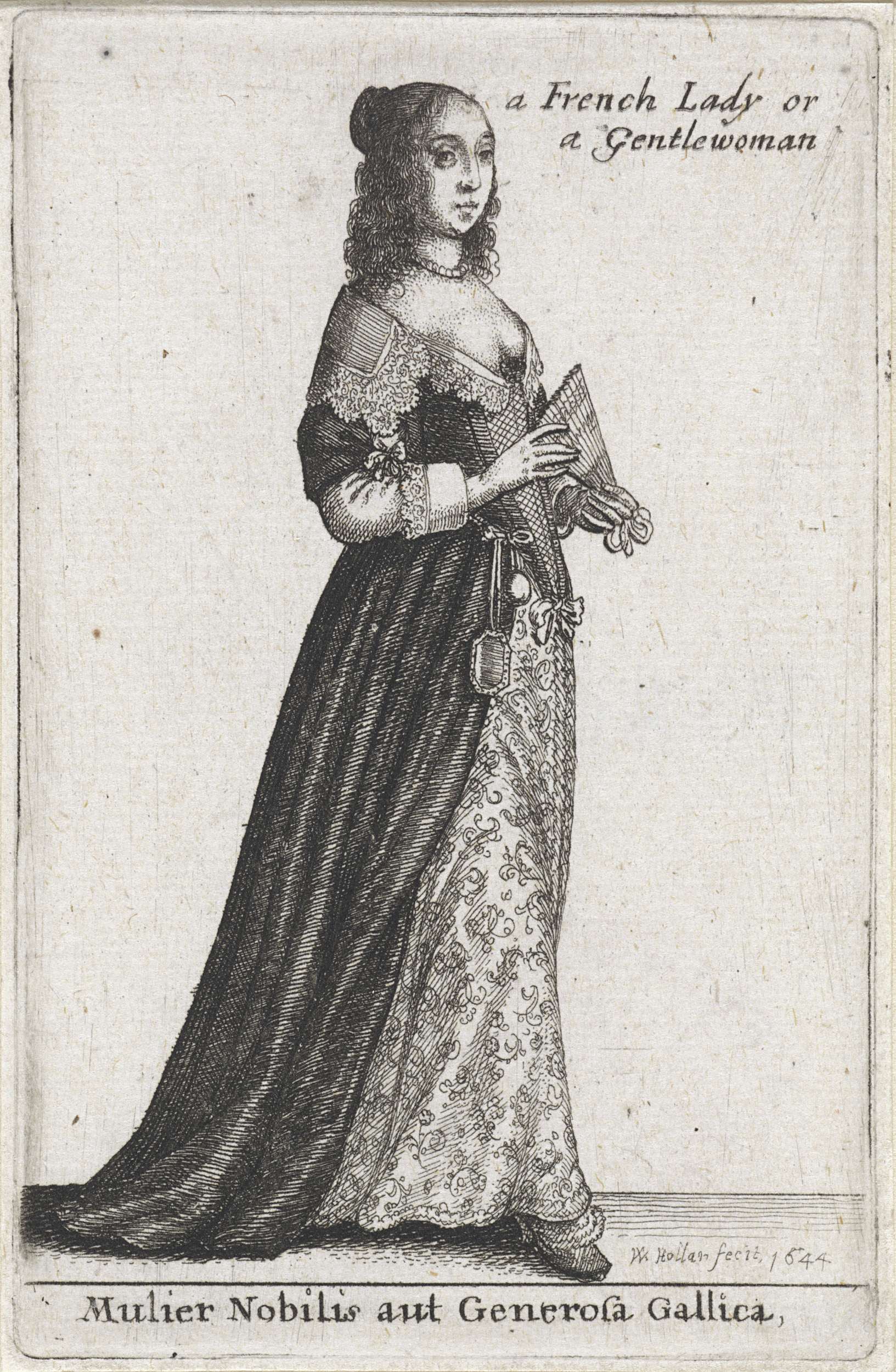
Mulier Nobilis aut Generosa Gallica / a French Lady or Gentlewoman
Wenceslaus Hollar
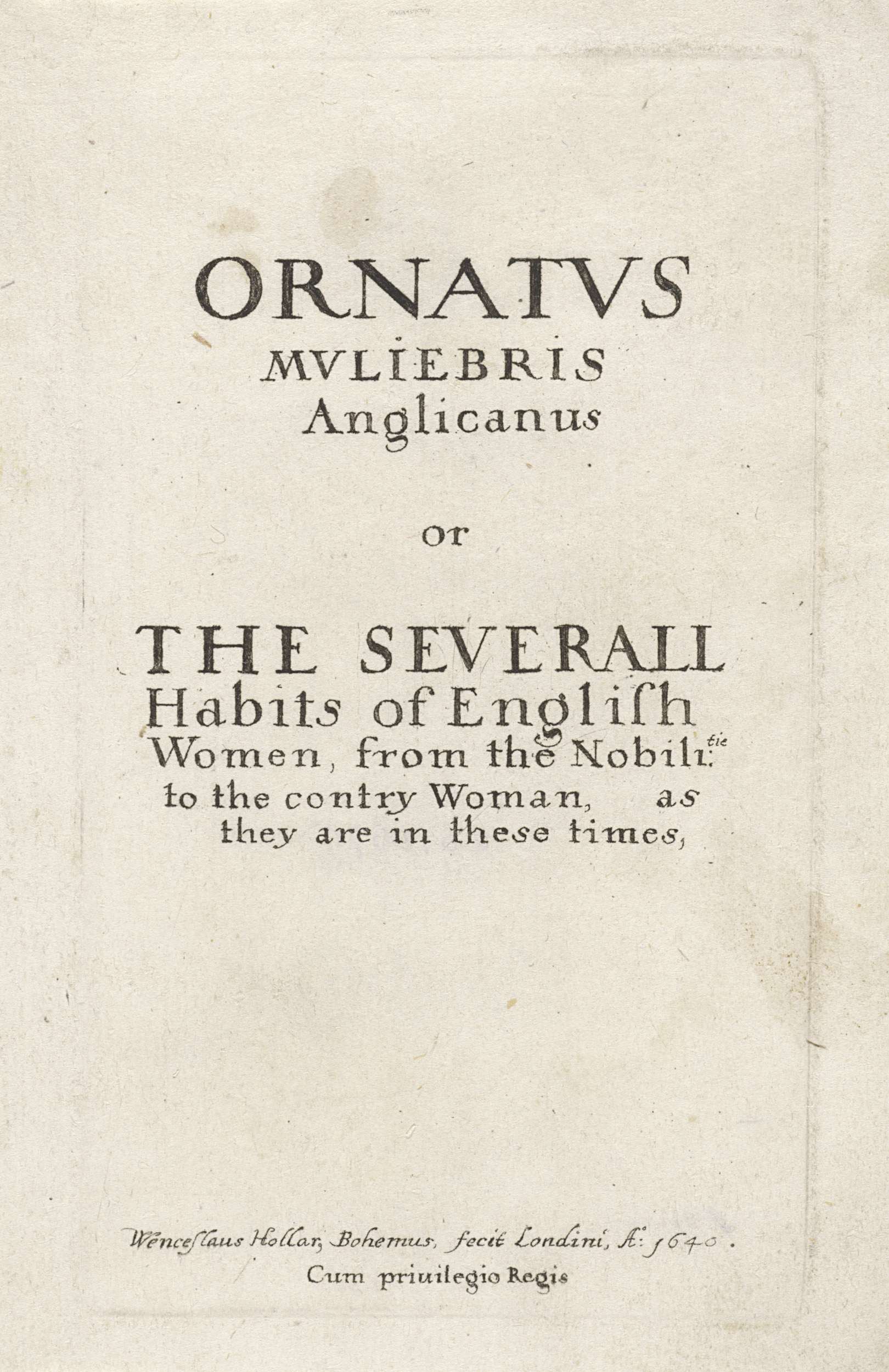
Titelprent voor: Ornatus Muliebris Anglicanus
Wenceslaus Hollar
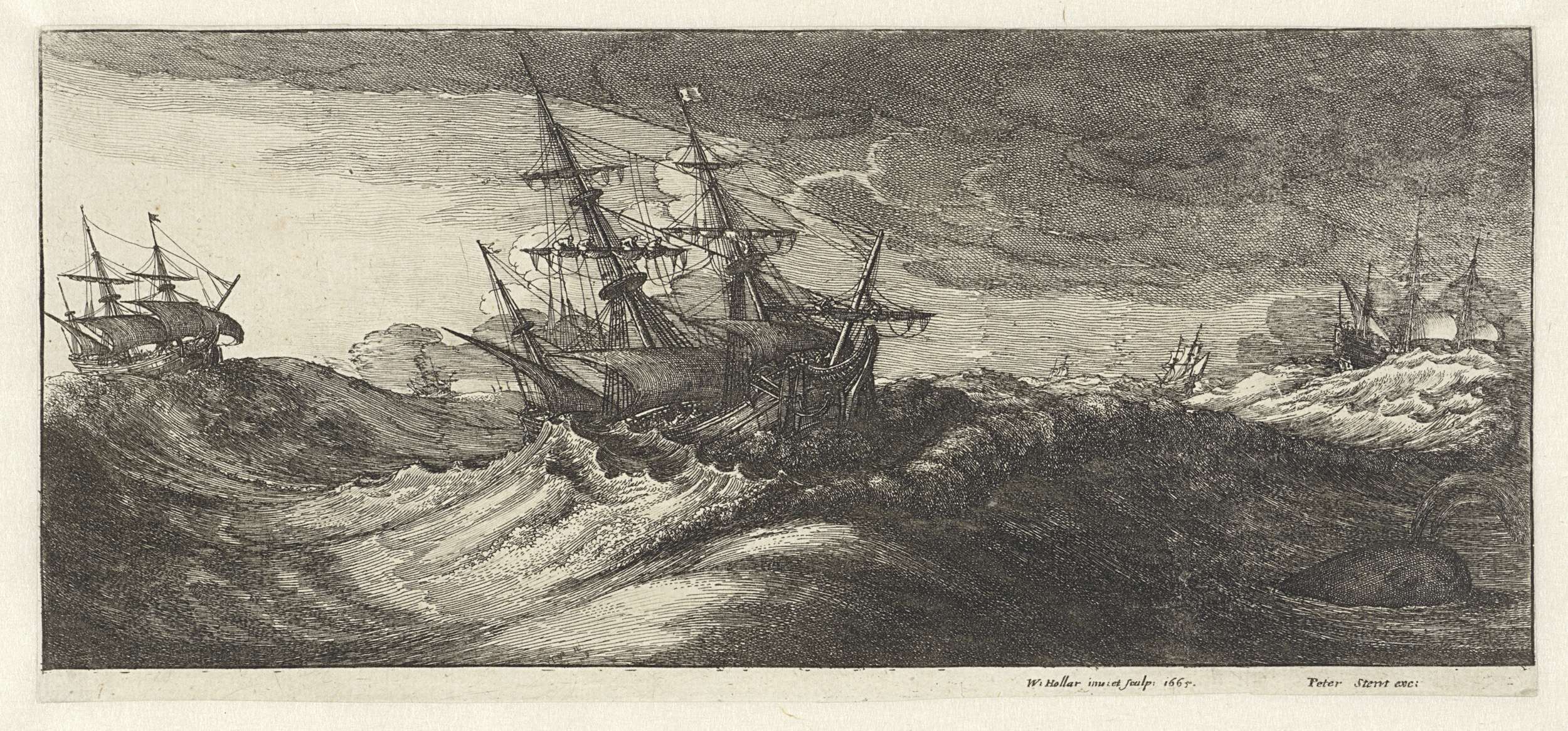
Oorlogsschepen en een walvis in een zeestorm
Wenceslaus Hollar
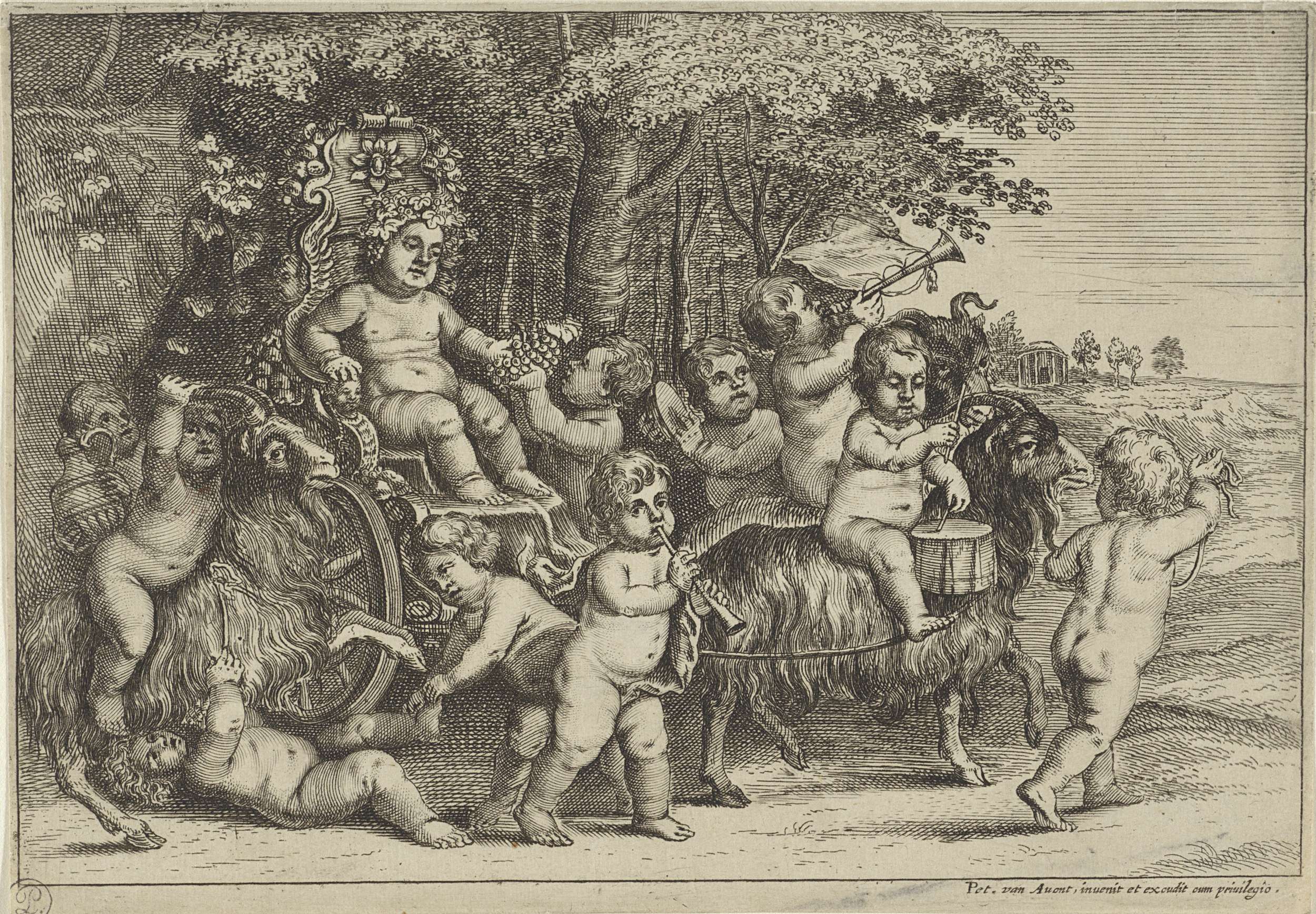
Optocht van bacchant en jongetjes op geiten
Wenceslaus Hollar
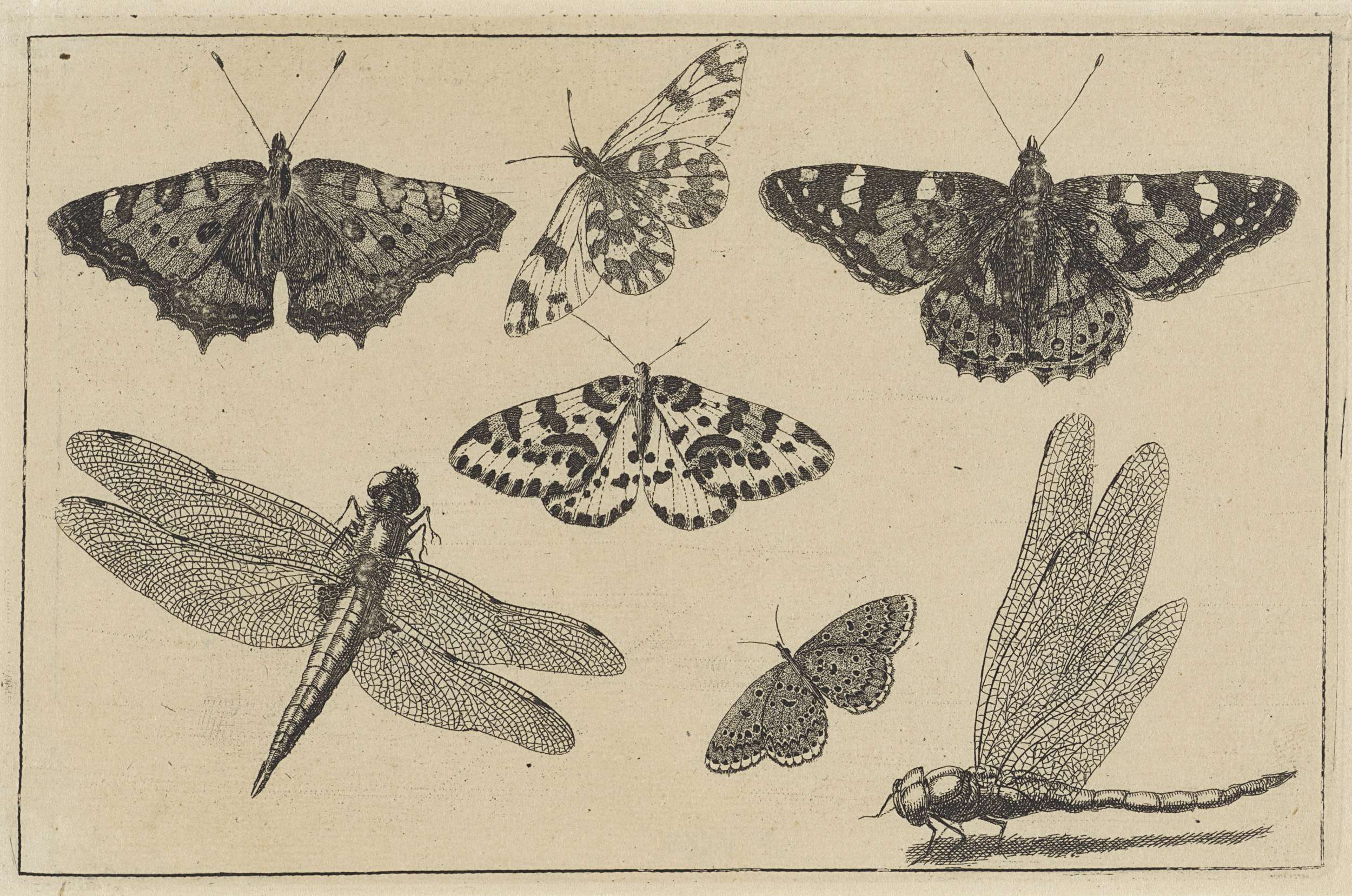
Twee libellen en vijf vlinders
Wenceslaus Hollar
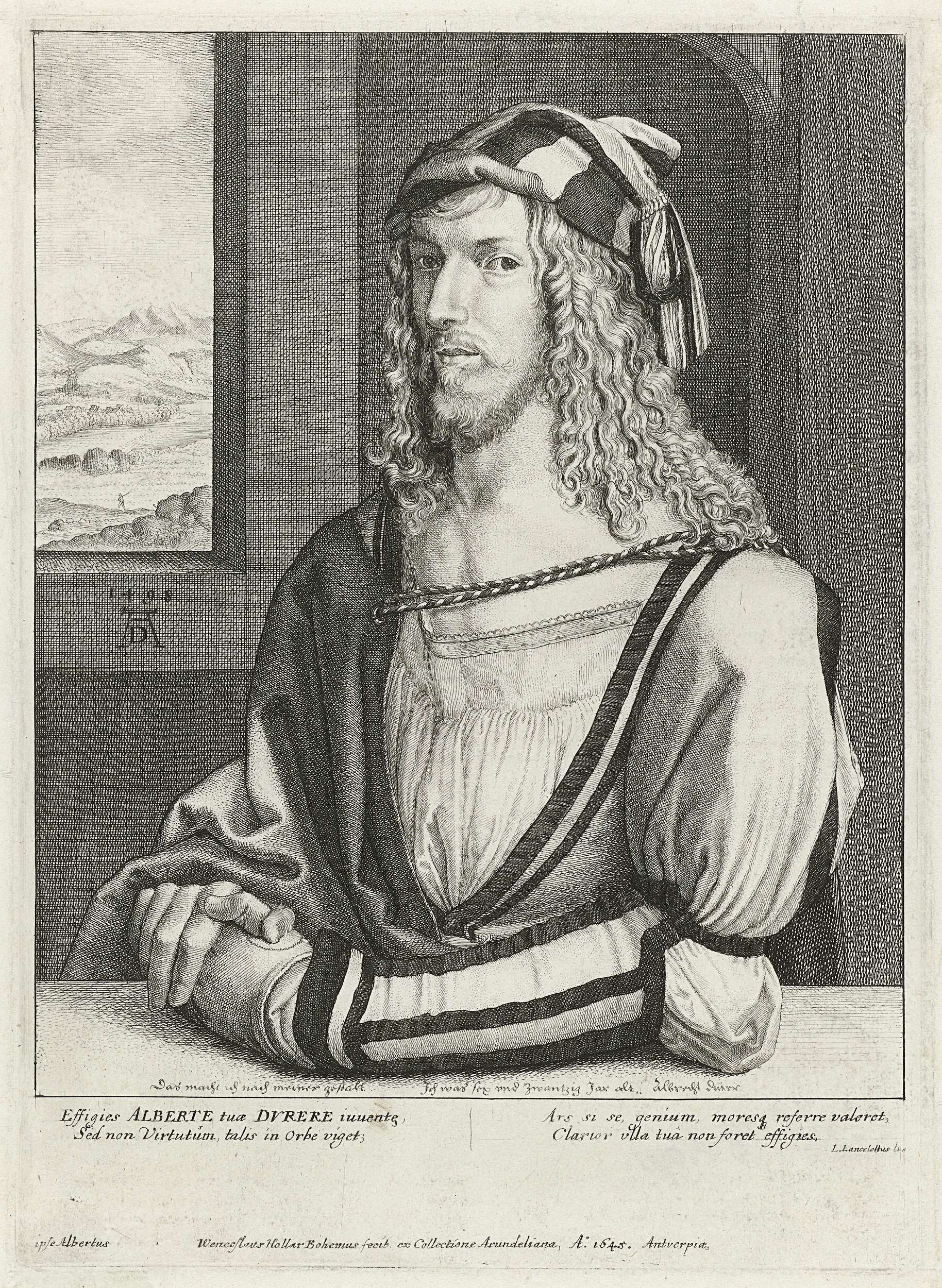
Portret van Albrecht Dürer
Wenceslaus Hollar
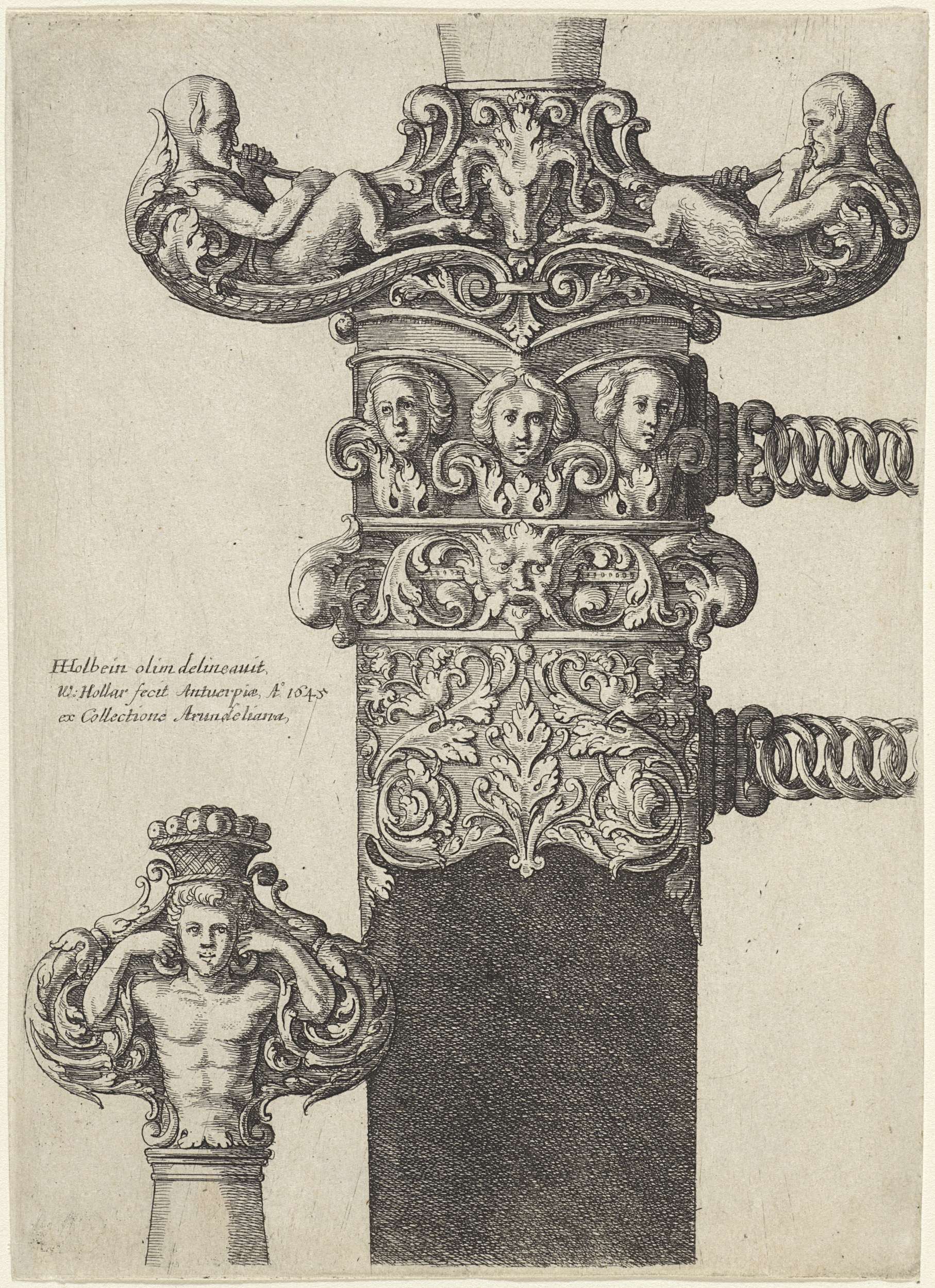
Ornamenteel ontwerp voor een dolk
Wenceslaus Hollar
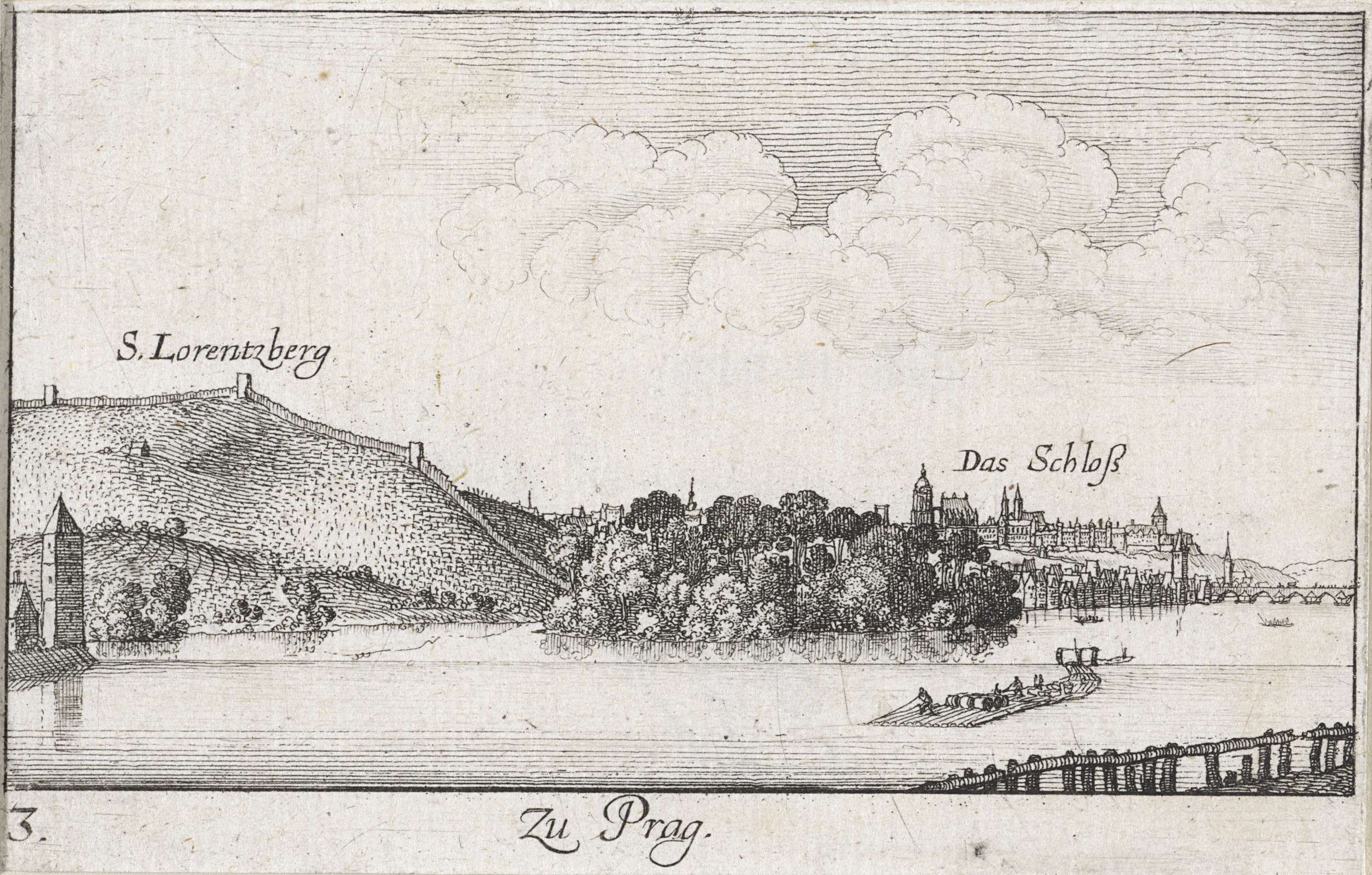
Gezicht op Praag vanaf de Moldau
Wenceslaus Hollar