
Temple of Jupiter Ammon in Libya — History & Facts
In the vast expanse of an ancient landscape, transformation is palpable, waiting to be unearthed. The past lingers in every shadow, whispering tales of gods and civilizations, as the ruins of the Temple of Jupiter Ammon stand resolute against the tides of time. Look closely at the intricate details of the temple façade, where sunlight dapples through the remnants of once-majestic columns. Notice how the ochre and burnt sienna hues evoke the arid climate, while the azure sky looms like a steadfast guardian above.
Mayer masterfully balances light and shadow, creating a harmonious dialogue that breathes life into stone and earth. Your gaze is irresistibly drawn to the interplay of textures, each brushstroke a testament to both decay and perseverance. Yet, beneath this serene exterior lies a profound tension. The grandeur of the temple contrasts sharply with the vast emptiness surrounding it, a stark reminder of lost glory and the relentless march of time.
Elements within the composition hint at the passage of knowledge: cracked surfaces symbolize forgotten wisdom, while the sparse vegetation speaks to nature's slow reclamation. This artwork captures a moment suspended between the sacred and the mundane, inviting contemplation on the cycles of history. In 1810, Luigi Mayer painted this piece while immersed in a transformative journey through North Africa. He was part of a wave of artists exploring exotic landscapes, influenced by the burgeoning Romantic movement.
His experiences in Libya not only sparked his artistic vision but also reflected the broader fascination of Europe with the ancient world, a search for enlightenment amidst the ruins of civilization.
More Artworks by Luigi Mayer
Browse all →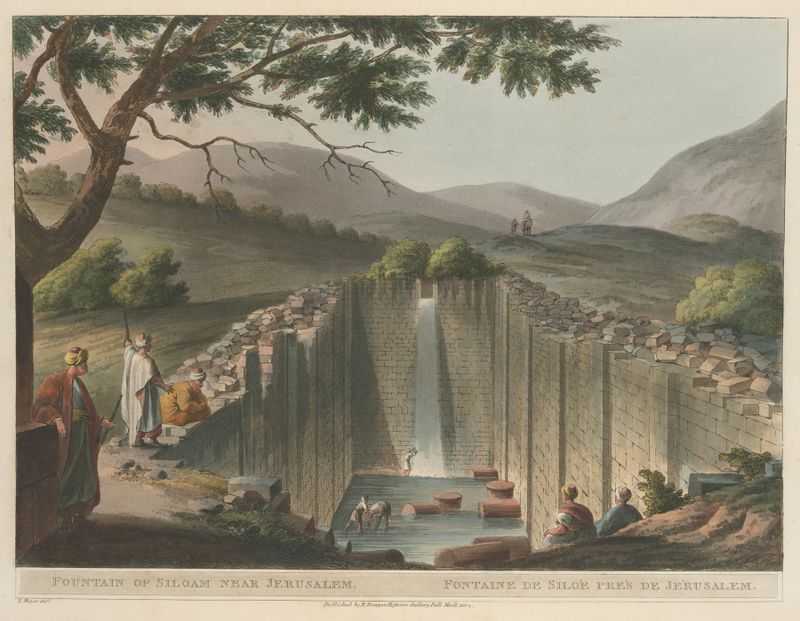
Fountain of Siloam Near Jerusalem
Luigi Mayer

View of the Dardanelles
Luigi Mayer
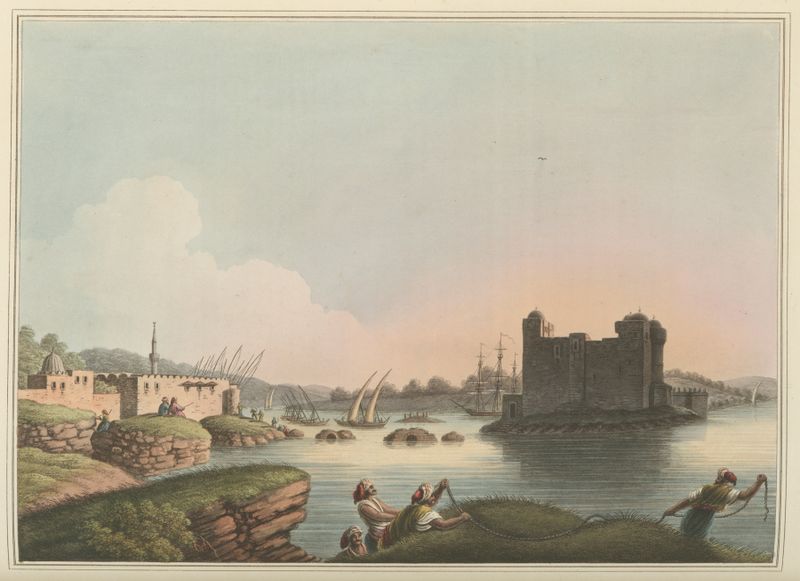
Port of Latachia
Luigi Mayer

Stadium at Ephesus
Luigi Mayer

Ancient Temples at Agrigentum
Luigi Mayer
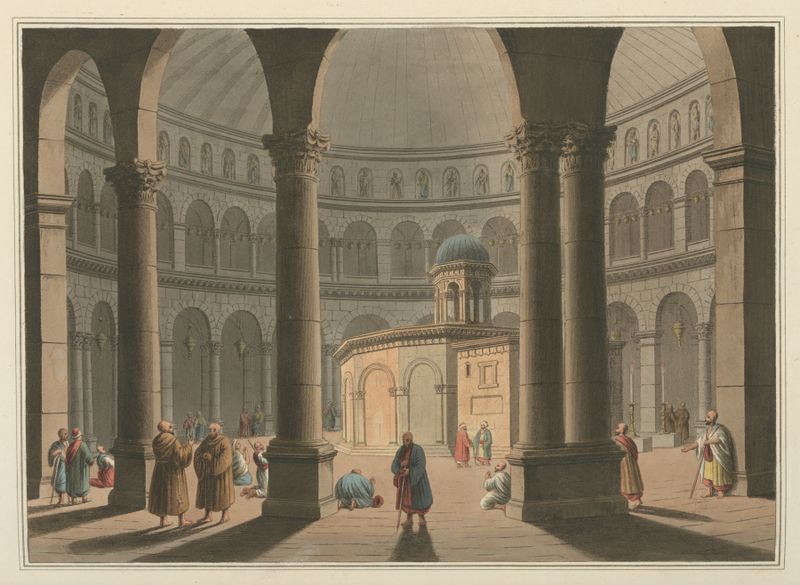
Church of the Holy Sepulchre
Luigi Mayer
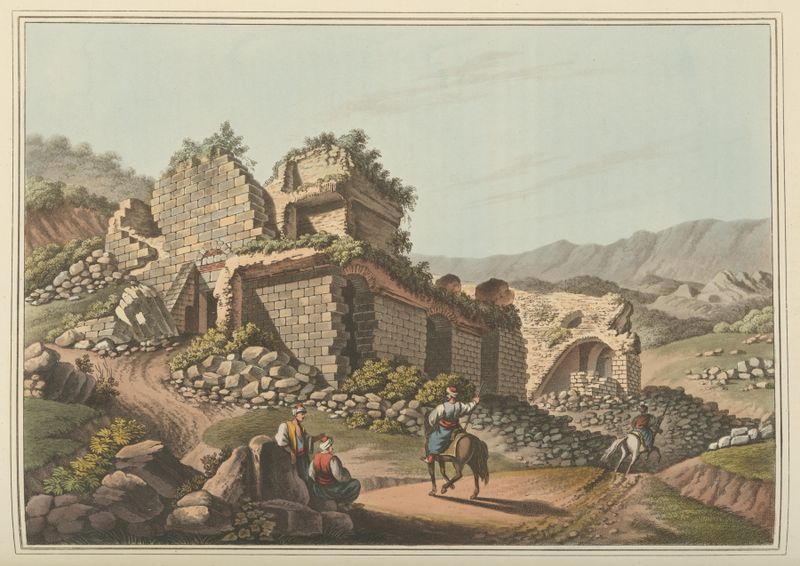
Theatre at Ephesus
Luigi Mayer
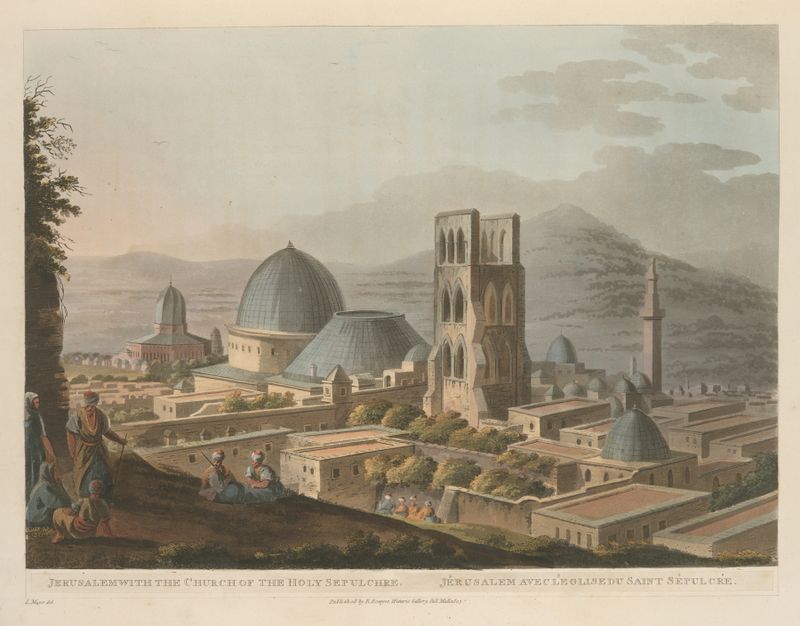
Jerusalem with the Church of the Holy Sepulchre
Luigi Mayer
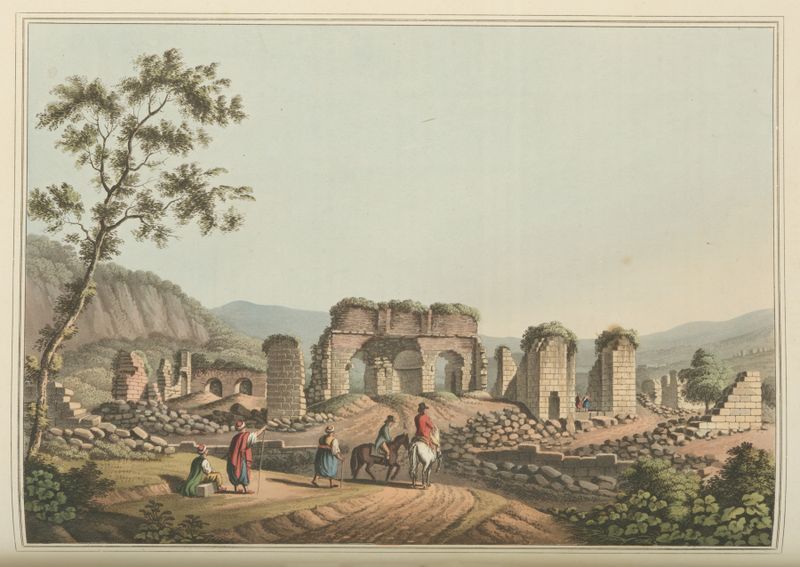
Ruins of the Temple of Diana at Ephesus
Luigi Mayer

Crater in the Island of Volcano
Luigi Mayer





