
Temple of Neptune, Paestum — History & Facts
Who listens when art speaks of silence? In Temple of Neptune, Cass Gilbert presents a haunting yet magnificent tribute to a forsaken grandeur, inviting viewers to contemplate the echoes of history through marble and light. Focus first on the imposing columns that rise against a serene backdrop, their fluted surfaces catching the soft caress of sunlight. The delicate interplay of light and shadow accentuates the sense of scale and permanence, while the warm hues of the stone imbue a sense of nostalgia. Each column stands as a sentinel, whispering stories of ancient rituals, timeworn reverence, and the passage of centuries.
The composition draws you in, urging you to explore the contrasts between the solidity of the structure and the ethereal quality of the surrounding landscape. Delve deeper, and you’ll notice the subtle interplay between the temple’s architectural precision and the organic forms of nature reclaiming the space around it. The creeping vines and the gentle decay of the stones suggest a tension between human creation and the inexorable force of time. This artwork evokes a sense of longing—not just for the past, but for the way art captures the fleeting moments of beauty amidst the silence of forgotten ages. In 1898, when this piece was created, Gilbert was immersing himself in the classical revival that characterized American architecture.
Living in a time when the world was rapidly modernizing, he sought to bridge the historical with the contemporary, reflecting a growing interest in blending tradition with innovation. The Temple of Neptune stands as a testament to this dialogue, embodying both reverence for antiquity and a pioneering spirit in the evolving landscape of art.
More Artworks by Cass Gilbert
Browse all →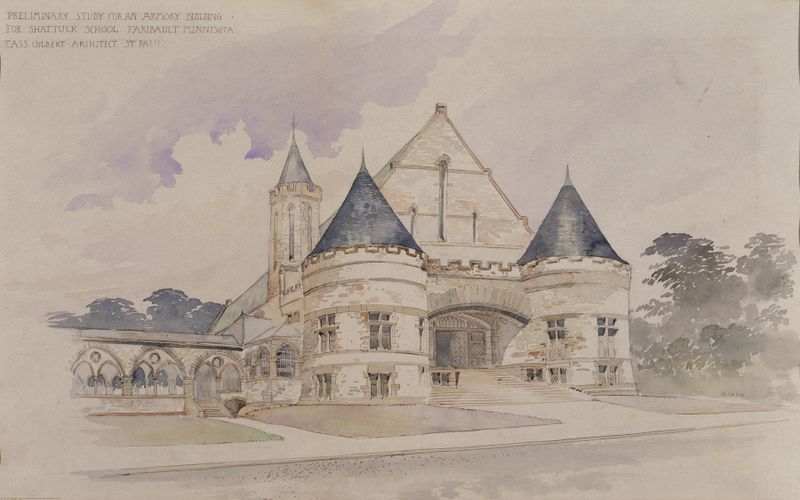
Preliminary study for an Armory Building for Shattuck School, Faribault, Minnesota
Cass Gilbert
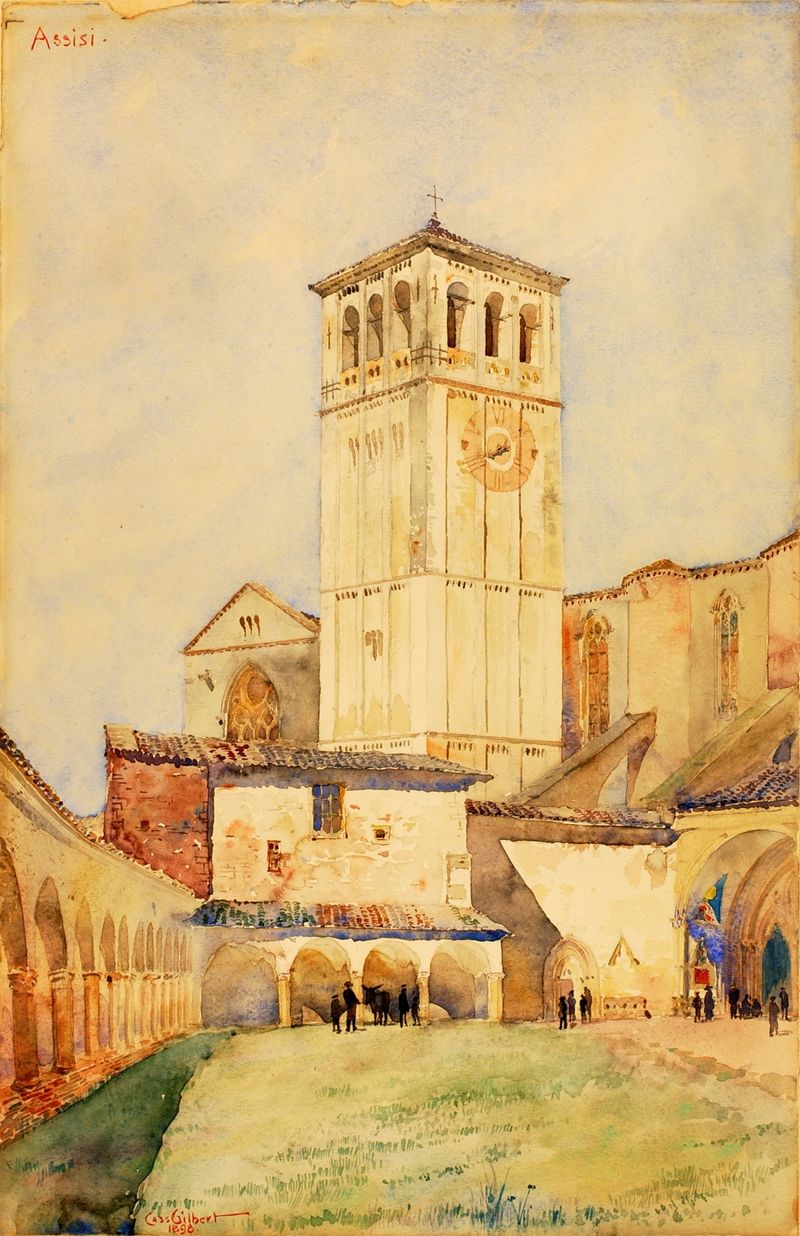
Church of St. Francis, Assisi
Cass Gilbert
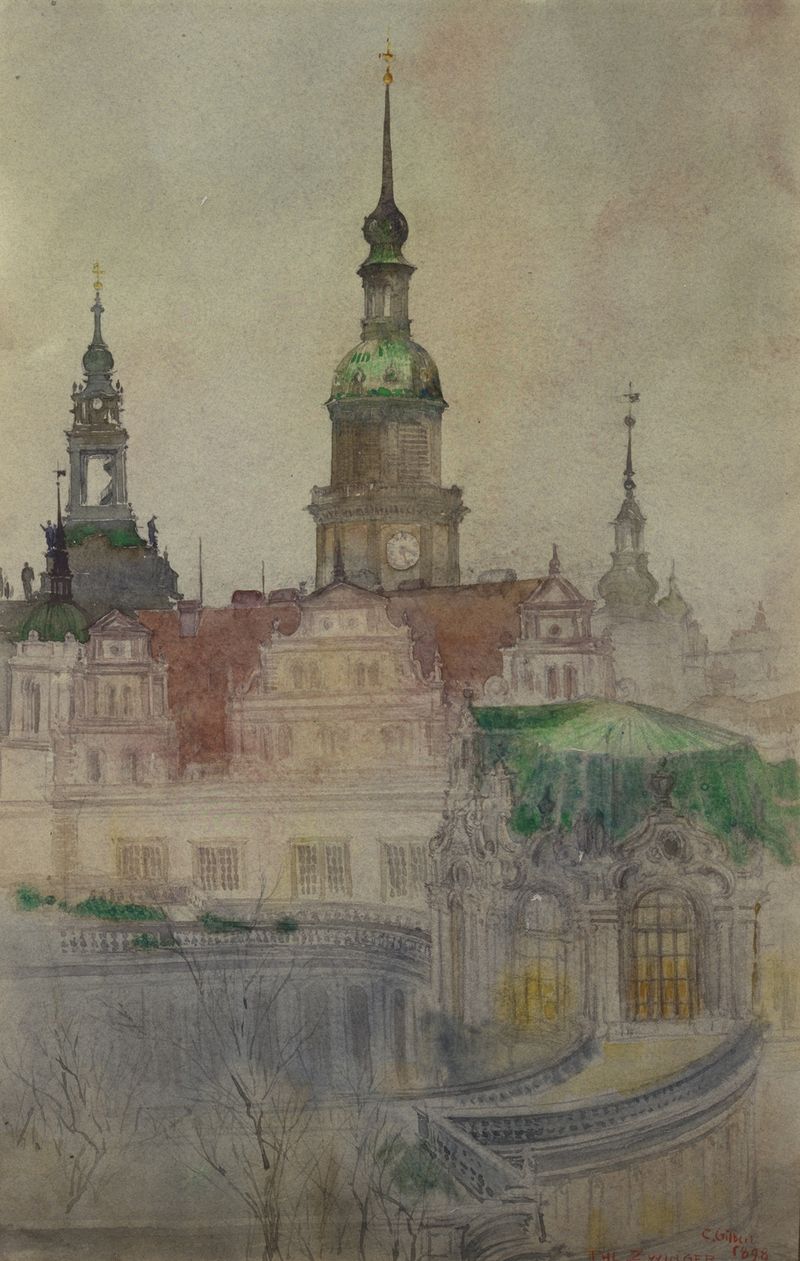
The Zwinger Towers, Dresden
Cass Gilbert

Towers from the City Wall, Nuremberg
Cass Gilbert
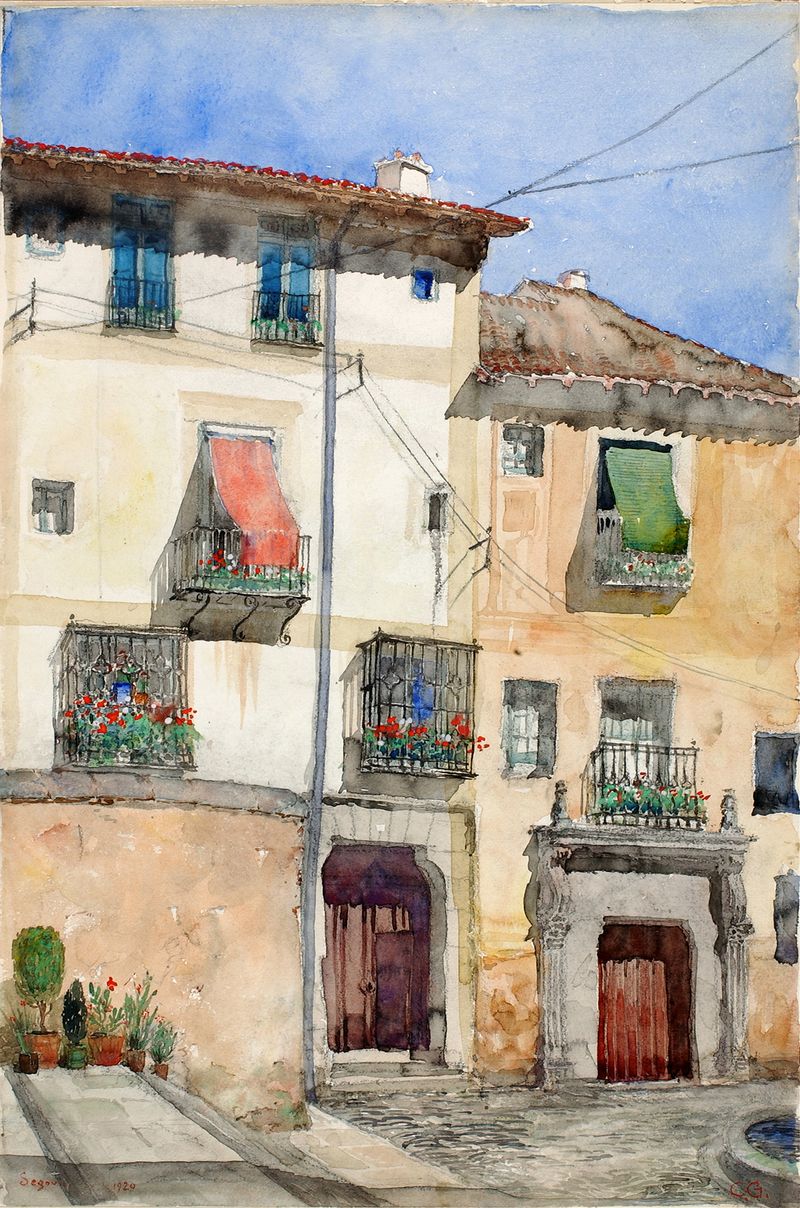
Old House at Segovia, Spain
Cass Gilbert
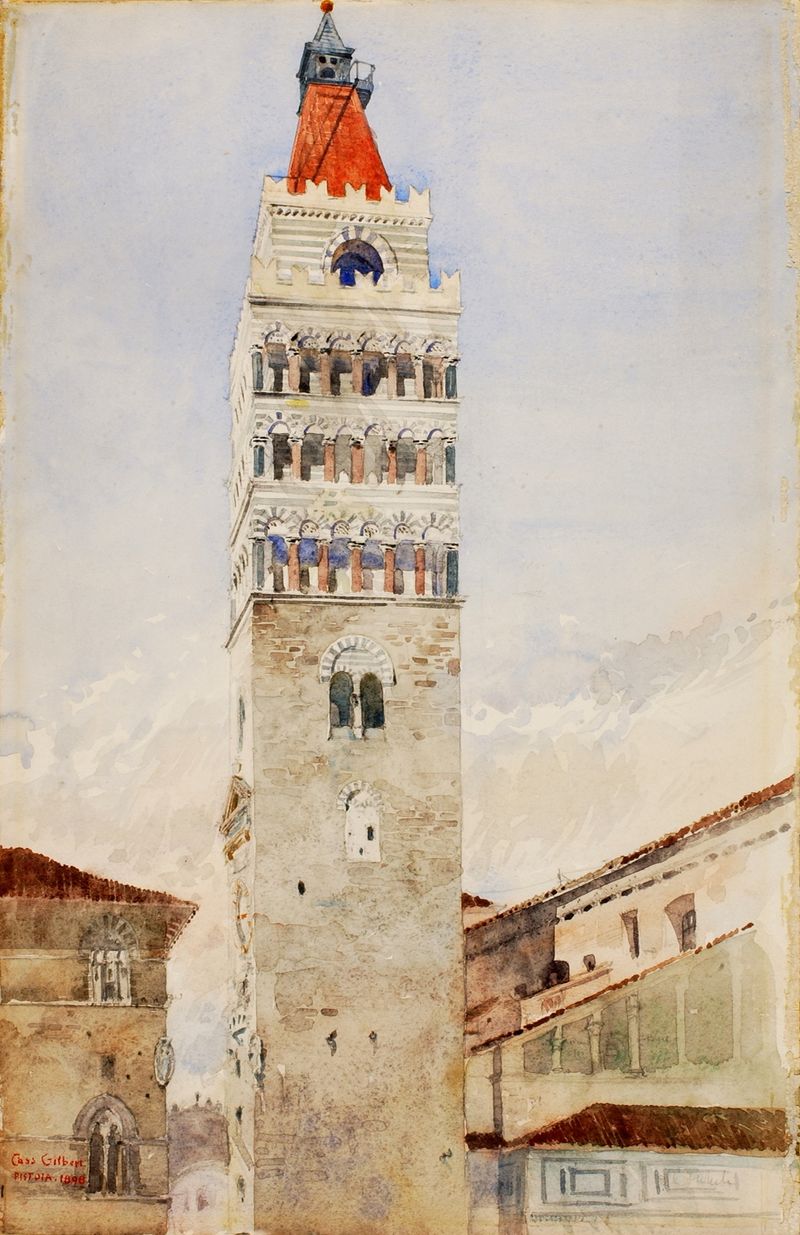
Cathedral Tower, Pistoia, Italy
Cass Gilbert

Cathedral at Monreale, Sicily
Cass Gilbert

Santa Maria Della Salute, Venice
Cass Gilbert
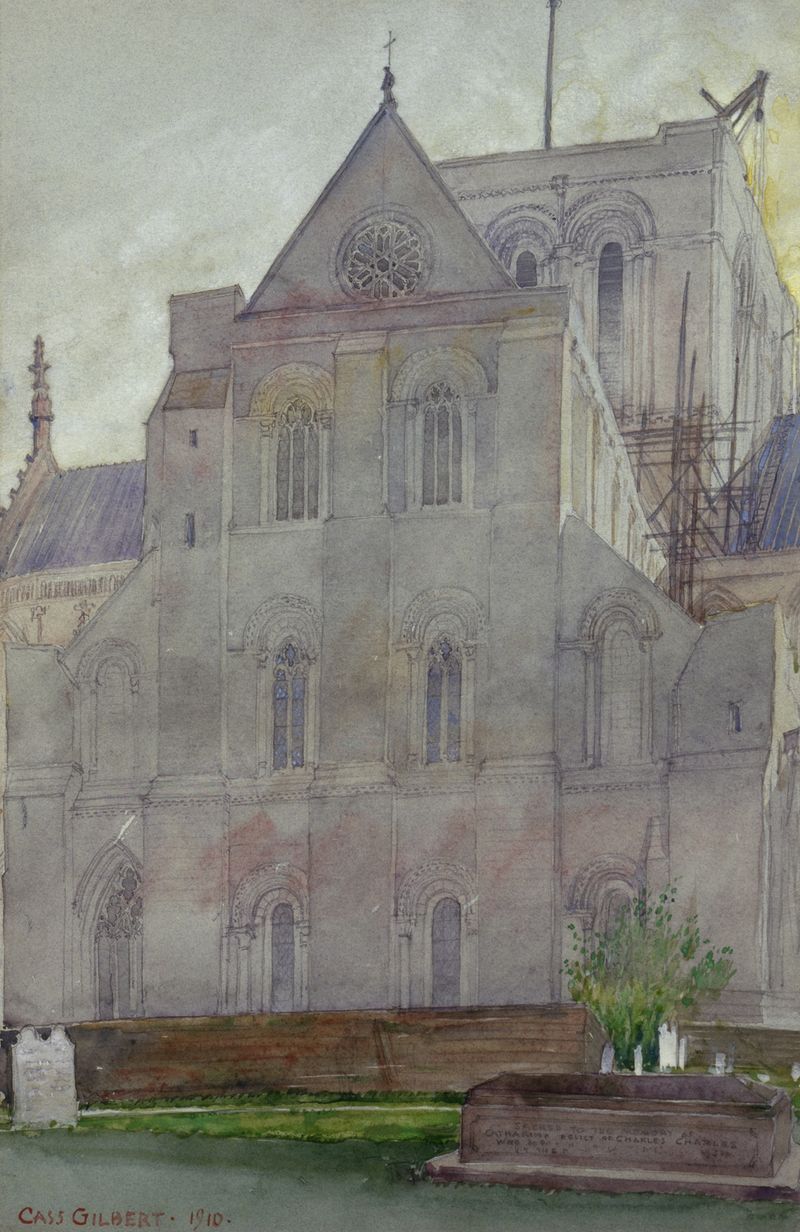
North Transept, Winchester Cathedral, England
Cass Gilbert

Tower of the Cathedral of Utrecht, Holland
Cass Gilbert
More Architecture Art
Browse all →
The statue of Liberty
Frédéric Auguste Bartholdi

View of Houses in Delft, Known as ‘The Little Street’
Johannes Vermeer

View of Houses in Delft, Known as ‘The Little Street’
Johannes Vermeer

The Cathedral in Rouen. The portal, Grey Weather
Claude Monet

The yellow house
Vincent van Gogh

The Church in Auvers-sur-Oise, View from the Chevet
Vincent van Gogh