
Temple of Solomon — History & Facts
In the bustling corridors of art and history, truth lies waiting, veiled in the strokes of a master’s hand. Focus on the intricate architectural details that soar through Temple of Solomon. The grandeur of the structure draws the eye immediately, with soaring columns and delicate carvings that seem to whisper stories of a time long past. Notice how the artist employs warm, golden hues that reflect the sunlight filtering through the ethereal clouds, bathing the temple in a light that evokes both reverence and nostalgia.
The deliberate placement of shadows creates a dynamic tension, suggesting a moment suspended in time. Yet, beneath its beauty, this painting carries profound meanings. The temple itself signifies a meeting point of the divine and the earthly, representing humanity's quest for sacred truth. The lush greenery that surrounds the imposing structure stands in contrast to the man-made magnificence, evoking the tension between nature and civilization.
These subtle details invite viewers to ponder not just the aesthetic, but the deeper truths of existence, longing, and the passage of time. Complete in 1810, this piece emerged from Mayer’s engagement with the neoclassical movement, reflecting his fascination with historical themes. Painting during a period when Europe was undergoing significant transformations, he sought to bridge the realms of art and architecture, capturing the essence of ancient wonders. The world was shifting, yet the artist anchored himself in the timeless pursuit of truth through his renderings of extraordinary sites.
More Artworks by Luigi Mayer
Browse all →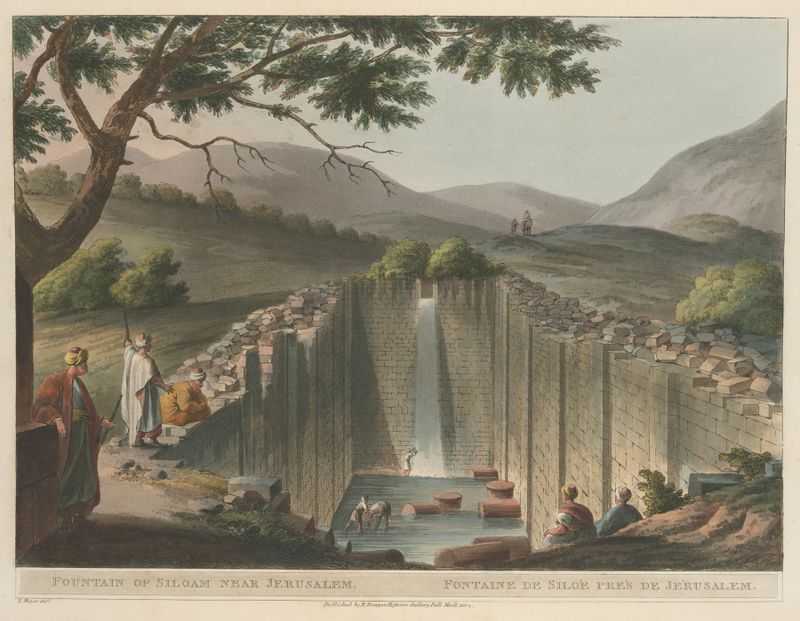
Fountain of Siloam Near Jerusalem
Luigi Mayer

View of the Dardanelles
Luigi Mayer
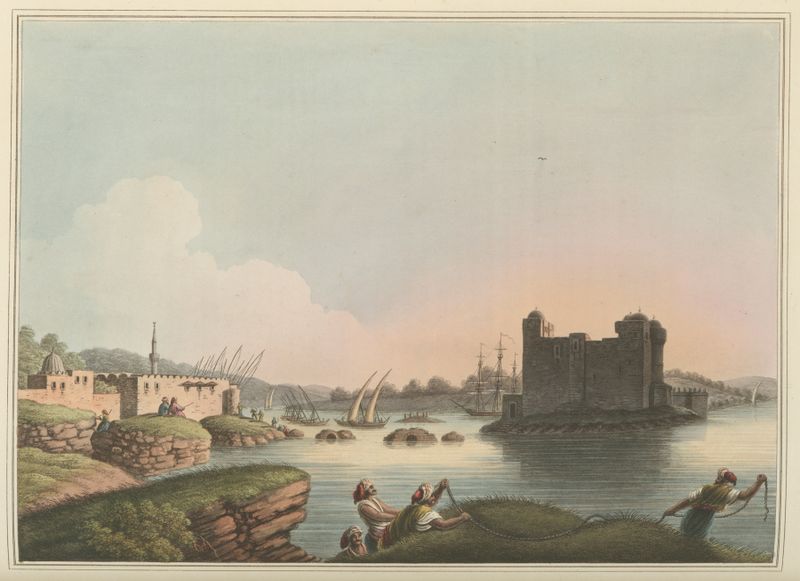
Port of Latachia
Luigi Mayer

Stadium at Ephesus
Luigi Mayer

Ancient Temples at Agrigentum
Luigi Mayer
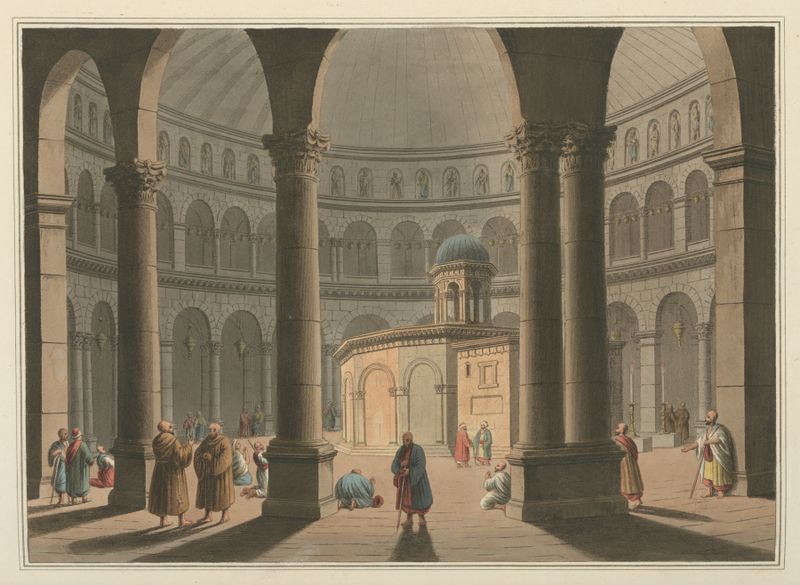
Church of the Holy Sepulchre
Luigi Mayer
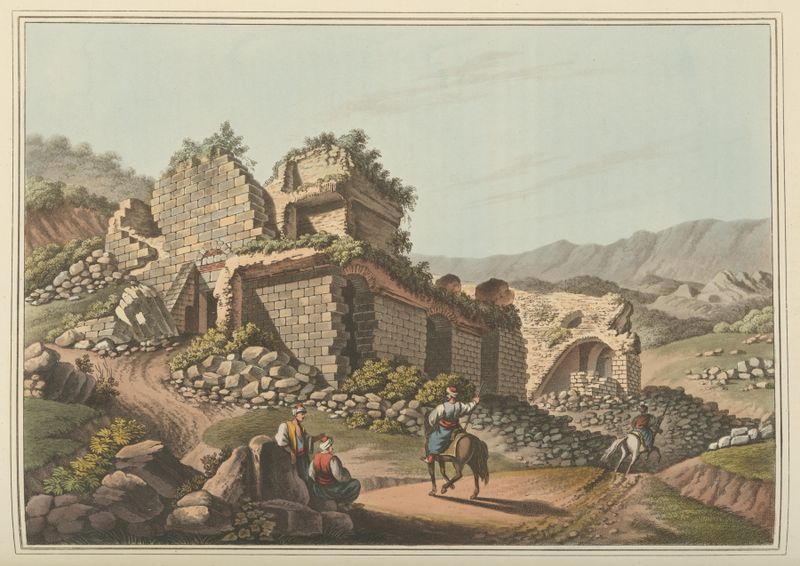
Theatre at Ephesus
Luigi Mayer
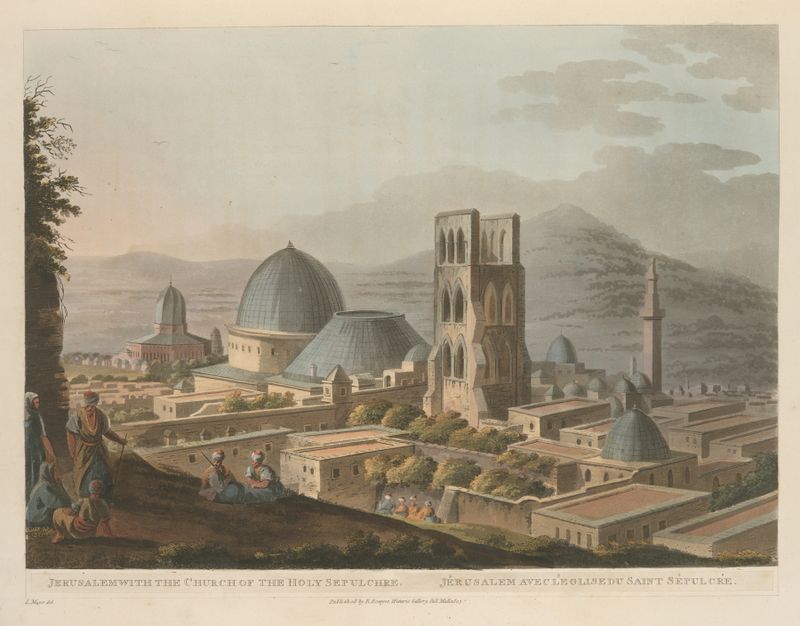
Jerusalem with the Church of the Holy Sepulchre
Luigi Mayer
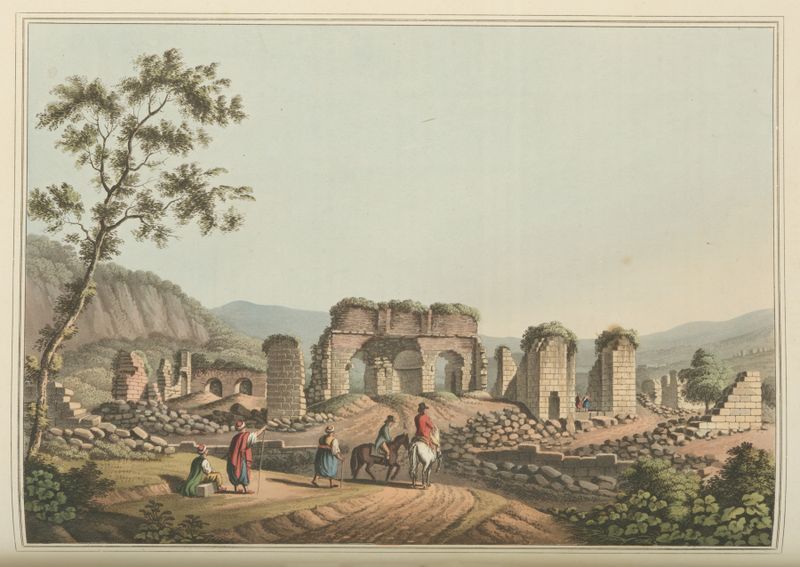
Ruins of the Temple of Diana at Ephesus
Luigi Mayer

Crater in the Island of Volcano
Luigi Mayer
More Architecture Art
Browse all →
The statue of Liberty
Frédéric Auguste Bartholdi

View of Houses in Delft, Known as ‘The Little Street’
Johannes Vermeer

View of Houses in Delft, Known as ‘The Little Street’
Johannes Vermeer

The Cathedral in Rouen. The portal, Grey Weather
Claude Monet

The yellow house
Vincent van Gogh

The Church in Auvers-sur-Oise, View from the Chevet
Vincent van Gogh