
Temple of Venus, Baiae — History & Facts
This sentiment rings true as one gazes upon the serene facade of a crumbling temple entwined with the whispers of betrayal. The ruins speak not only of ancient glory but also of the fleeting nature of love and ambition, revealing layers of emotion that lie beneath their silvery surfaces. Look to the center of the canvas where the elegant columns rise, their classical forms contrasting with the encroaching decay. Notice how the soft, golden light bathes the scene, highlighting the delicate details of the architecture while casting long, melancholic shadows.
The lush greenery around the temple provides a vibrant backdrop, but it is the interplay of light and shadow that breathes life into the ruins, suggesting the beauty of what once was. The juxtaposition of the temple’s regal past and its current state of disrepair evokes a profound sense of loss. Leafy tendrils creeping over stone surfaces serve as a reminder of how nature lays claim to that which is forgotten. The viewer might reflect on the silent betrayal of time, as the temple, once a symbol of love and devotion, now stands as a poignant reminder of abandonment and decay. Richard Wilson created this masterpiece between 1760 and 1765 during a period marked by the rise of Romanticism, where artists began to explore themes of ruins and nostalgia.
Living in England, he was influenced by the picturesque qualities of Italian landscapes, which inspired his works that often fused natural beauty with historical context. This piece reflects his ongoing fascination with the transience of beauty and the stories buried within the remnants of the past.
More Artworks by Richard Wilson
Browse all →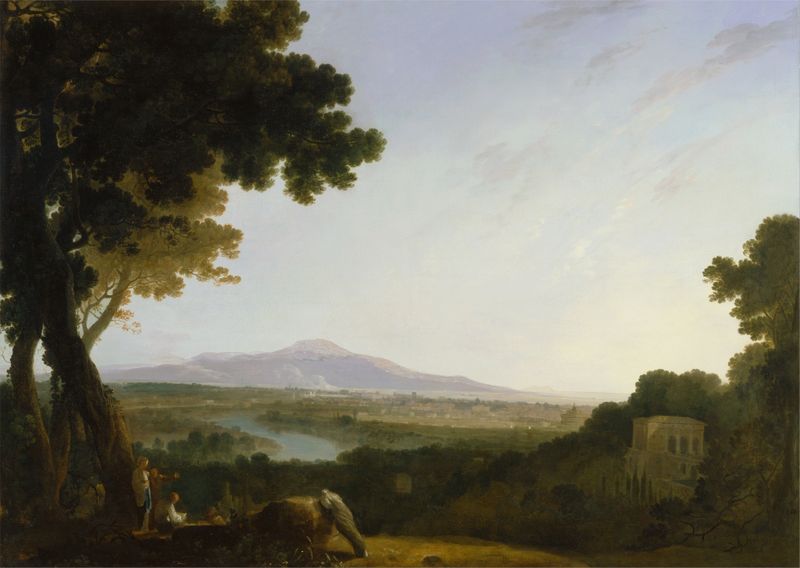
Rome from the Villa Madama
Richard Wilson
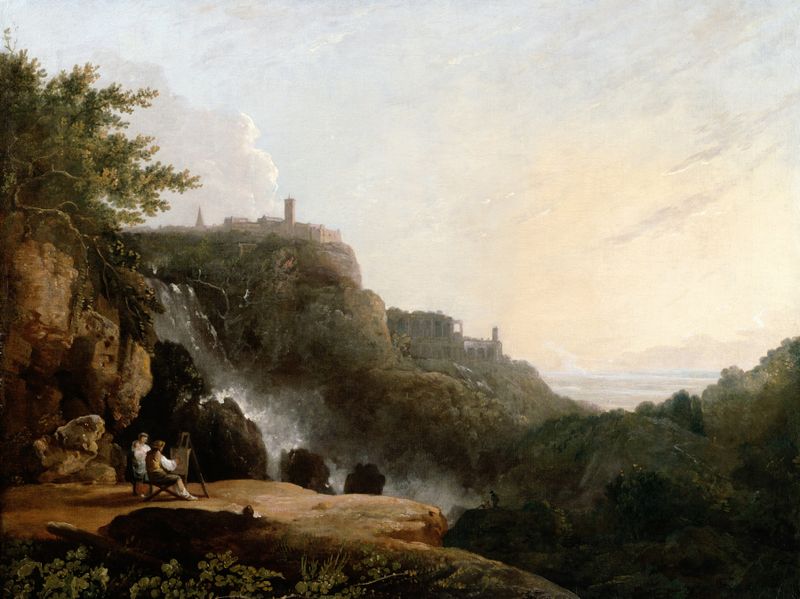
View of Tivoli- the Cascatelle and the ‘Villa of Maecenas’
Richard Wilson
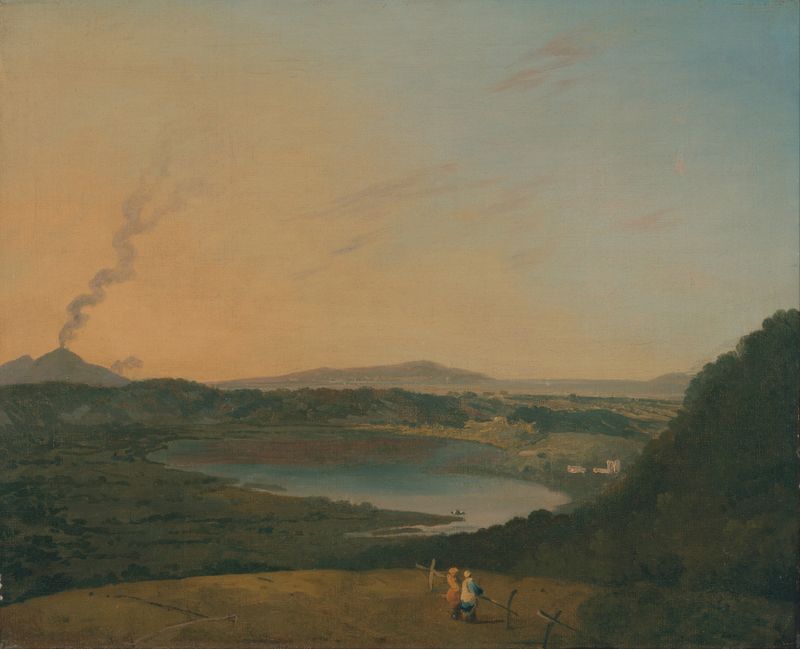
Lago d’Agnano with Vesuvius in the distance
Richard Wilson
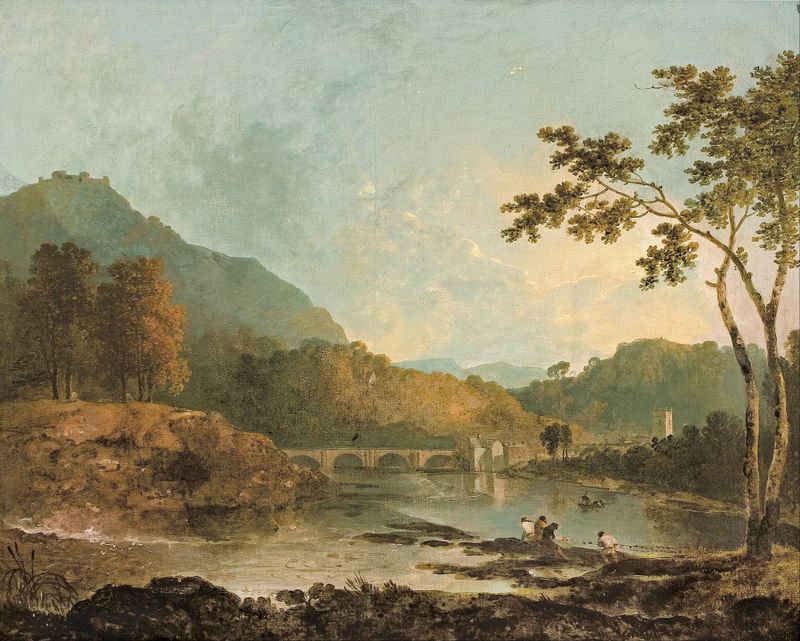
Dinas Bran from Llangollen
Richard Wilson
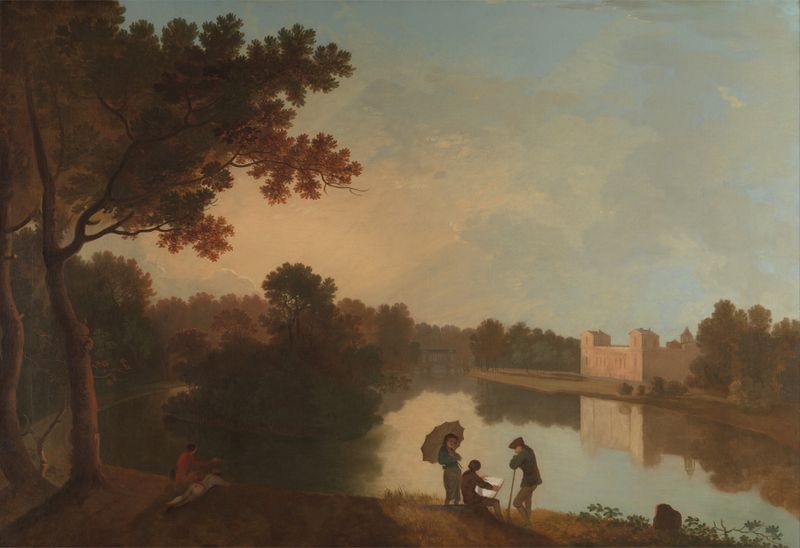
Wilton House from the Southeast
Richard Wilson
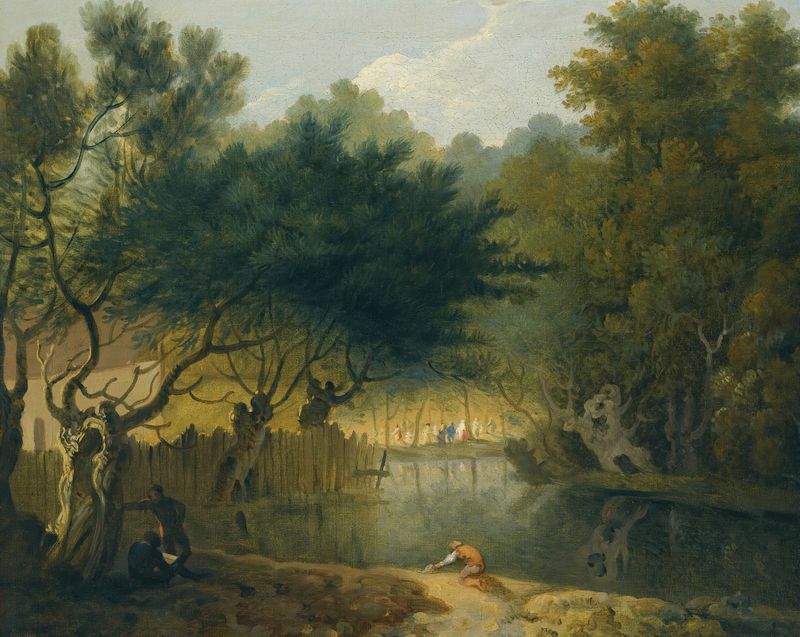
A View Of St. James’s Park, London
Richard Wilson
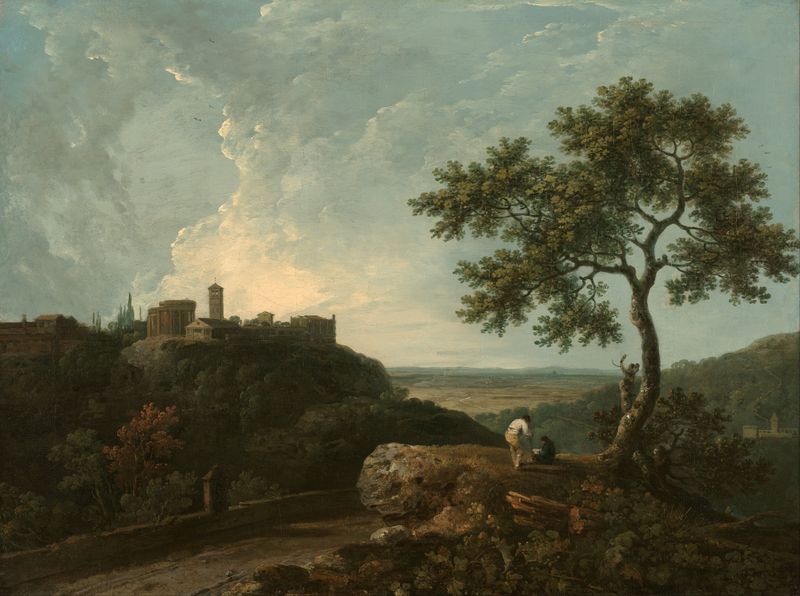
Tivoli- The Temple of the Sybil and the Campagna
Richard Wilson
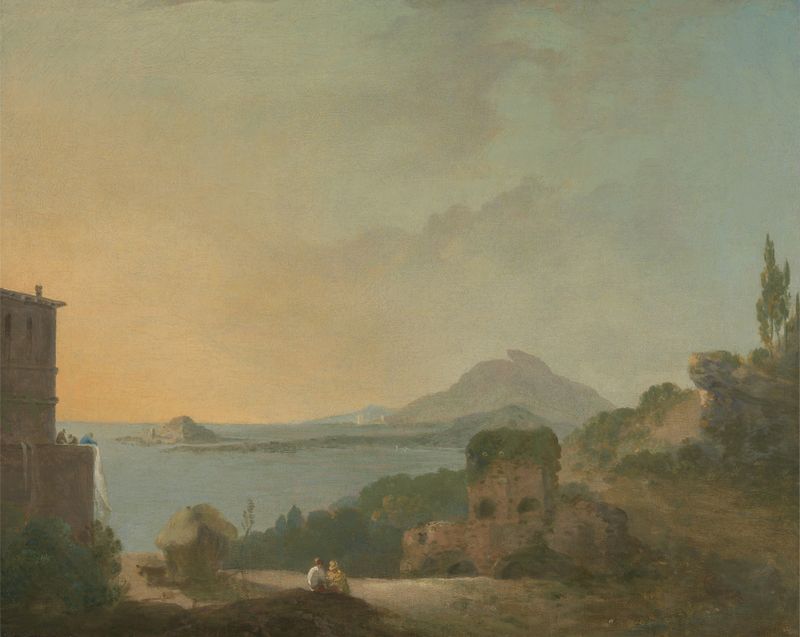
Cicero’s Villa and the Gulf of Pozzuoli
Richard Wilson
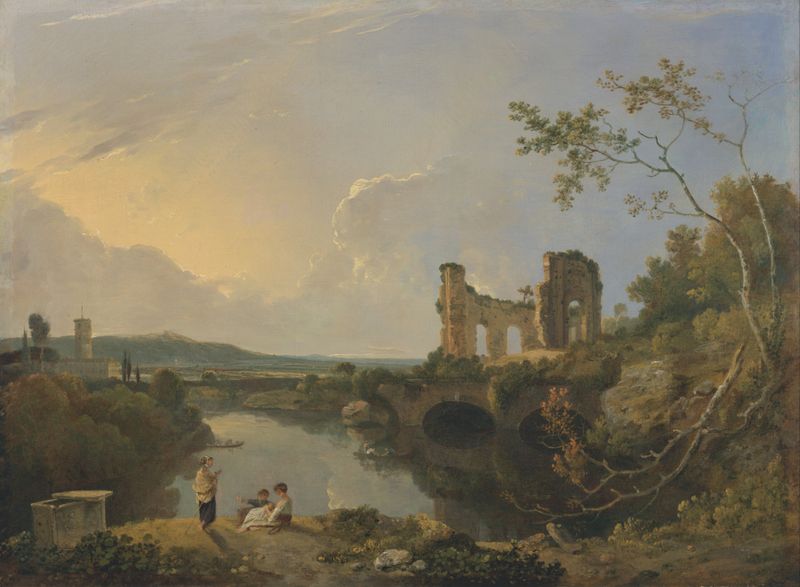
Italian Landscape (Morning)
Richard Wilson
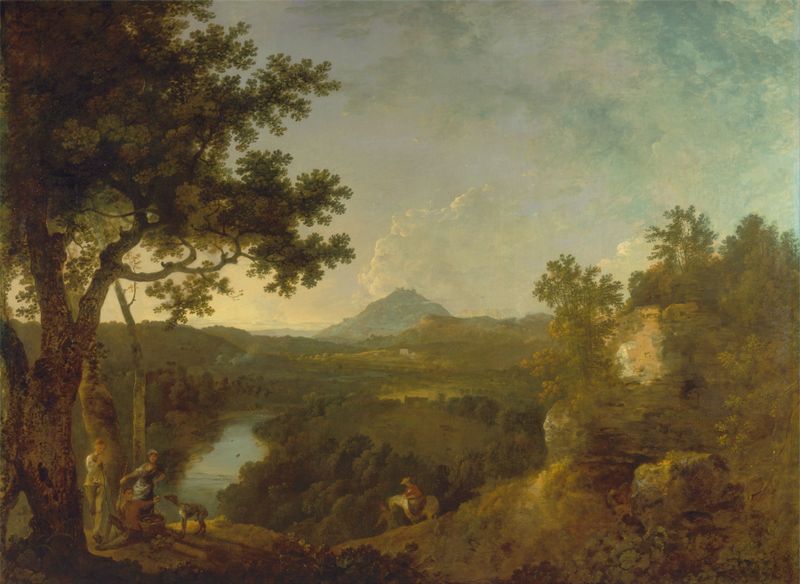
View near Wynnstay, the Seat of Sir Watkin Williams-Wynn, BT.
Richard Wilson
More Architecture Art
Browse all →
The statue of Liberty
Frédéric Auguste Bartholdi

View of Houses in Delft, Known as ‘The Little Street’
Johannes Vermeer

View of Houses in Delft, Known as ‘The Little Street’
Johannes Vermeer

The Cathedral in Rouen. The portal, Grey Weather
Claude Monet

The yellow house
Vincent van Gogh

The Church in Auvers-sur-Oise, View from the Chevet
Vincent van Gogh