
Templum Matutae, Templum Fortunae, Templum Pietatis, Porticus Octaviae, Theatrum Marcelli — History & Facts
In the stillness of a forgotten place, the yearning for connection reverberates through the echo of ancient structures. This artwork is an invitation to explore the haunting beauty of memory, where the past lingers within the shadows of grand architecture. Look to the left, where the delicate arches rise against a pale sky, each line meticulously crafted to evoke a sense of elegance and nostalgia. The muted palette of soft grays and earthy tones enhances the somber mood, while splashes of light illuminate the stonework, revealing intricate details that often go unnoticed.
The composition draws your eye toward the distant horizon, where the buildings stand as silent witnesses to time’s passage. Within this scene, contrasts abound—between grandeur and decay, presence and absence. The juxtaposition of the robust structures against the desolate surroundings speaks of ambition long forgotten, of lives once vibrant now reduced to whispers. Each crevice and shadow holds secrets, inviting the viewer to ponder the stories behind the stones, the hopes that once soared within these walls. In 1882, Christoph Ziegler was immersed in a world that was rapidly modernizing, but his heart remained entwined with the classical past.
Painted during a period of artistic exploration in Germany, this piece reflects his fascination with history and architecture as repositories of emotion, capturing both the spirit of antiquity and the melancholy of what has been lost.
More Artworks by Christoph Ziegler
Browse all →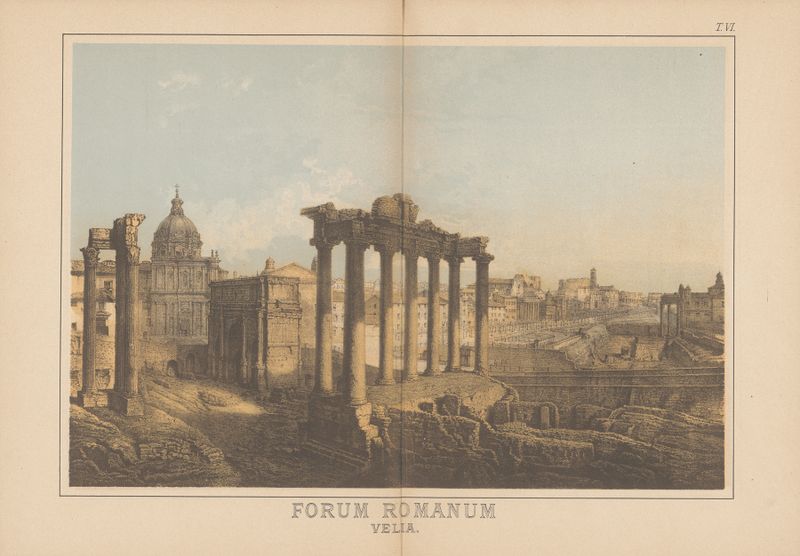
Forum Romanum
Christoph Ziegler
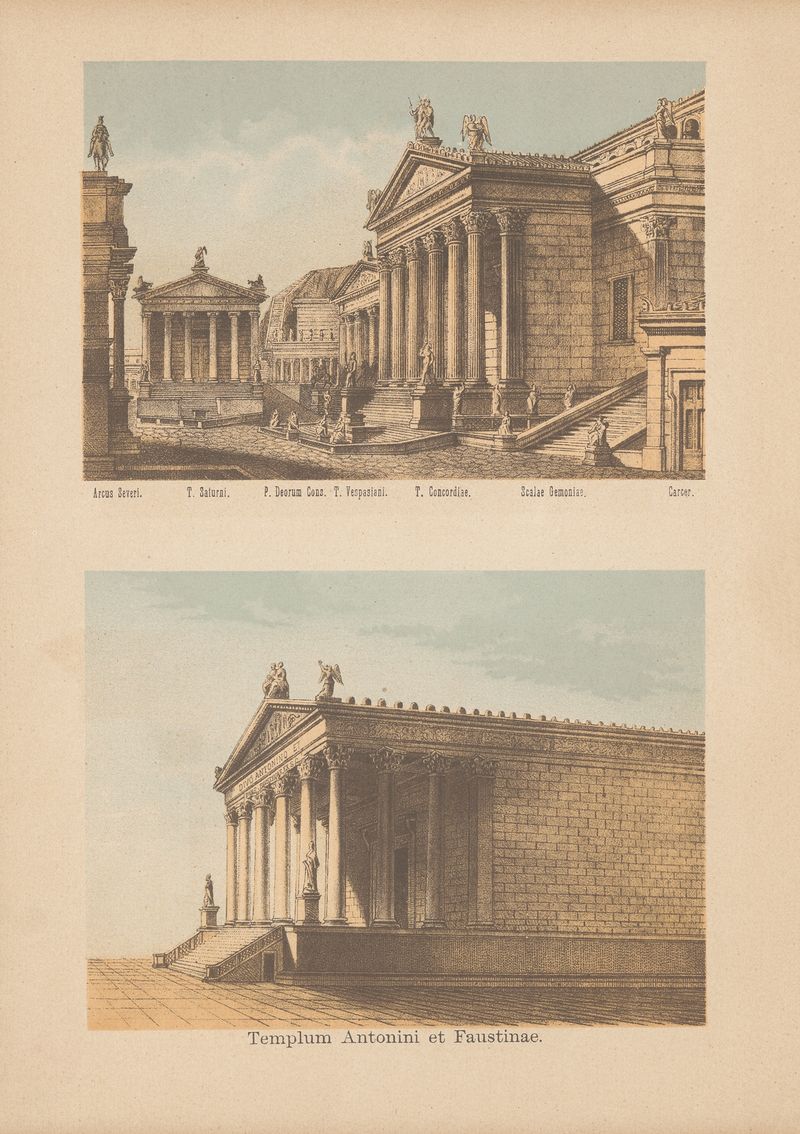
Templum Antonini et Faustinae
Christoph Ziegler
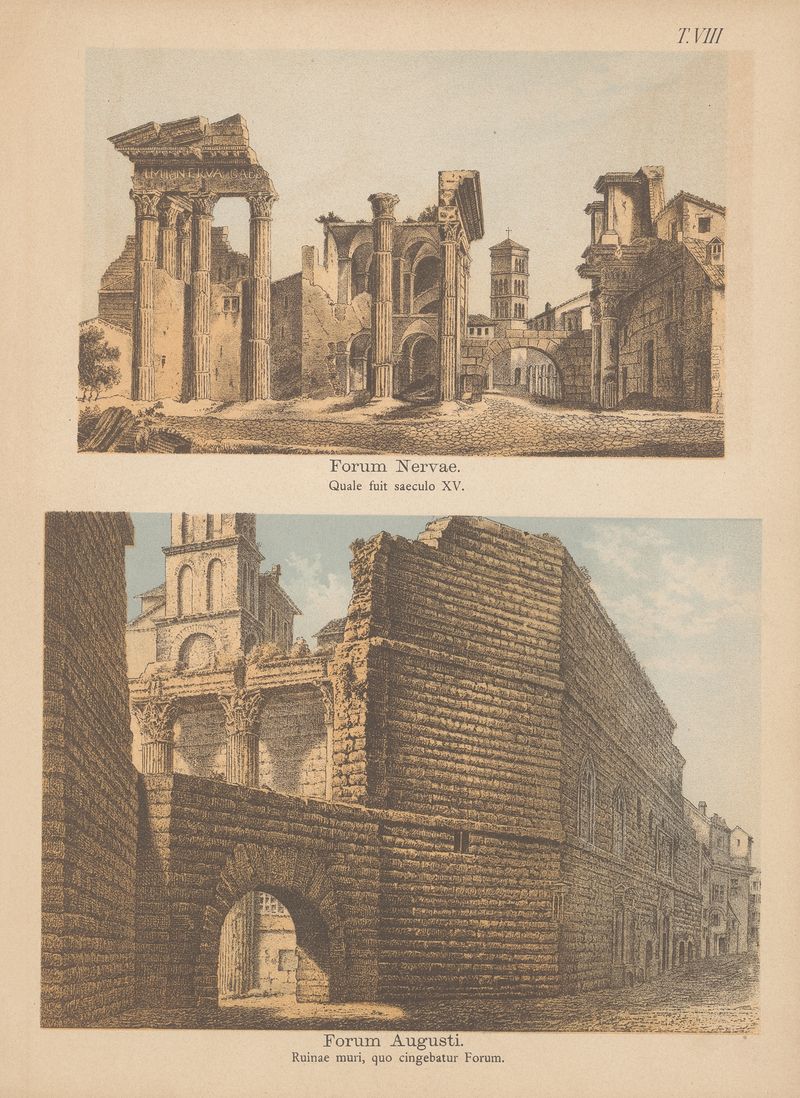
Forum Nervae, Forum Augusti
Christoph Ziegler
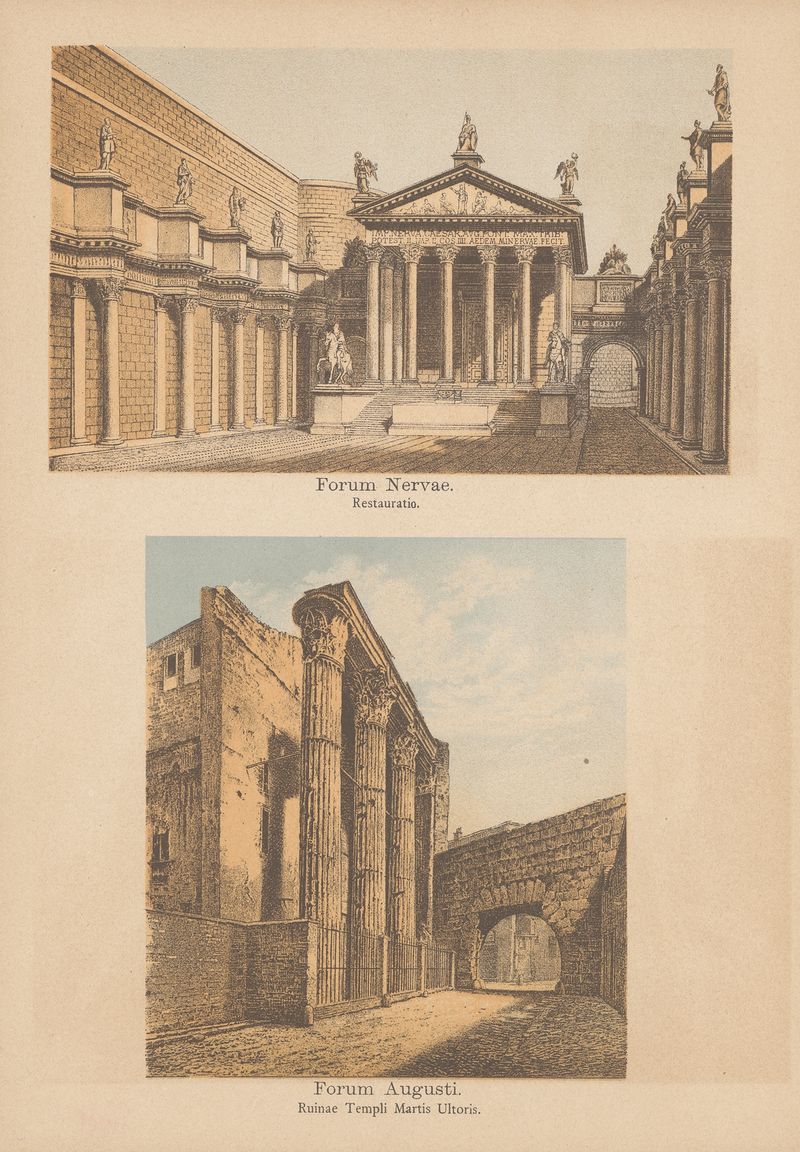
Forum Nervae, Forum Augusti
Christoph Ziegler
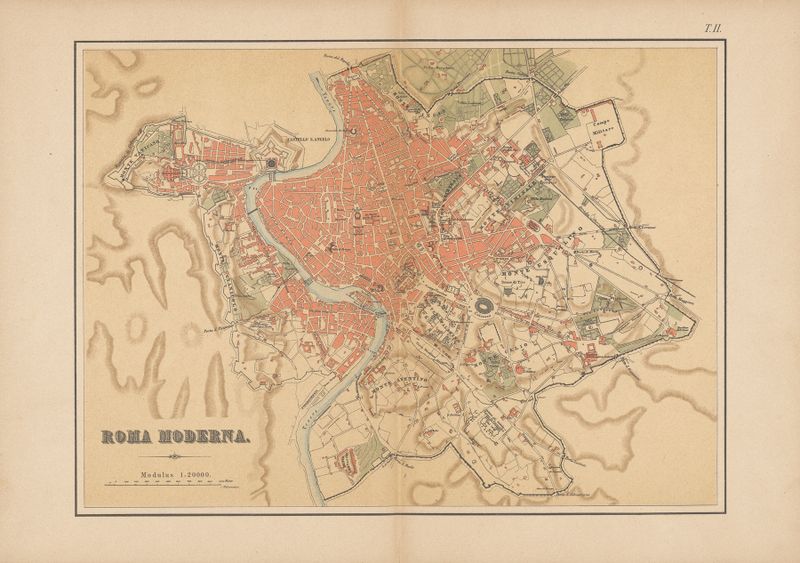
Plan des neuen Rom
Christoph Ziegler
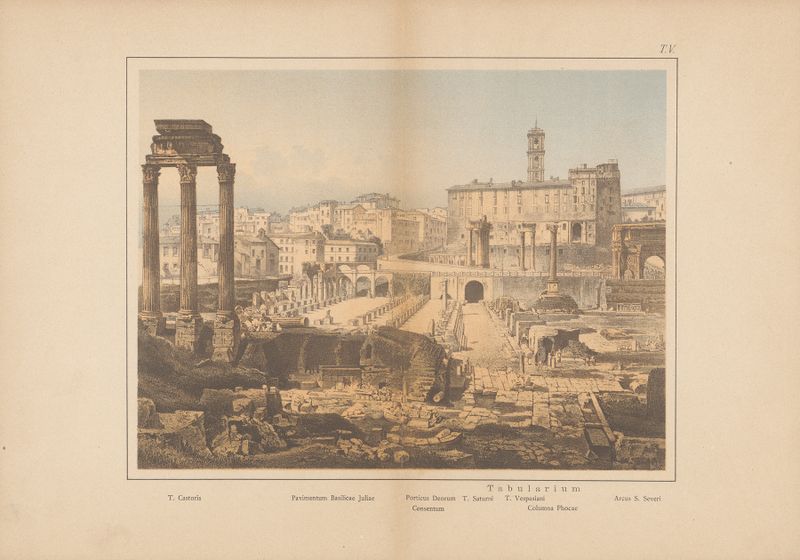
Tabularium
Christoph Ziegler
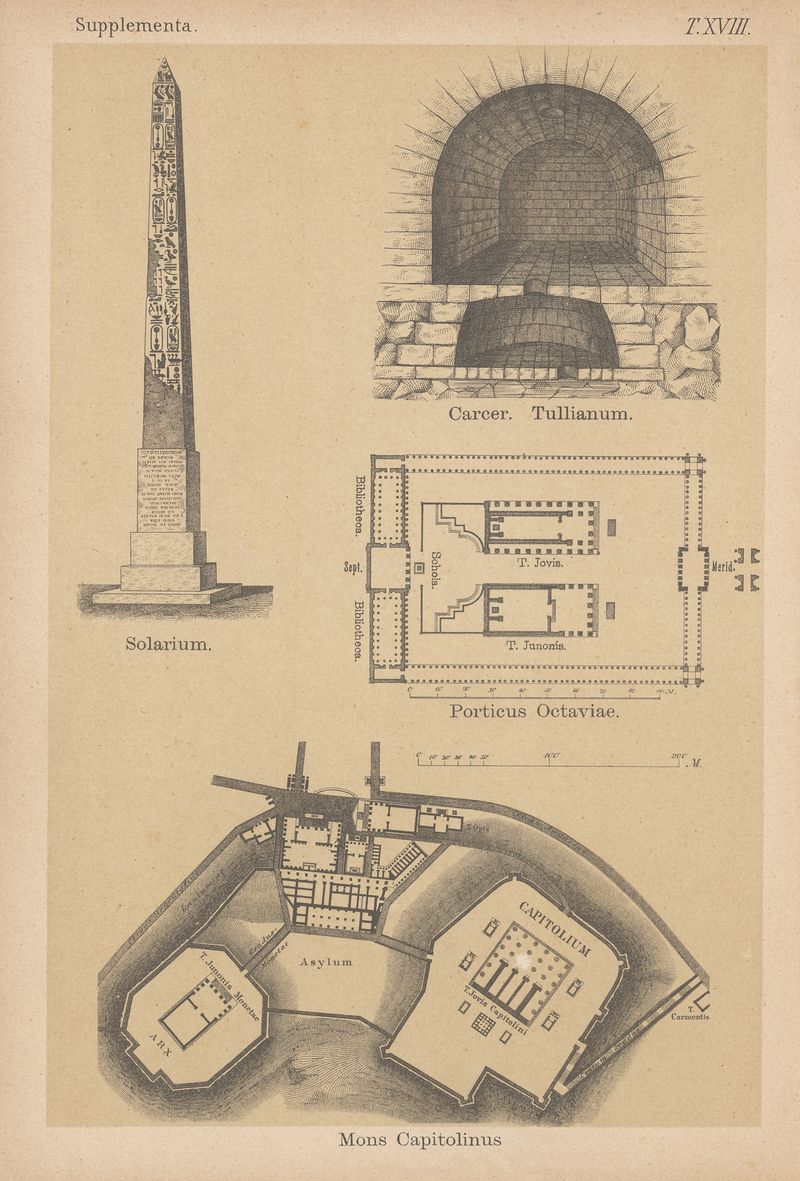
Mons Capitolinus
Christoph Ziegler
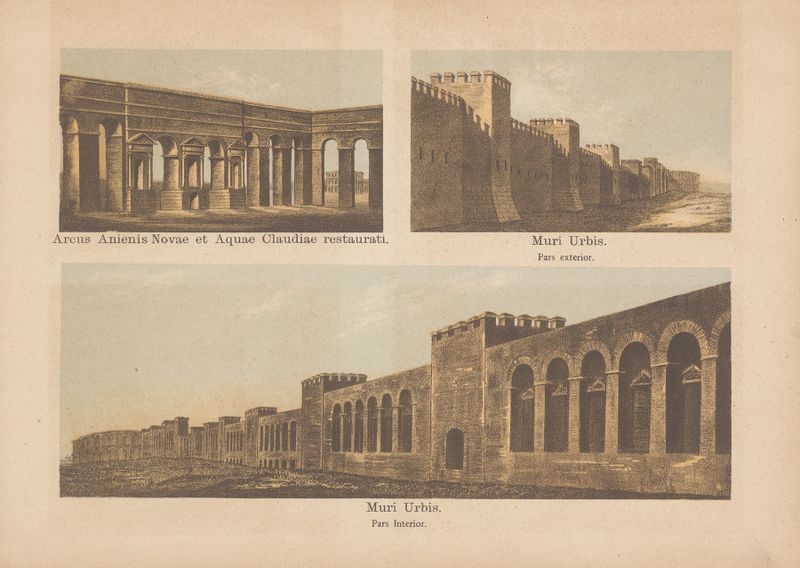
Arcus Anienis Novae, Muri urbis
Christoph Ziegler
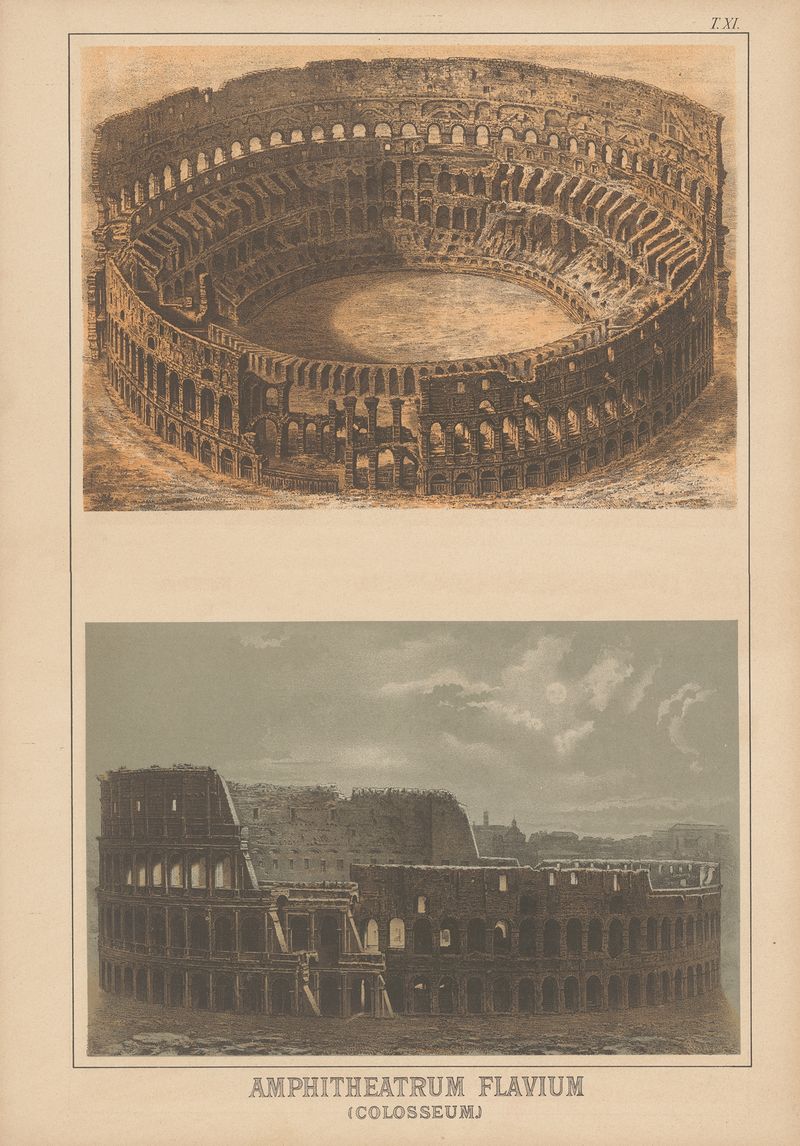
Amphitheatrum Flavium (Colosseum)
Christoph Ziegler
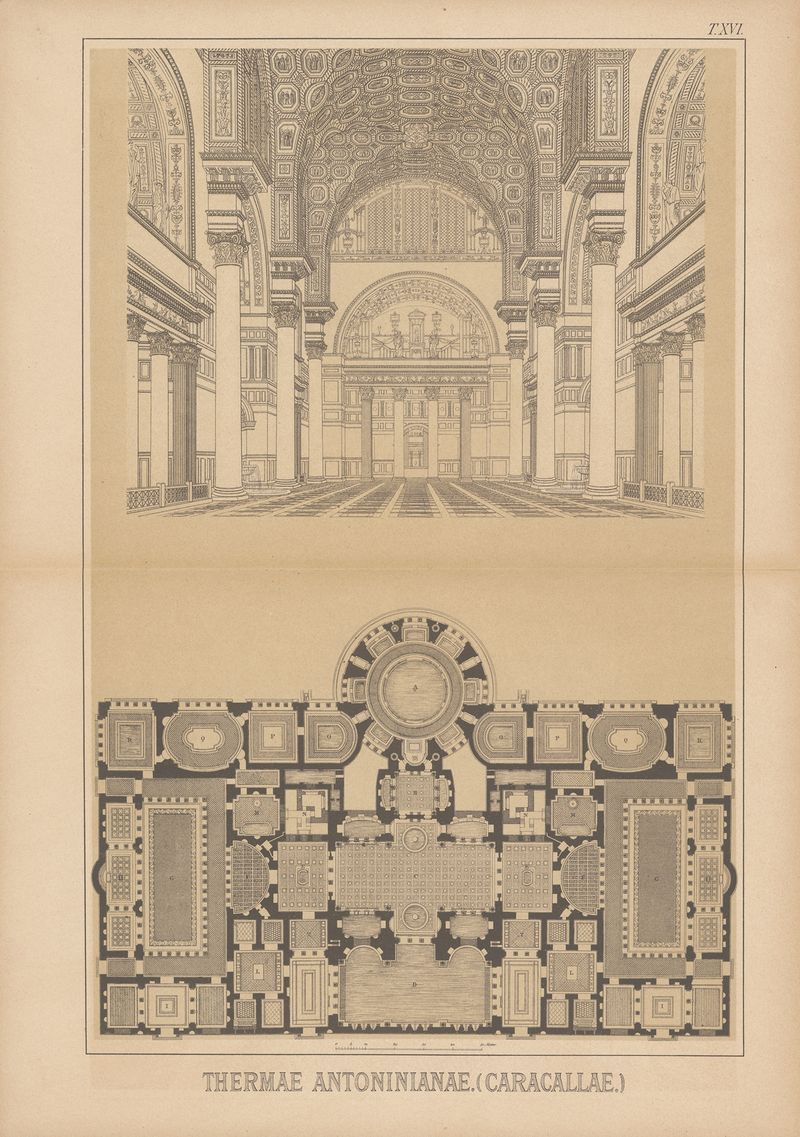
Thermae Antoninianae (Caracallae)
Christoph Ziegler
More Architecture Art
Browse all →
The statue of Liberty
Frédéric Auguste Bartholdi

View of Houses in Delft, Known as ‘The Little Street’
Johannes Vermeer

View of Houses in Delft, Known as ‘The Little Street’
Johannes Vermeer

The Cathedral in Rouen. The portal, Grey Weather
Claude Monet

The yellow house
Vincent van Gogh

The Church in Auvers-sur-Oise, View from the Chevet
Vincent van Gogh