
Terapia — History & Facts
In a world where turmoil lurks beneath the surface, beauty emerges as a powerful antidote. Begin your exploration in the lower right corner, where delicate strokes of muted colors invite you to witness a serene moment of introspection. The composition is anchored by a figure seated in quiet contemplation, surrounded by a lush, verdant landscape that hints at both tranquility and hidden chaos. Notice how light dances across the canvas, illuminating the figure's gentle features, while shadows weave through the foliage, suggesting the tumultuous emotions lying just beneath the surface. As you delve deeper, consider the contrast between the figure’s calm expression and the vibrant, swirling colors of the surrounding flora.
The interplay of light and dark evokes a sense of duality, embodying the tension between inner peace and external turmoil. Each brushstroke carries the weight of the artist's hand, transforming chaos into a harmonious symphony of color and form, inviting viewers to find solace within their own turmoil. In 1810, during a time of political upheaval across Europe, Luigi Mayer painted Terapia amidst personal challenges and the evolving world of art. His works often reflected the delicate balance between nature and human emotion, revealing a deep understanding of the complexities within both.
As he navigated his artistic journey, this piece stands as a testament to his ability to encapsulate beauty even in the face of chaos.
More Artworks by Luigi Mayer
Browse all →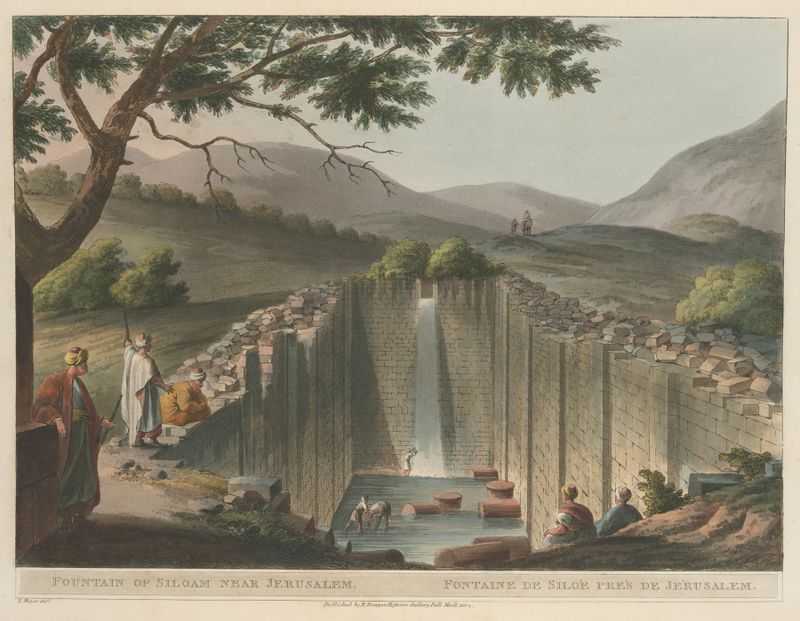
Fountain of Siloam Near Jerusalem
Luigi Mayer

View of the Dardanelles
Luigi Mayer
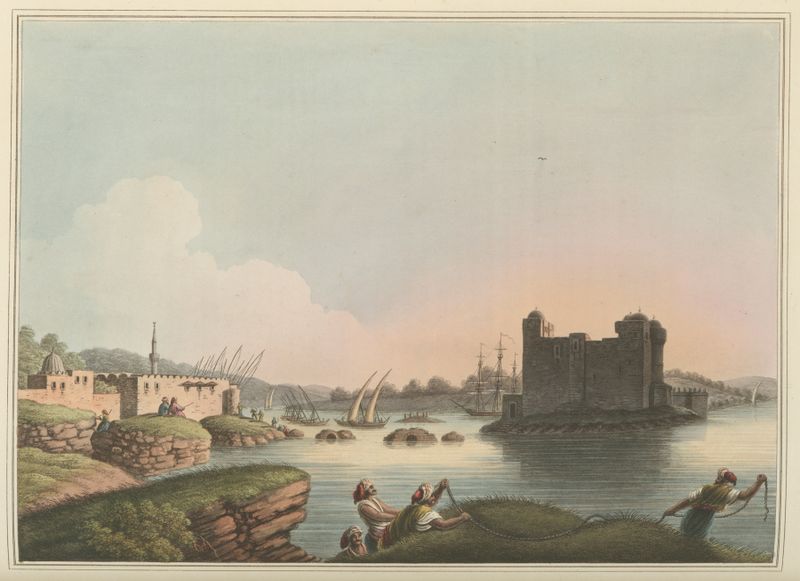
Port of Latachia
Luigi Mayer

Stadium at Ephesus
Luigi Mayer

Ancient Temples at Agrigentum
Luigi Mayer
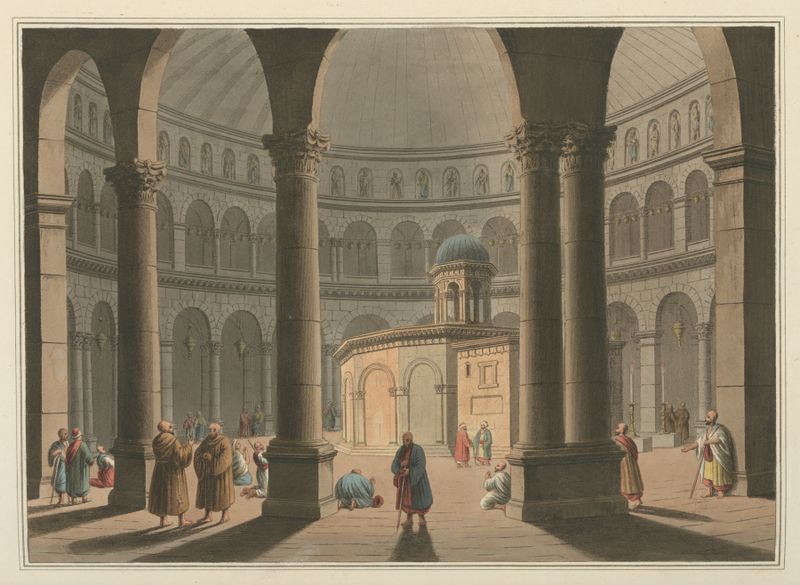
Church of the Holy Sepulchre
Luigi Mayer
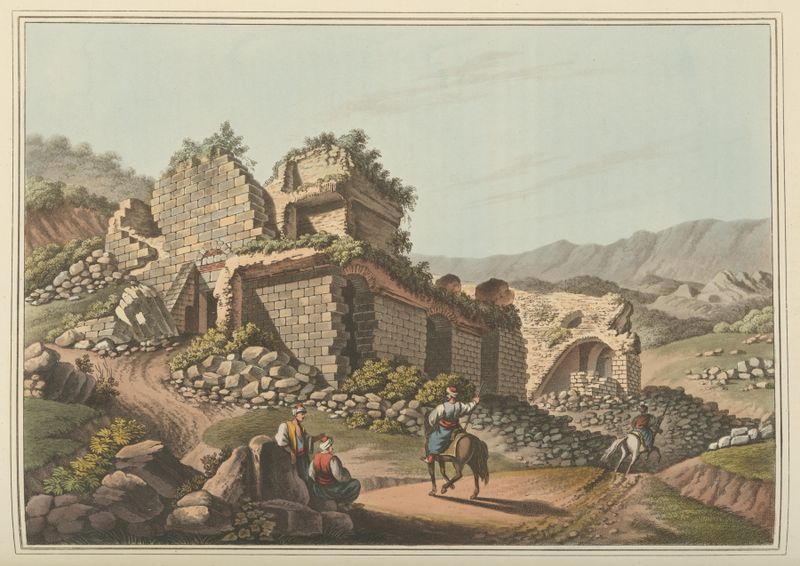
Theatre at Ephesus
Luigi Mayer
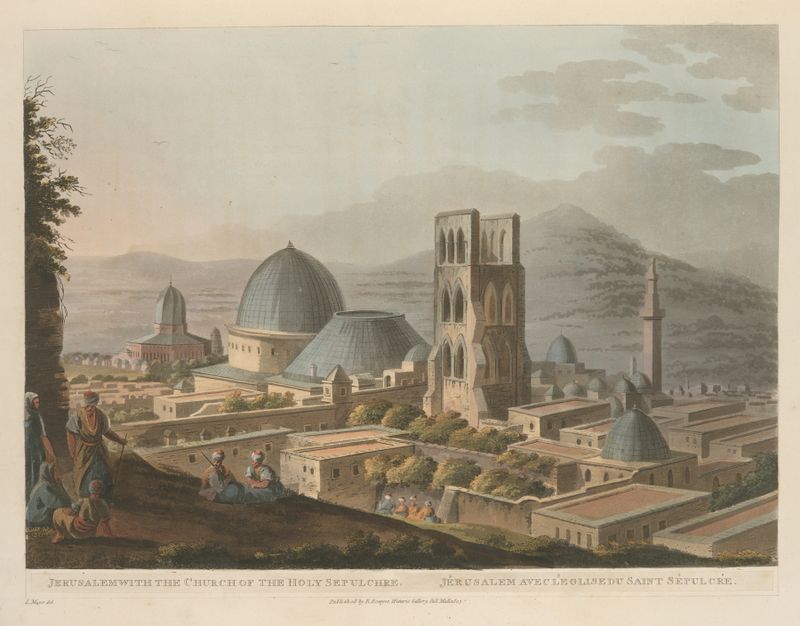
Jerusalem with the Church of the Holy Sepulchre
Luigi Mayer
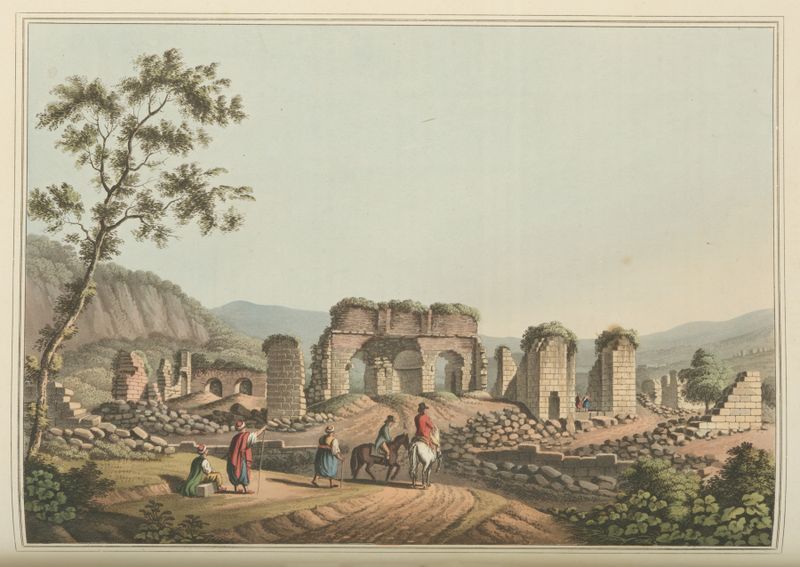
Ruins of the Temple of Diana at Ephesus
Luigi Mayer

Crater in the Island of Volcano
Luigi Mayer





