
Tête d’homme — History & Facts
In Tête d’homme, the viewer is presented with a striking portrait of a man. The colors are rich and warm, predominantly featuring deep browns and soft earth tones. The figure is depicted against a dark background, which enhances the sense of depth and focus on the subject.
The expression of the man is thoughtful, inviting the viewer to ponder his story. The painting is executed in oil on canvas, a medium that allows for vibrant color and texture. The brushwork is fluid, with visible strokes that add dynamism to the composition. The dimensions are approximately 60 x 80 cm, making it a moderately sized portrait.
The use of light and shadow is skillful, creating a three-dimensional effect that brings the figure to life. Narcisse-Virgile Diaz de La Peña was a prominent figure in the Romantic movement, known for his landscapes and portraits. This work, created in the 1860s, reflects his mastery of color and form. An interesting fact about Tête d’homme is that it showcases Diaz's ability to convey emotion through facial expression, a hallmark of his portraiture.
His works often explore themes of nature and humanity, bridging the gap between the two.
More Artworks by Narcisse-Virgile Diaz de La Peña
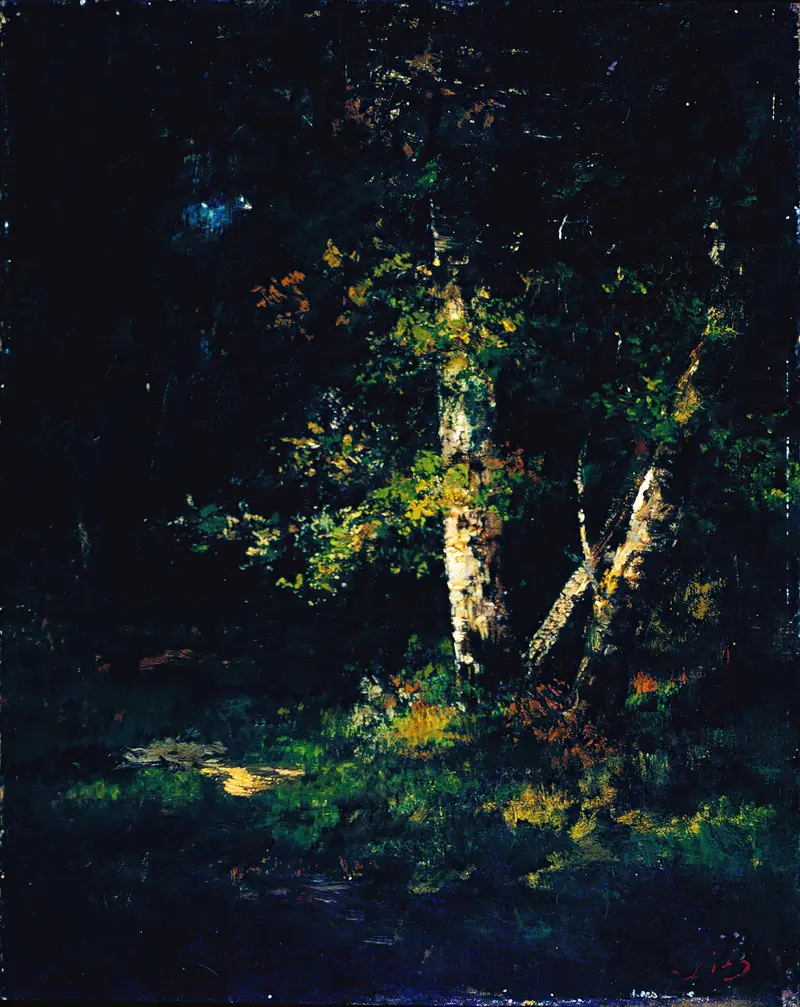
Forest Scene
Narcisse-Virgile Diaz de La Peña
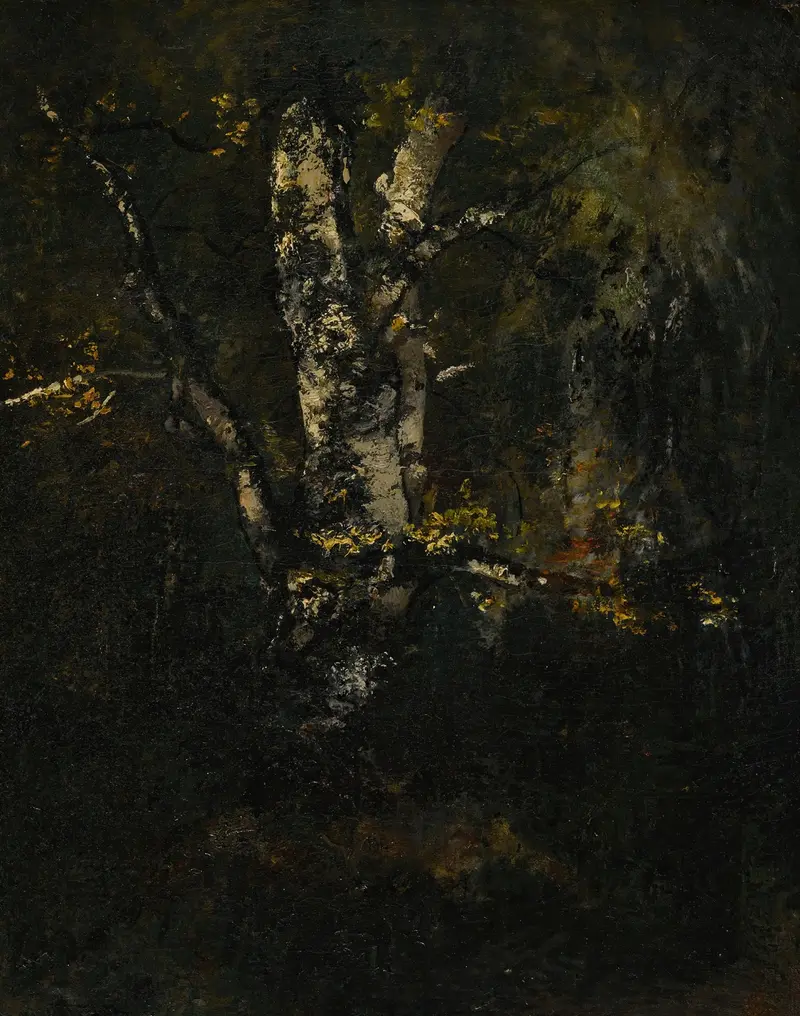
Vieux Troncs De Hêtres
Narcisse-Virgile Diaz de La Peña
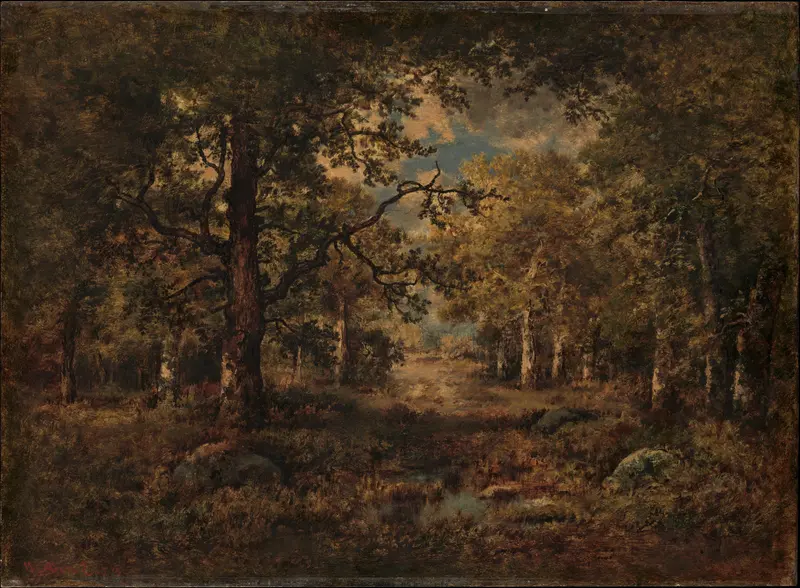
A Vista through Trees; Fontainebleau
Narcisse-Virgile Diaz de La Peña
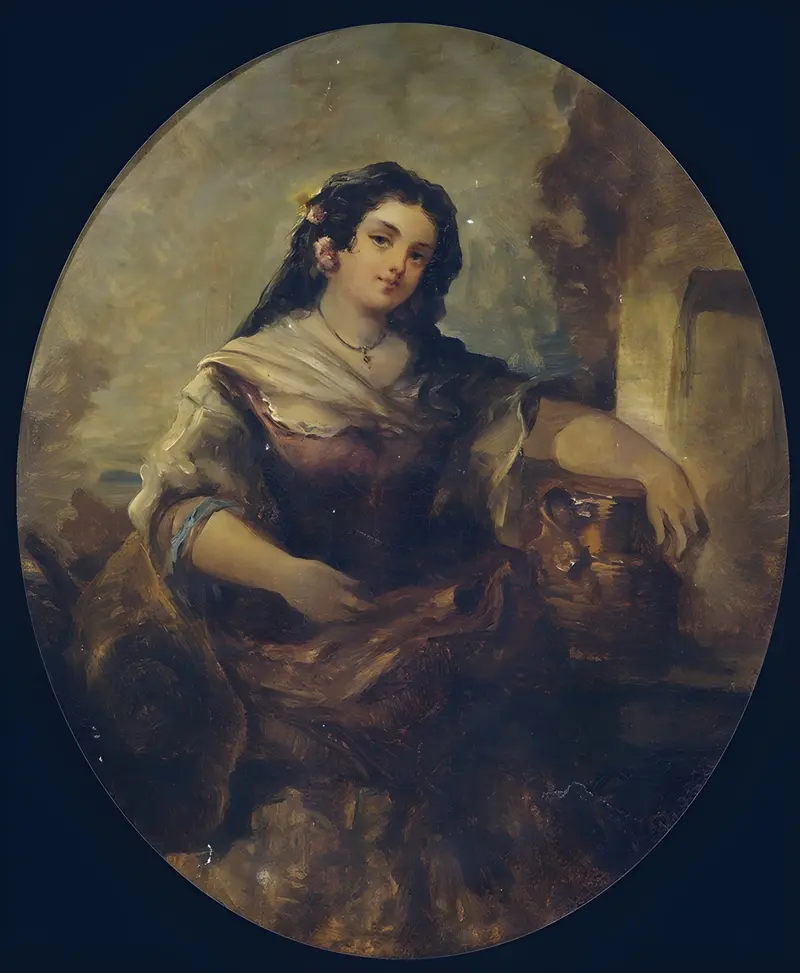
Portrait of a young girl at the well
Narcisse-Virgile Diaz de La Peña
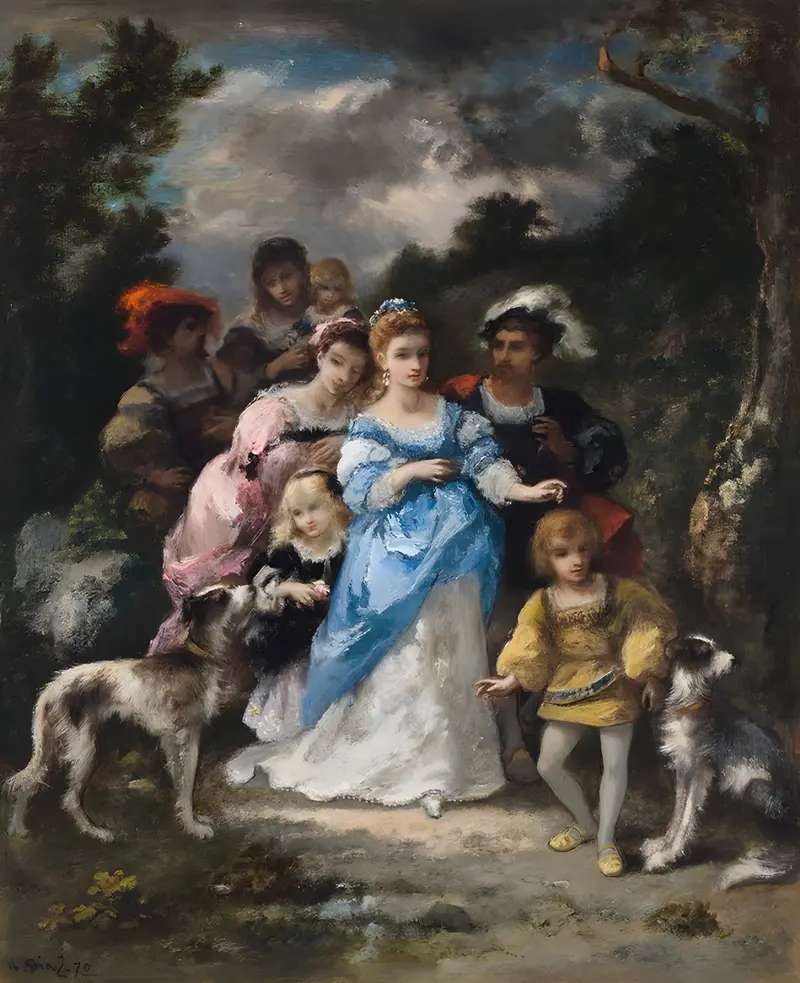
Promenade à la robe bleue
Narcisse-Virgile Diaz de La Peña
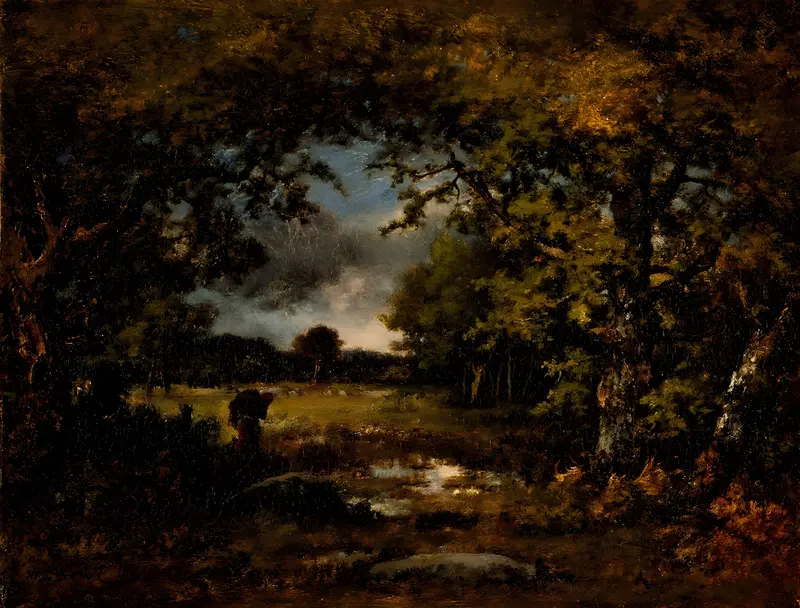
Landscape
Narcisse-Virgile Diaz de La Peña
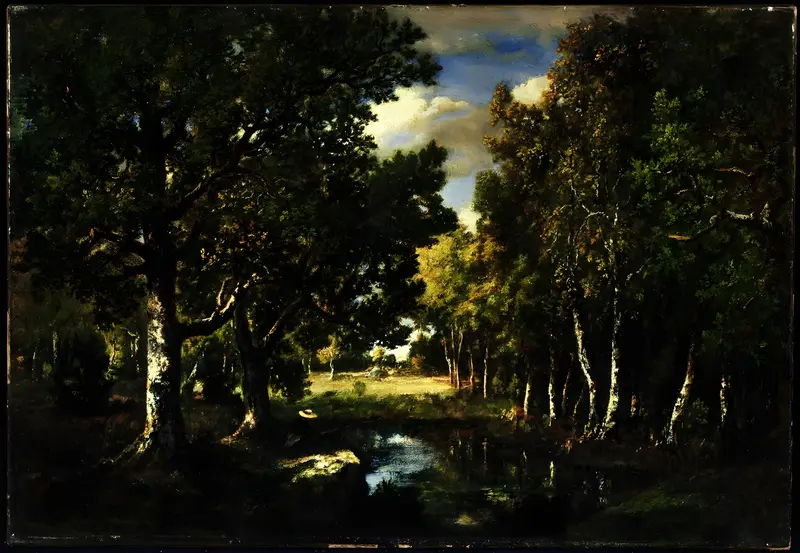
Landscape
Narcisse-Virgile Diaz de La Peña
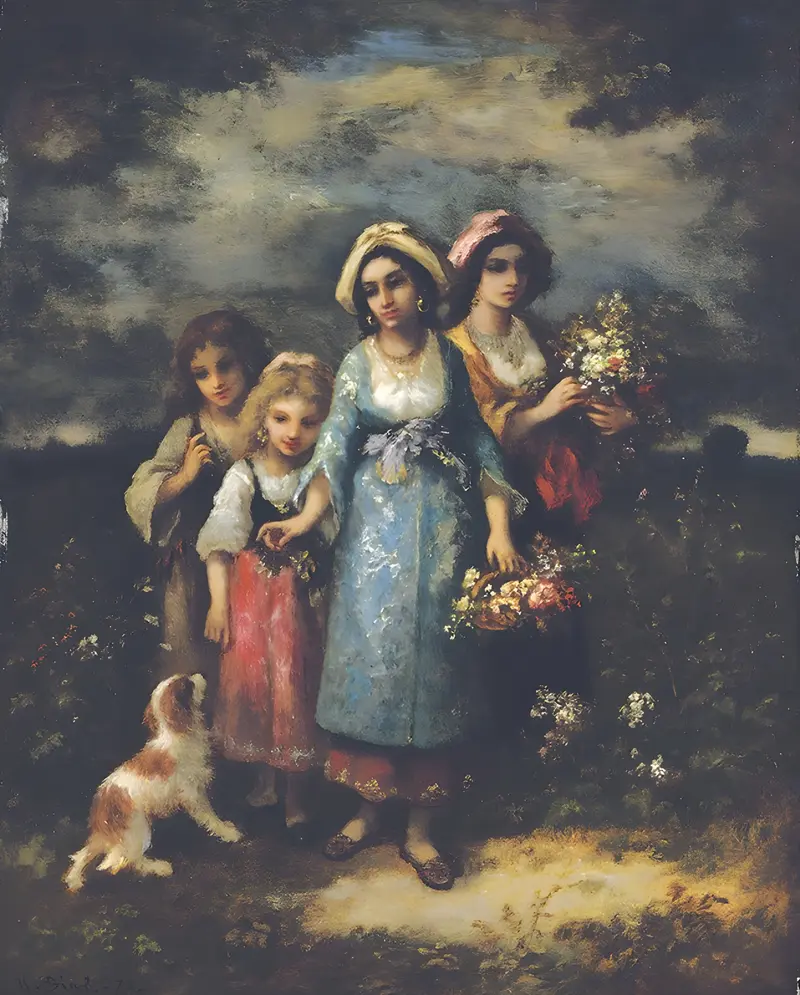
Picking Flowers
Narcisse-Virgile Diaz de La Peña
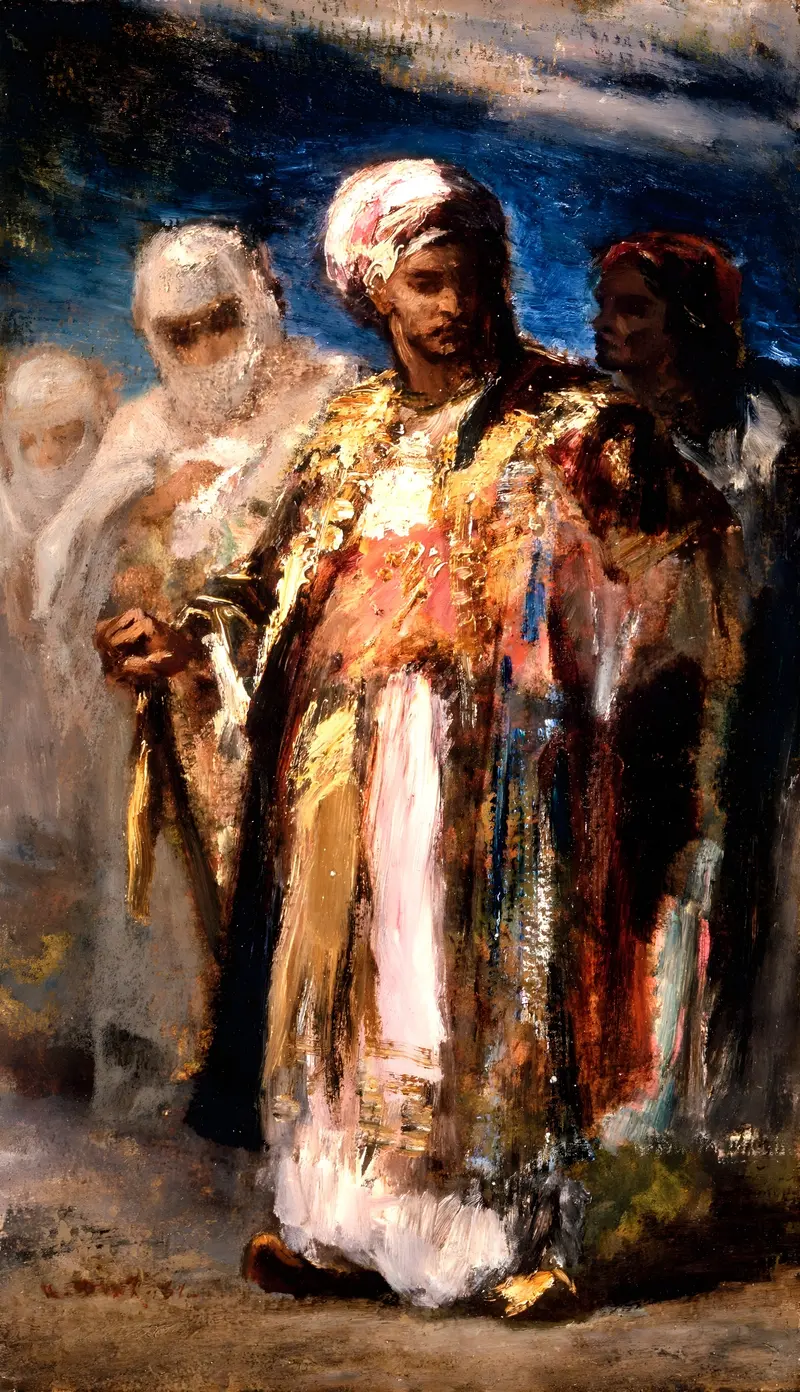
Men in Oriental Costumes
Narcisse-Virgile Diaz de La Peña
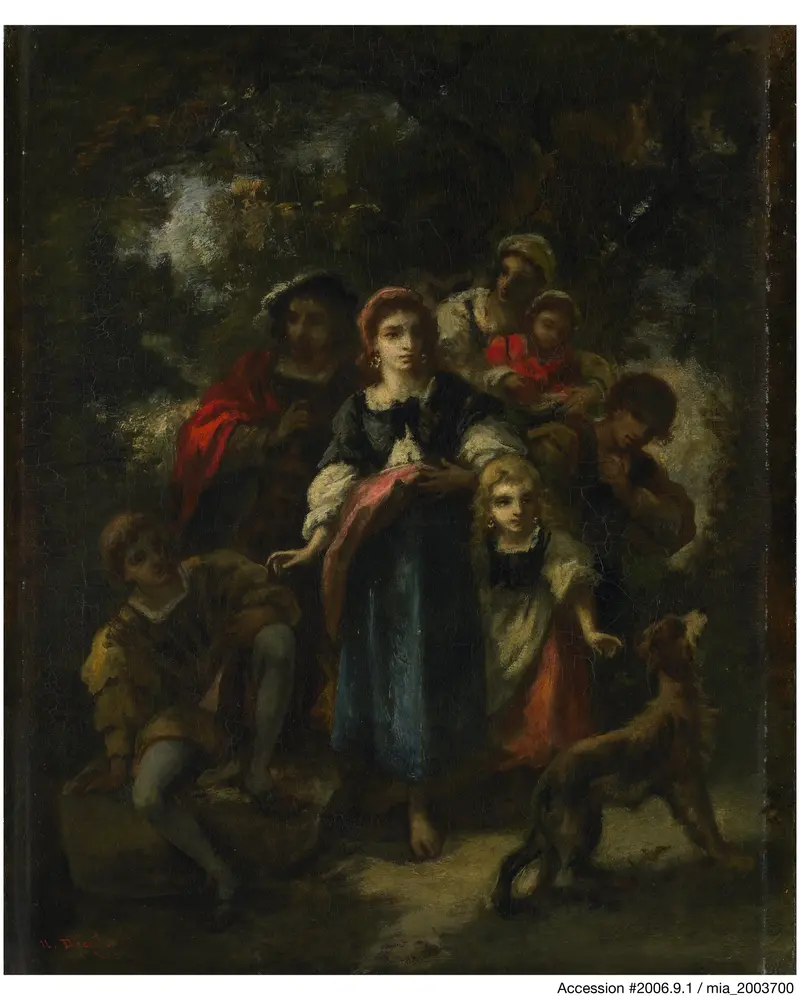
Descent of the Bohemians
Narcisse-Virgile Diaz de La Peña





