
Thames Nocturne — History & Facts
In the world of dreams, night unfurls like a whisper, wrapping its muted arms around the river and revealing the delicate interplay between reality and longing. Focus on the tranquil surface of the Thames, where the water shimmers under the soft glow of the moon, casting a silvery veil across the canvas. The gentle hues of blue and gray create an ethereal atmosphere, inviting the viewer to linger in the serenity of twilight. Notice how the silhouettes of boats appear as fleeting phantoms, blending seamlessly with the shadows, while the distant cityscape stands as a silent witness to the nocturnal dance. The emotional tension in Thames Nocturne lies in its juxtaposition of stillness and movement, the pulse of life captured in the serene waters.
The ribbons of light suggest both hope and melancholy, reflecting the transient nature of moments that vanish into darkness. Each brushstroke captures the essence of dreams—both haunting and beautiful—evoking a sense of yearning that resonates within the soul. In 1872, while creating this piece, Whistler was living in London, immersed in the artistic currents of the time. It was an era marked by innovation and experimentation, as artists sought to express the emotional experience of the modern world.
This work reflects his fascination with the interplay of light and atmosphere, a theme that would define his legacy in the realm of nocturnal landscapes.
More Artworks by James Abbott McNeill Whistler
Browse all →
Nocturne in Blue and Silver
James Abbott McNeill Whistler
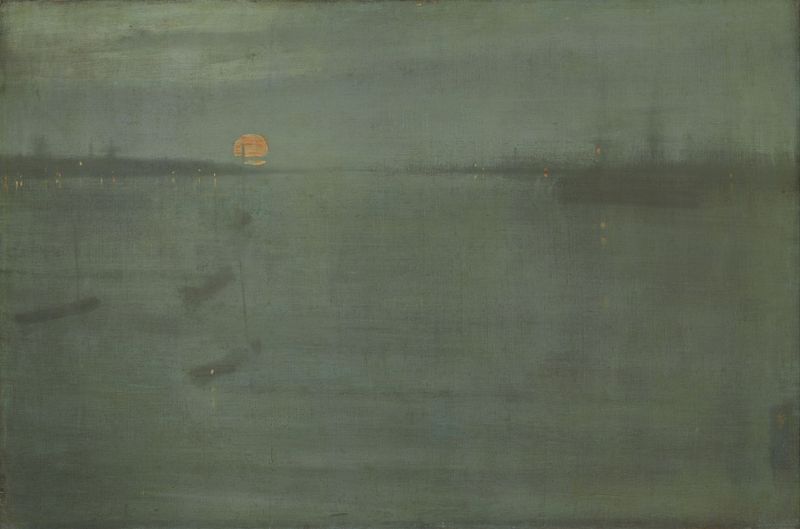
Nocturne: Blue and Gold–Southampton Water
James Abbott McNeill Whistler
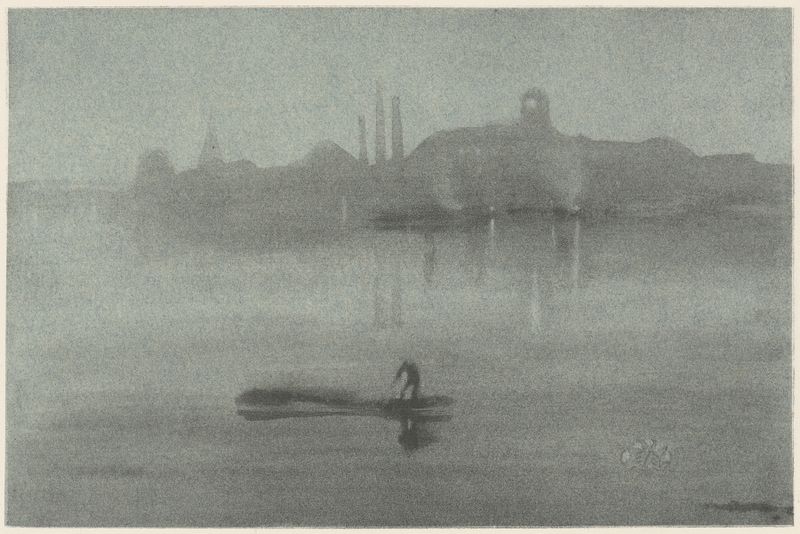
Nocturne
James Abbott McNeill Whistler
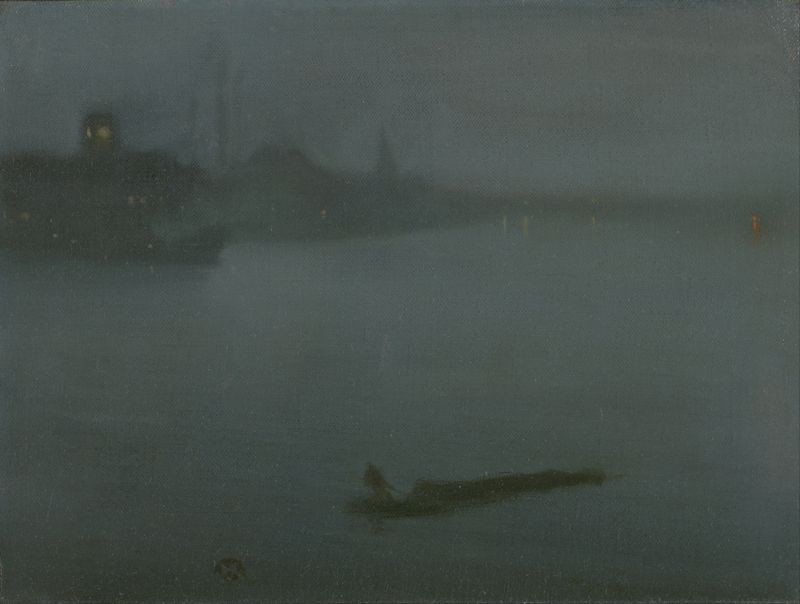
Nocturne in Blue and Silver
James Abbott McNeill Whistler
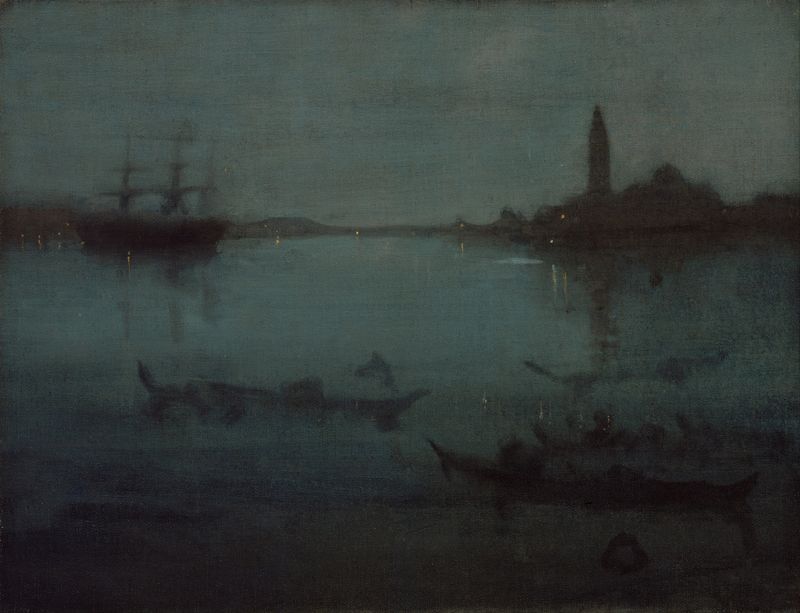
Nocturne in Blue and Silver- The Lagoon, Venice
James Abbott McNeill Whistler
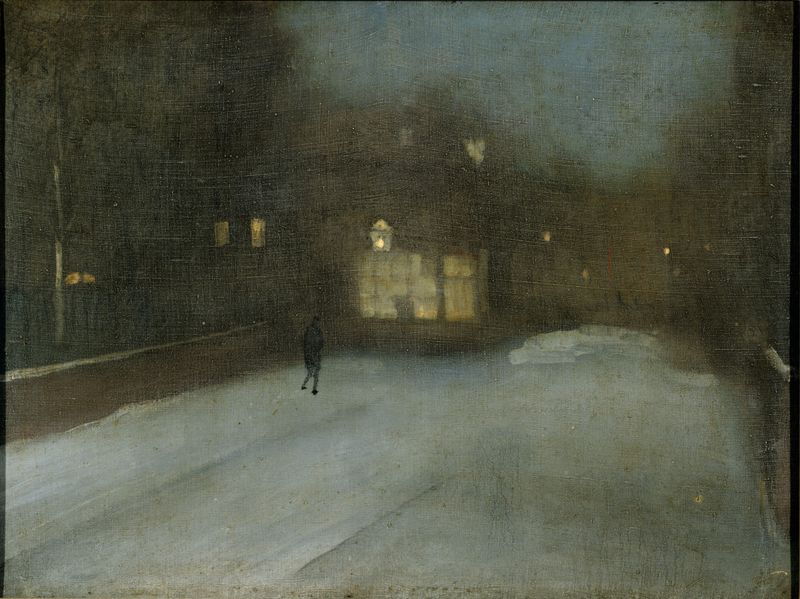
Nocturne in Grey and Gold: Chelsea Snow
James Abbott McNeill Whistler
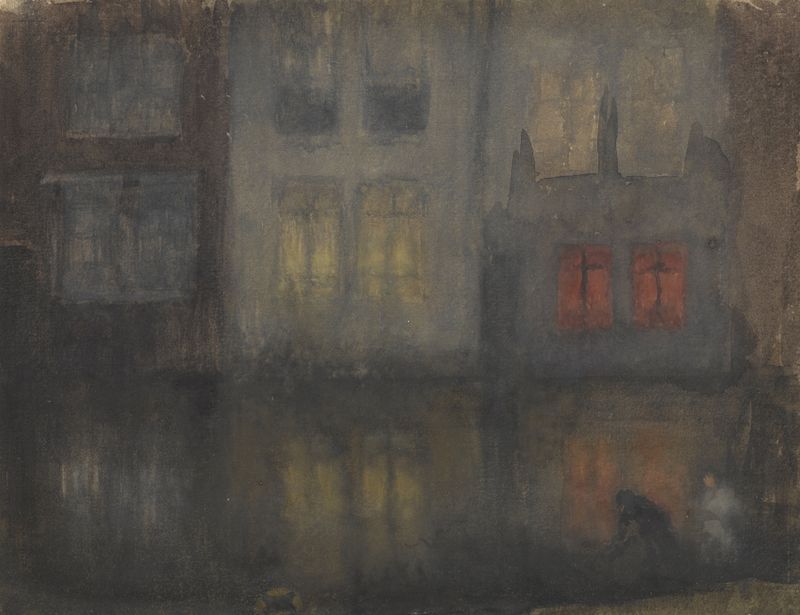
Nocturne: Black and Red—Back Canal, Holland
James Abbott McNeill Whistler
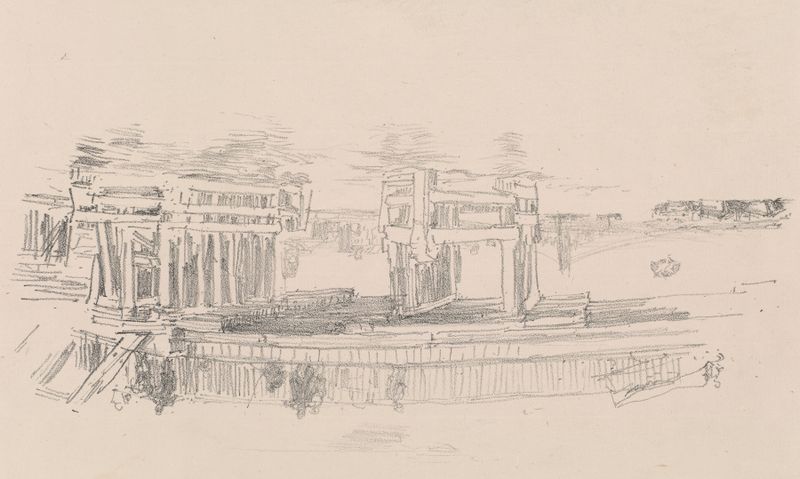
Old Battersea Bridge
James Abbott McNeill Whistler

Nocturne: Blue and Silver–Battersea Reach
James Abbott McNeill Whistler
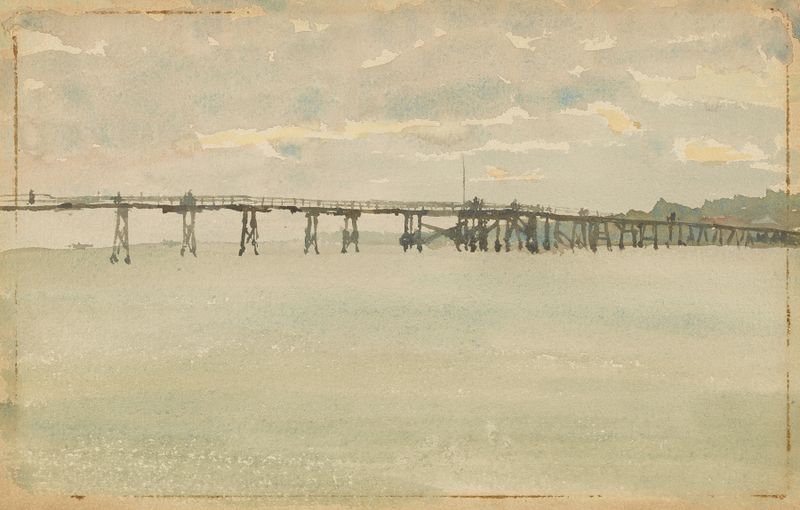
Grey and Silver–Pier, Southend
James Abbott McNeill Whistler




