
Thames Police — History & Facts
Can paint confess what words never could? In Thames Police, the brush captures the subtle fray of authority and chaos, where the river murmurs secrets of madness beneath its placid surface. Look to the left, where figures stand resolute, their forms silhouetted against the muted light of dawn. The palette is a delicate blend of grays and blues, creating a foggy atmosphere that cloaks the Thames in mystery. Notice how the gentle ripples of the water contrast with the harsh outlines of the police officers, emphasizing the tension between order and the unpredictable nature of the river.
The brushstrokes evoke an ethereal quality, inviting the viewer to linger in the stillness of the moment. The painting pulses with hidden meanings, suggesting a world teetering on the brink of disorder. The officers' rigid postures imply a sense of duty, yet their faces are obscured, hinting at an internal struggle against the madness that often lurks in the depths of urban life. The blurred cityscape in the background serves as a reminder of the chaos just beyond the frame, a whisper of the tumultuous Victorian era where social upheaval and industrial growth stirred the waters of society. In 1859, Whistler was immersed in the vibrant art scene of London, seeking to carve a unique voice amidst the influences of the time.
As he navigated personal challenges and the expectations of the art world, he found solace in the Thames, transforming the river into a canvas for exploring themes of authority, madness, and the elusive nature of modern life. This work not only reflects his artistic evolution but also resonates with the anxieties and aspirations of a rapidly changing society.
More Artworks by James Abbott McNeill Whistler
Browse all →
Nocturne in Blue and Silver
James Abbott McNeill Whistler
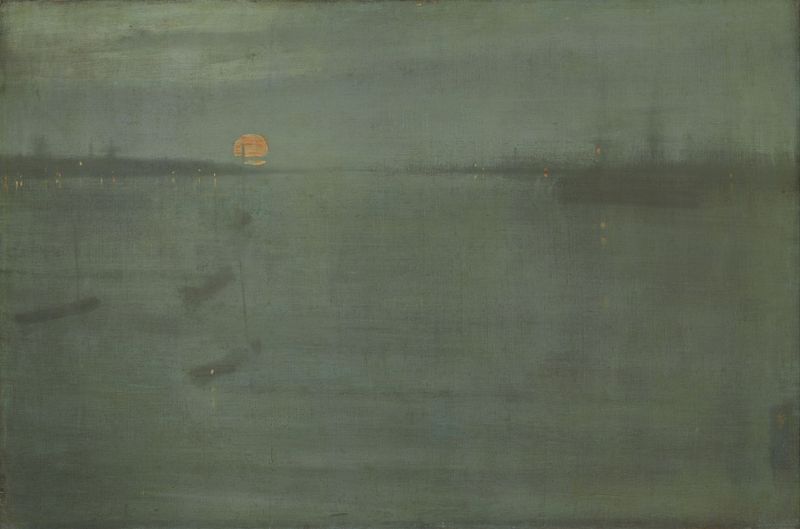
Nocturne: Blue and Gold–Southampton Water
James Abbott McNeill Whistler
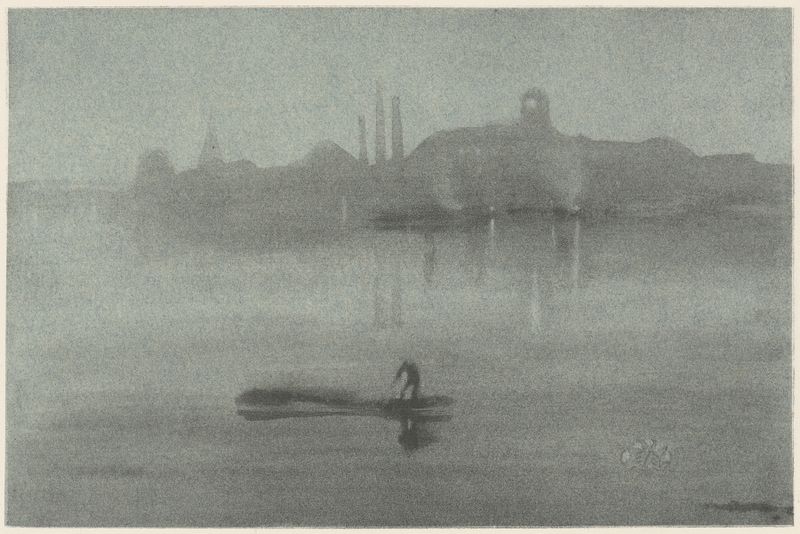
Nocturne
James Abbott McNeill Whistler
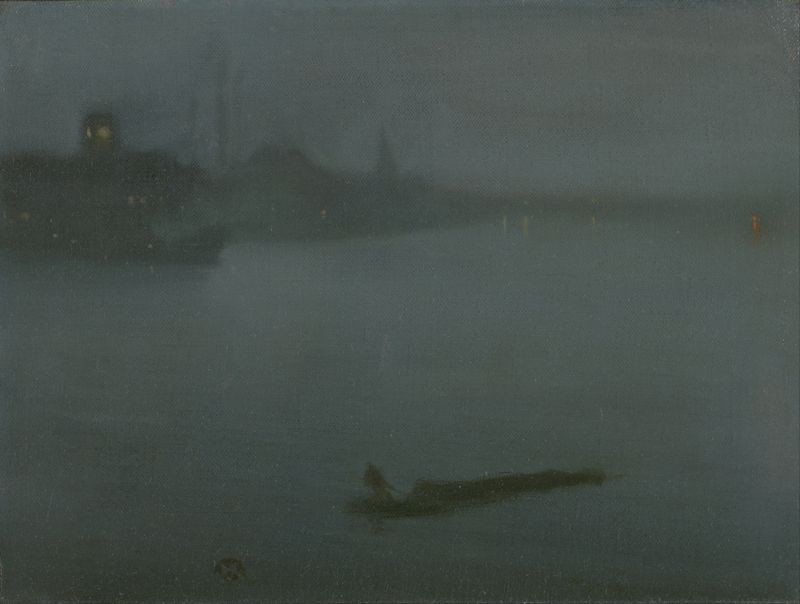
Nocturne in Blue and Silver
James Abbott McNeill Whistler
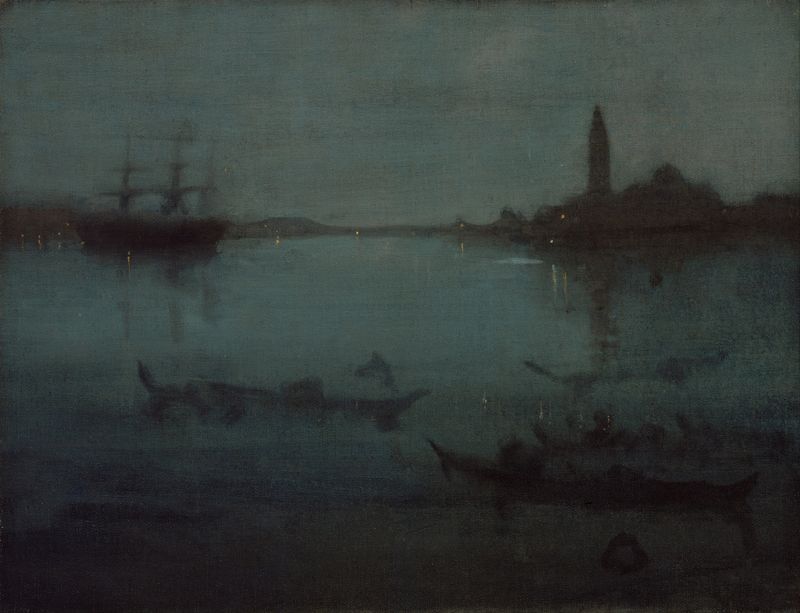
Nocturne in Blue and Silver- The Lagoon, Venice
James Abbott McNeill Whistler
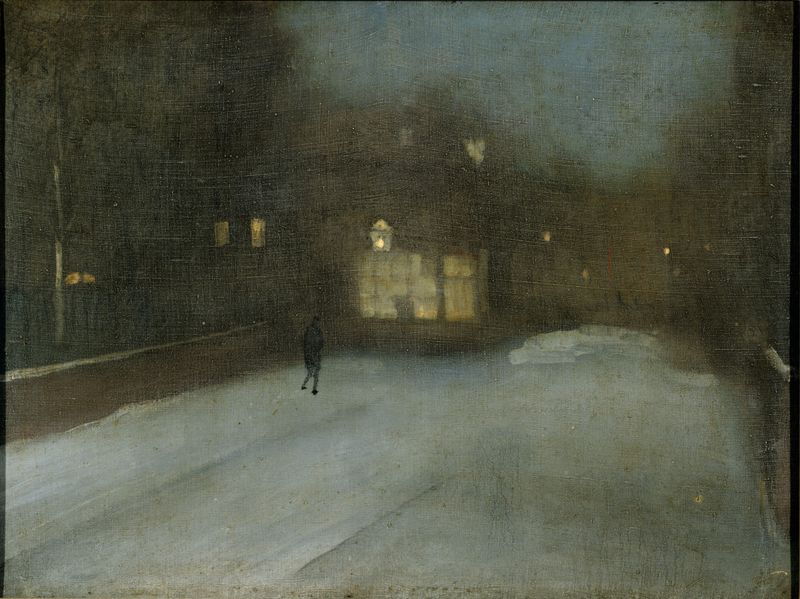
Nocturne in Grey and Gold: Chelsea Snow
James Abbott McNeill Whistler
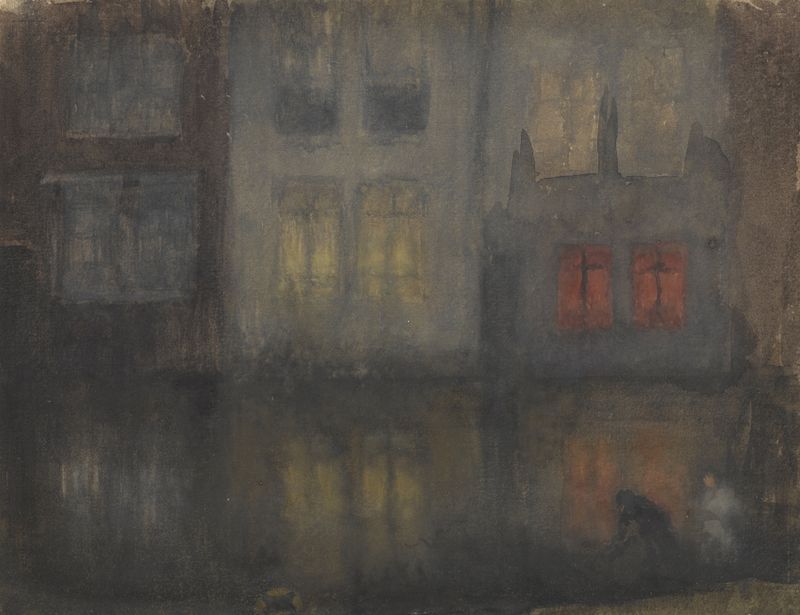
Nocturne: Black and Red—Back Canal, Holland
James Abbott McNeill Whistler
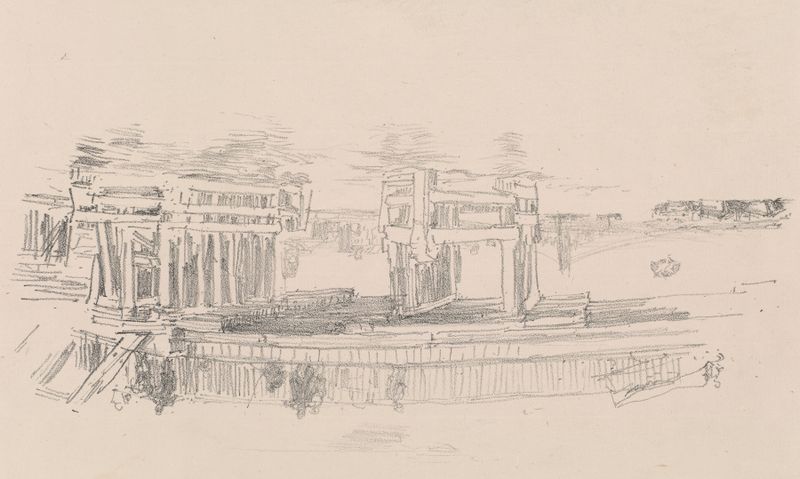
Old Battersea Bridge
James Abbott McNeill Whistler

Nocturne: Blue and Silver–Battersea Reach
James Abbott McNeill Whistler
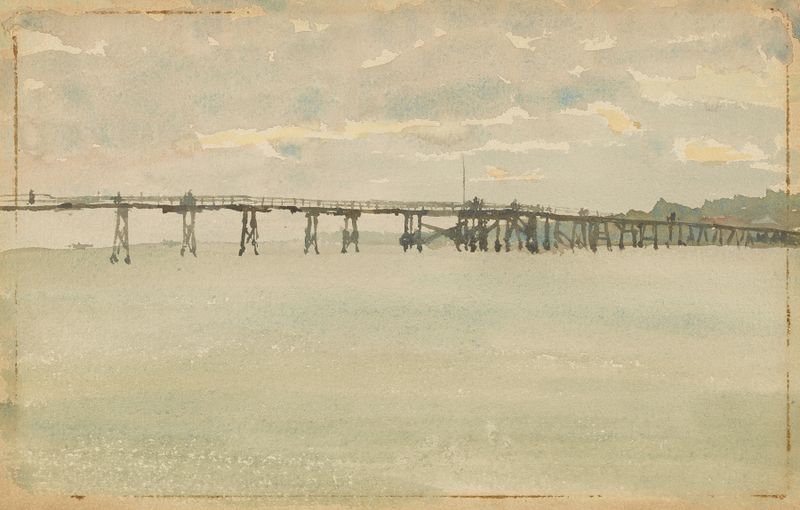
Grey and Silver–Pier, Southend
James Abbott McNeill Whistler




