
The 10th of August — History & Facts
On the morning of August 10, 1792, the Tuileries Palace in Paris became the epicenter of revolution as insurgents stormed the royal residence, marking the effective fall of the French monarchy. The 10th of August by François Gérard captures this pivotal day, which saw the Swiss Guards massacred and King Louis XVI forced to seek refuge with the Legislative Assembly. The violence and chaos of that day would echo through history, symbolizing the irreversible tide of the Revolution.
The event was so charged that it inspired not only painters but poets and politicians, who saw in it both terror and the promise of a new order. Gérard chooses the moment when the fate of the monarchy hangs in the balance: figures surge through shattered doors, smoke and banners fill the air, and the tricolor cockade stands out against the tumult. The artist’s attention to individual expressions—fear, fury, resolve—draws the viewer into the melee. A fallen guard, his uniform bloodied, lies at the feet of a woman clutching her child, embodying the personal cost of revolution.
The use of dramatic lighting, with shafts of daylight piercing the gloom, recalls Jacques-Louis David’s approach in The Death of Marat, yet Gérard lingers on the collective, rather than the individual martyr. The painting is both a chronicle and a warning, showing history in the making. The precise origins and early history of The 10th of August are not fully documented, though it is consistent with François Gérard’s reputation as one of the leading painters of Revolutionary and Napoleonic France. Gérard, a student of David, was known for his grand historical canvases and portraits of the new elite.
While the original commission for this work remains uncertain, its scale and ambition suggest a public or governmental patron, eager to memorialize the Revolution’s turning points. Today, the painting stands as a testament to Gérard’s ability to merge narrative drama with acute observation, and it continues to be studied as a key example of late eighteenth-century French history painting.
More Artworks by François Gérard

Portrait of Emperor Napoleon I
François Gérard
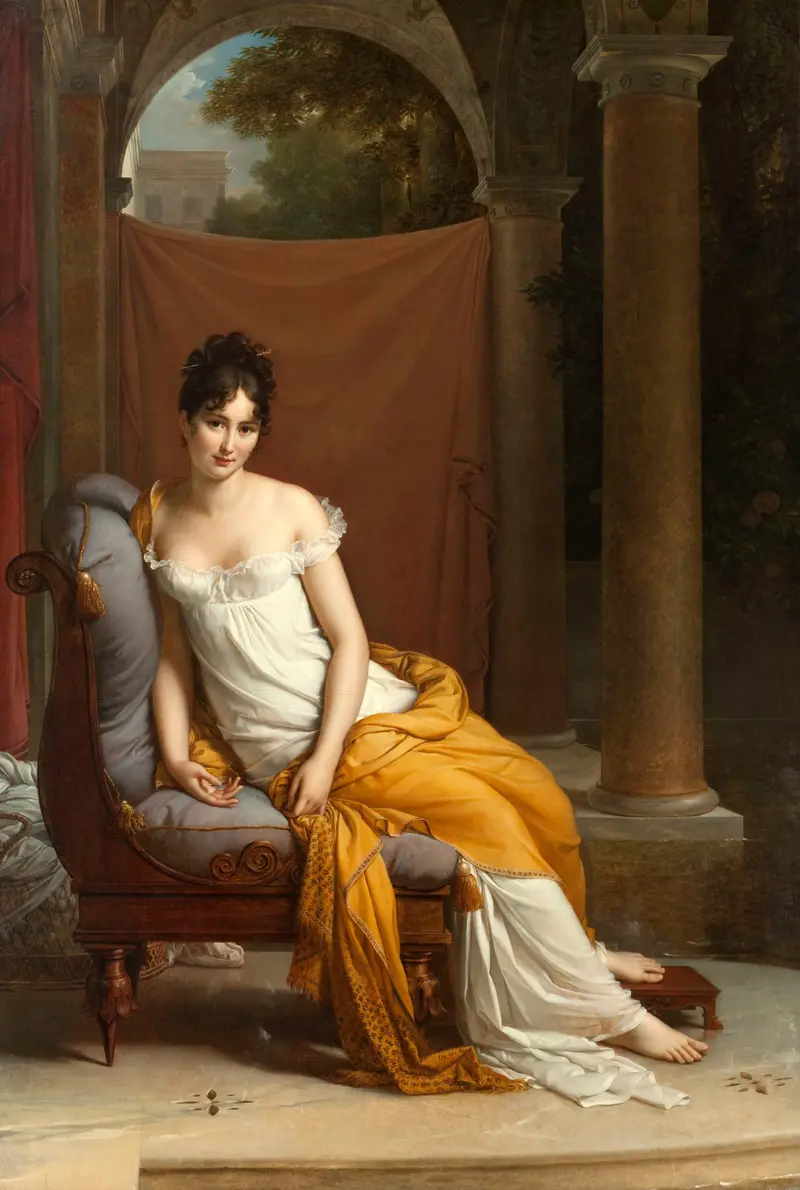
Portrait of Juliette Récamier, née Bernard
François Gérard
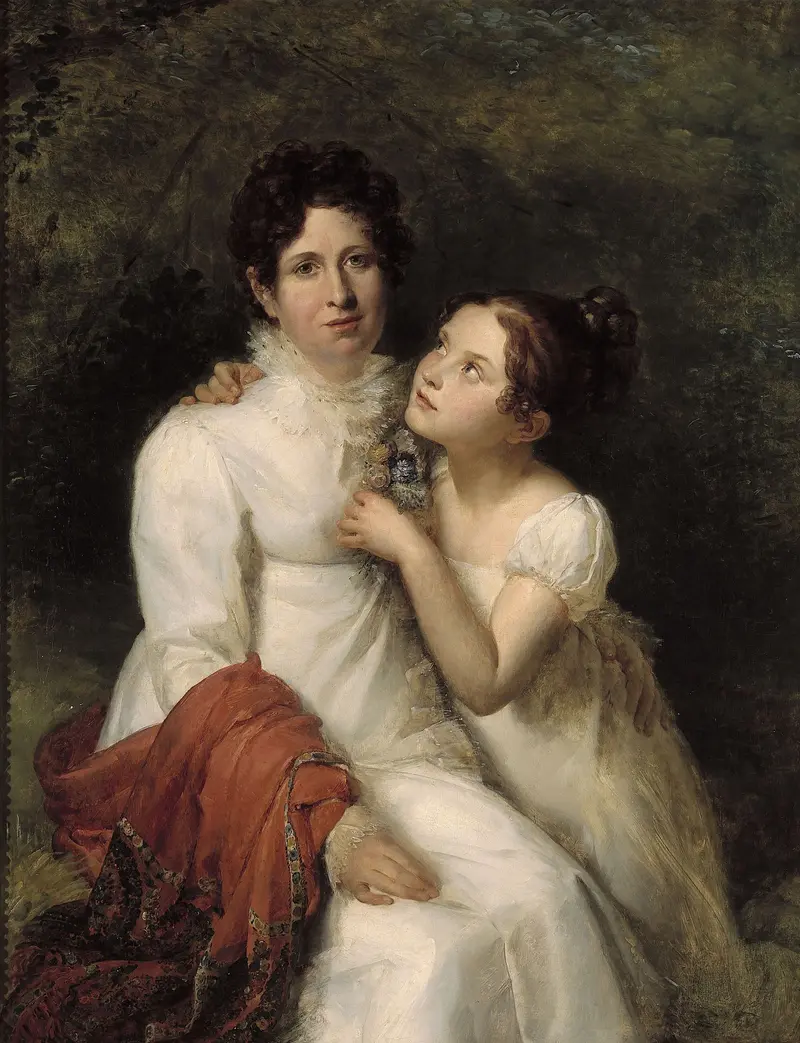
Portrait de Madame Bauquin Du Boulay et de sa nièce Mademoiselle Bauquin de La Souche
François Gérard
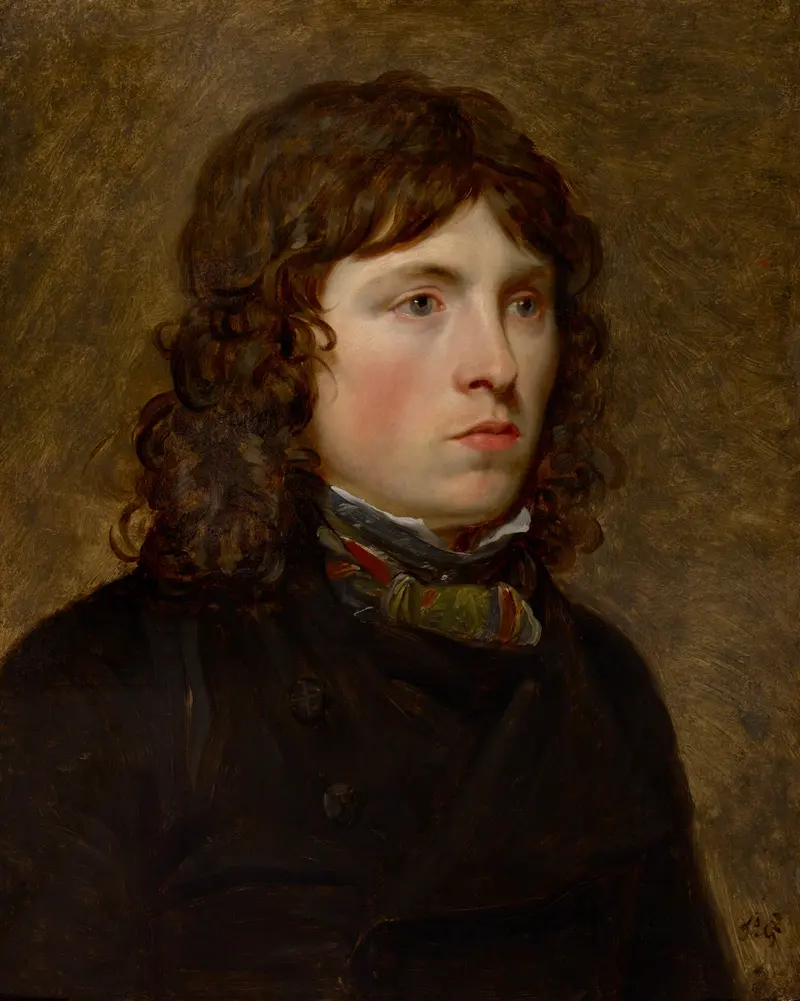
Portrait of G. F. Reverdin
François Gérard
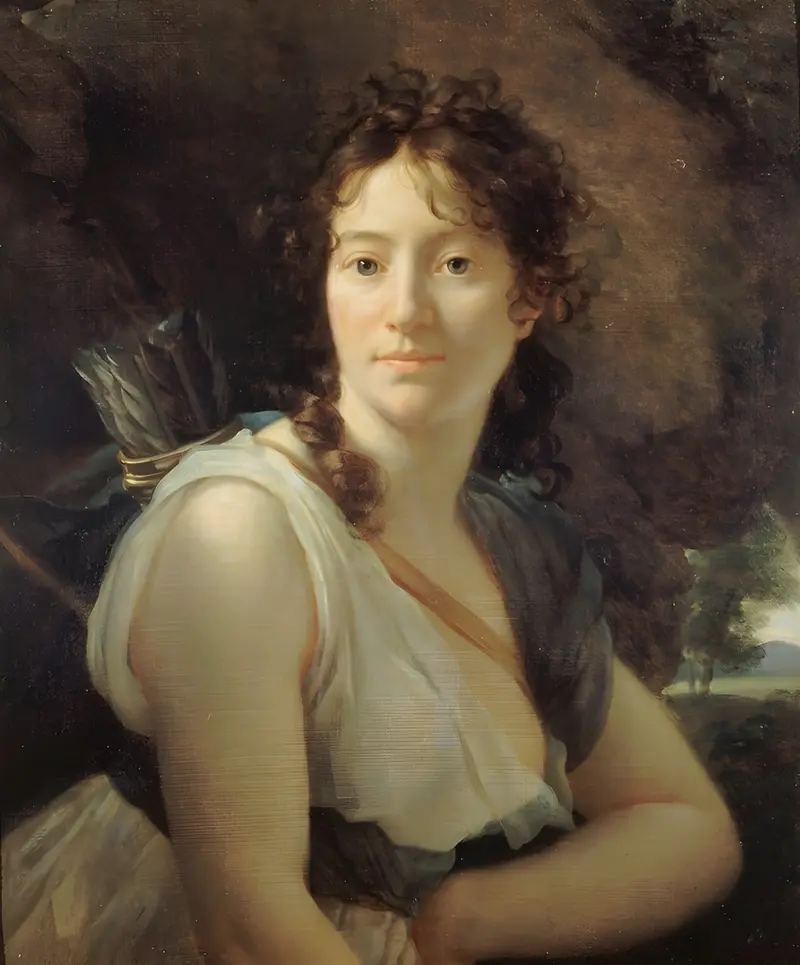
Portrait Of Mademoiselle Duchesnois (1777-1835), Member Of The Comédie-Française, In The Role Of Dido.
François Gérard
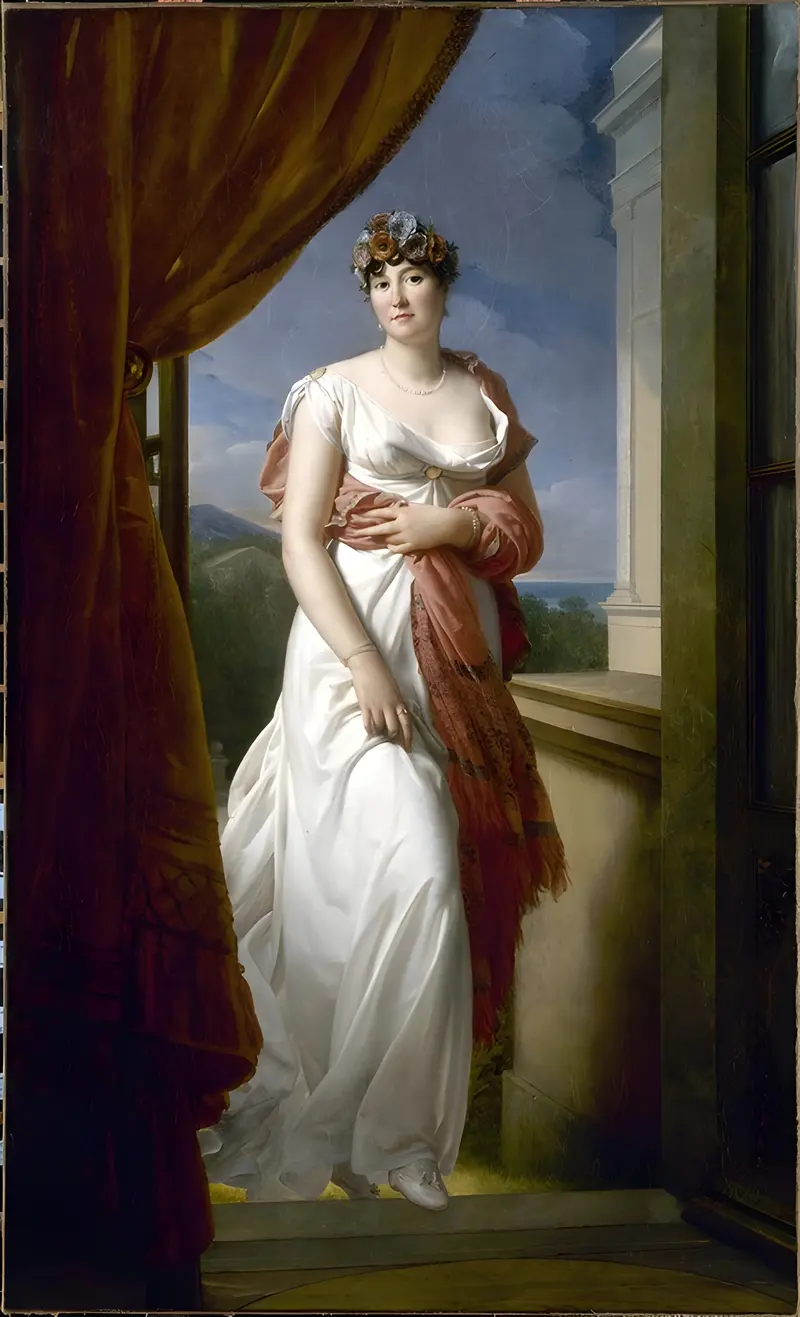
Portrait Of Theresia Cabarrus (1773-1835), Wife Tallien, Then Princess Of Caraman-Chimay
François Gérard
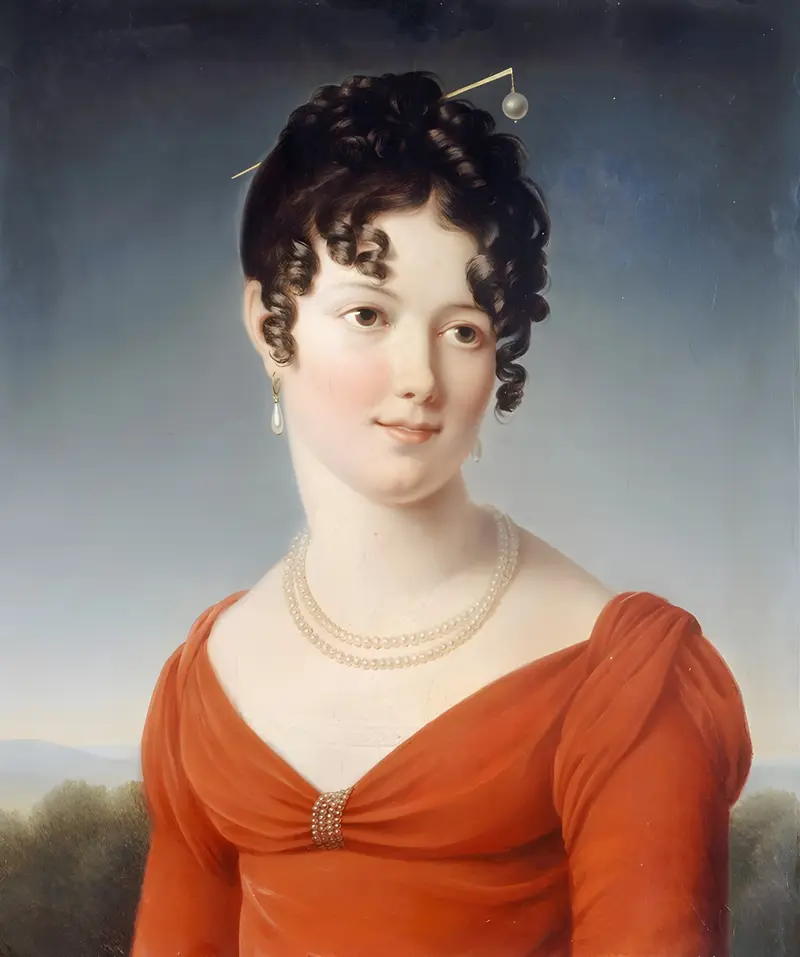
Bust Portrait Of Alexandrine-Anne De La Pallu, Marquise De Flers (1786-1832)
François Gérard
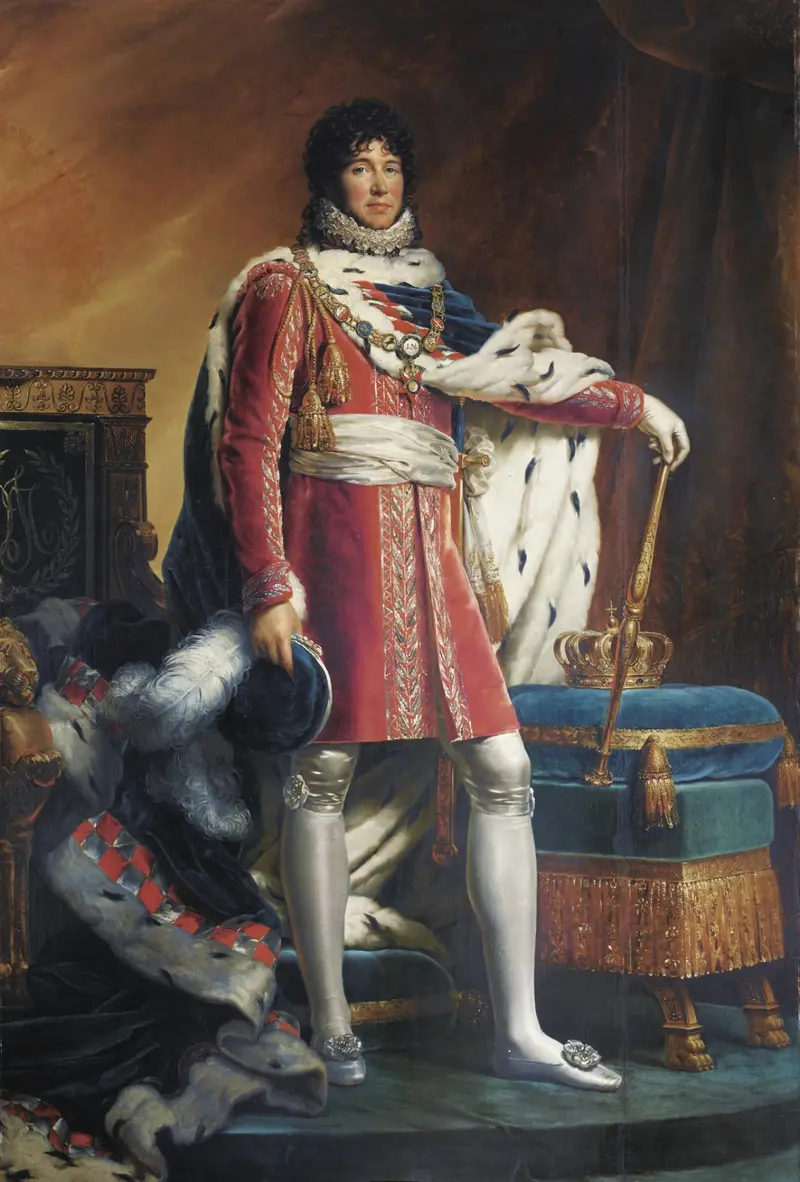
Portrait of Joachim Napoléon Murat, King of Naples and of the two Sicilies
François Gérard
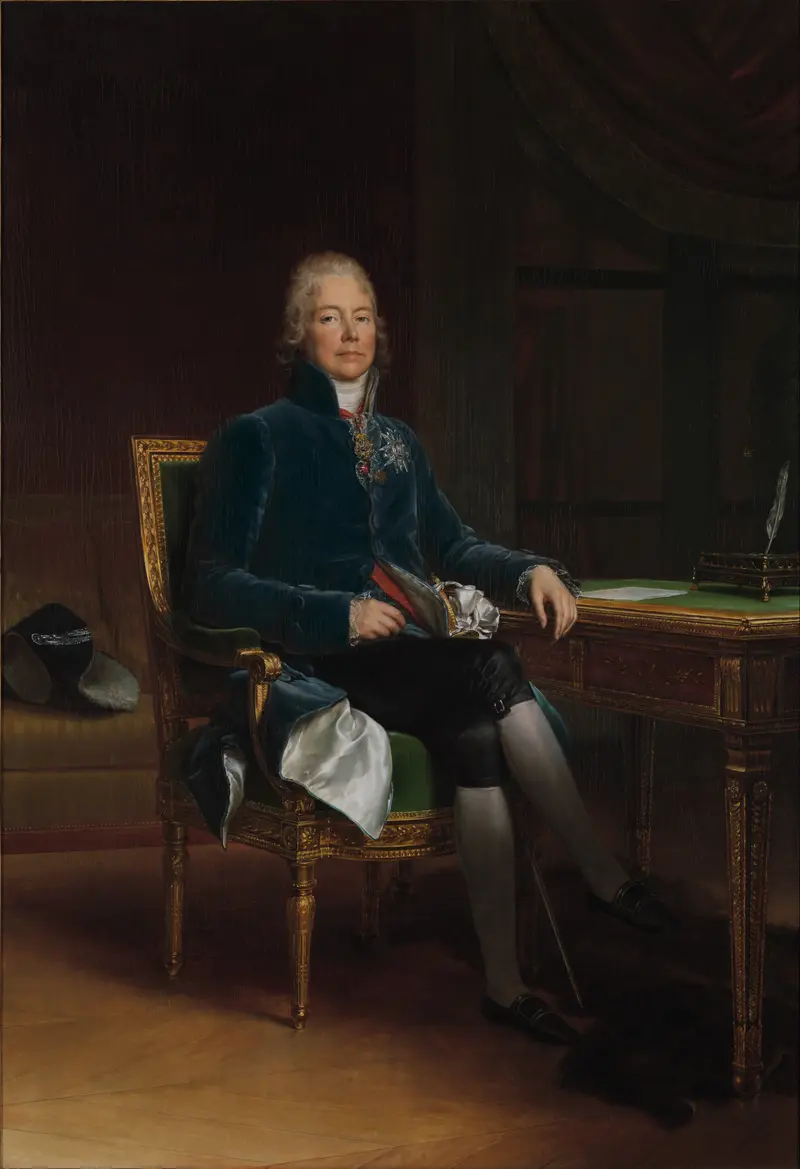
Charles Maurice de Talleyrand Périgord (1754–1838), Prince de Bénévent
François Gérard
Daphnis Running toward Chloe
François Gérard





