
Portrait Of Mademoiselle Duchesnois (1777-1835), Member Of The Comédie-Française, In The Role Of Dido. — History & Facts
When François Gérard painted the actress Mademoiselle Duchesnois in the role of Dido, he captured not only a celebrated performer at the height of her fame but also the feverish excitement of Parisian theatre in the early 19th century. Duchesnois, a star of the Comédie-Française, was renowned for her passionate portrayals, and her performance as Dido in Les Troyennes caused a sensation among audiences and critics alike. The portrait quickly became a talking point in Parisian salons, admired for its psychological intensity and for Gérard’s ability to blur the boundaries between sitter and role.
The painting stands as a rare testament to the era’s fascination with theatrical celebrity, a phenomenon that was just beginning to rival the fame of political and military figures. The moment Gérard chose to immortalize is one of tragic grandeur: Dido, Queen of Carthage, abandoned by Aeneas, stands on the threshold of despair. Draped in regal robes, Duchesnois-as-Dido gazes upward, her expression torn between royal dignity and overwhelming sorrow. The diadem slipping from her hair and the gesture of her outstretched hand are visual cues to Dido’s impending fate—her fall from power and her resolve to end her own life.
Gérard’s use of dramatic lighting, casting the figure in sharp relief against a storm-dark background, echoes the emotional turbulence of the scene. Unlike Jacques-Louis David’s more restrained neoclassical heroines, Gérard allows the raw emotion of the theatre to spill onto the canvas, making the viewer a witness to both performance and personal agony. The precise circumstances of the painting’s commission remain uncertain, but it is likely that it was created either for the actress herself or for a patron of the Comédie-Française eager to commemorate Duchesnois’s triumph. Over the years, the portrait has passed through private collections, its attribution to François Gérard never seriously questioned due to the unmistakable style and the artist’s documented admiration for Duchesnois.
Today, the painting is recognized as a highlight of Gérard’s career, emblematic of his ability to merge portraiture and history painting. Its current location is not firmly established in public records, but it remains a touchstone for scholars interested in the intersection of art, theatre, and celebrity during the Napoleonic era.
More Artworks by François Gérard

Portrait of Emperor Napoleon I
François Gérard
Portrait of Juliette Récamier, née Bernard
François Gérard
Portrait de Madame Bauquin Du Boulay et de sa nièce Mademoiselle Bauquin de La Souche
François Gérard
Portrait of G. F. Reverdin
François Gérard
Portrait Of Theresia Cabarrus (1773-1835), Wife Tallien, Then Princess Of Caraman-Chimay
François Gérard
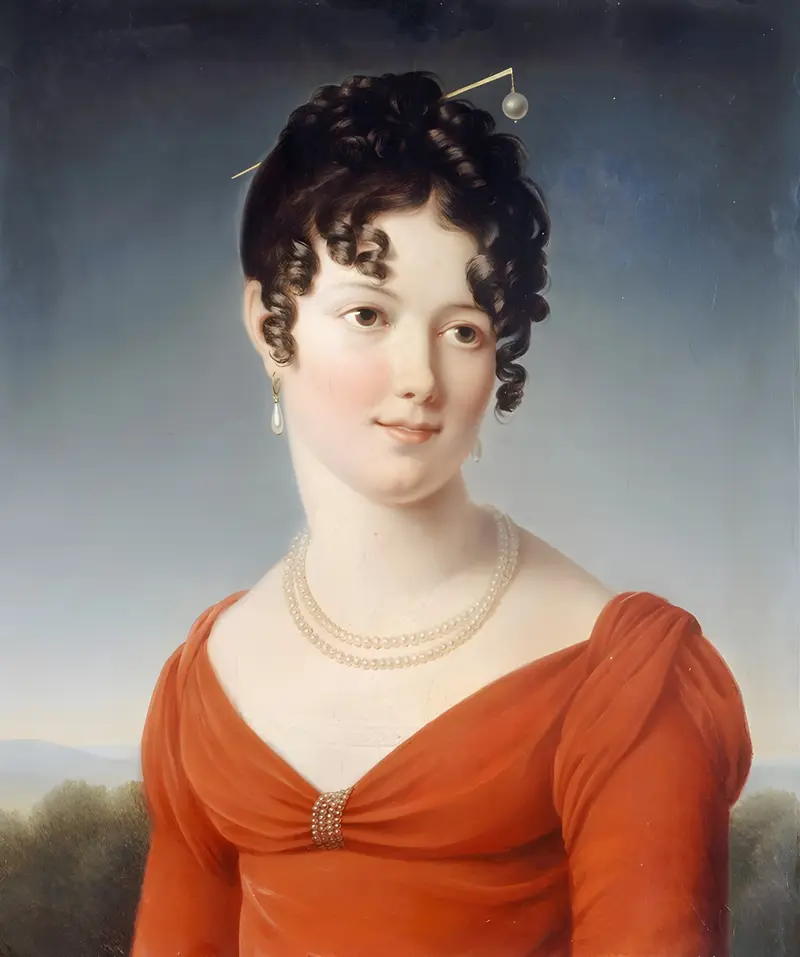
Bust Portrait Of Alexandrine-Anne De La Pallu, Marquise De Flers (1786-1832)
François Gérard
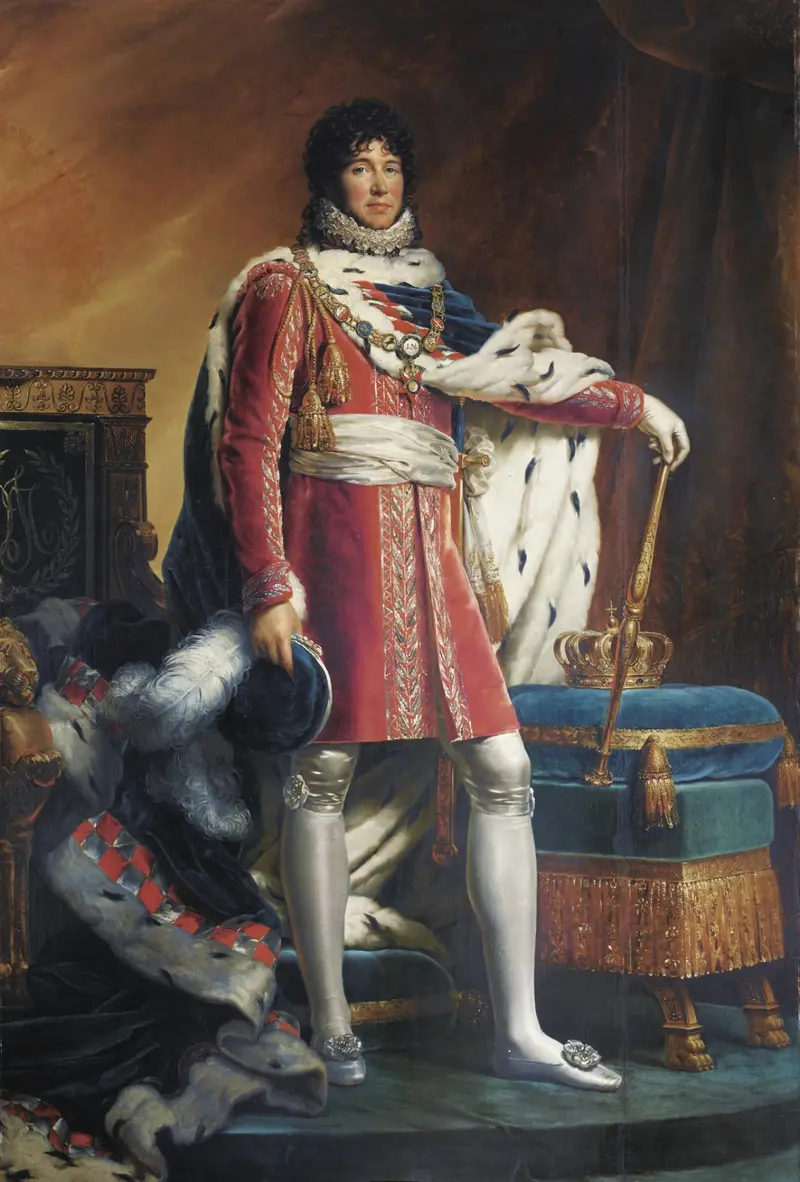
Portrait of Joachim Napoléon Murat, King of Naples and of the two Sicilies
François Gérard
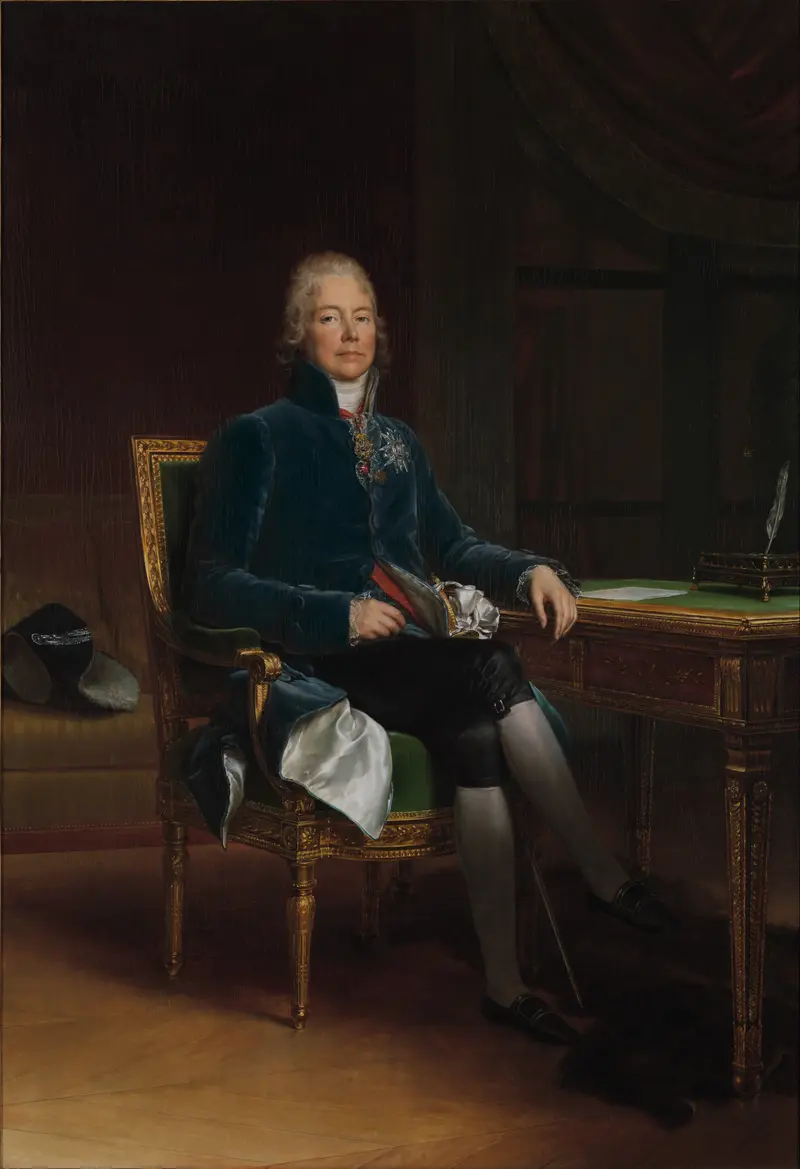
Charles Maurice de Talleyrand Périgord (1754–1838), Prince de Bénévent
François Gérard
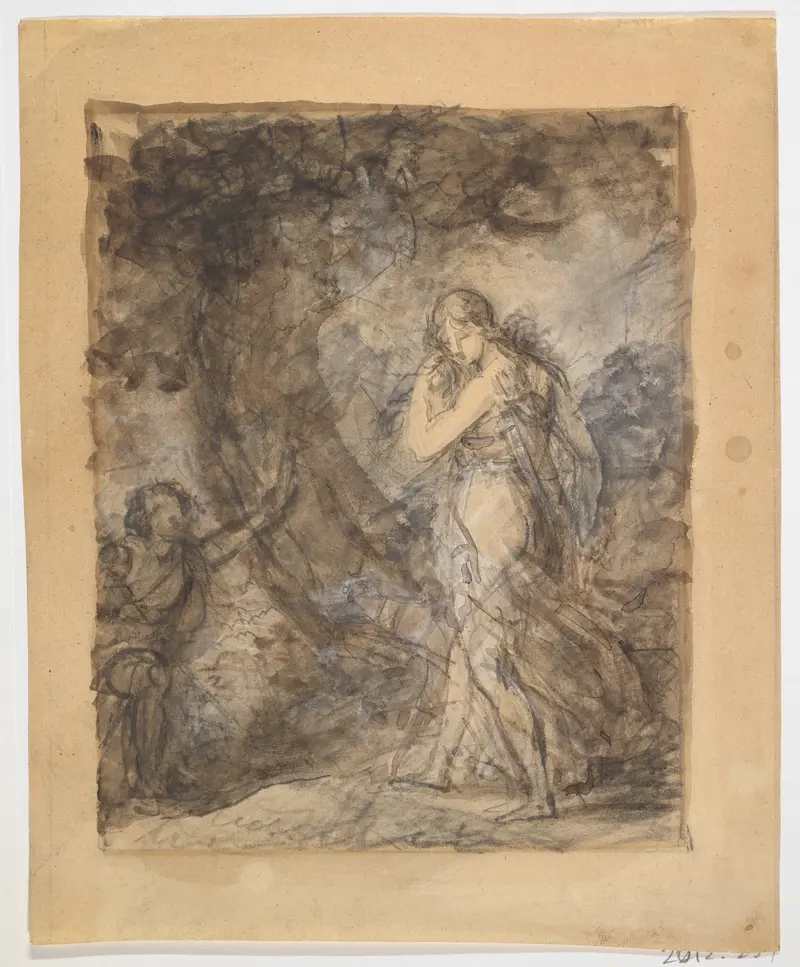
Daphnis Running toward Chloe
François Gérard
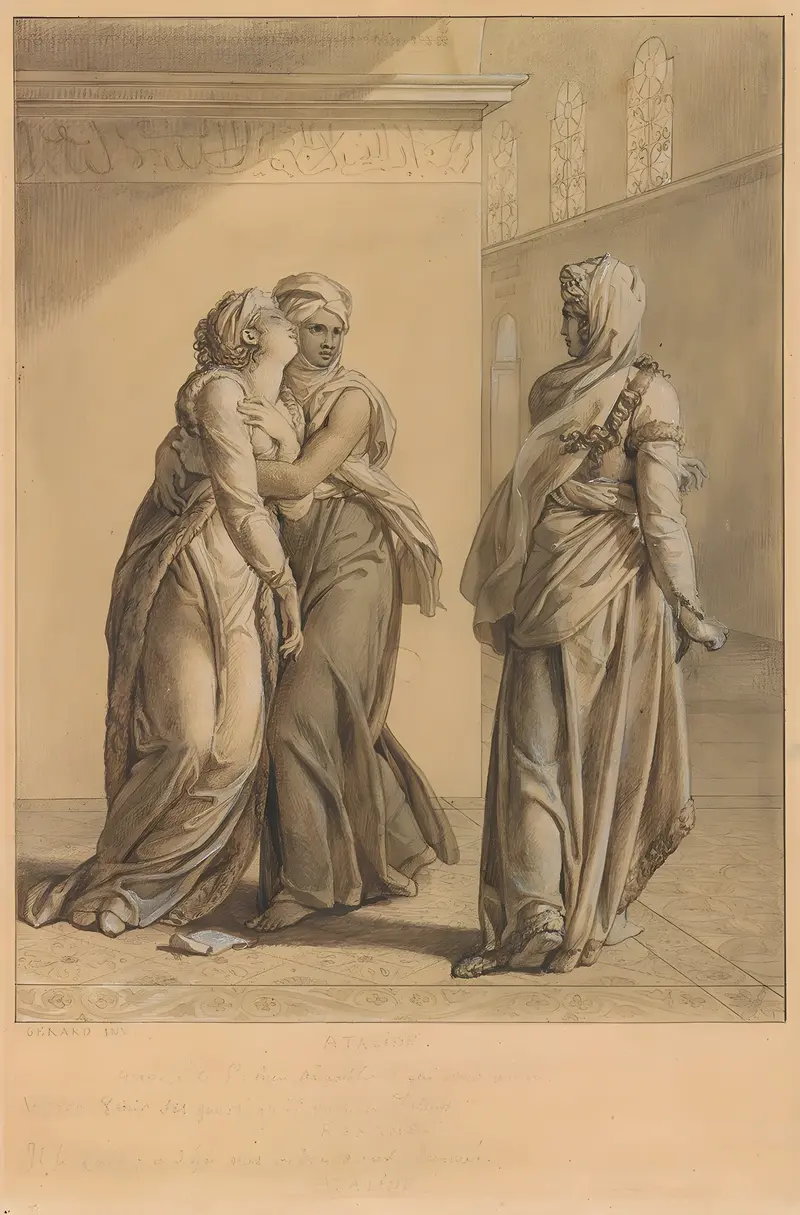
‘Je me meurs’; Atalide Faints upon Hearing Bajazet’s Fate
François Gérard





