
Portrait of Juliette Récamier, née Bernard — History & Facts
When François Gérard painted Portrait Of Juliette Récamier, Née Bernard, he captured not only the likeness of one of Paris’s most celebrated salonnières, but also contributed to a quiet rivalry among artists of the Napoleonic era. Juliette Récamier was already immortalized by Jacques-Louis David in his famous reclining portrait, but Gérard’s interpretation offered a new vision of her allure, sparking discussion in fashionable circles about which artist best revealed her character. The fascination with Madame Récamier’s image was so great that copies and variants of her portraits circulated widely, making her a symbol of grace and wit in post-Revolutionary France. In this portrait, Gérard chooses to present Juliette seated, her posture elegant yet relaxed, her gaze turned softly away from the viewer.
The simplicity of her white gown and the gentle fall of her shawl speak to the neoclassical taste of the time, emphasizing purity and restraint. Her hair, arranged in the antique style, and the sparse background draw all attention to her expressive face, suggesting both intelligence and reserve. Unlike David’s more formal, languid pose, Gérard’s version conveys a sense of immediacy and warmth, inviting the viewer into a more intimate encounter.
The light, carefully modulated across her features, enhances this effect, making her appear both approachable and enigmatic. The precise origins of Portrait Of Juliette Récamier, Née Bernard remain uncertain, as the date and circumstances of its commission are not clearly documented. However, Gérard’s close association with Parisian high society and his reputation as a portraitist of the elite suggest that this work was likely created at the height of Madame Récamier’s fame. Over the years, the painting has been admired for its psychological depth and has often been compared to Gérard’s other celebrated portraits of women from the era.
Today, the portrait stands as a testament to both the artist’s skill and the enduring fascination with Juliette Récamier, whose image continues to captivate audiences wherever it is displayed.
More Artworks by François Gérard

Portrait of Emperor Napoleon I
François Gérard
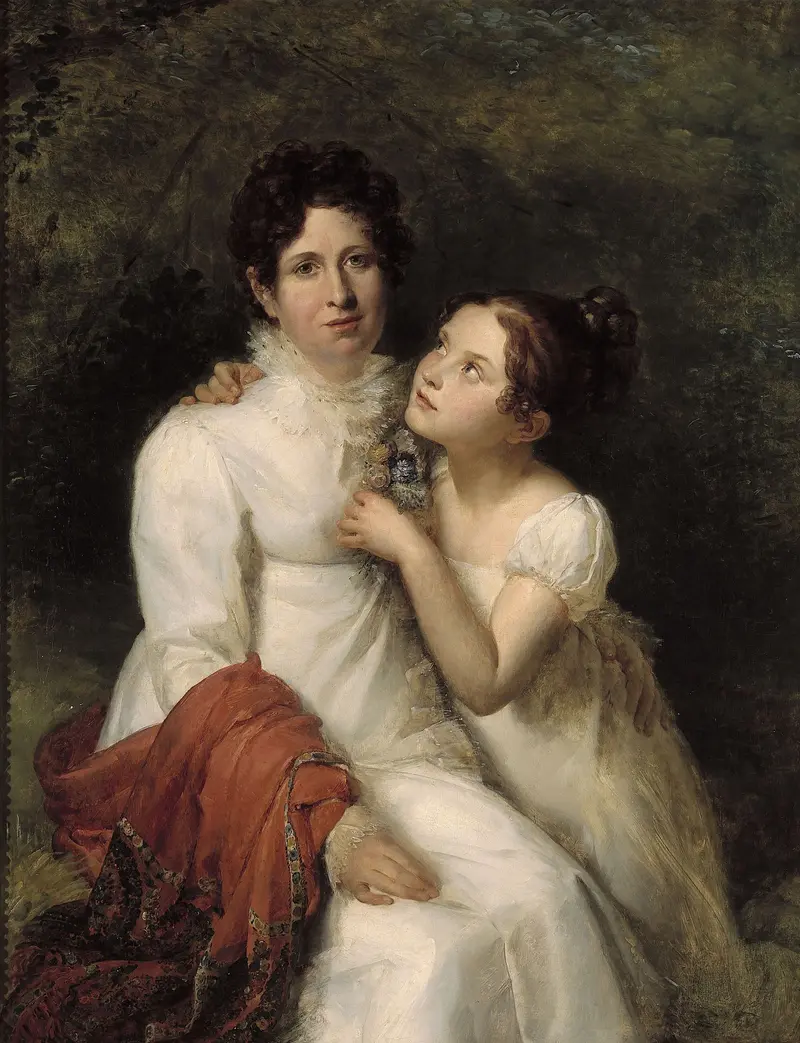
Portrait de Madame Bauquin Du Boulay et de sa nièce Mademoiselle Bauquin de La Souche
François Gérard
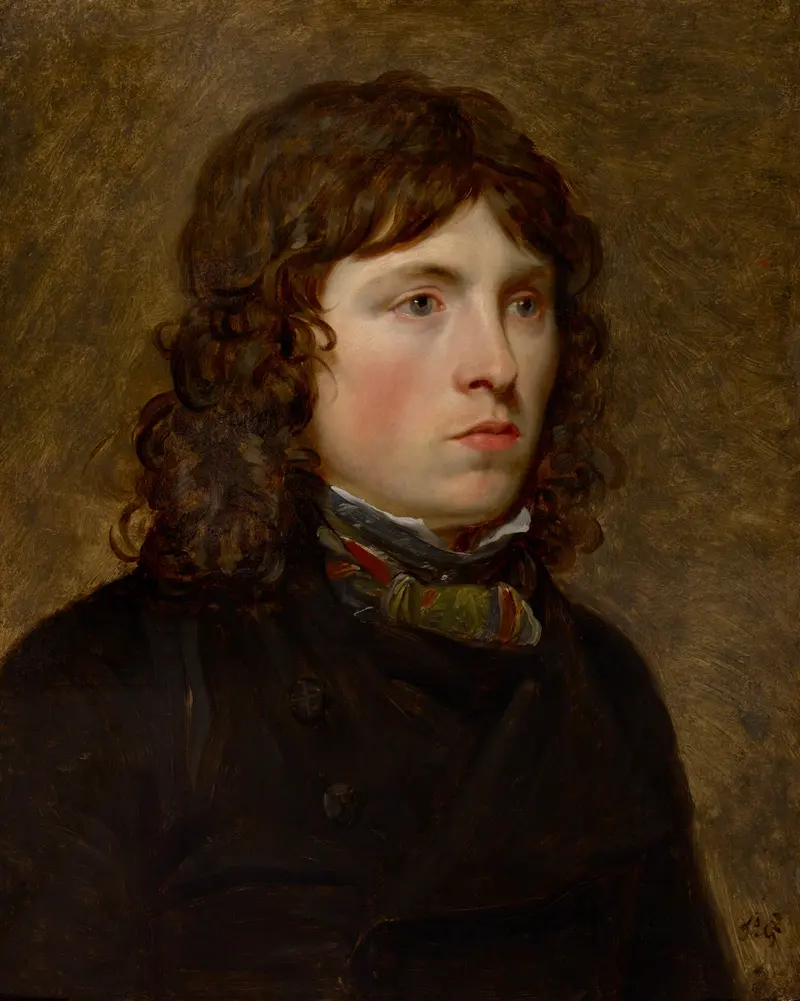
Portrait of G. F. Reverdin
François Gérard
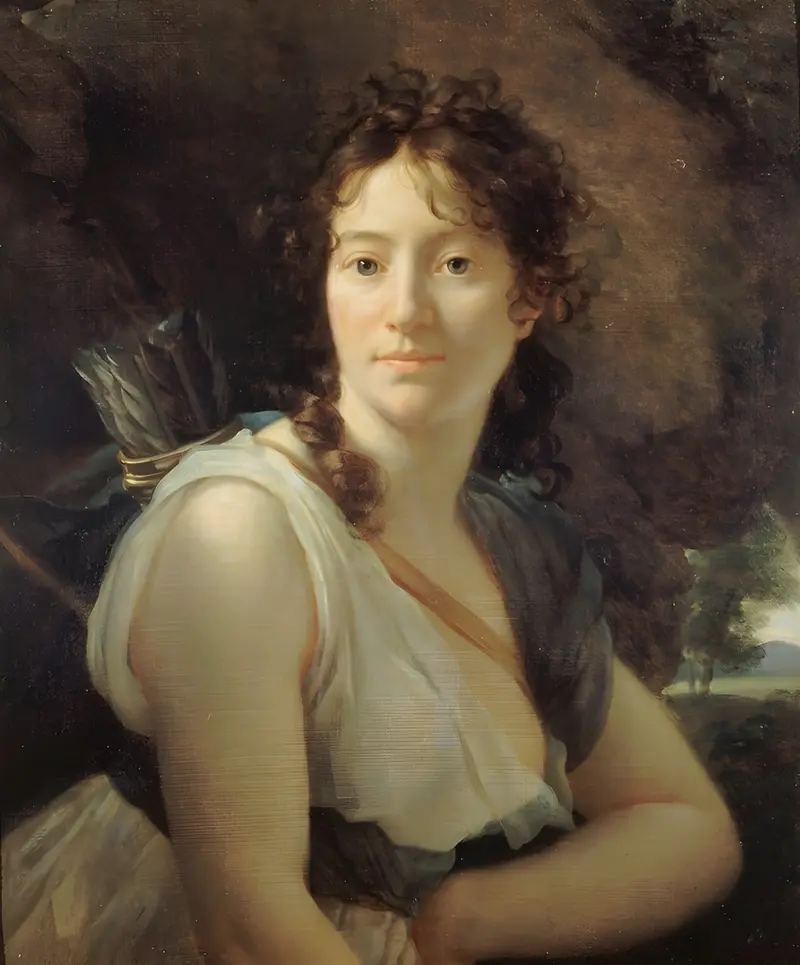
Portrait Of Mademoiselle Duchesnois (1777-1835), Member Of The Comédie-Française, In The Role Of Dido.
François Gérard
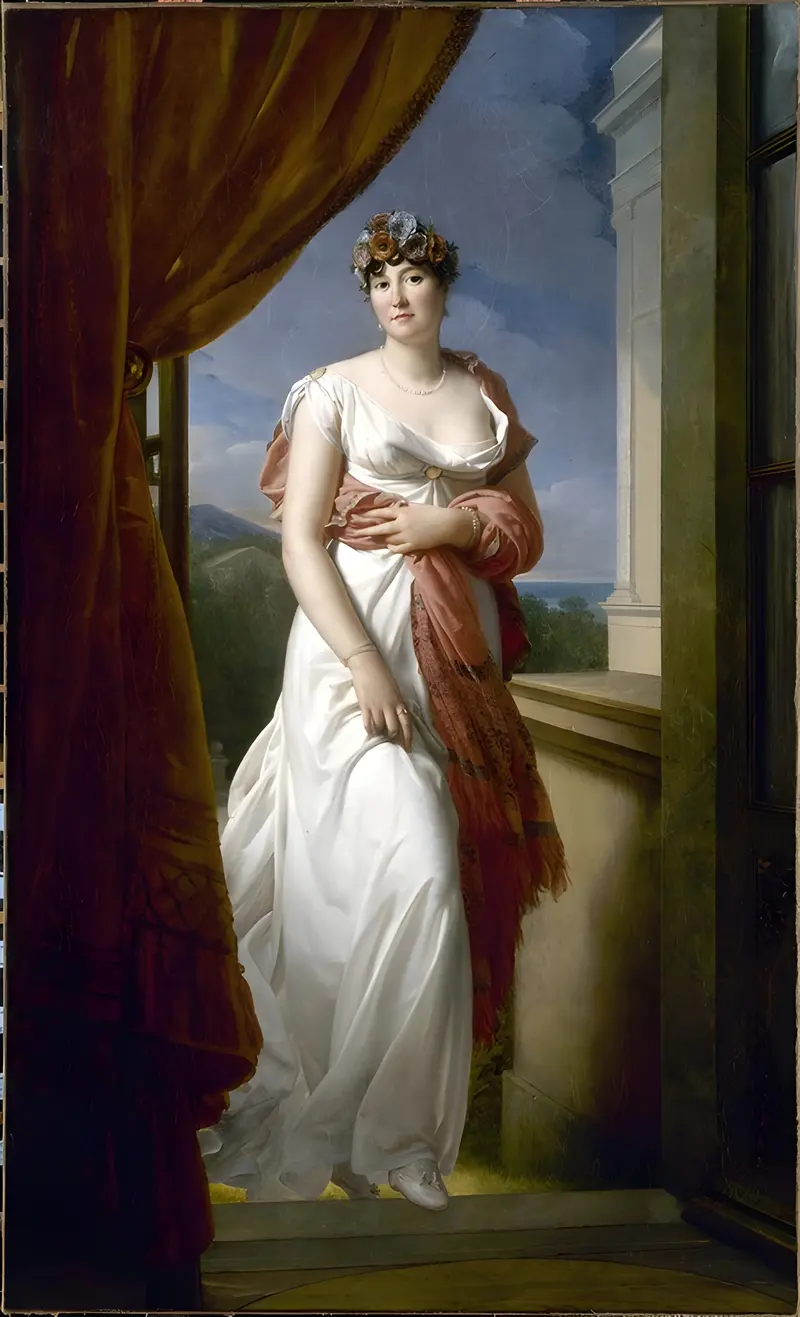
Portrait Of Theresia Cabarrus (1773-1835), Wife Tallien, Then Princess Of Caraman-Chimay
François Gérard
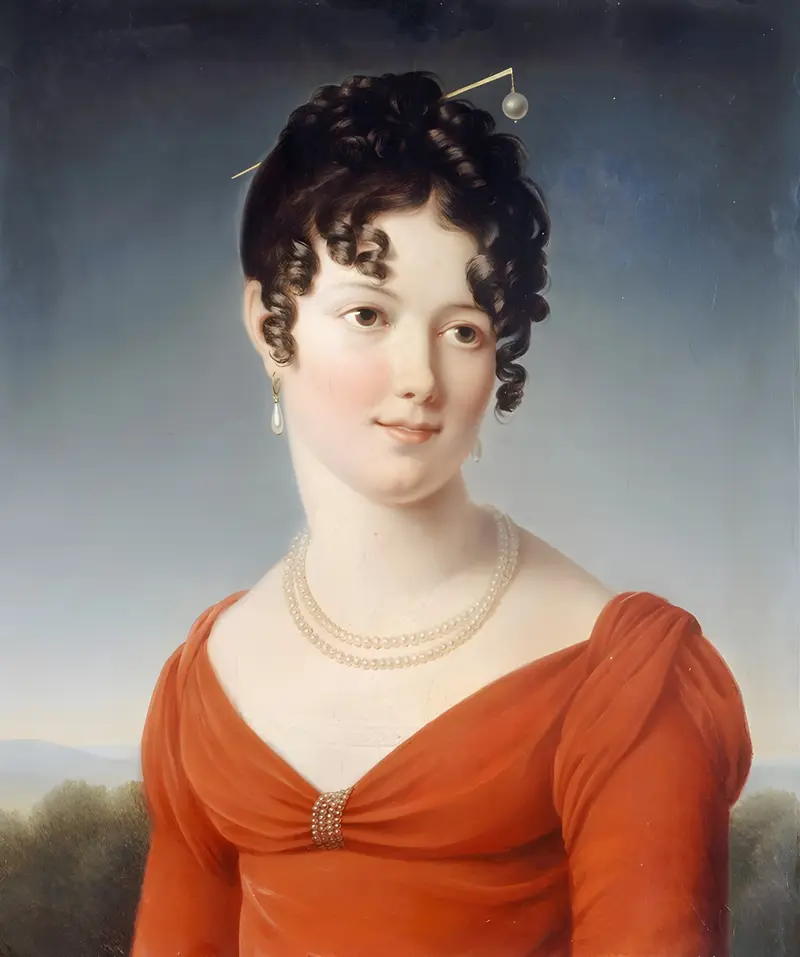
Bust Portrait Of Alexandrine-Anne De La Pallu, Marquise De Flers (1786-1832)
François Gérard
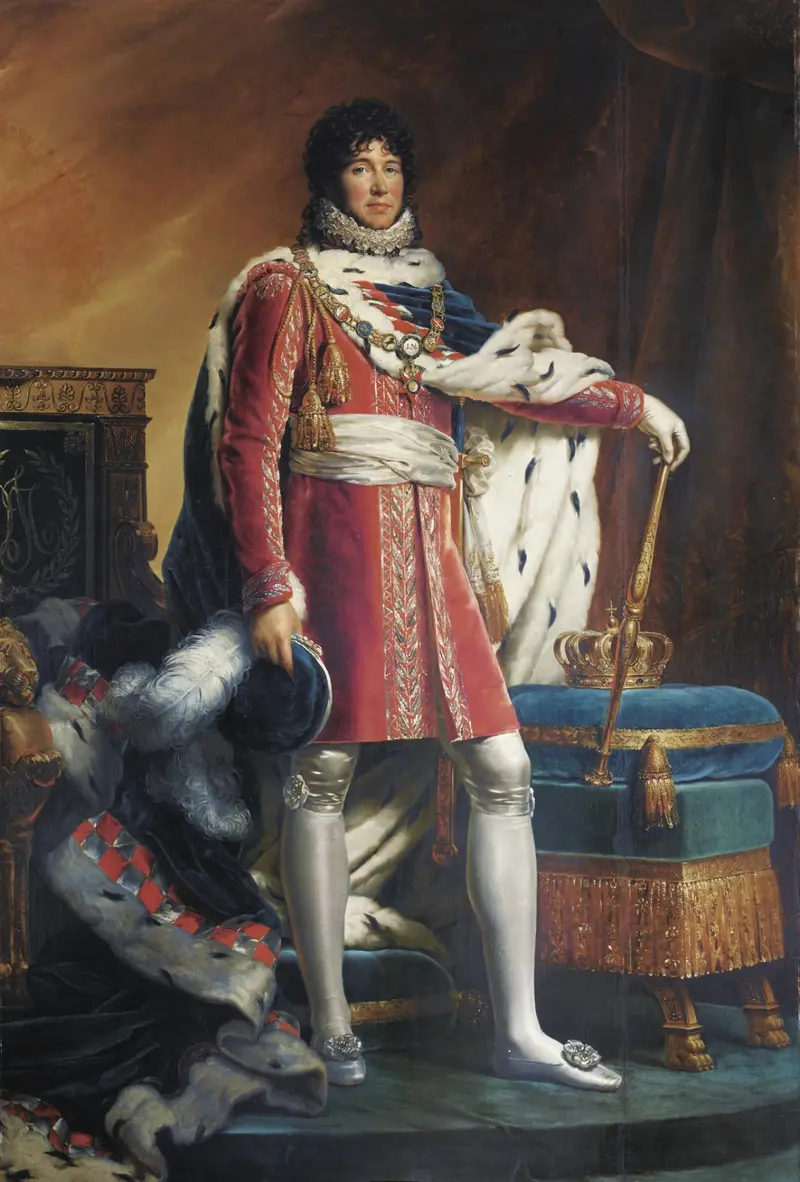
Portrait of Joachim Napoléon Murat, King of Naples and of the two Sicilies
François Gérard
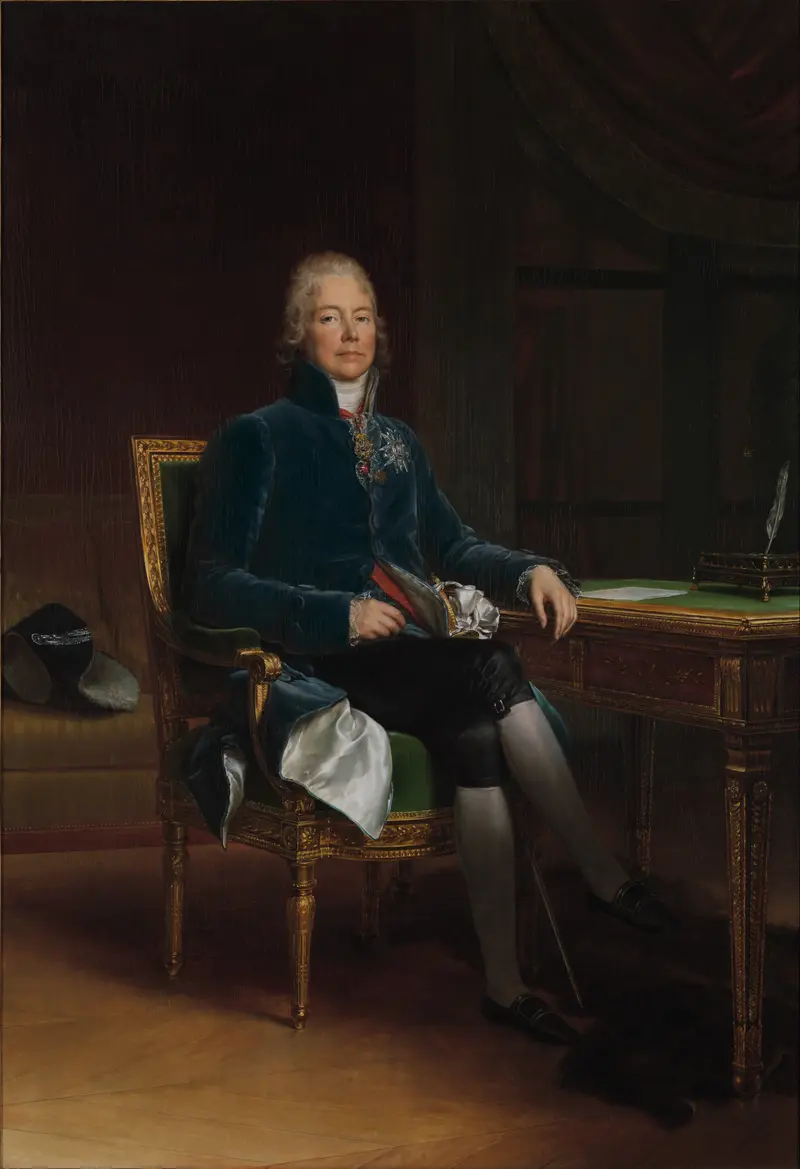
Charles Maurice de Talleyrand Périgord (1754–1838), Prince de Bénévent
François Gérard
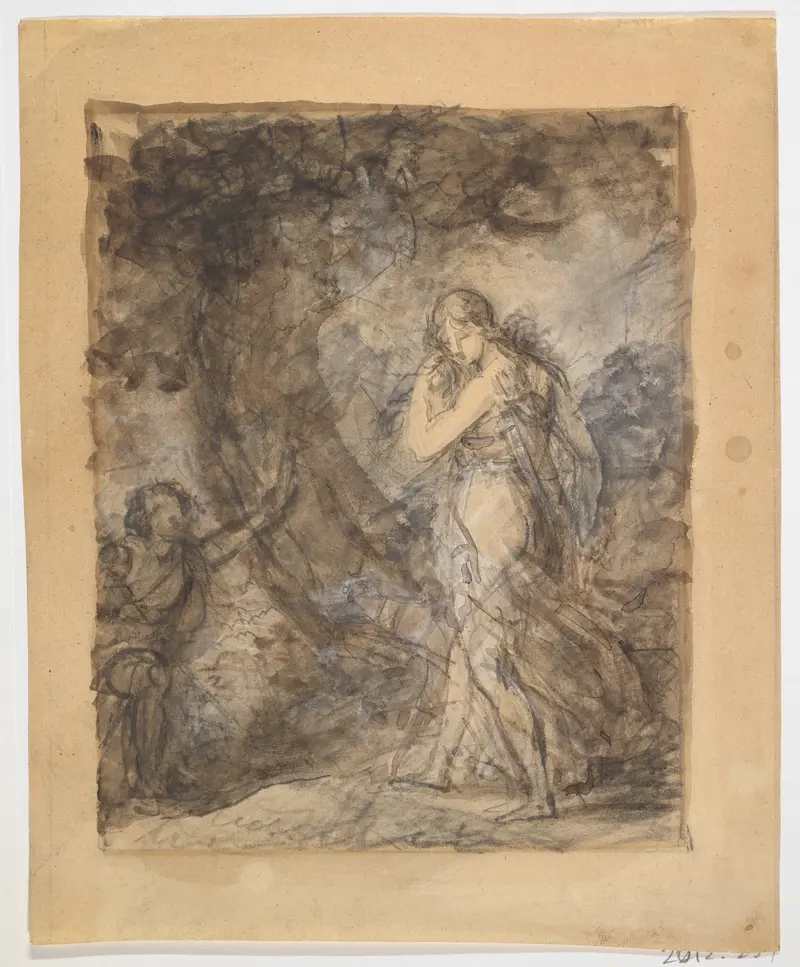
Daphnis Running toward Chloe
François Gérard
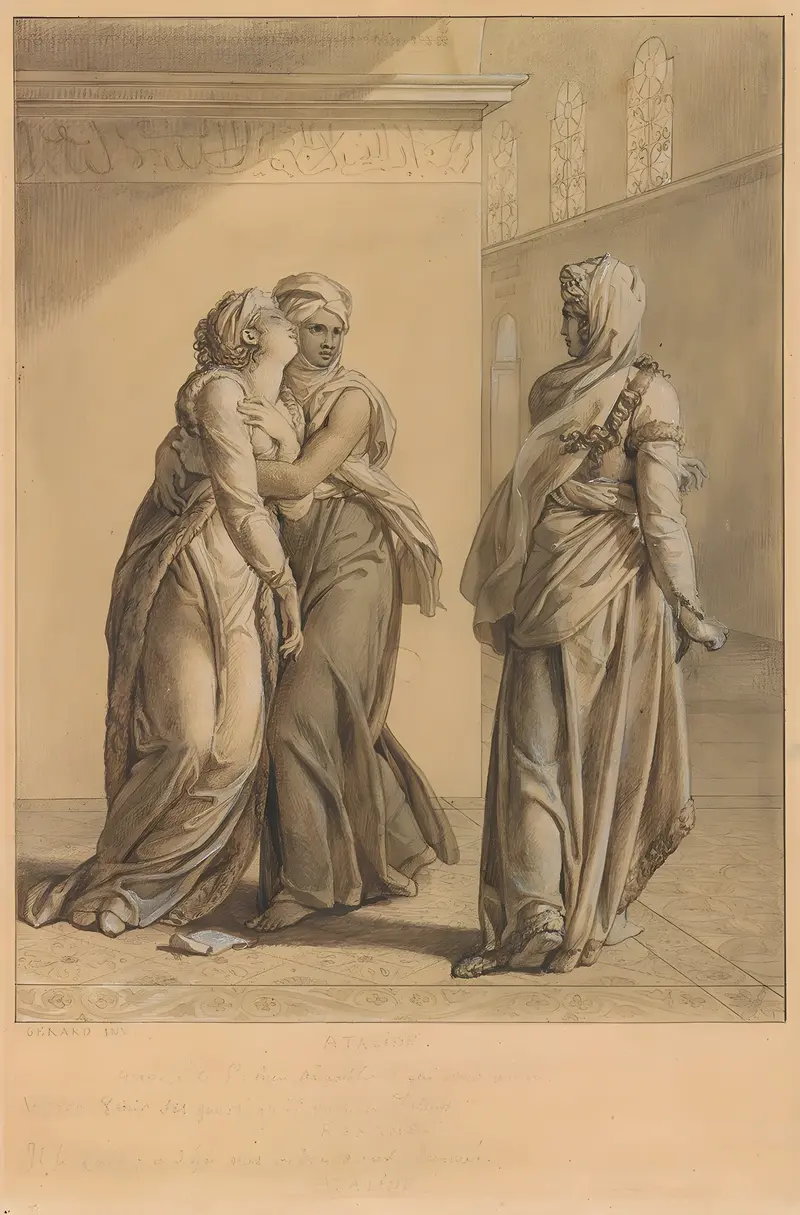
‘Je me meurs’; Atalide Faints upon Hearing Bajazet’s Fate
François Gérard





