
Portrait de Madame Bauquin Du Boulay et de sa nièce Mademoiselle Bauquin de La Souche — History & Facts
When François Gérard painted Portrait de Madame Bauquin Du Boulay et de sa nièce Mademoiselle Bauquin de La Souche, he was already celebrated as the favored portraitist of Napoleonic and Restoration-era Paris. What makes this work particularly intriguing is its depiction of two women from the same family, a rare double portrait in Gérard’s oeuvre, suggesting a commission not just for status but as a testament to kinship and legacy. While the exact date and circumstances of the commission remain uncertain, the sitters belonged to the French bourgeoisie, their names preserved in the title—a clue to their social aspirations and the importance placed on lineage during the early 19th century. Gérard selects a moment of poised intimacy: Madame Bauquin Du Boulay, seated with dignified composure, rests a protective hand on her niece’s shoulder.
The younger Mademoiselle Bauquin de La Souche gazes outward, her expression a mixture of curiosity and reserve, hinting at youth on the threshold of society. The careful rendering of their attire—sumptuous fabrics, delicate lace, and refined jewelry—signals both their wealth and the painter’s attention to social codes. The interplay of hands, the gentle turn of their bodies toward each other, and the soft, enveloping light recall the family portraits of Élisabeth Vigée Le Brun, yet Gérard’s approach is cooler, more restrained, emphasizing the sitters’ self-possession over sentiment. The painting’s journey after its creation is less well documented than many of Gérard’s state portraits, a fate common to private commissions of the era.
There is no record of it passing through major auctions or royal collections, suggesting it may have remained in family hands for generations before entering the public eye. Today, it stands as a testament to Gérard’s versatility beyond imperial commissions, capturing the nuances of private life and familial bonds. Its presence in an online gallery allows new audiences to appreciate a quieter, more personal facet of François Gérard’s career, distinct from his grand historical and political canvases.
More Artworks by François Gérard

Portrait of Emperor Napoleon I
François Gérard
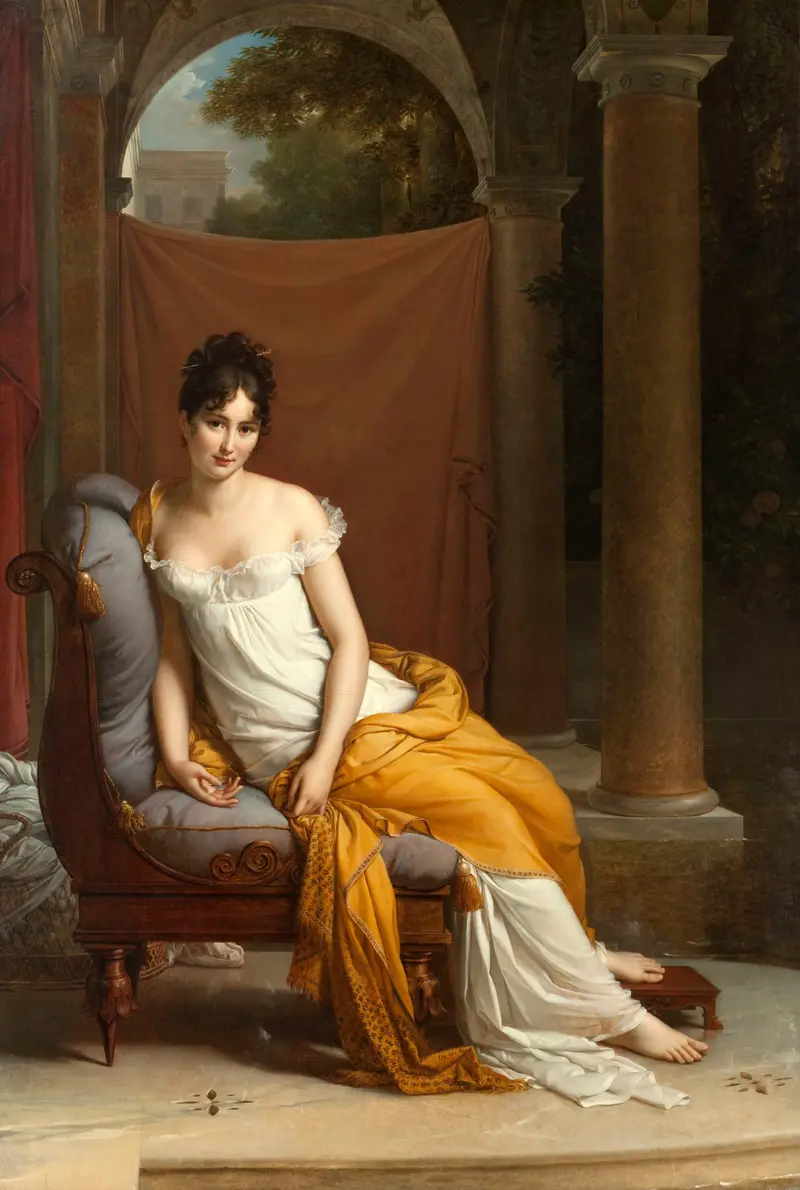
Portrait of Juliette Récamier, née Bernard
François Gérard
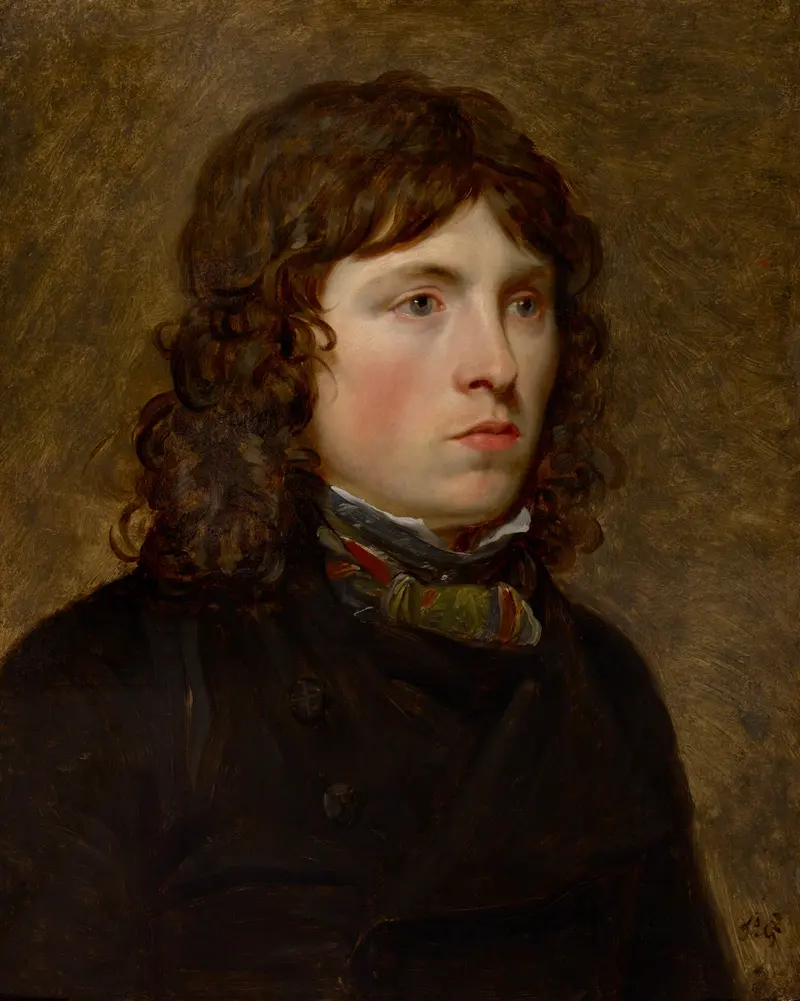
Portrait of G. F. Reverdin
François Gérard
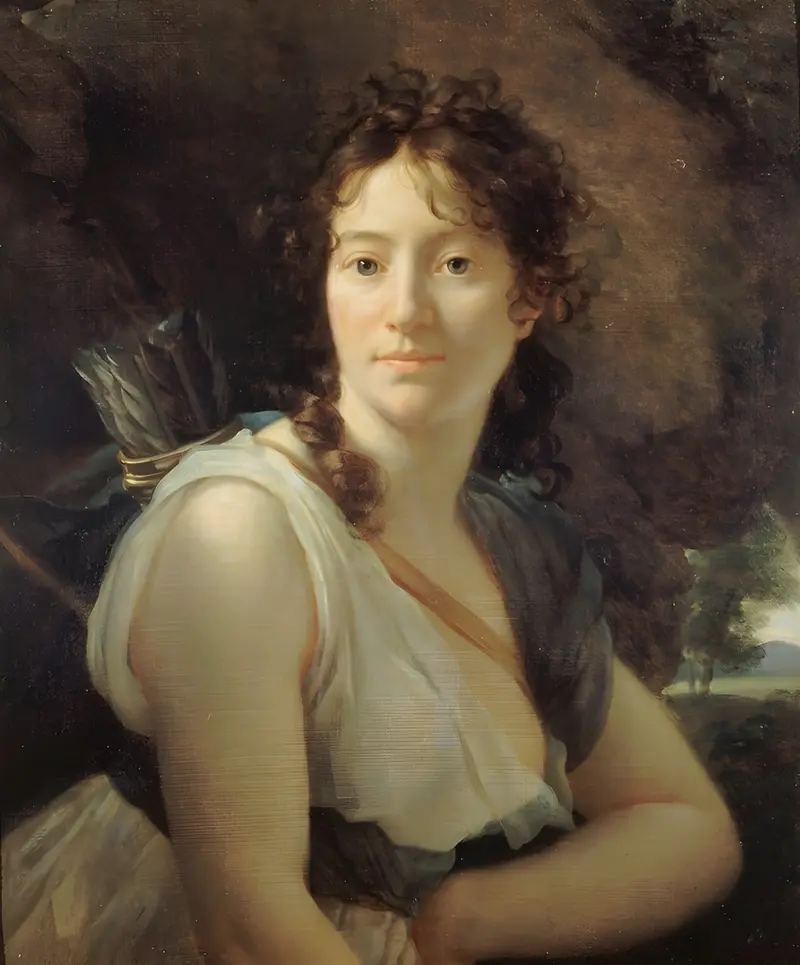
Portrait Of Mademoiselle Duchesnois (1777-1835), Member Of The Comédie-Française, In The Role Of Dido.
François Gérard
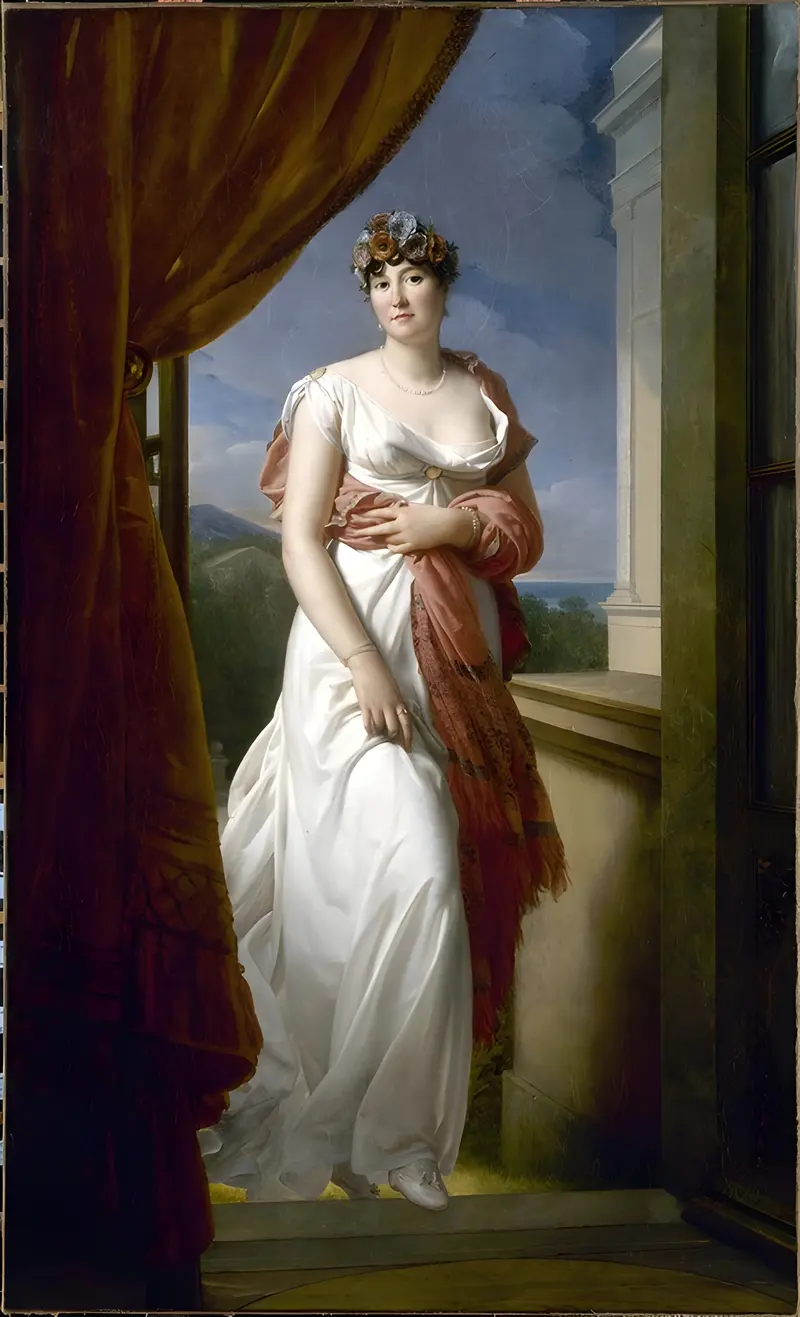
Portrait Of Theresia Cabarrus (1773-1835), Wife Tallien, Then Princess Of Caraman-Chimay
François Gérard
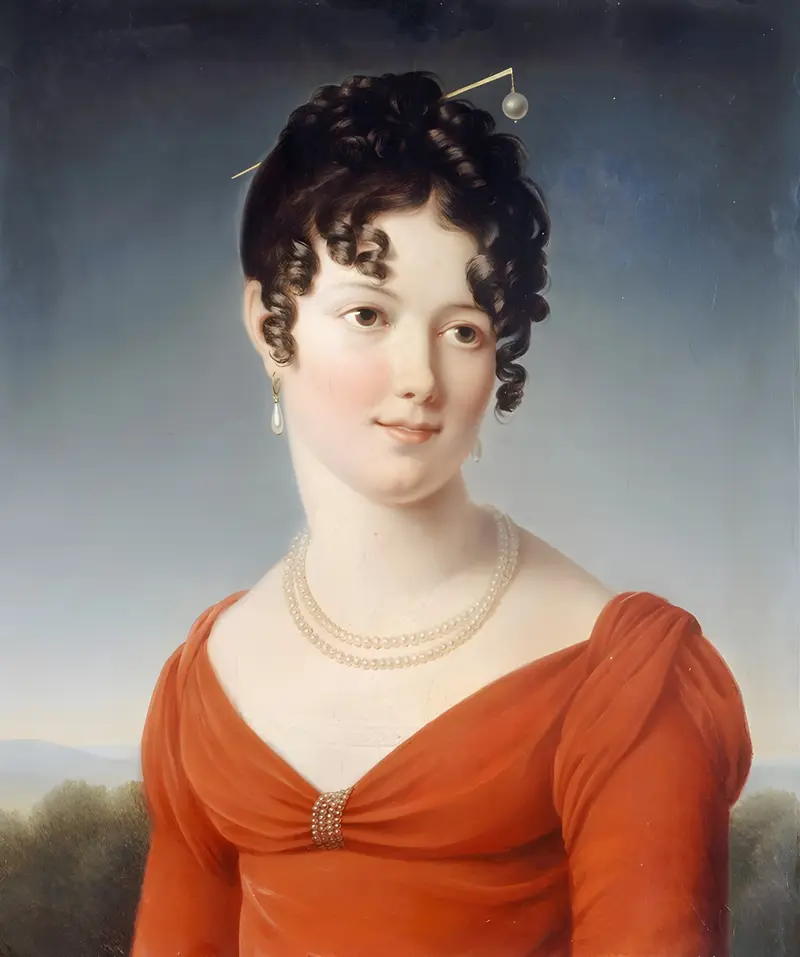
Bust Portrait Of Alexandrine-Anne De La Pallu, Marquise De Flers (1786-1832)
François Gérard
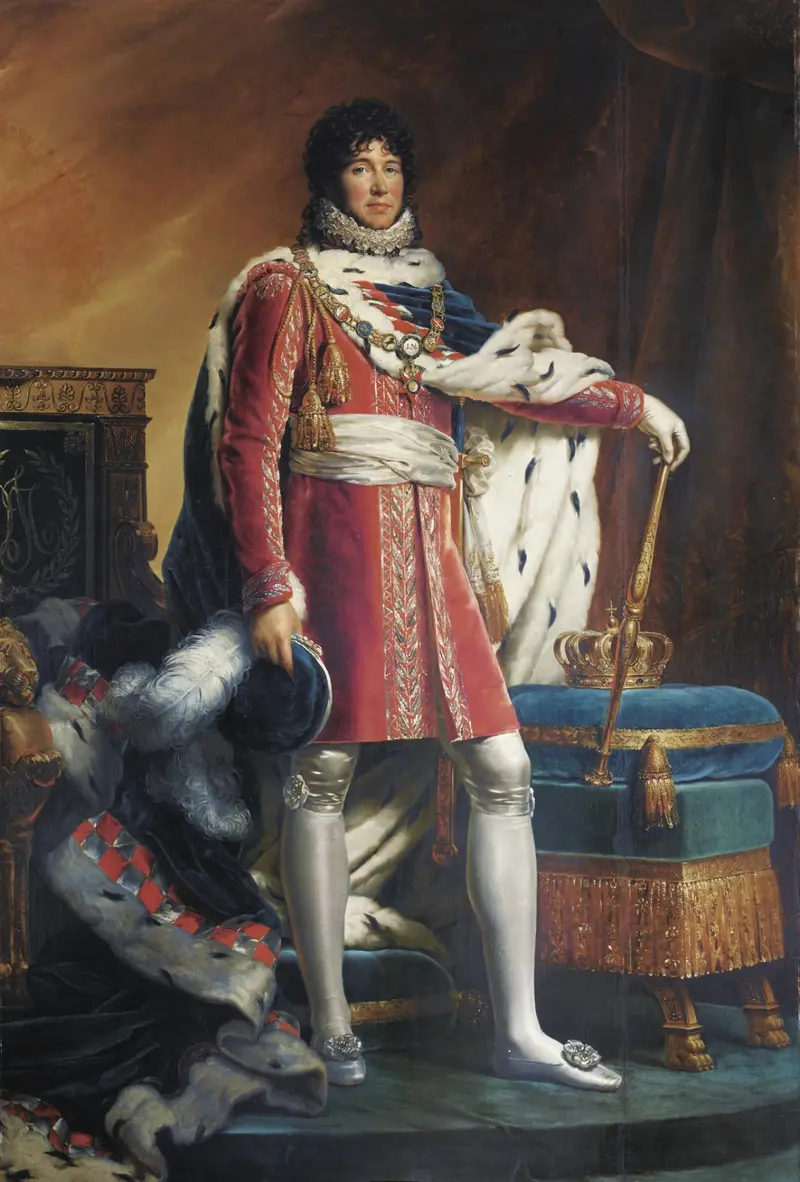
Portrait of Joachim Napoléon Murat, King of Naples and of the two Sicilies
François Gérard
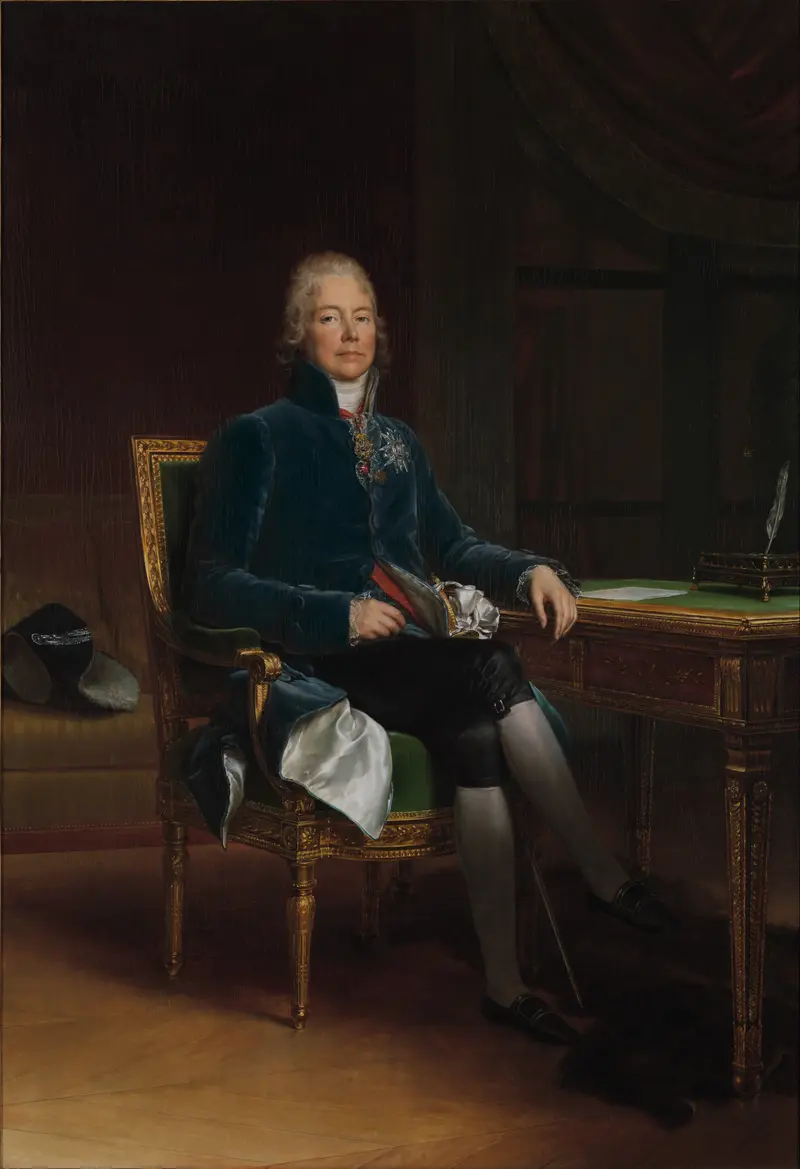
Charles Maurice de Talleyrand Périgord (1754–1838), Prince de Bénévent
François Gérard
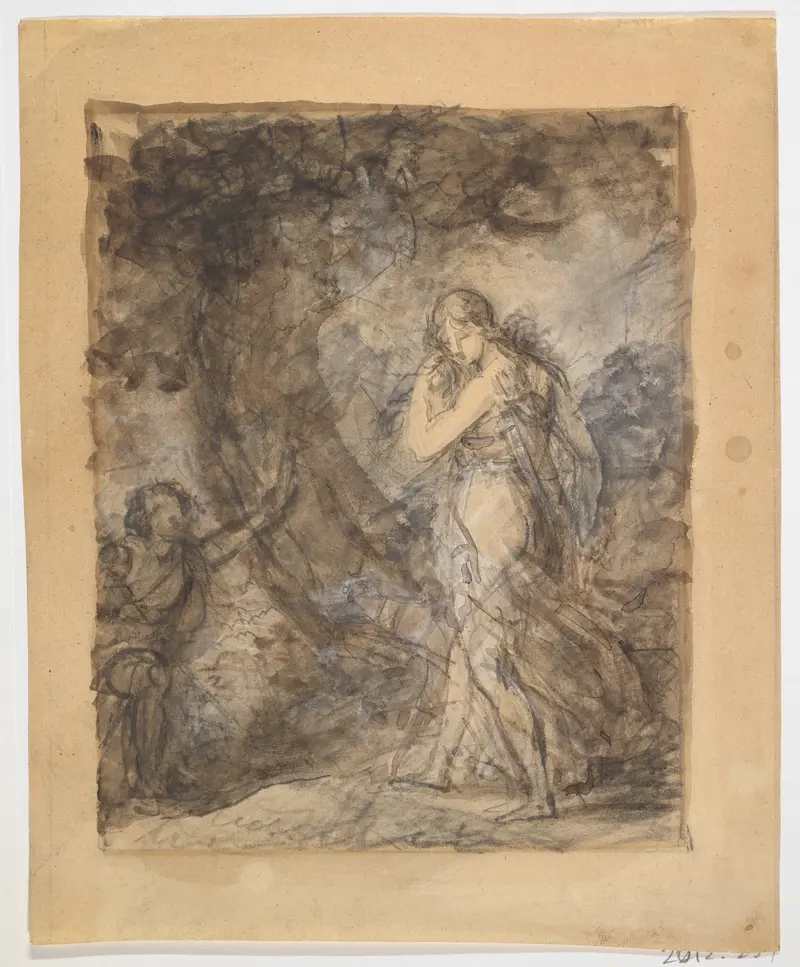
Daphnis Running toward Chloe
François Gérard
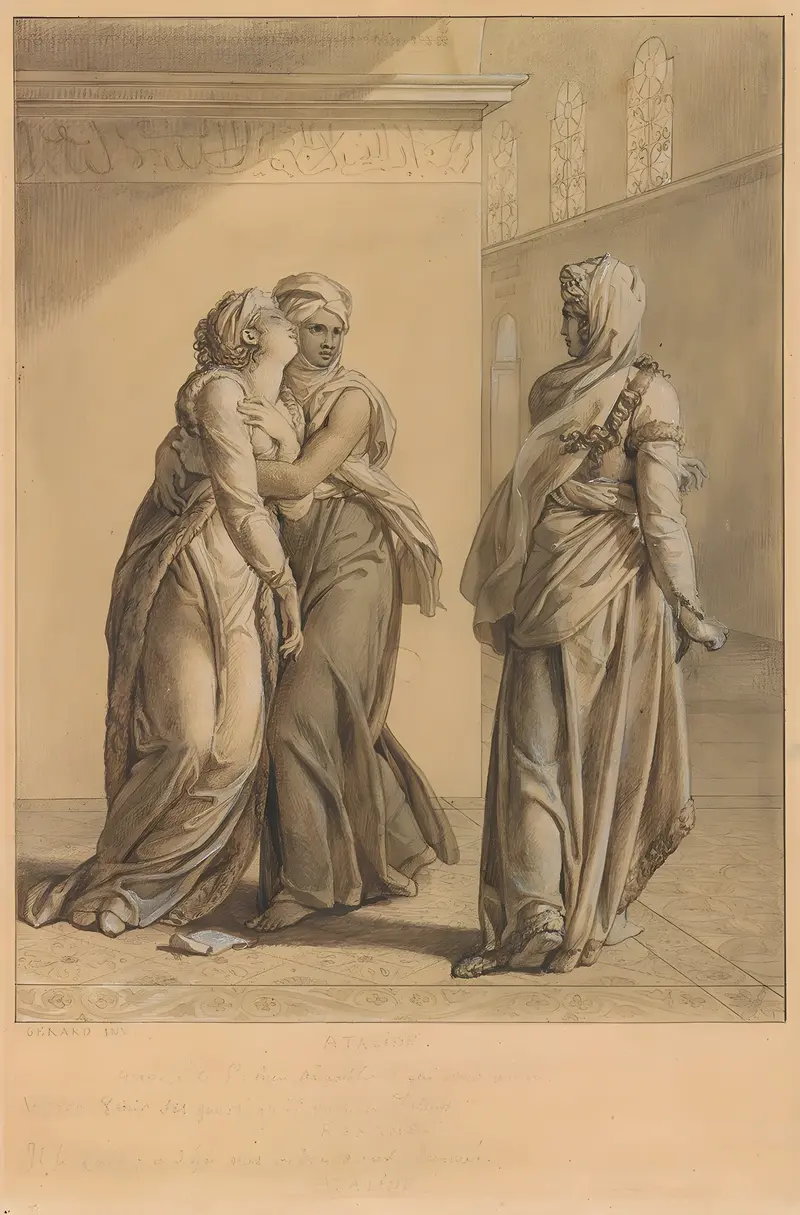
‘Je me meurs’; Atalide Faints upon Hearing Bajazet’s Fate
François Gérard





