
Portrait Of Theresia Cabarrus (1773-1835), Wife Tallien, Then Princess Of Caraman-Chimay — History & Facts
When François Gérard painted Portrait Of Theresia Cabarrus (1773-1835), Wife Tallien, Then Princess Of Caraman-Chimay, he immortalized a woman whose life was as dramatic as the era she helped shape. Theresia Cabarrus, known as "Notre-Dame de Thermidor," played a pivotal role in the fall of Robespierre and the end of the Reign of Terror in 1794. Her salons became legendary in post-revolutionary Paris, drawing politicians, artists, and intellectuals into her orbit.
The painting stands as a testament to a figure who, through wit and charm, helped steer the course of French history. Gérard chooses to depict Theresia at the height of her influence, her gaze direct yet inviting, dressed in the refined neoclassical style that defined the Directoire period. The delicate folds of her gown, the subtle sparkle of her jewelry, and the softness of her expression all speak to her reputation for grace and intelligence. The sitter’s posture—relaxed yet composed—suggests both her social confidence and her resilience after years of political turmoil.
Unlike Élisabeth Vigée Le Brun’s more sentimental portraits of women from the same era, Gérard’s approach is cooler, emphasizing the sitter’s intellect and poise over emotion. The light falls gently across her face, highlighting her features and drawing the viewer into the world of Parisian high society. The exact circumstances of the commission remain unclear, but Gérard, celebrated for his portraits of the Napoleonic elite, likely painted Theresia during her marriage to Jean-Lambert Tallien or soon after her elevation to Princess of Chimay. The painting’s provenance is not fully documented, a fate it shares with many portraits of this turbulent period, but it has long been admired as a quintessential example of early nineteenth-century French portraiture.
Today, it is prized for both its artistic merit and as a window onto the life of a woman who moved at the heart of revolutionary France. François Gérard’s careful balance of realism and idealization in this work marks a high point in his career as a portraitist of Europe’s most fascinating personalities.
More Artworks by François Gérard

Portrait of Emperor Napoleon I
François Gérard
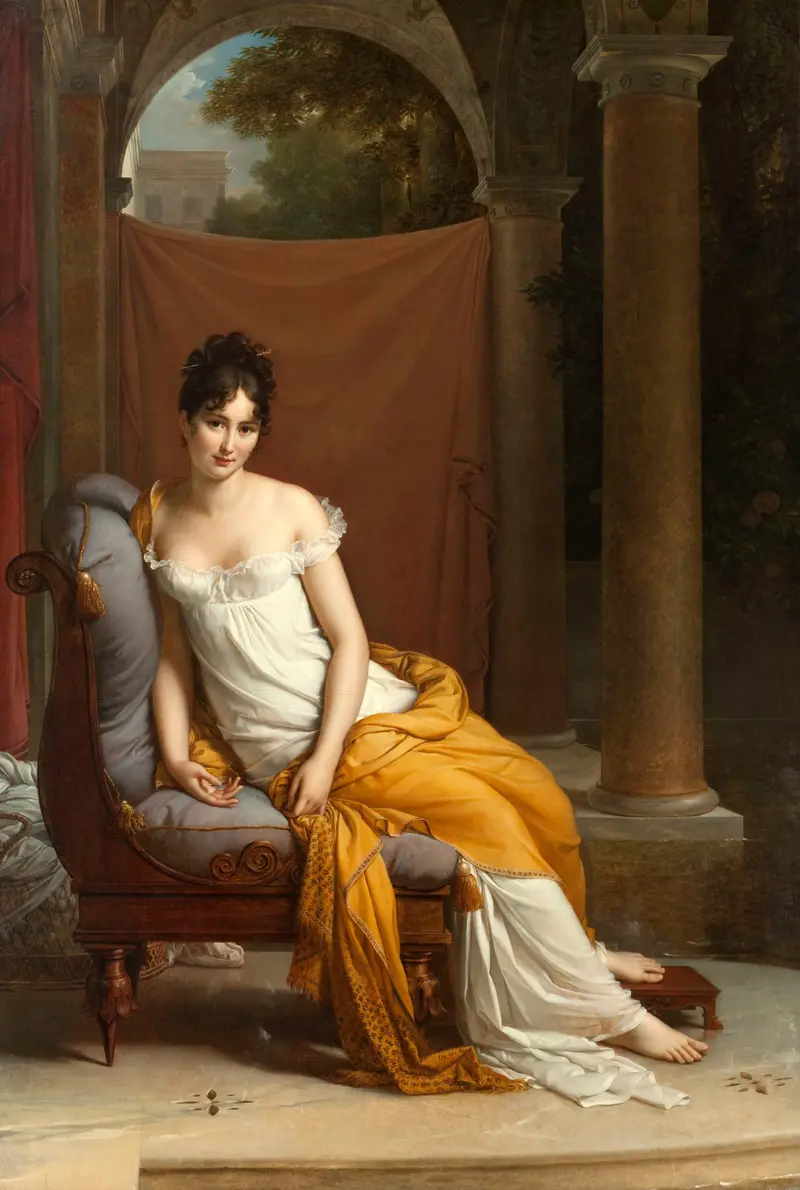
Portrait of Juliette Récamier, née Bernard
François Gérard
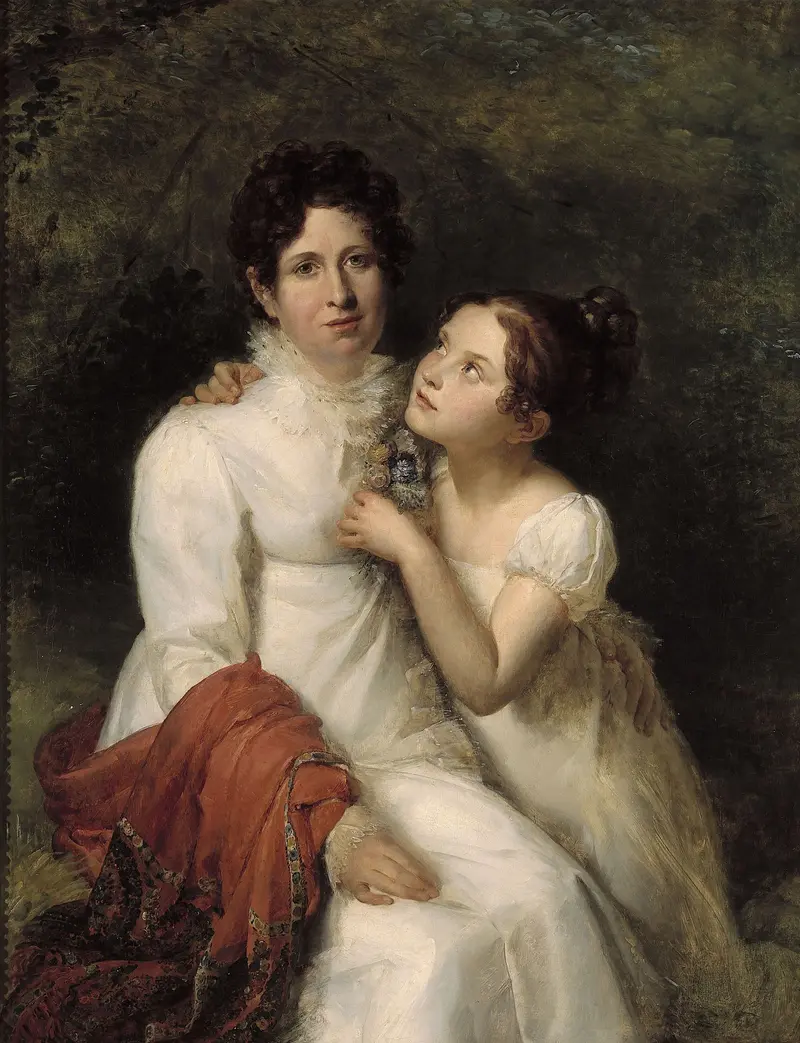
Portrait de Madame Bauquin Du Boulay et de sa nièce Mademoiselle Bauquin de La Souche
François Gérard
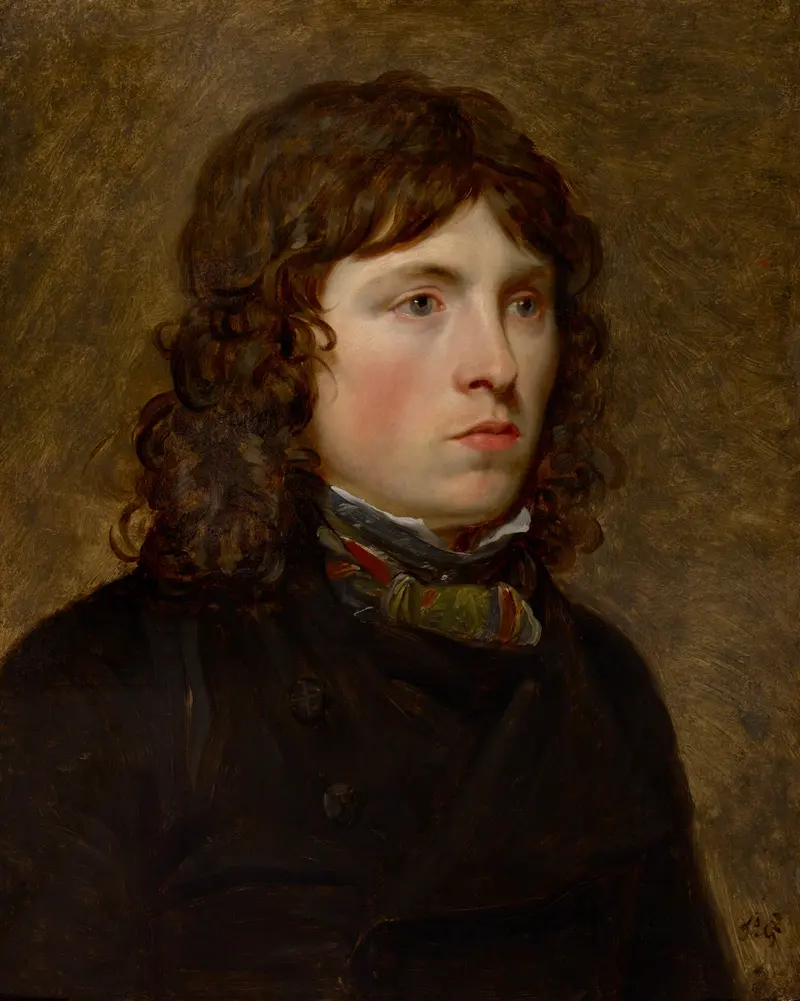
Portrait of G. F. Reverdin
François Gérard
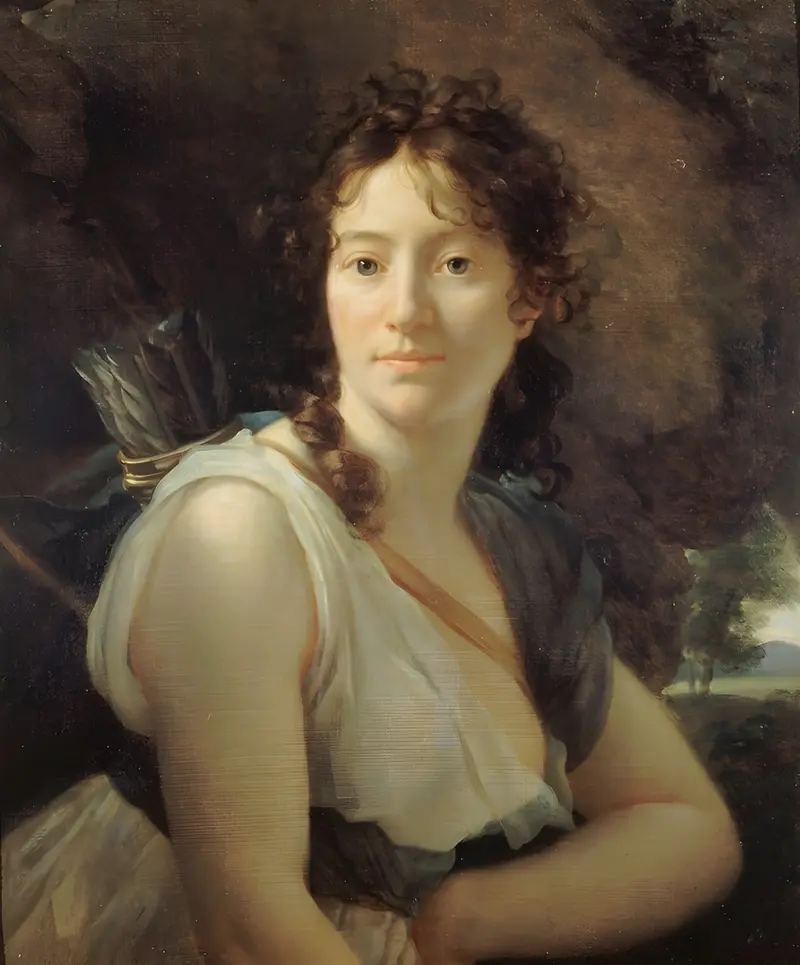
Portrait Of Mademoiselle Duchesnois (1777-1835), Member Of The Comédie-Française, In The Role Of Dido.
François Gérard
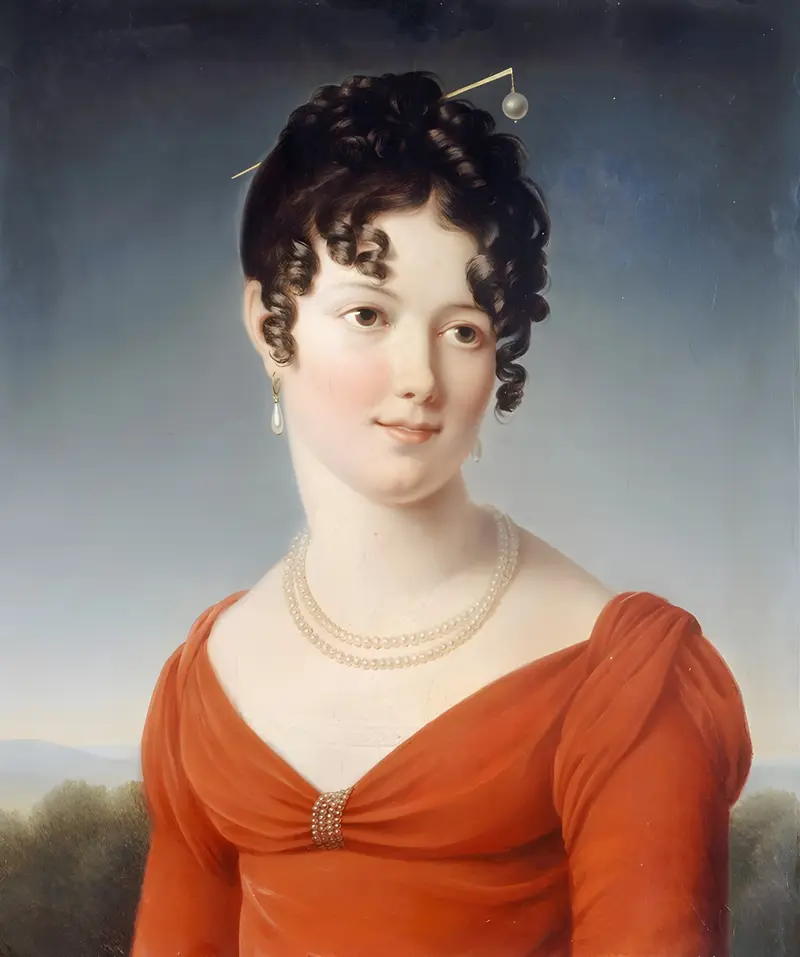
Bust Portrait Of Alexandrine-Anne De La Pallu, Marquise De Flers (1786-1832)
François Gérard
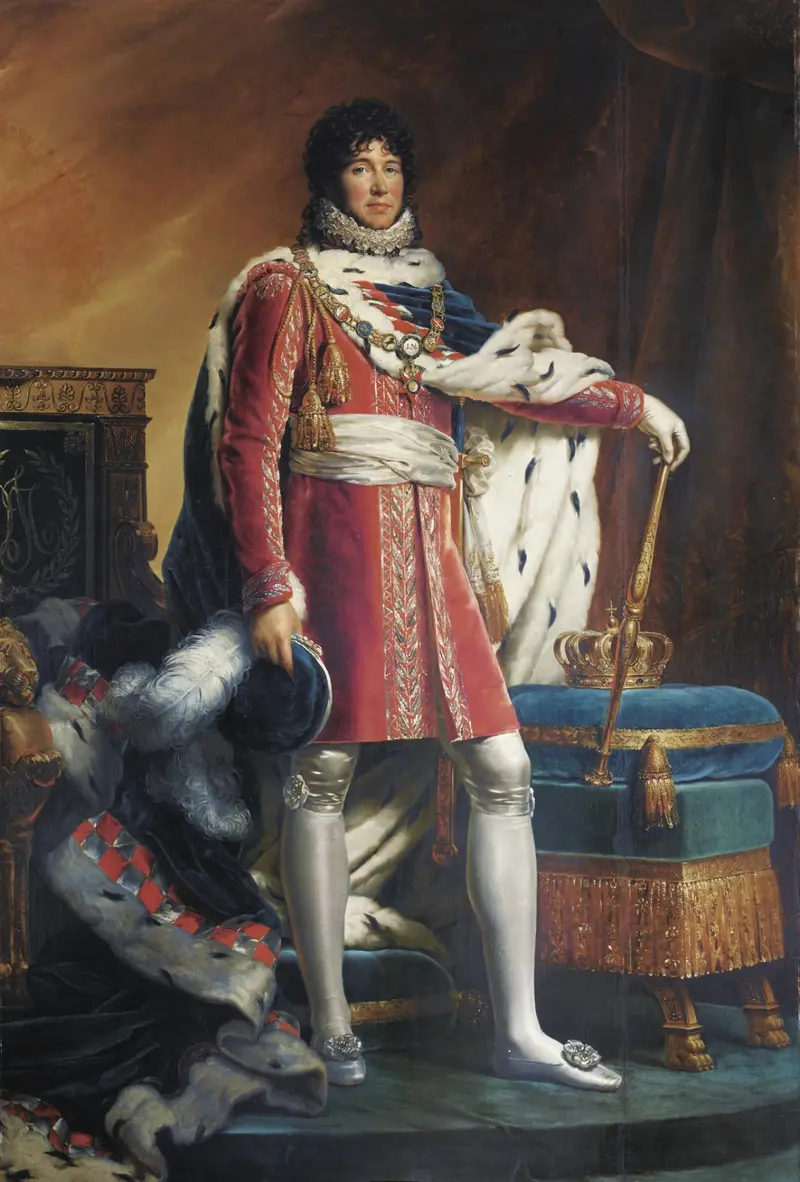
Portrait of Joachim Napoléon Murat, King of Naples and of the two Sicilies
François Gérard
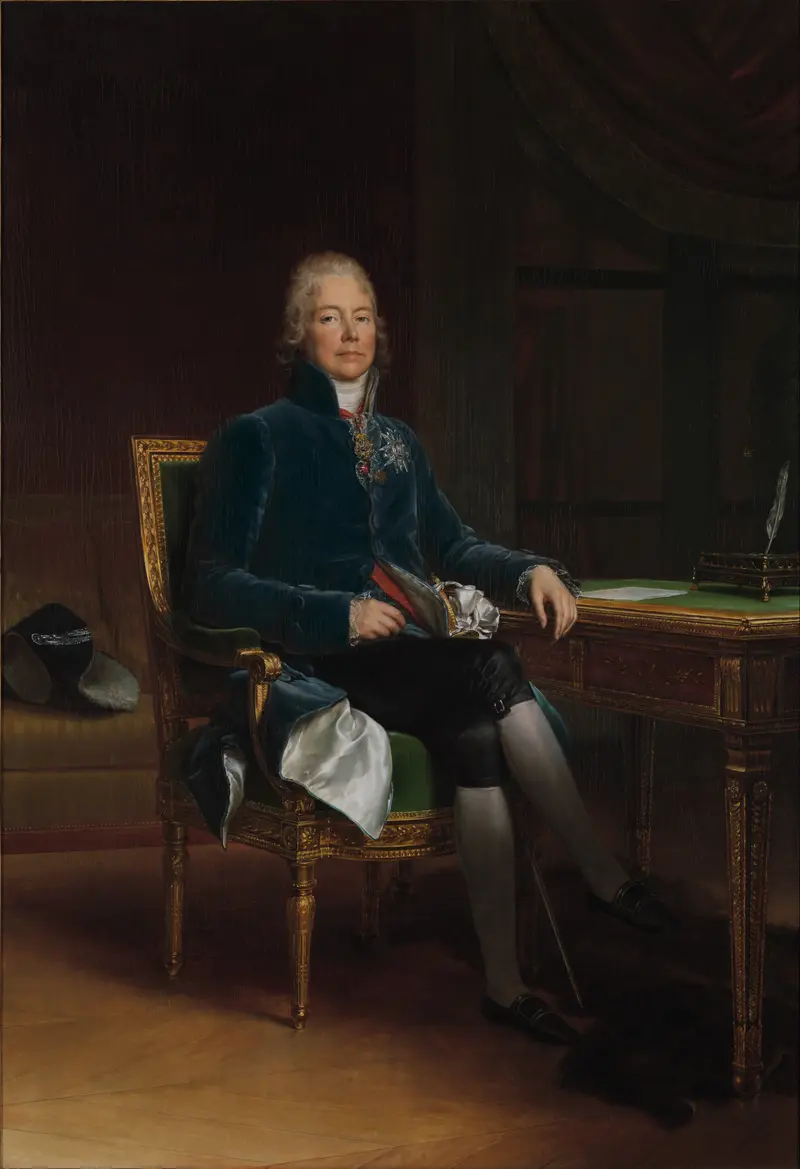
Charles Maurice de Talleyrand Périgord (1754–1838), Prince de Bénévent
François Gérard
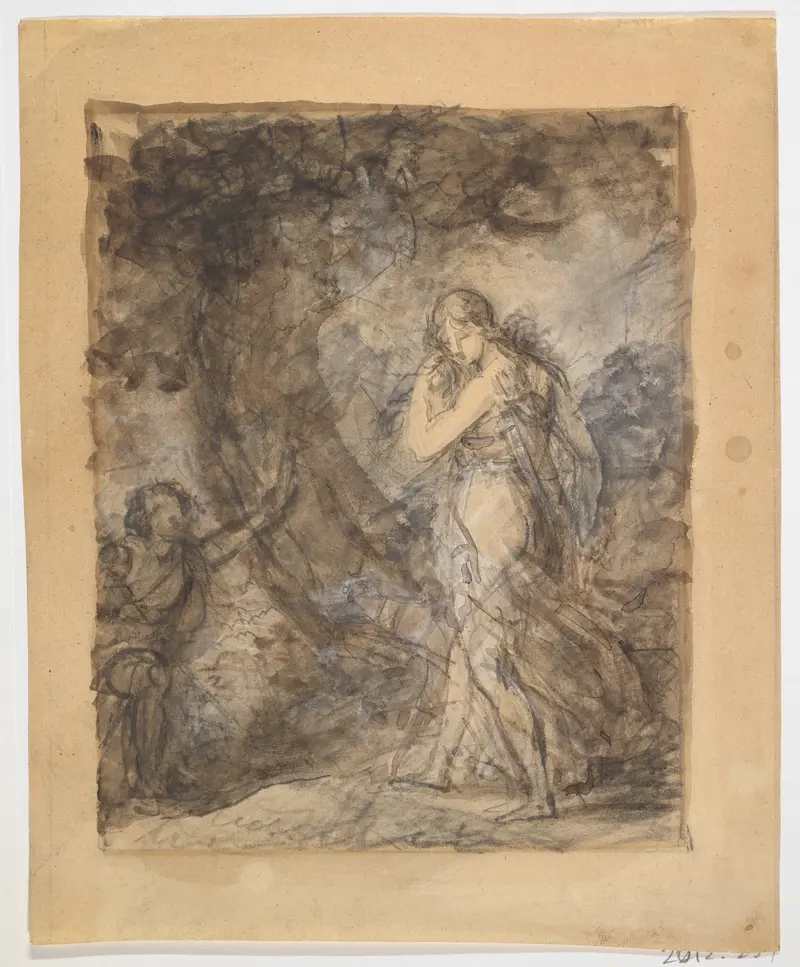
Daphnis Running toward Chloe
François Gérard
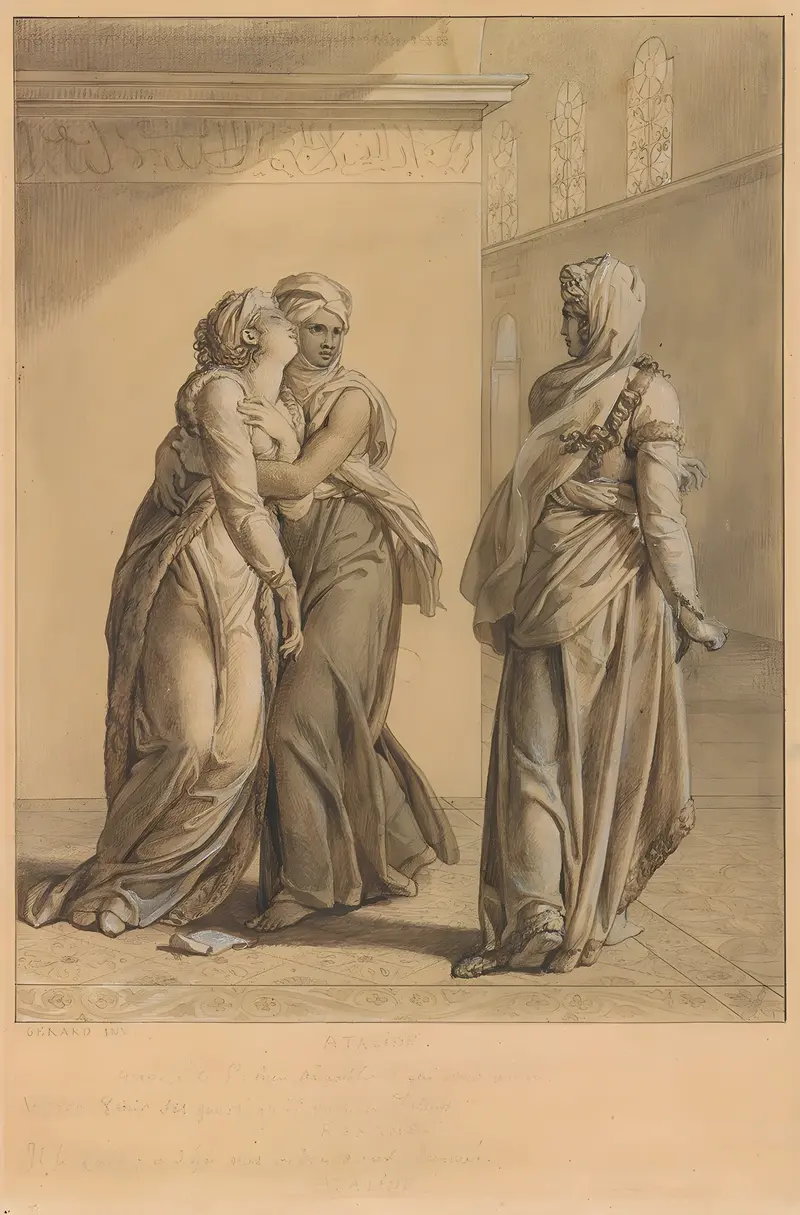
‘Je me meurs’; Atalide Faints upon Hearing Bajazet’s Fate
François Gérard





