
Daphnis Running toward Chloe — History & Facts
When François Gérard turned his attention to the ancient lovers Daphnis and Chloe, he joined a long tradition of artists reimagining Greek pastoral romance for a new era. The enduring popularity of Longus’s novel, rediscovered in the Renaissance and translated into French by Paul-Louis Courier in 1822, inspired a wave of paintings, operas, and ballets. Gérard’s interpretation stands out for its focus on a single, urgent moment of longing and pursuit, rather than the languid idylls favored by earlier Rococo painters.
The date and commission of this work remain uncertain, but its subject matter places it firmly in the Neoclassical fascination with classical antiquity and youthful innocence. At the heart of the painting is the instant Daphnis, the young shepherd, catches sight of Chloe and rushes toward her through the sunlit meadow. Gérard captures the tension between innocence and awakening desire: Daphnis’s outstretched arms and forward motion contrast with Chloe’s startled, almost playful retreat. The careful rendering of their garments—flowing, yet modest—recalls the drapery of ancient statuary, while the golden light bathing the scene hints at the Arcadian setting of the original tale.
Unlike Jean-Baptiste Greuze’s sentimental shepherds, Gérard’s figures are poised between myth and reality, their emotions grounded in the natural world. Little is known about the early history of Daphnis Running toward Chloe, and its provenance remains a subject of scholarly curiosity. The painting is often cited as an example of François Gérard’s ability to blend classical themes with the tender realism that marked his portraits. While it does not appear in the major Salon records, it has been attributed to Gérard on stylistic grounds, with some debate among experts about its precise dating.
Today, the work is recognized as a testament to the enduring appeal of ancient love stories and the Neoclassical revival, even as its own story continues to unfold in the hands of collectors and historians.
More Artworks by François Gérard

Portrait of Emperor Napoleon I
François Gérard
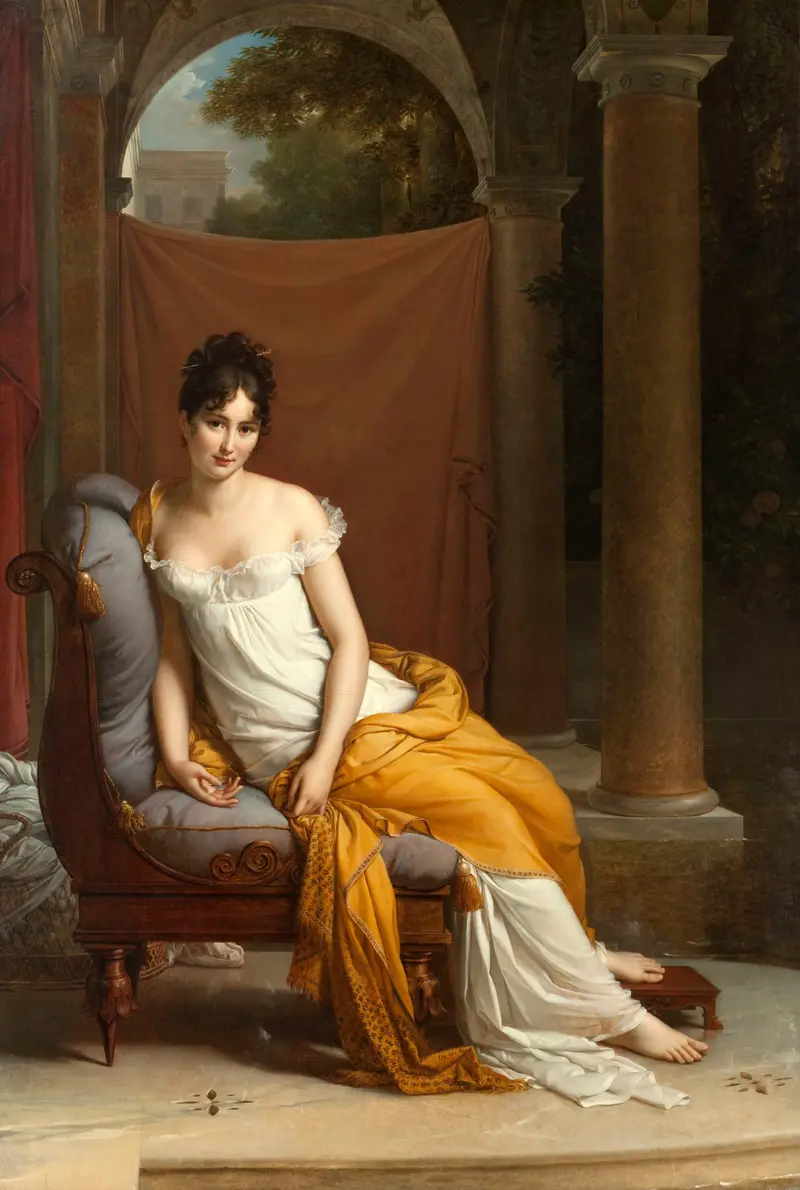
Portrait of Juliette Récamier, née Bernard
François Gérard
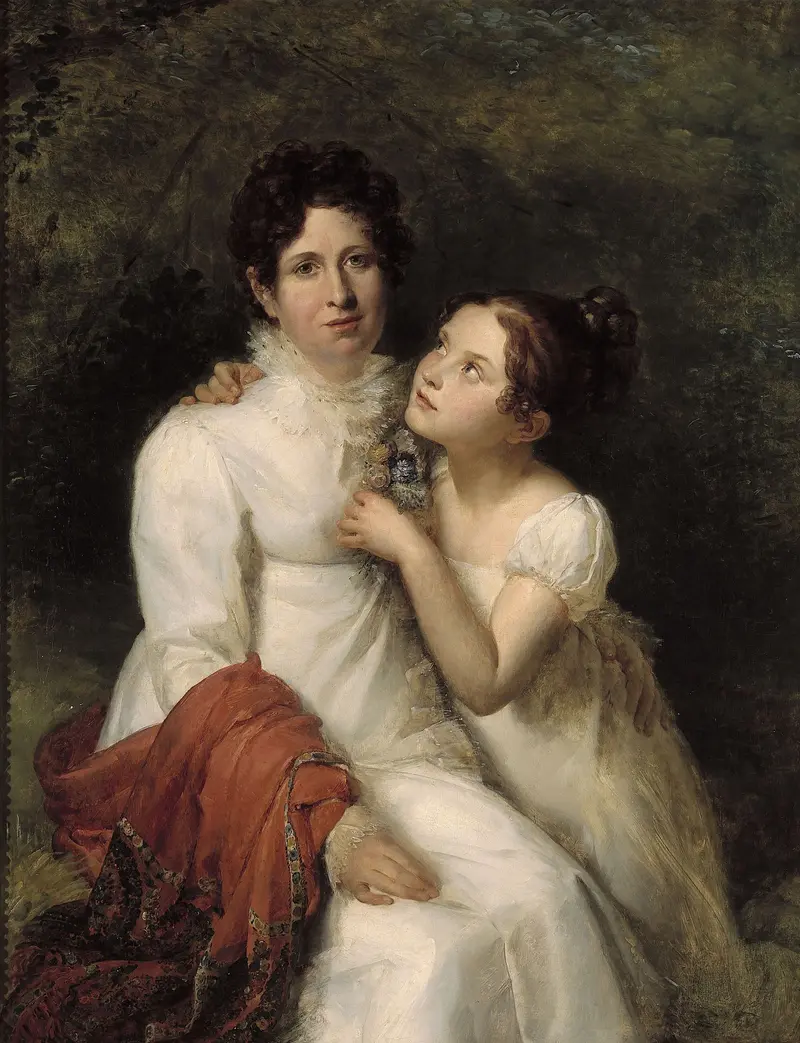
Portrait de Madame Bauquin Du Boulay et de sa nièce Mademoiselle Bauquin de La Souche
François Gérard
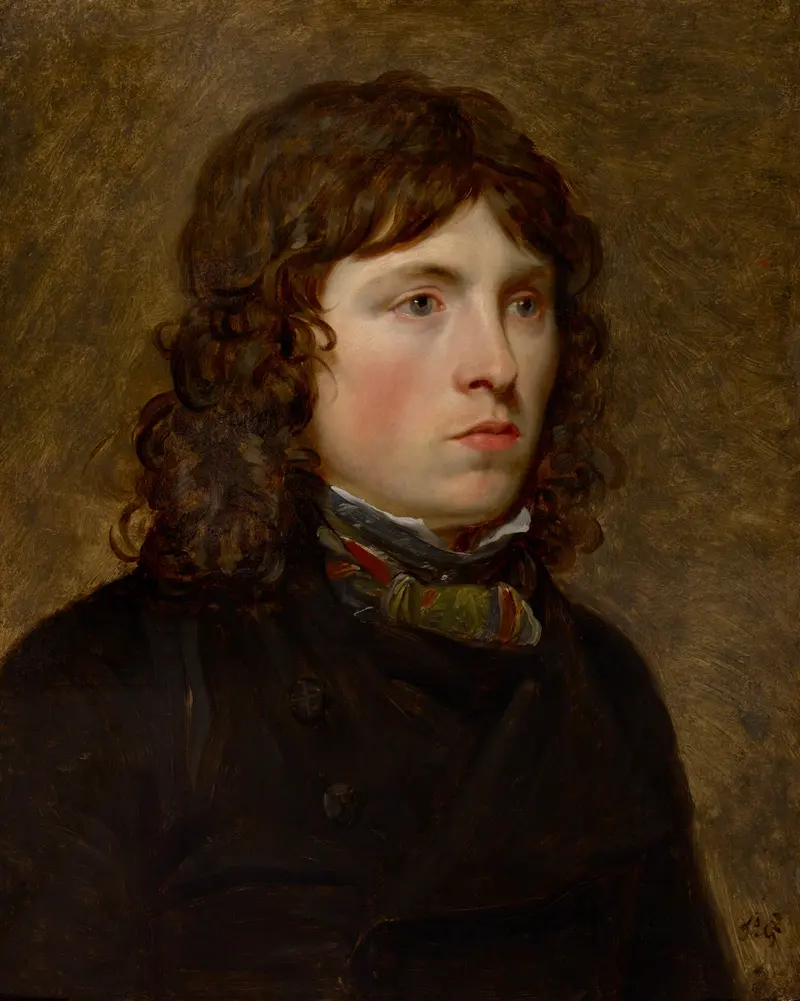
Portrait of G. F. Reverdin
François Gérard
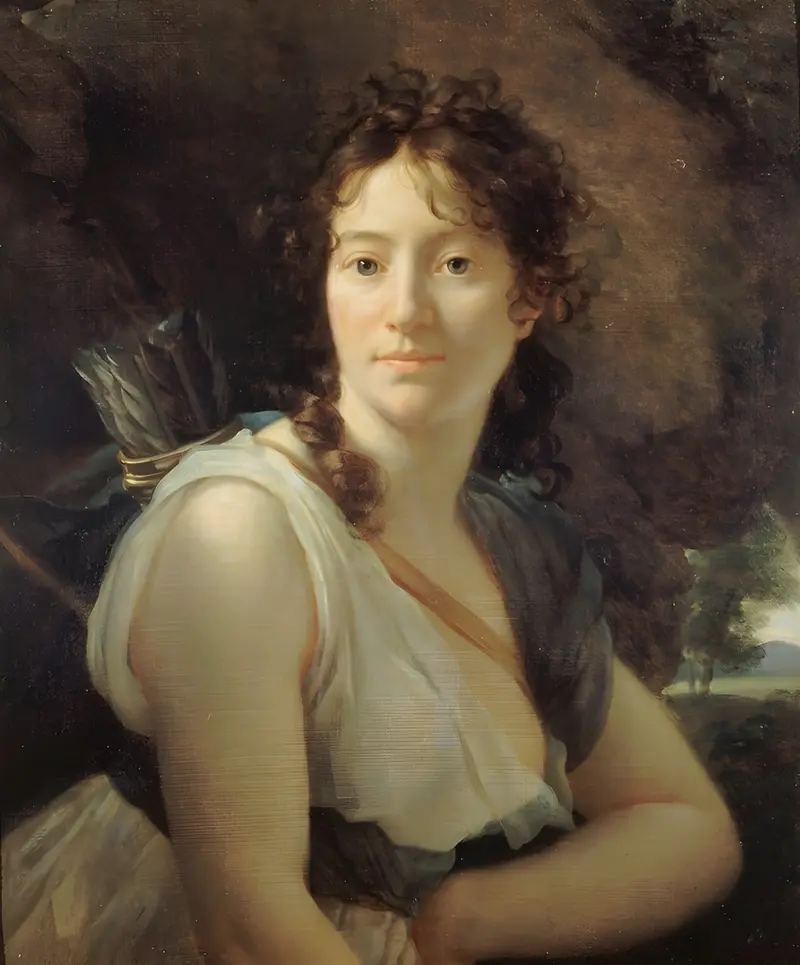
Portrait Of Mademoiselle Duchesnois (1777-1835), Member Of The Comédie-Française, In The Role Of Dido.
François Gérard
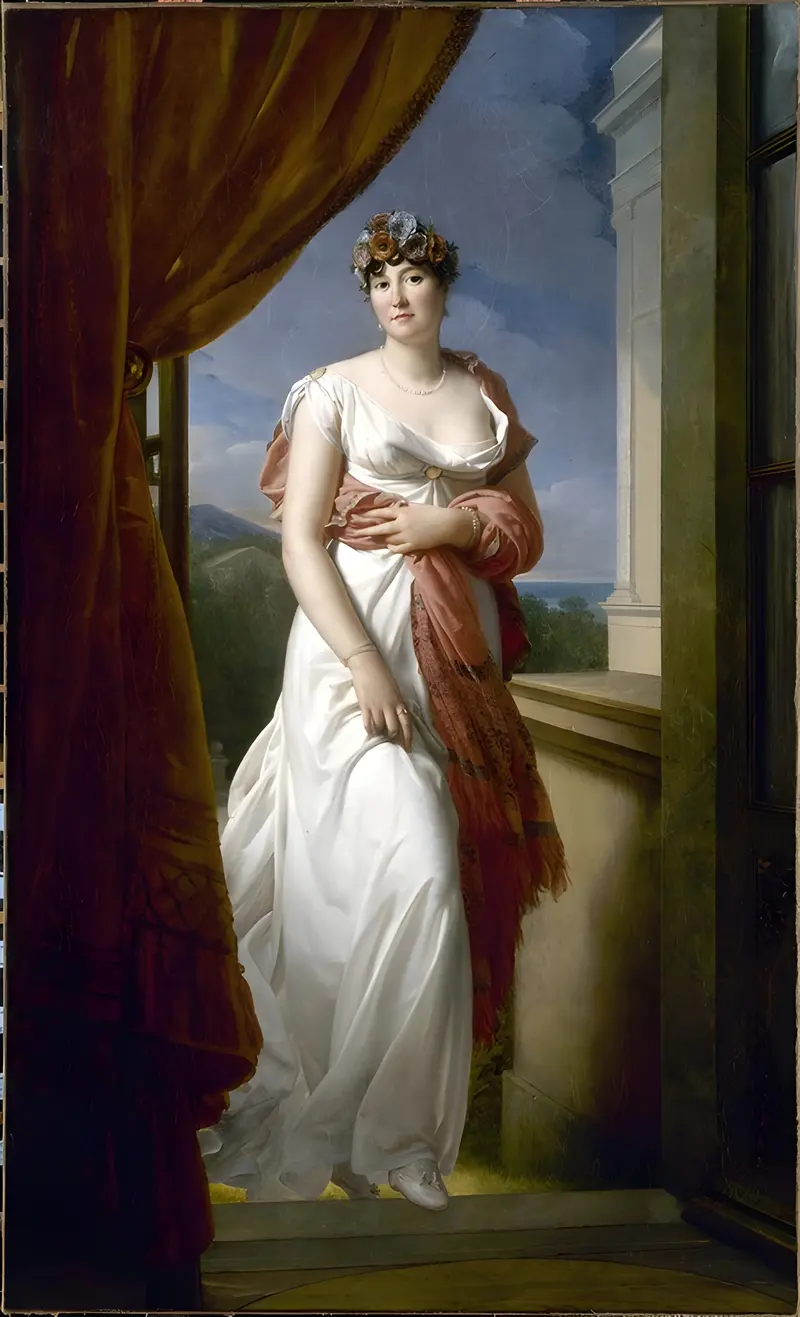
Portrait Of Theresia Cabarrus (1773-1835), Wife Tallien, Then Princess Of Caraman-Chimay
François Gérard
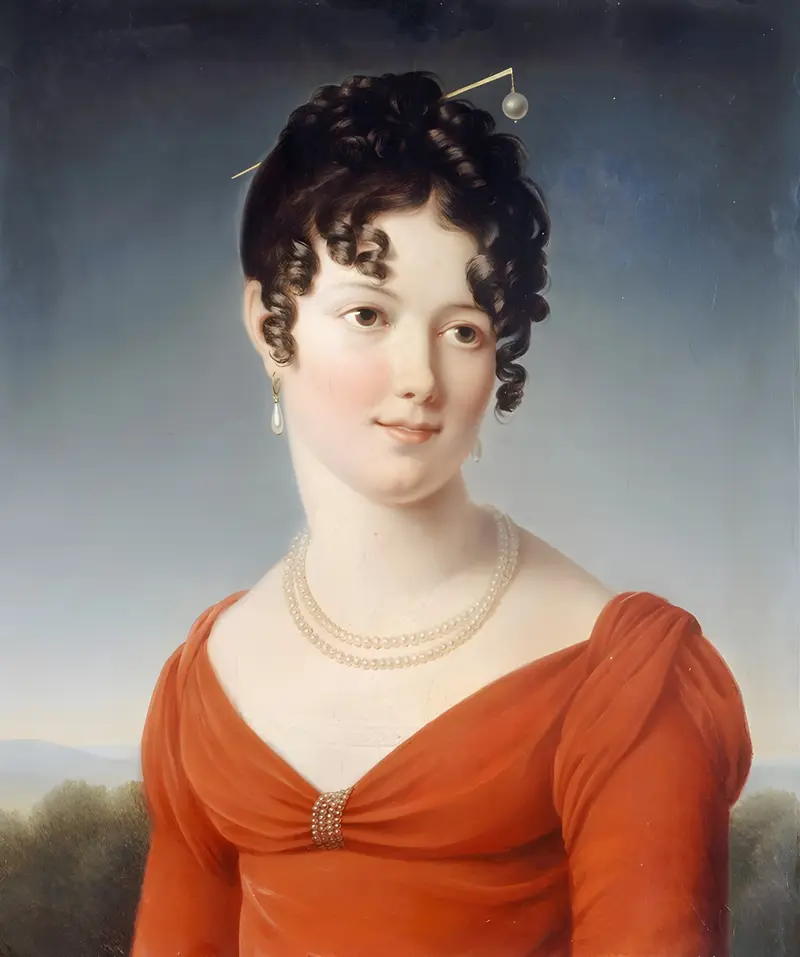
Bust Portrait Of Alexandrine-Anne De La Pallu, Marquise De Flers (1786-1832)
François Gérard
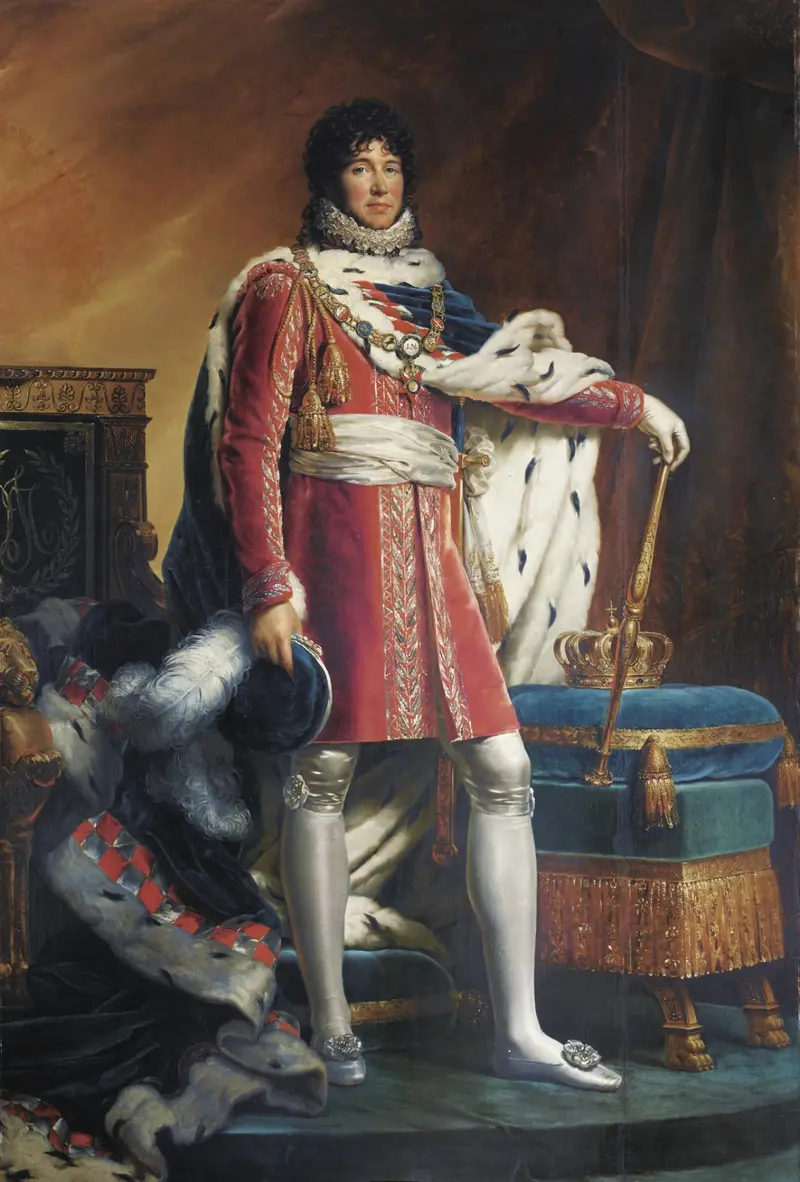
Portrait of Joachim Napoléon Murat, King of Naples and of the two Sicilies
François Gérard
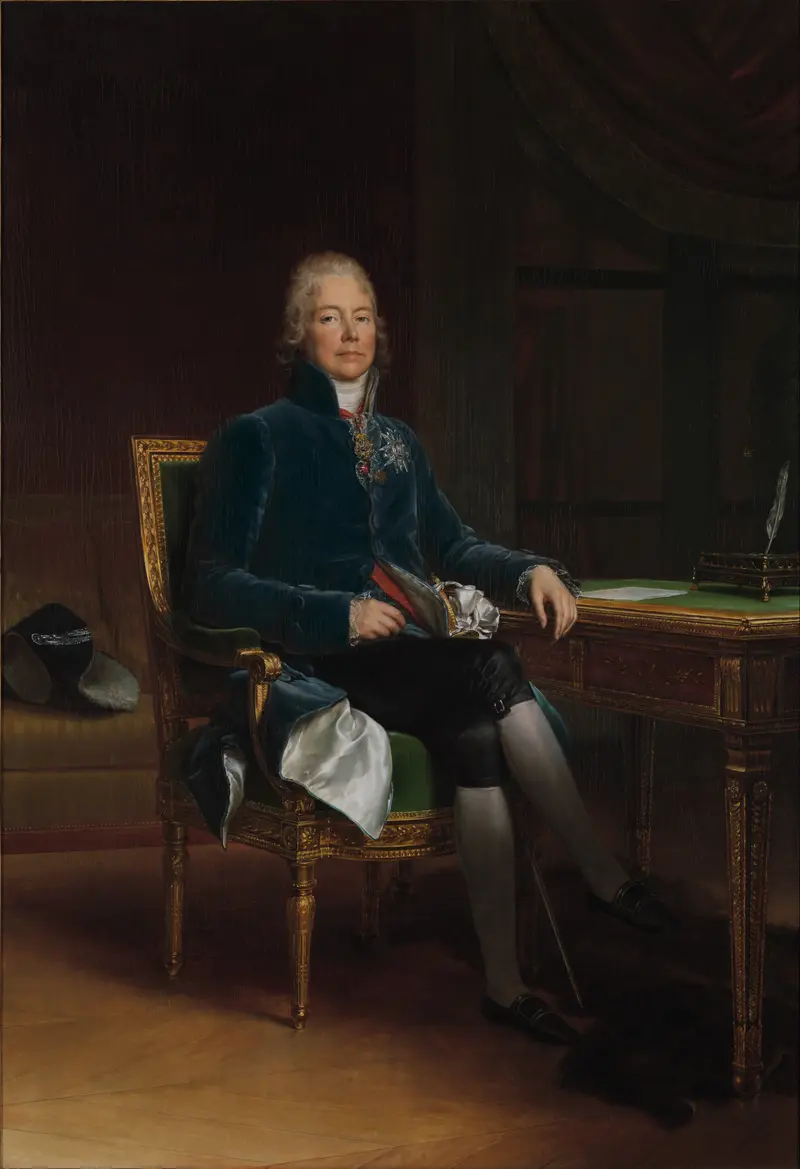
Charles Maurice de Talleyrand Périgord (1754–1838), Prince de Bénévent
François Gérard
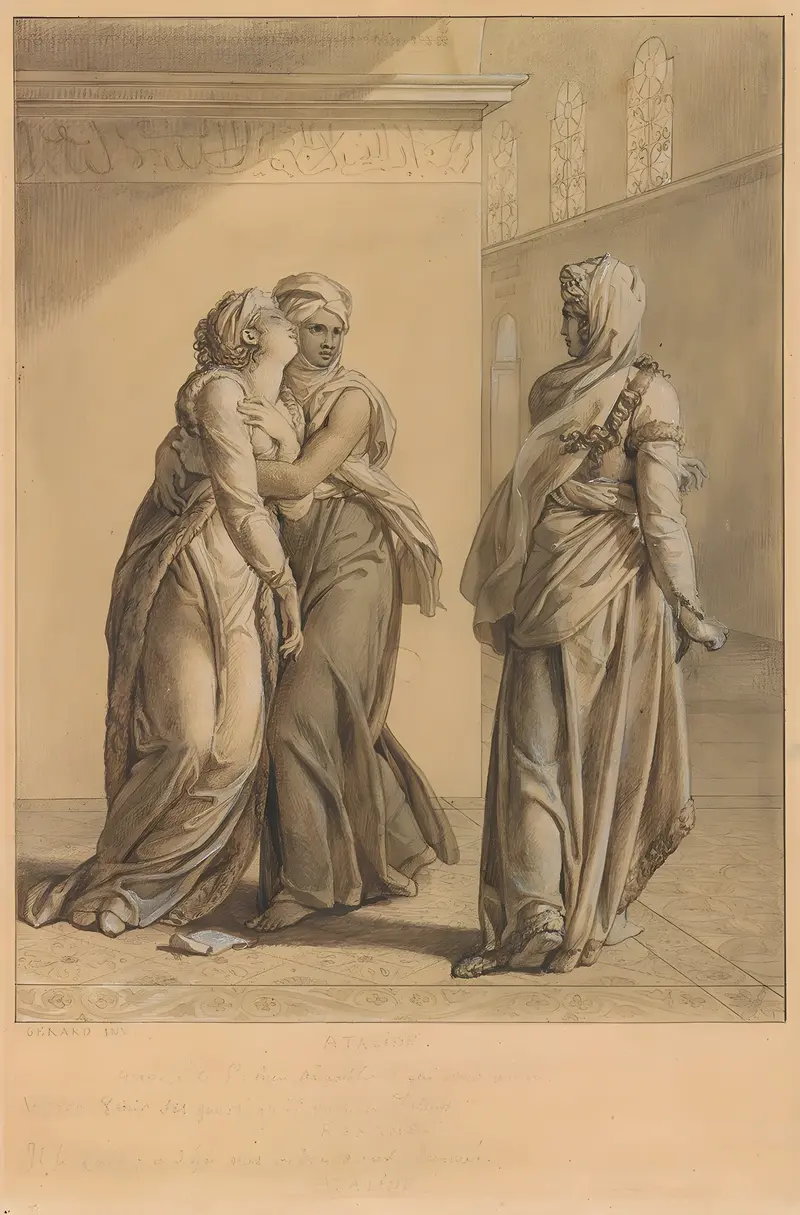
‘Je me meurs’; Atalide Faints upon Hearing Bajazet’s Fate
François Gérard





