
Portrait of Joachim Napoléon Murat, King of Naples and of the two Sicilies — History & Facts
Few portraits in Napoleonic Europe matched the political ambition behind Portrait of Joachim Napoléon Murat, King of Naples and of the two Sicilies. Commissioned at the height of Murat’s power, the work was intended not just as a likeness but as a declaration of legitimacy for Napoleon’s brother-in-law, who seized the Neapolitan throne in 1808. The artist, François Gérard, was the favored portraitist of the Bonaparte family, and his brush shaped the public image of the new imperial order.
In this painting, Murat’s image was meant to circulate among courts and allies, reinforcing his claim to kingship in a Europe wary of upstart rulers. At the center, Murat stands in dazzling uniform, his hand resting on the hilt of a sword—a pose that signals both command and readiness. The rich embroidery and the sash of the Legion of Honour, draped across his chest, broadcast his military prowess and close ties to Napoleon. Gérard captures Murat at the moment of self-invention: every detail, from the plumed bicorne to the gold epaulettes, marks him as both a soldier and a sovereign.
The direct gaze and confident stance recall Jacques-Louis David’s portraits of Napoleon, but Gérard’s treatment is softer, emphasizing Murat’s charisma over martial severity. The play of light across Murat’s face and regalia draws the eye to his features, inviting viewers to see not just a general, but a king. While the precise journey of this canvas remains uncertain, its type was common in the courts of Napoleonic Europe, where portraits served as tools of diplomacy and propaganda. François Gérard produced numerous royal likenesses, and his studio became a hub for the new elite seeking legitimacy through art.
Works like this one were often displayed in royal palaces or gifted to foreign dignitaries, cementing alliances and broadcasting power. Today, the painting stands as a testament to the ambitions and anxieties of an era when thrones could be won—or lost—by the stroke of a brush as much as by the sword.
More Artworks by François Gérard

Portrait of Emperor Napoleon I
François Gérard
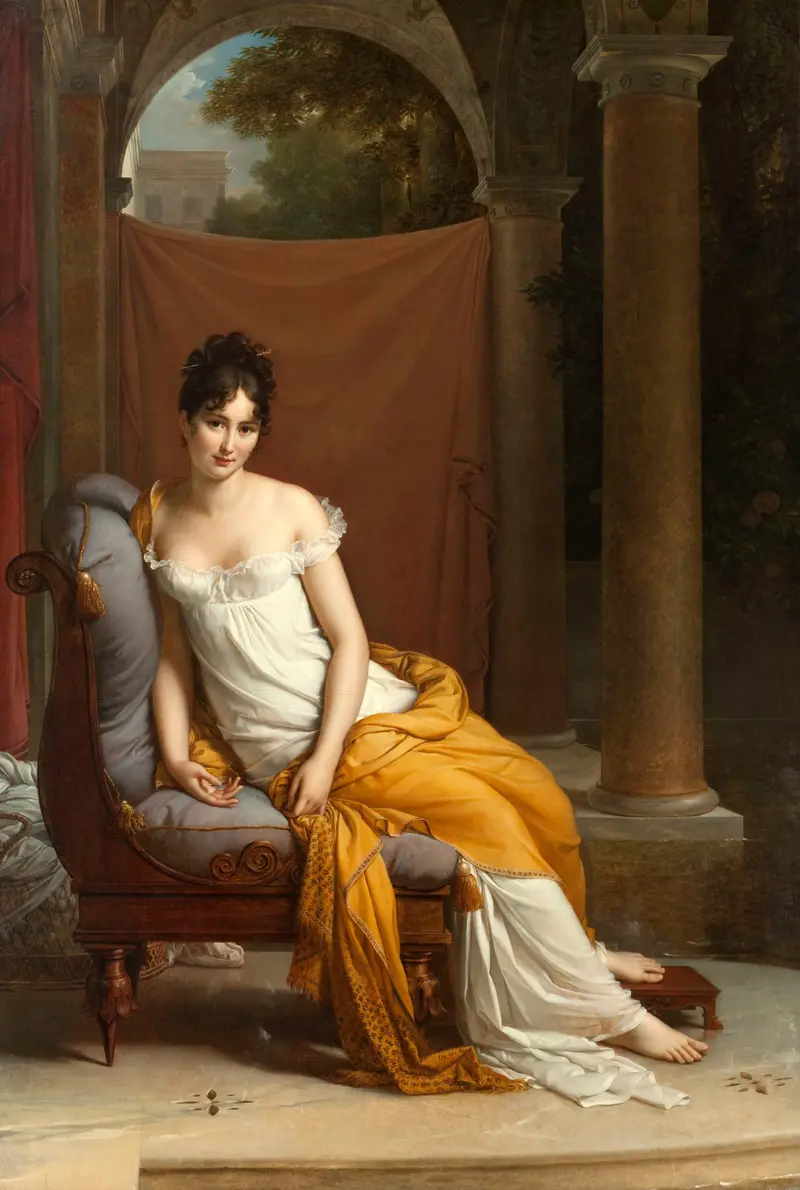
Portrait of Juliette Récamier, née Bernard
François Gérard
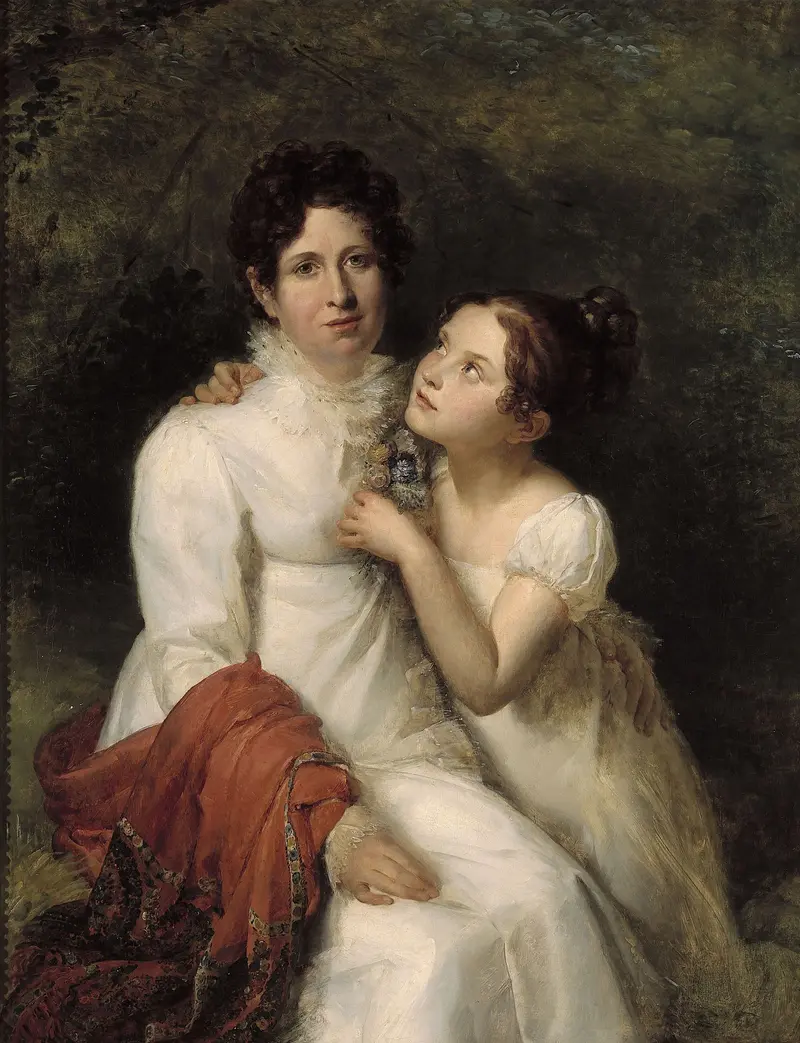
Portrait de Madame Bauquin Du Boulay et de sa nièce Mademoiselle Bauquin de La Souche
François Gérard
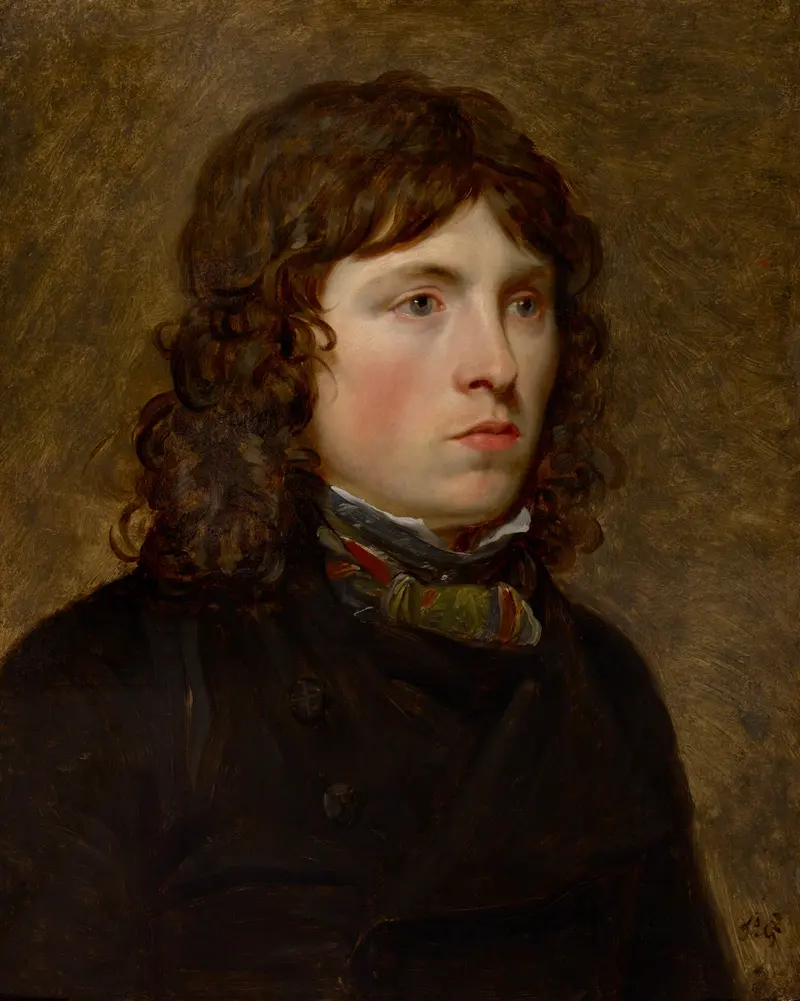
Portrait of G. F. Reverdin
François Gérard
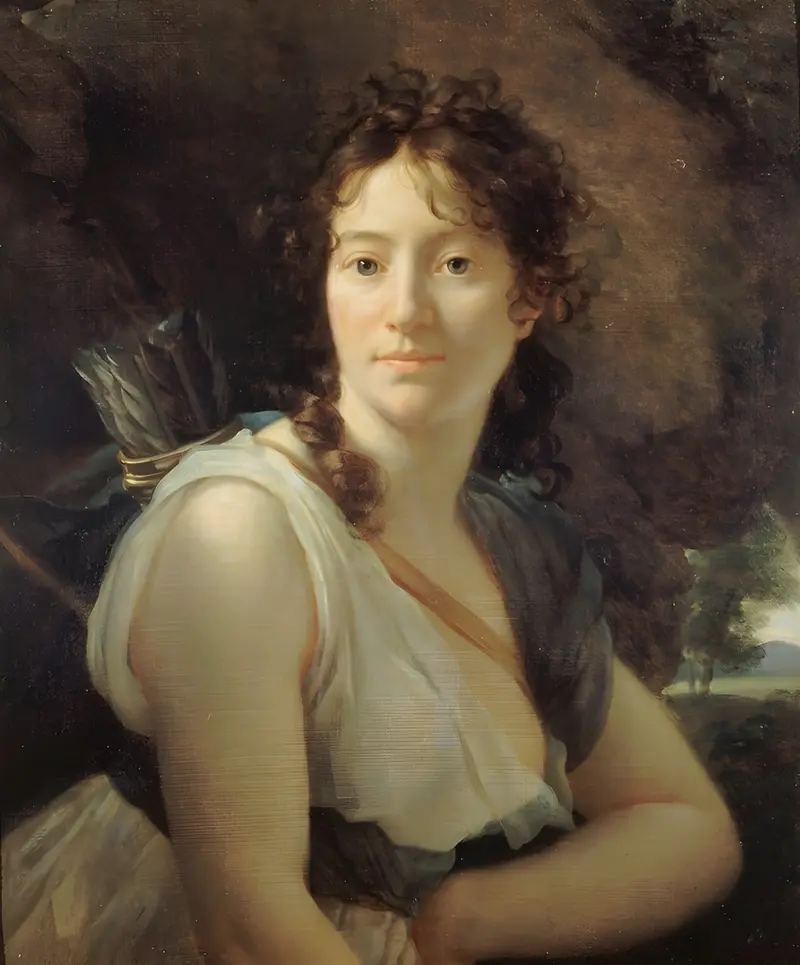
Portrait Of Mademoiselle Duchesnois (1777-1835), Member Of The Comédie-Française, In The Role Of Dido.
François Gérard
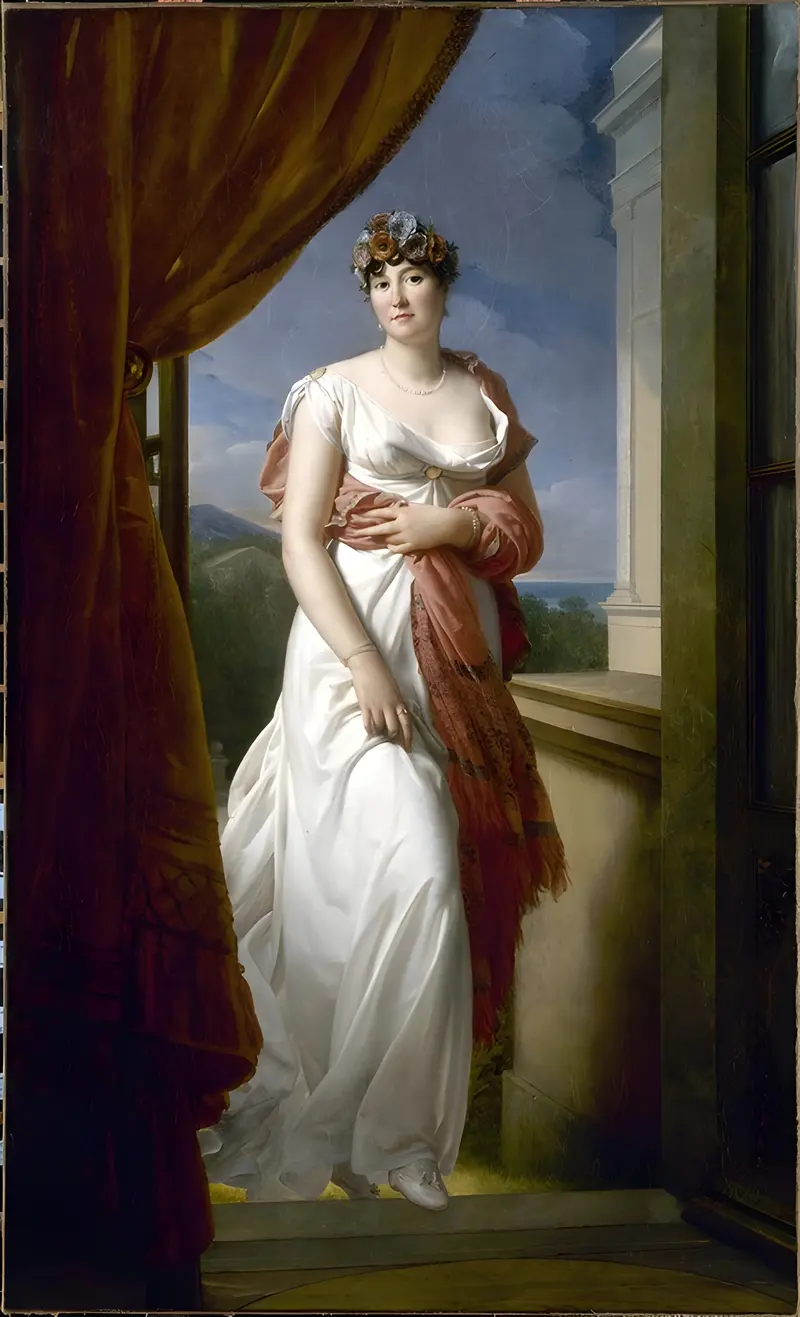
Portrait Of Theresia Cabarrus (1773-1835), Wife Tallien, Then Princess Of Caraman-Chimay
François Gérard
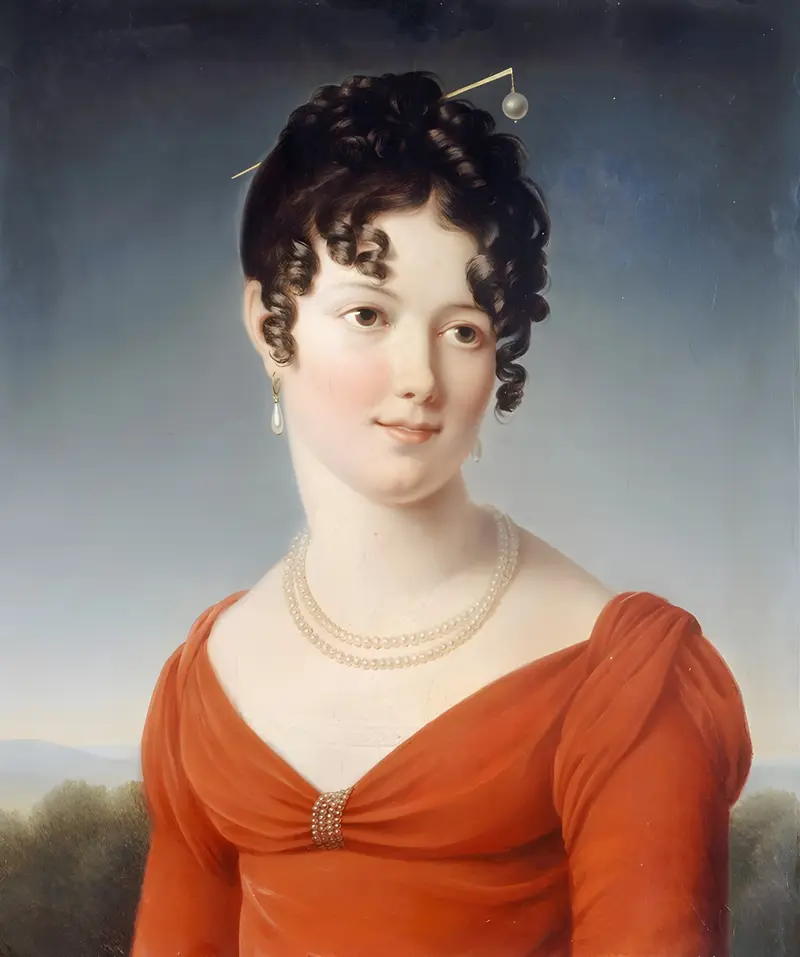
Bust Portrait Of Alexandrine-Anne De La Pallu, Marquise De Flers (1786-1832)
François Gérard
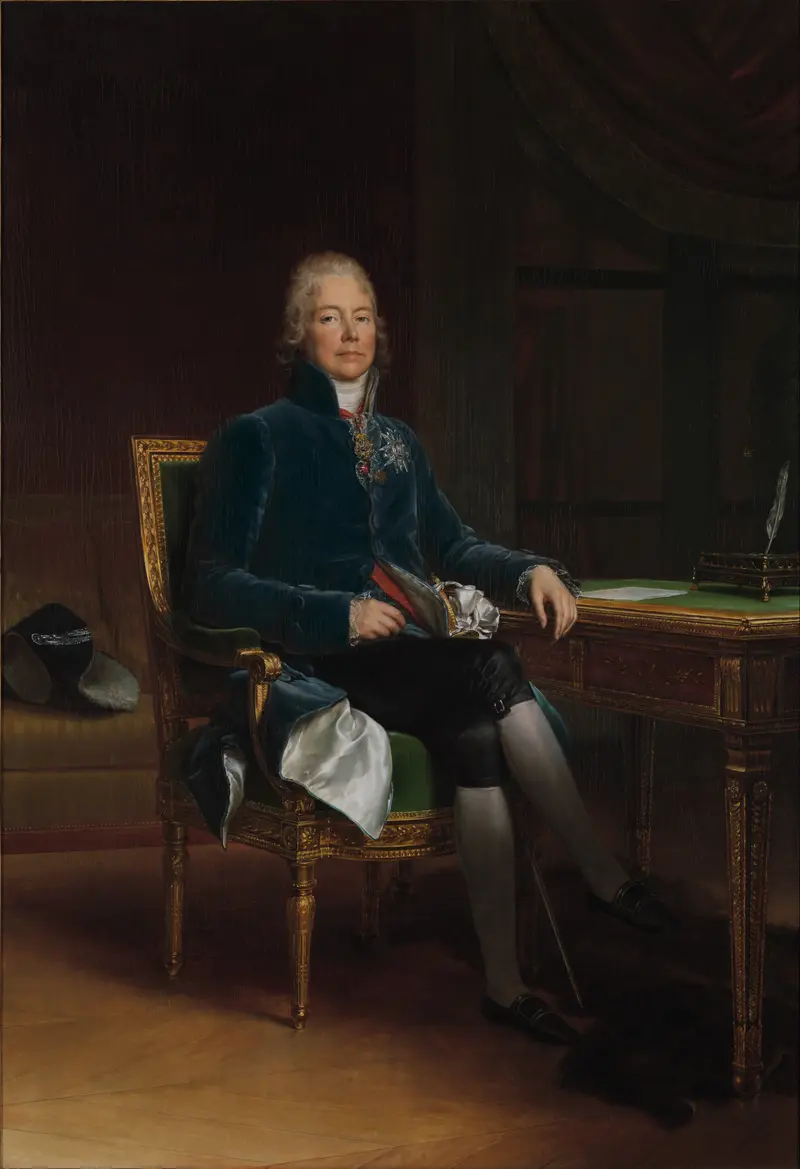
Charles Maurice de Talleyrand Périgord (1754–1838), Prince de Bénévent
François Gérard
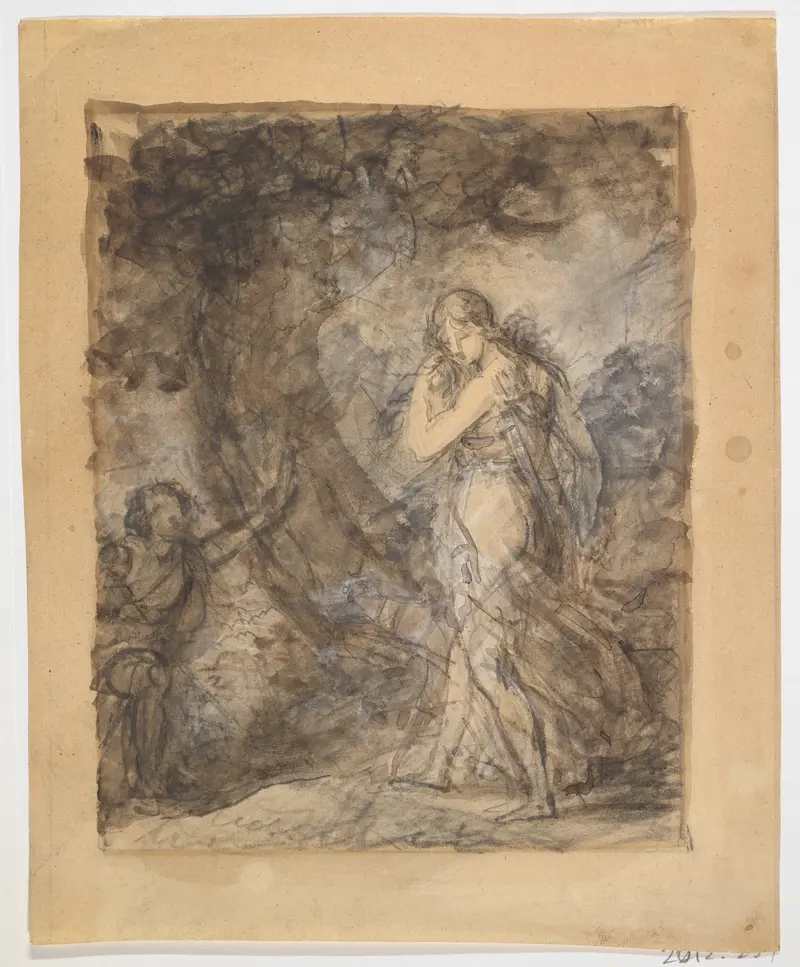
Daphnis Running toward Chloe
François Gérard
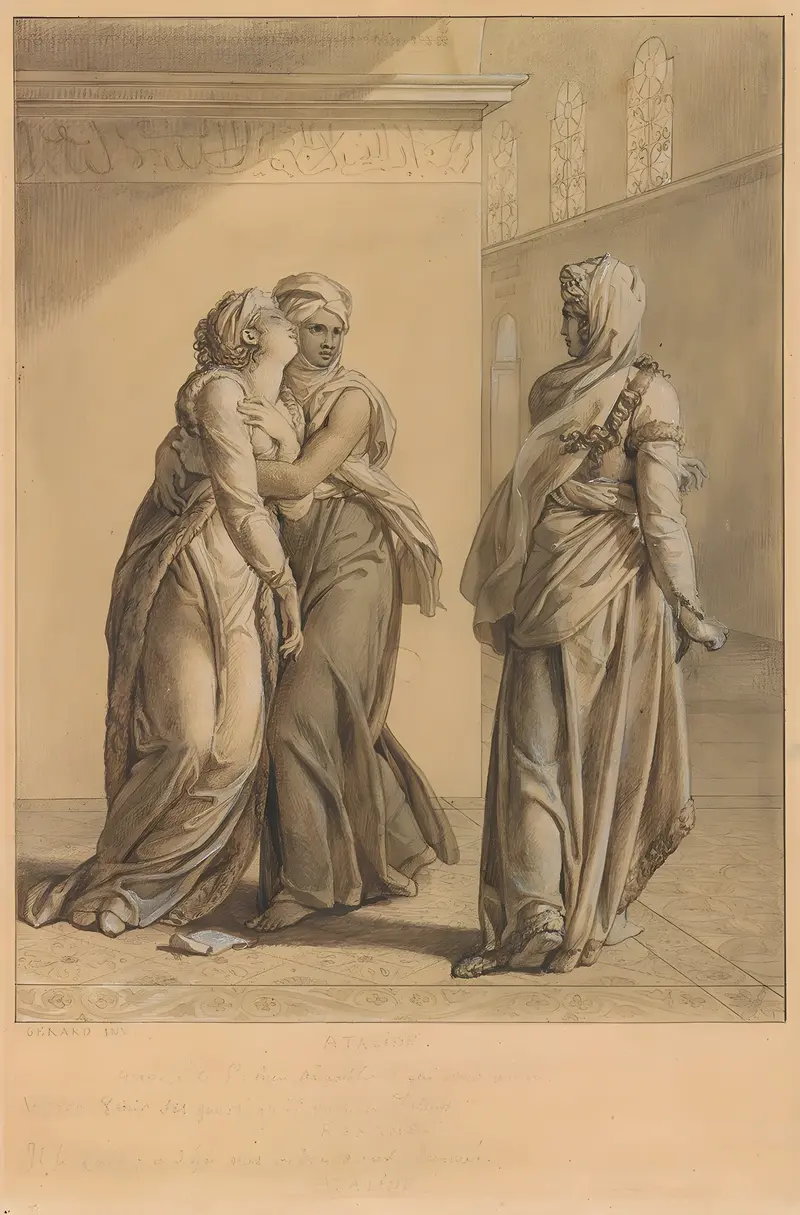
‘Je me meurs’; Atalide Faints upon Hearing Bajazet’s Fate
François Gérard





