
The ‘Adam and Eve’, Old Chelsea — History & Facts
What if beauty was never meant to be finished? In The ‘Adam and Eve’, Old Chelsea, the delicate interplay of figures and environment speaks of origins and rebirth, inviting reflections on life’s cyclical nature. Look to the center where the figures stand in quiet contemplation, elegantly intertwined against a backdrop of muted tones. The soft, diffused light envelops them, revealing their serene expressions while accentuating the fluidity of their forms. Notice how the gentle brushstrokes create an ethereal quality, almost as if the figures could dissolve into the mist surrounding them, embodying both presence and transience.
The palette, dominated by soft grays and warm ochres, evokes a sense of nostalgia and intimacy. Beneath the surface, the painting suggests a deeper tension between innocence and experience. The figures, resembling the archetypal Adam and Eve, evoke a sense of longing for a primordial state of unity before the fall—an idealized beauty juxtaposed against the complexities of human existence. The overlapping silhouettes hint at their intertwined destinies, while the ambiguous background suggests both a garden of paradise and the inevitable encroachment of reality, inviting contemplation of life's inherent paradoxes. In 1879, Whistler painted The ‘Adam and Eve’, Old Chelsea during a period of personal and artistic exploration.
Living in London, he was immersed in the Aesthetic Movement, which championed beauty and art for art's sake. This piece reflects his ongoing quest to redefine beauty, while grappling with his own creative challenges, embodying a moment where art became a vessel for deeper philosophical inquiry amidst the tumultuous evolution of contemporary art.
More Artworks by James Abbott McNeill Whistler
Browse all →
Nocturne in Blue and Silver
James Abbott McNeill Whistler
Nocturne: Blue and Gold–Southampton Water
James Abbott McNeill Whistler
Nocturne
James Abbott McNeill Whistler
Nocturne in Blue and Silver
James Abbott McNeill Whistler
Nocturne in Blue and Silver- The Lagoon, Venice
James Abbott McNeill Whistler
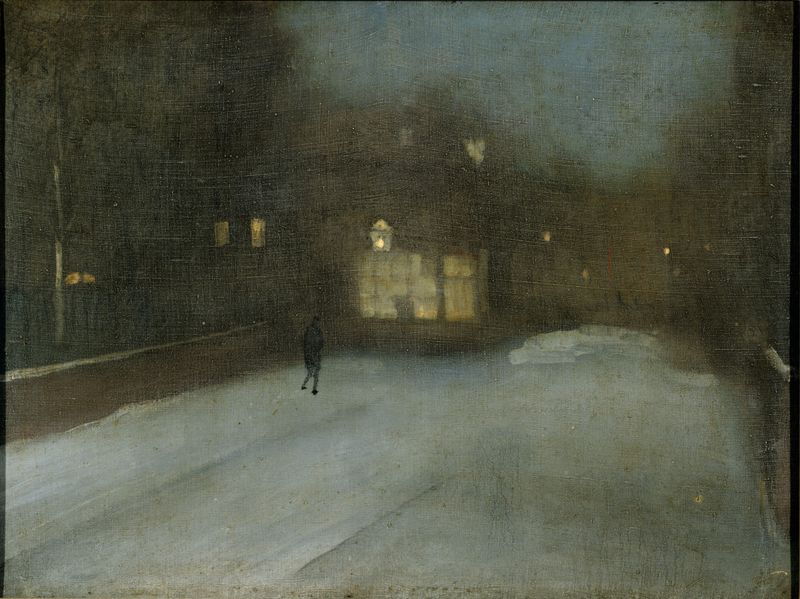
Nocturne in Grey and Gold: Chelsea Snow
James Abbott McNeill Whistler
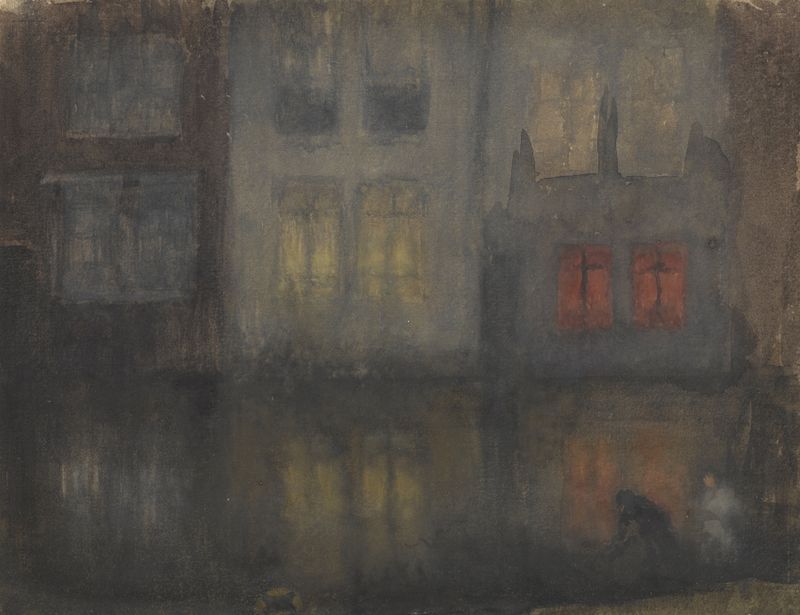
Nocturne: Black and Red—Back Canal, Holland
James Abbott McNeill Whistler
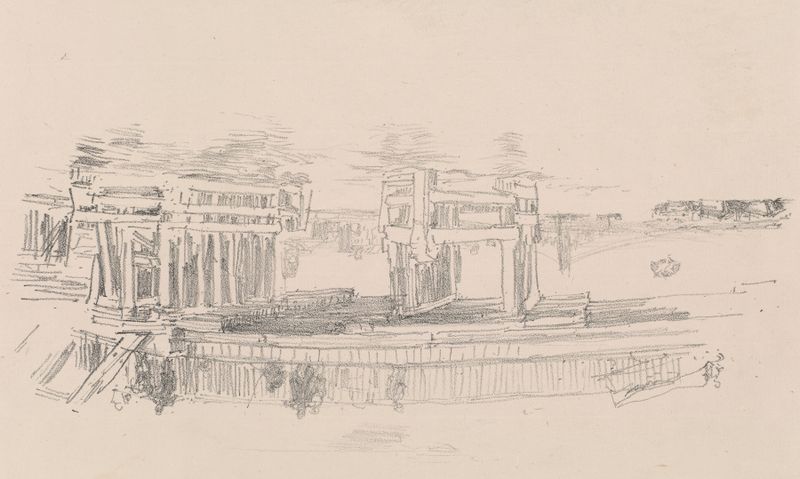
Old Battersea Bridge
James Abbott McNeill Whistler

Nocturne: Blue and Silver–Battersea Reach
James Abbott McNeill Whistler
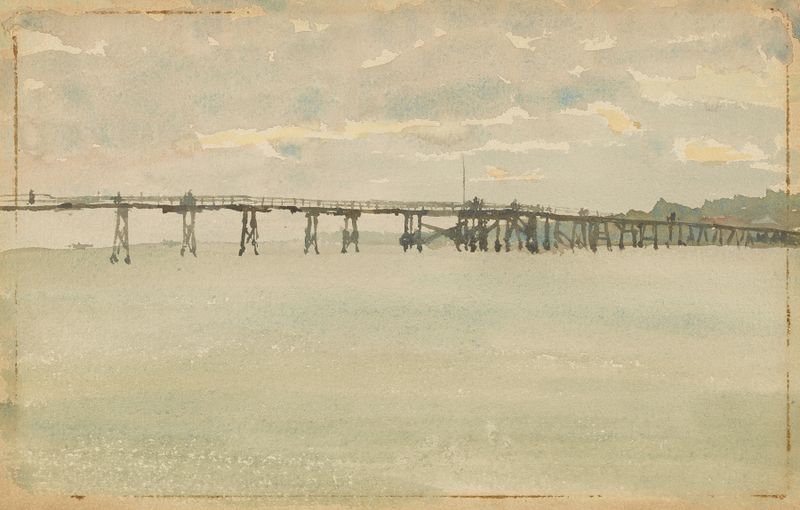
Grey and Silver–Pier, Southend
James Abbott McNeill Whistler





