
The Anchorage — History & Facts
Who listens when art speaks of silence? In The Anchorage, Whistler invites us into a realm where the quietude of the scene transcends mere visuals, beckoning deeper contemplation. Focus on the serene waters in the foreground, a mirror reflecting the muted hues of the sky. Notice how the soft blues and grays create a delicate harmony, drawing your gaze toward the distant horizon where land and sea converge. The careful brushwork captures the gentle ripples, while the subtle play of light dances across the surface, crafting a tranquil yet dynamic tableau that feels alive. Beneath the serene surface lies a tension between solitude and connection.
The solitary figure stands almost ghost-like, embodying both presence and absence, as if caught in a fleeting moment of reflection or yearning. This interplay hints at the artist’s exploration of isolation amidst the expansiveness of nature, suggesting a longing for transcendence that resonates deeply within the viewer’s heart. In the early 1880s, Whistler was in the midst of his career in London, grappling with both public acclaim and criticism. The Anchorage, painted between 1882 and 1884, reflects his evolving style and his dedication to tonalist principles, focusing on mood and atmosphere rather than literal representation.
During this period, he was also challenging traditional artistic norms, positioning himself as an innovator within the art world, forever altering the conversation around aesthetics and emotional expression.
More Artworks by James Abbott McNeill Whistler
Browse all →
Nocturne in Blue and Silver
James Abbott McNeill Whistler
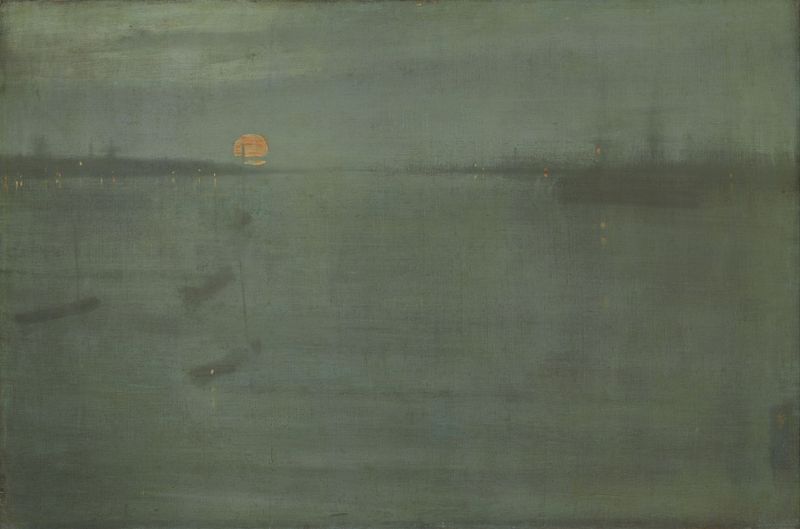
Nocturne: Blue and Gold–Southampton Water
James Abbott McNeill Whistler
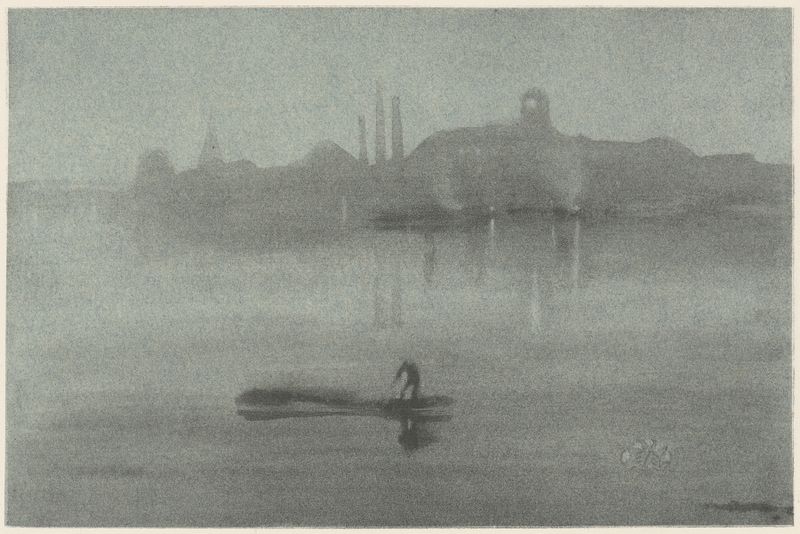
Nocturne
James Abbott McNeill Whistler
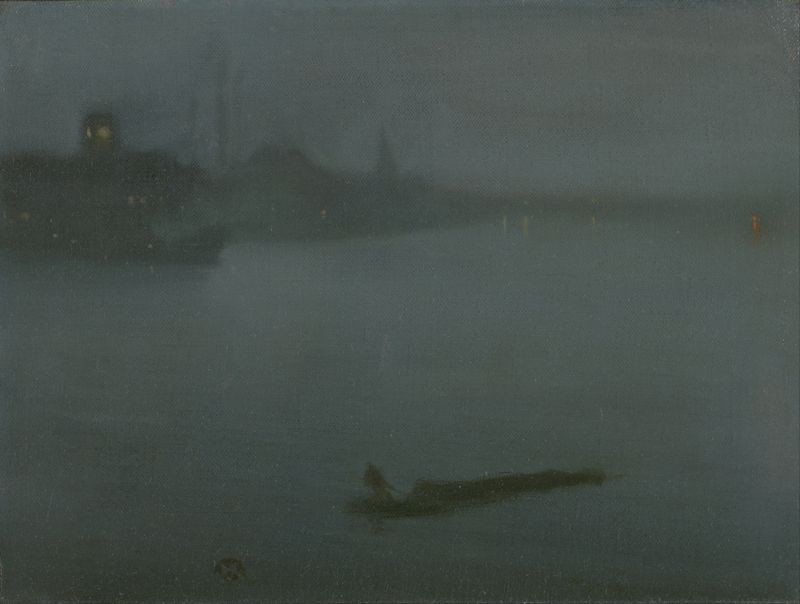
Nocturne in Blue and Silver
James Abbott McNeill Whistler
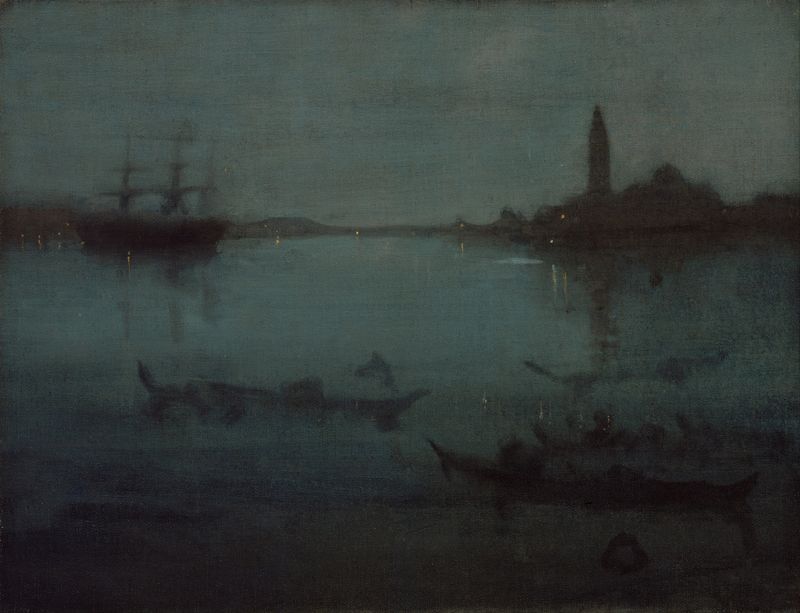
Nocturne in Blue and Silver- The Lagoon, Venice
James Abbott McNeill Whistler
Nocturne in Grey and Gold: Chelsea Snow
James Abbott McNeill Whistler
Nocturne: Black and Red—Back Canal, Holland
James Abbott McNeill Whistler
Old Battersea Bridge
James Abbott McNeill Whistler

Nocturne: Blue and Silver–Battersea Reach
James Abbott McNeill Whistler
Grey and Silver–Pier, Southend
James Abbott McNeill Whistler




