
The Angry Sea — History & Facts
What if silence could speak through light? In that haunting stillness, one might hear the whispers of an angry sea, captured in turmoil yet restrained on the canvas. Look to the center, where churning waves collide with the shore, a cacophony of blues and grays swirling into a tempest. The brushwork, both fluid and chaotic, beckons the eye to meander through the turbulent waters, while the faint, muted light peeks through ominous clouds overhead. Whistler employs a palette of deep colors that evoke a sense of mystery and tension, inviting the viewer to ponder the unseen forces at play. Beneath the surface, contrasting elements reveal an emotional landscape; the ferocity of the sea juxtaposed with the stillness of the distant horizon suggests an inner turmoil mirrored by nature itself.
The tumultuous waves can symbolize conflict or struggle, while the quiet expanse of the sky hints at the possibility of calm. This duality resonates deeply, reflecting the universal human experience of grappling with our own storms and seeking solace. In 1883, Whistler created this piece during a transformative period marked by personal and professional upheaval. Living in London, he was engaged in various artistic endeavors while also navigating the challenges of public reception and criticism.
This work, like many others from his late career, reflects his exploration of mood and atmosphere, breaking from traditional representation to embrace a lyrical, atmospheric approach to the forces of nature.
More Artworks by James Abbott McNeill Whistler
Browse all →
Nocturne in Blue and Silver
James Abbott McNeill Whistler
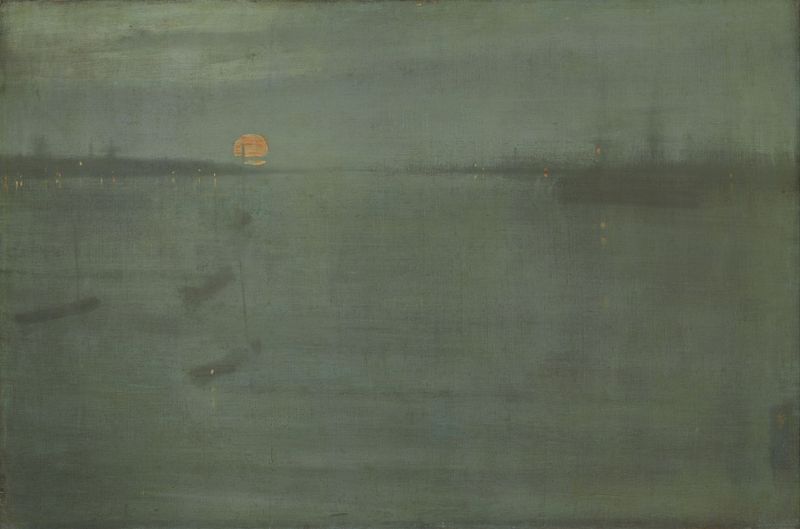
Nocturne: Blue and Gold–Southampton Water
James Abbott McNeill Whistler
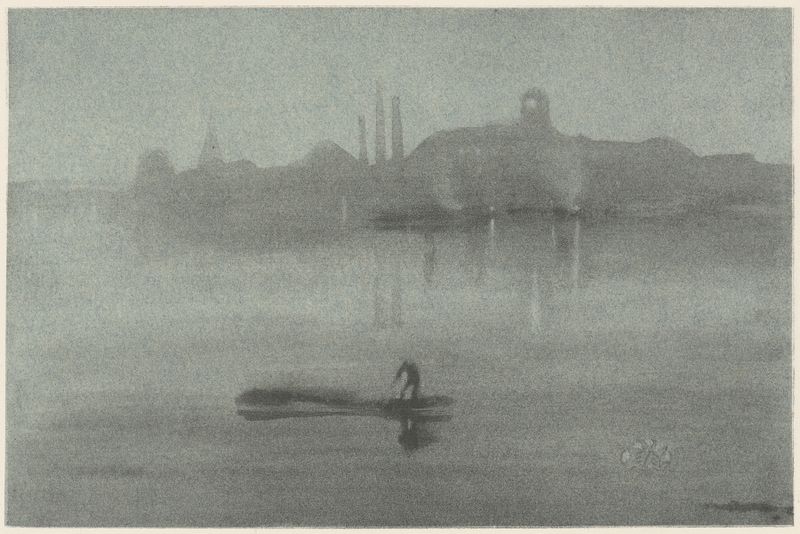
Nocturne
James Abbott McNeill Whistler
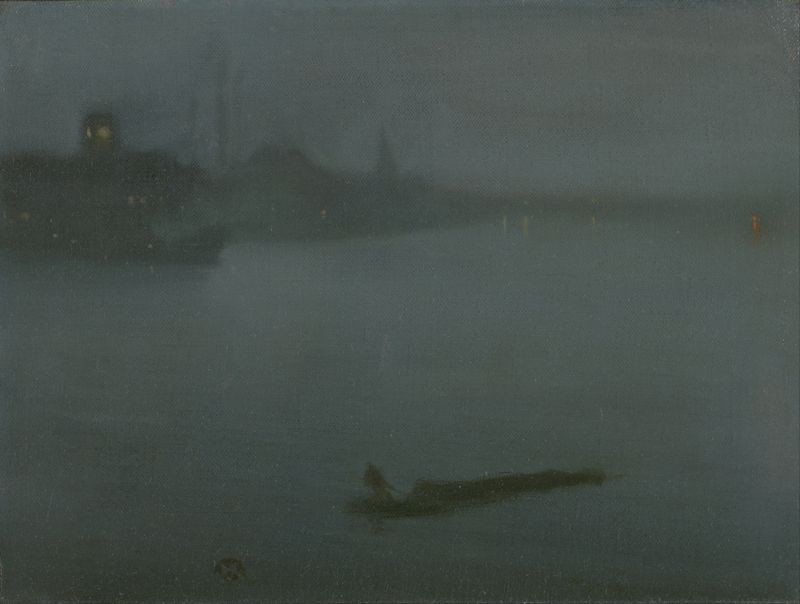
Nocturne in Blue and Silver
James Abbott McNeill Whistler
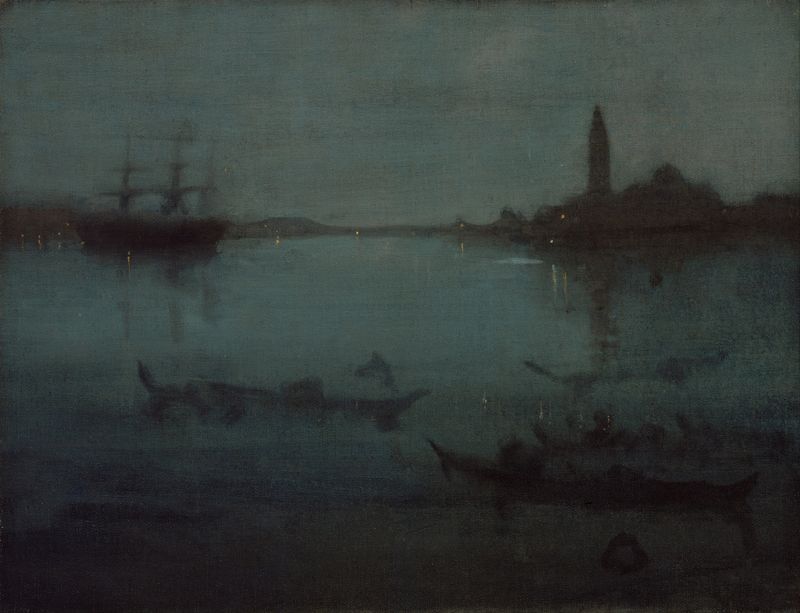
Nocturne in Blue and Silver- The Lagoon, Venice
James Abbott McNeill Whistler
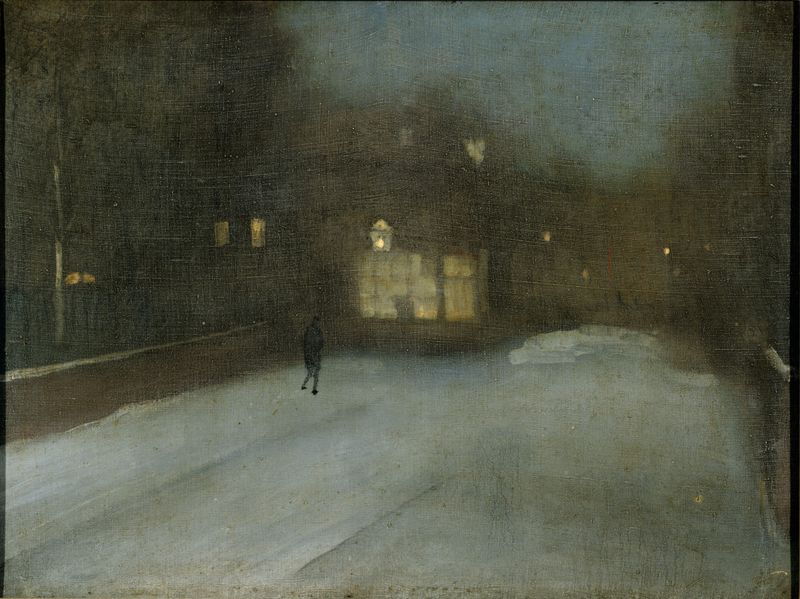
Nocturne in Grey and Gold: Chelsea Snow
James Abbott McNeill Whistler
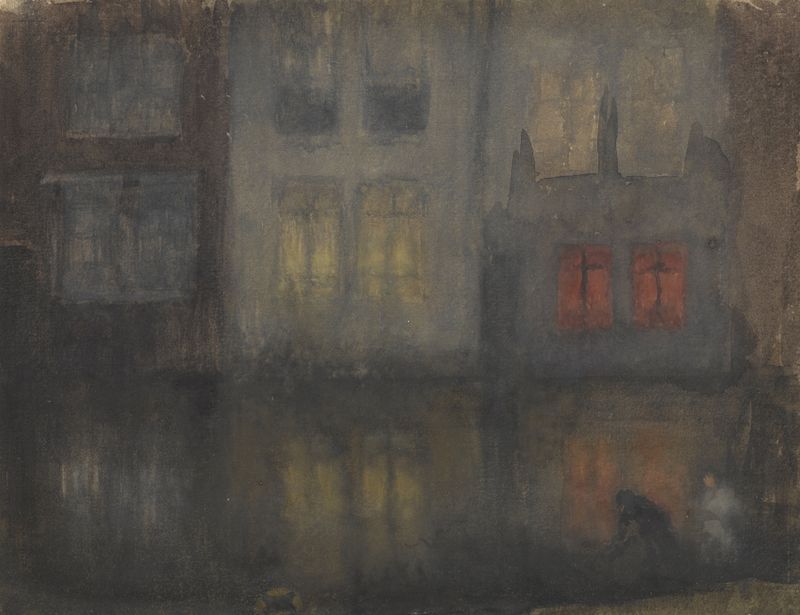
Nocturne: Black and Red—Back Canal, Holland
James Abbott McNeill Whistler
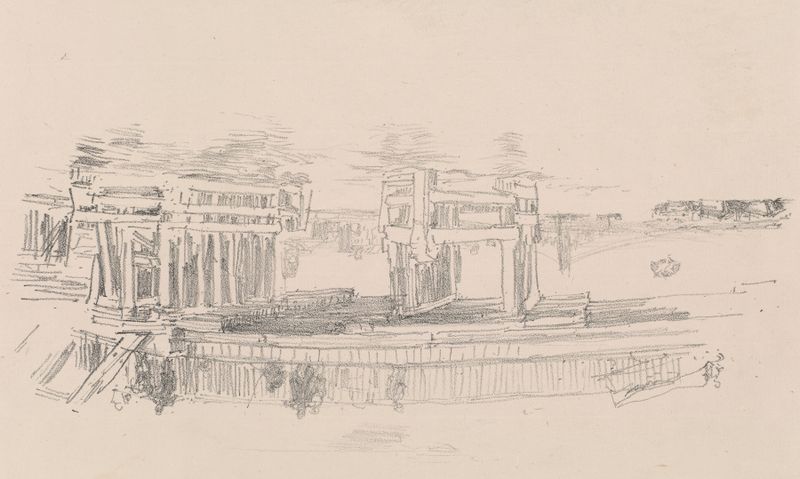
Old Battersea Bridge
James Abbott McNeill Whistler

Nocturne: Blue and Silver–Battersea Reach
James Abbott McNeill Whistler
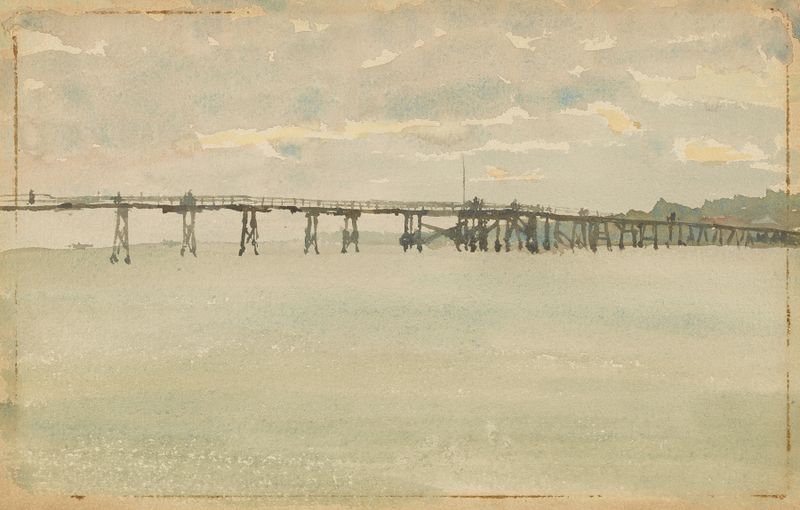
Grey and Silver–Pier, Southend
James Abbott McNeill Whistler




