
The Annunciation — History & Facts
Few artists of the Dutch Golden Age painted candlelight as intimately as Godfried Schalcken, and nowhere is this gift more surprising than in his The Annunciation. Schalcken, celebrated for his nocturnal interiors, here turns his mastery of light to a sacred subject more often rendered in radiant daylight. The painting’s true intrigue lies in its rare, atmospheric approach: rather than the customary blaze of divine glory, Schalcken envelops the Virgin and Gabriel in a hush of flickering lamplight, inviting viewers to witness the Incarnation as a quiet, private revelation. At the heart of the scene, the angel Gabriel leans forward, his gesture gentle, as Mary recoils in awe—her hands pressed to her chest, her gaze caught between fear and wonder.
Schalcken’s signature candle, set on a nearby table, casts warm shadows across the figures, making the supernatural encounter feel immediate and human. The soft illumination highlights the lilies in Gabriel’s hand, symbolizing Mary’s purity, while the book on her lap suggests her piety and readiness. Unlike Fra Angelico’s Annunciation, where celestial light pours in from above, Schalcken’s version roots the miracle in the domestic, using darkness to heighten the sense of mystery and intimacy. The exact origins of The Annunciation remain uncertain, as neither the date nor the original patron is documented.
Like many of Schalcken’s religious works, it likely emerged in the late 17th century, when Dutch collectors cultivated a taste for small, contemplative scenes. Over the centuries, the painting has passed quietly through private hands, its attribution to Schalcken occasionally debated due to the rarity of his biblical subjects. Today, it stands as a testament to the artist’s ability to merge the sacred with the everyday, and to transform a familiar story through the poetry of candlelight.
More Artworks by Godfried Schalcken

Young Man and Woman Studying a Statue of Venus, by Lamplight
Godfried Schalcken

Portrait of an Artist in His Studio
Godfried Schalcken
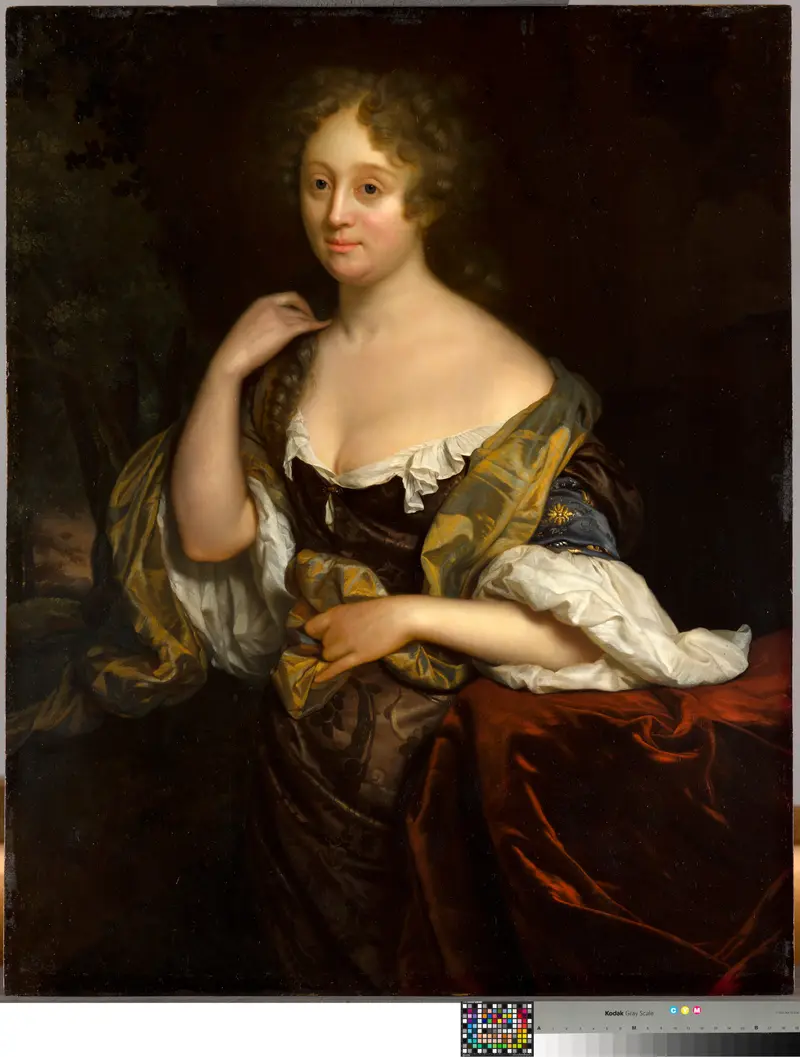
Portrait of Isabella Agneta Deutz
Godfried Schalcken
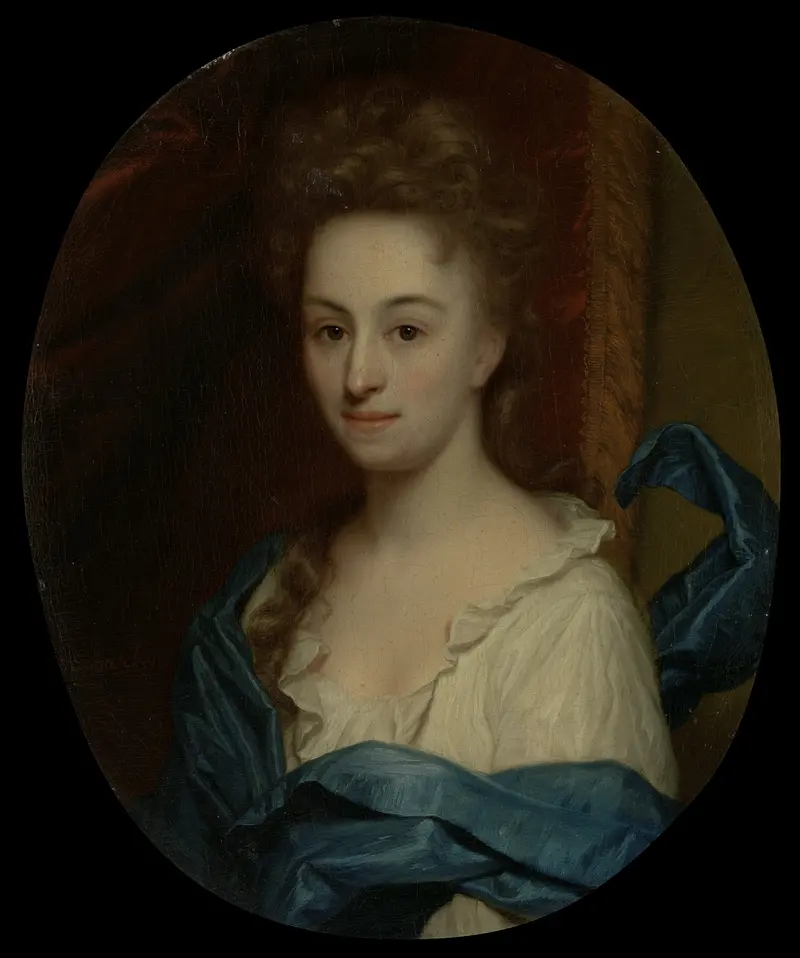
Portrait of Josina Clara van Citters (1671-1753), daughter of Josina Parduyn
Godfried Schalcken
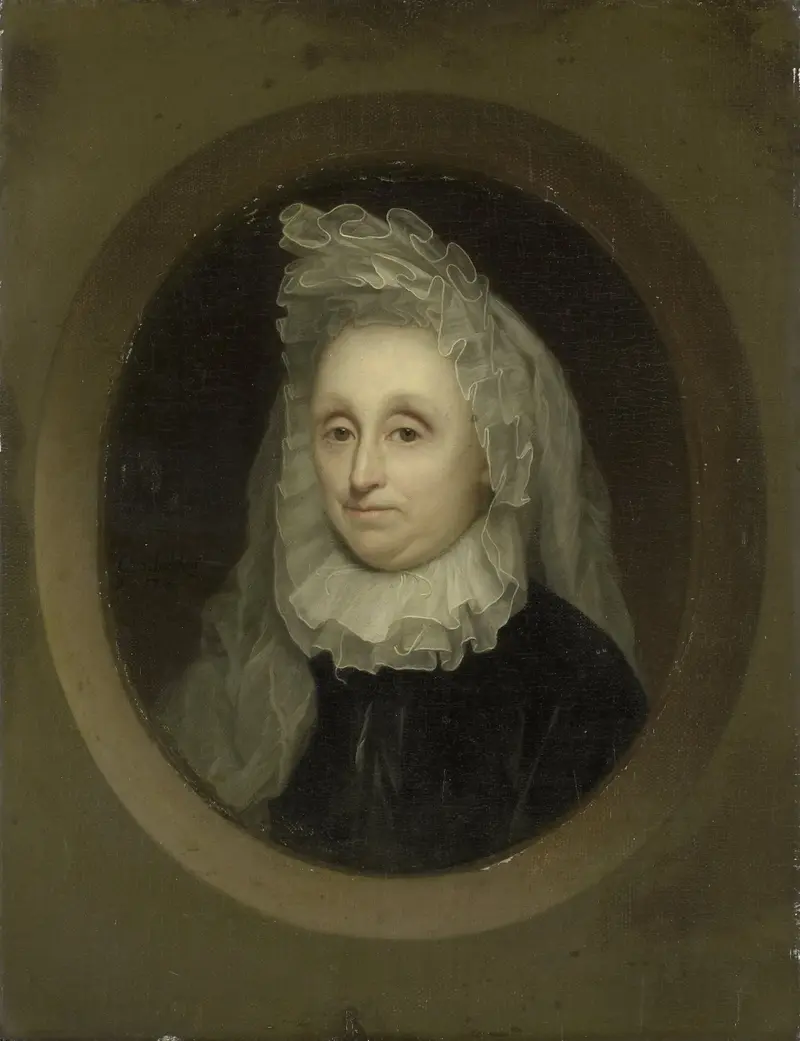
Portrait of Josnia Parduyn (1642-1718), second wife of Aernout van Citters
Godfried Schalcken
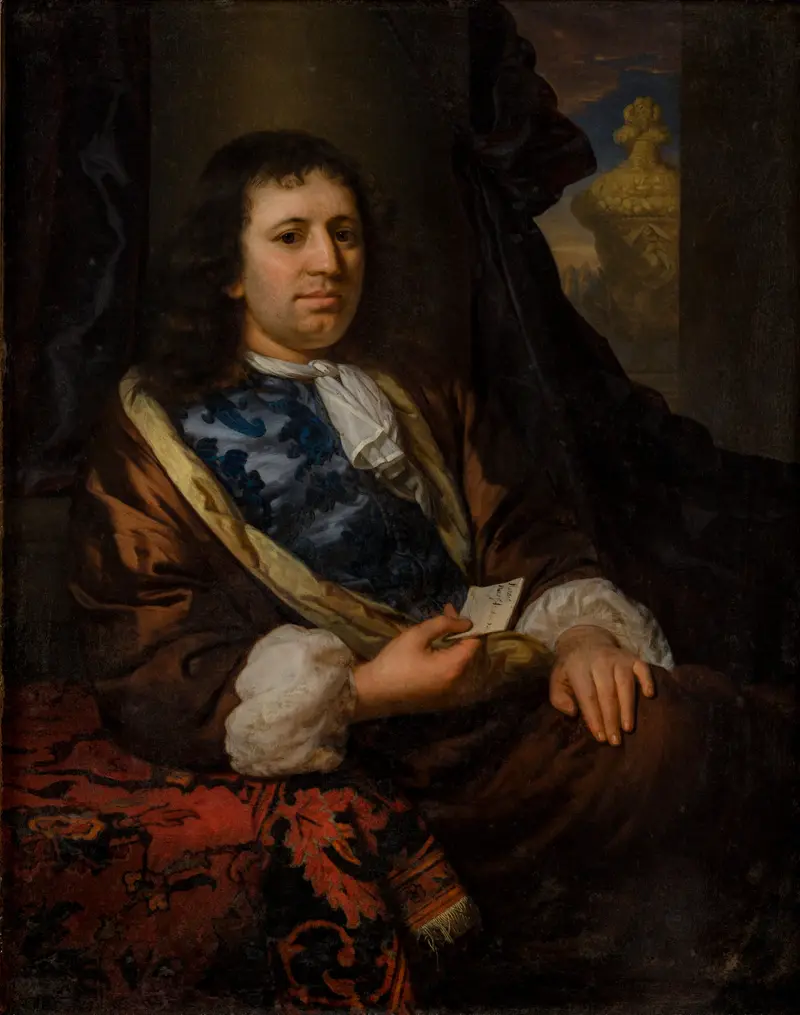
Portret van Johan de Bruin (1678-
Godfried Schalcken
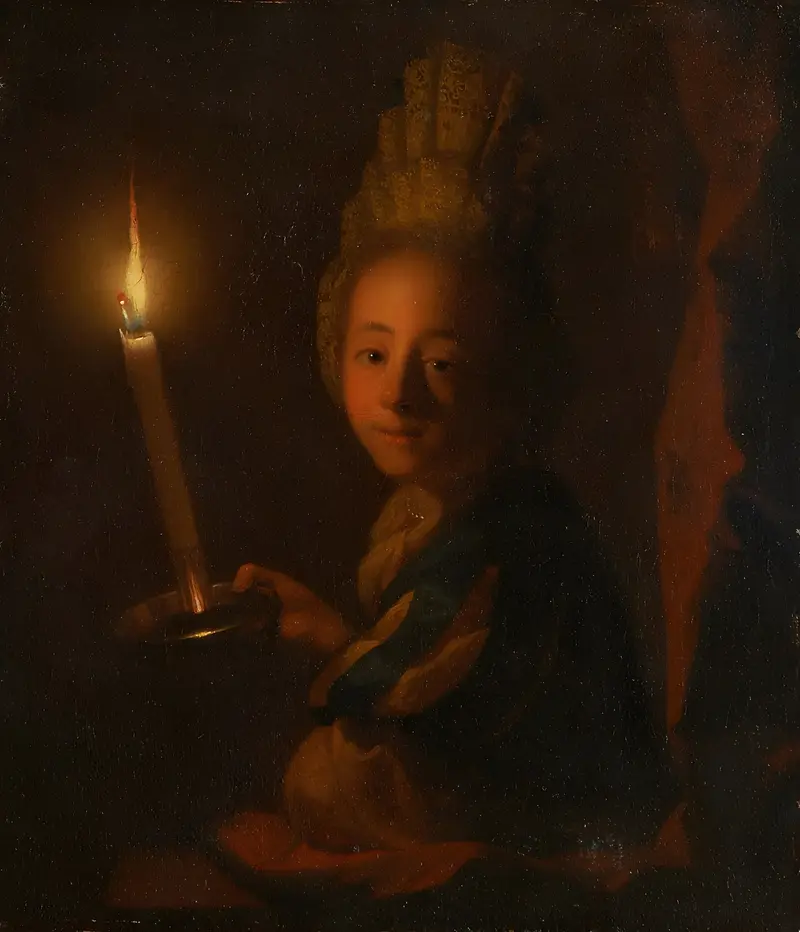
Girl with Burning Candle
Godfried Schalcken
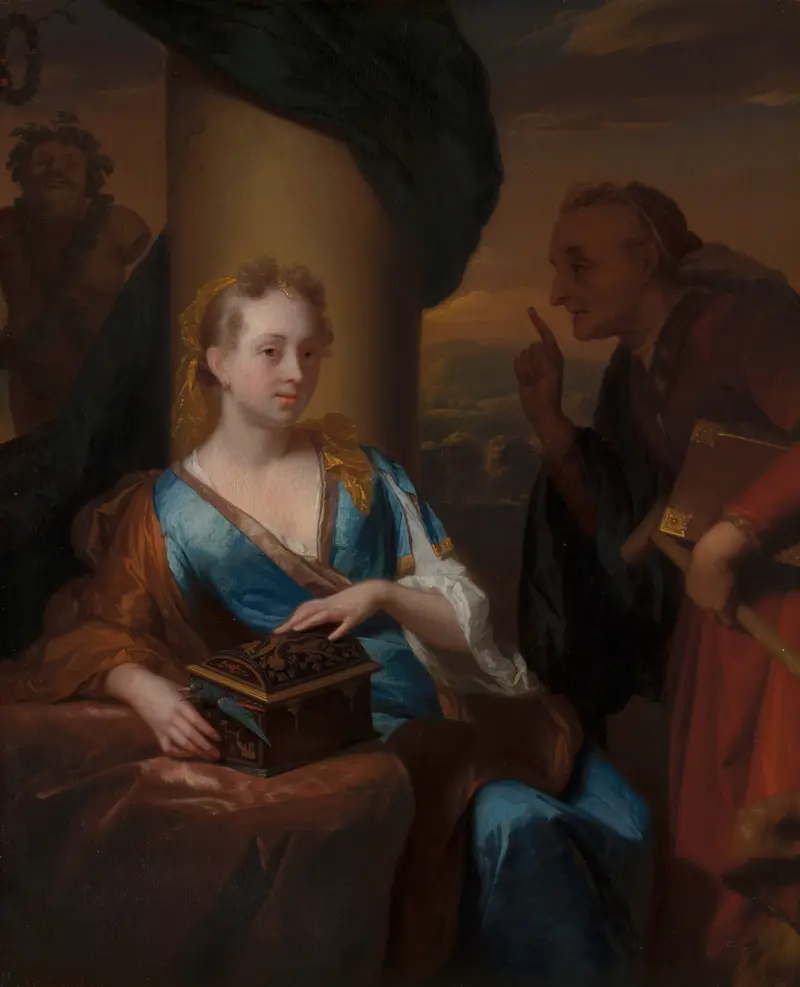
A Useless Moral Lesson
Godfried Schalcken
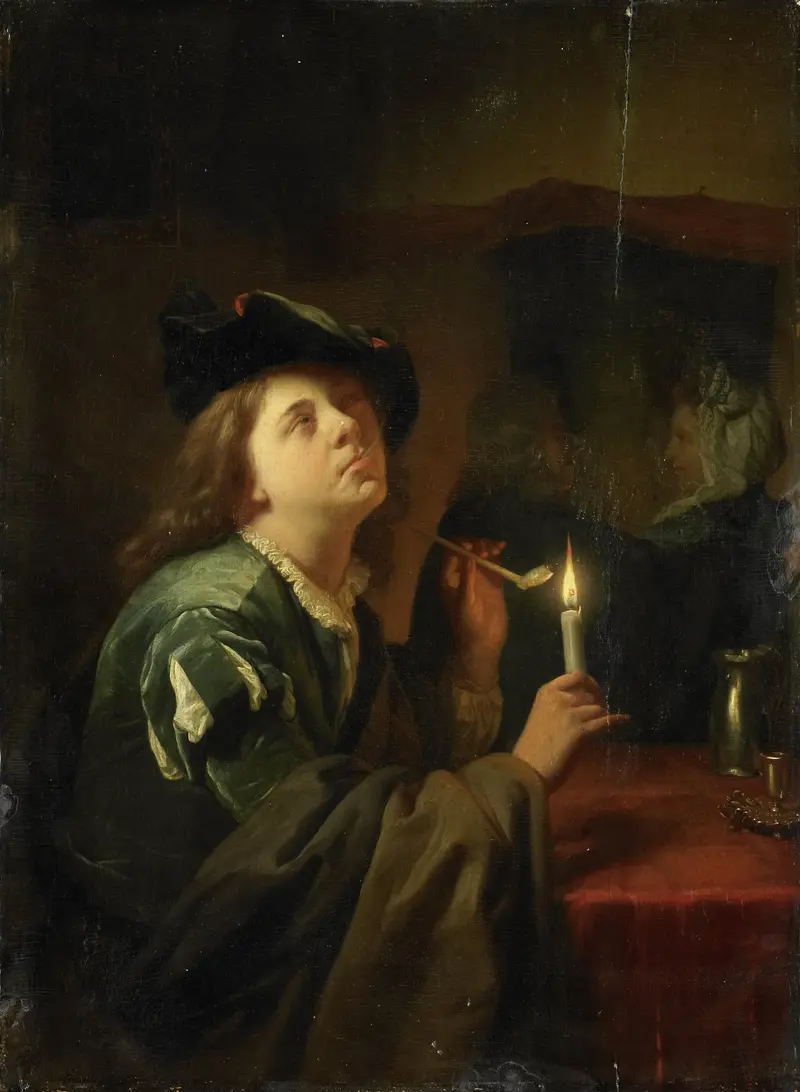
‘Differing tastes’
Godfried Schalcken
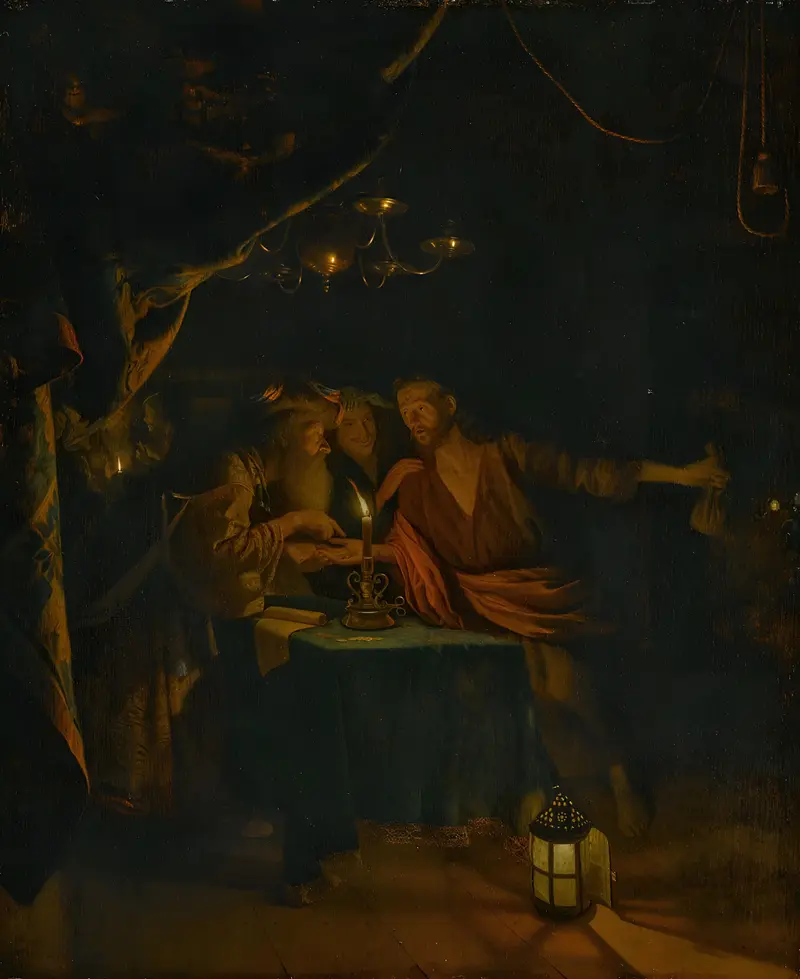
The betrayal of Judas
Godfried Schalcken





