
The application of the decoration — History & Facts
What draws the eye first is the hush of concentration: three women, heads bent in quiet industry, their hands absorbed in the intricate world of needle and thread. The scene is framed by a window that opens onto a cityscape, but the real drama is within—the sweep of patterned fabric, the basket overflowing with spools and silks, the delicate tension of the embroidery frame. The palette is gentle but lively, with the women's hair and garments echoing the soft pastels of the sky outside.
Light falls evenly, inviting us to linger over each detail: the curve of a wrist, the careful posture, the subtle differences in each woman's task. The composition leads us from left to right, from the act of creation to the act of adornment, making the viewer a silent witness to both the labor and the artistry of decoration. Works like The application of the decoration belong to a tradition that flourished in late nineteenth- and early twentieth-century Europe, when scenes of domestic craft and women's work became a favored subject among artists interested in everyday life. Such paintings often found their way into museums of decorative arts, celebrating the skill and patience behind objects too often overlooked.
The date recorded with this piece—March 20, 2014—marks its presence in the collection of the Musée des arts décoratifs, a fitting home for a work that honors the applied arts. History has kept few traces of this particular painting or its maker, but its quiet celebration of craft and community is an invitation: look again, and see the artistry in what might otherwise be called ordinary.
More Artworks by A. Stein

The Laundresses
A. Stein
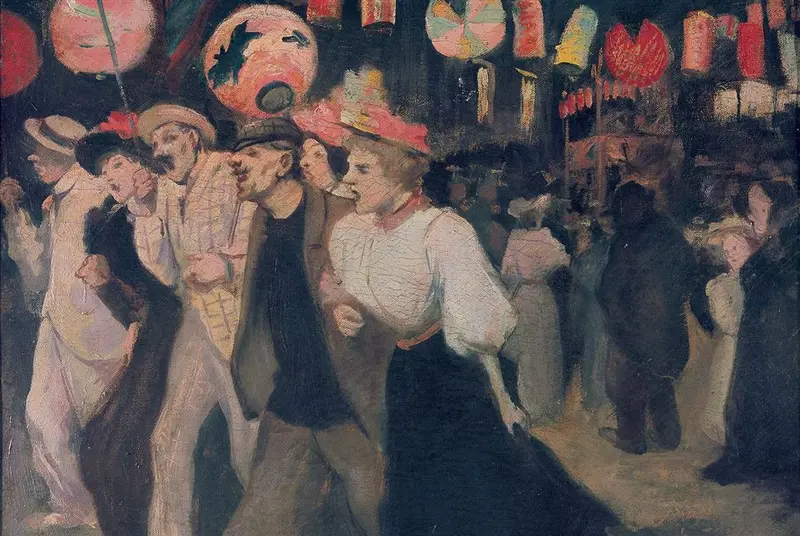
Le 14 juillet
A. Stein
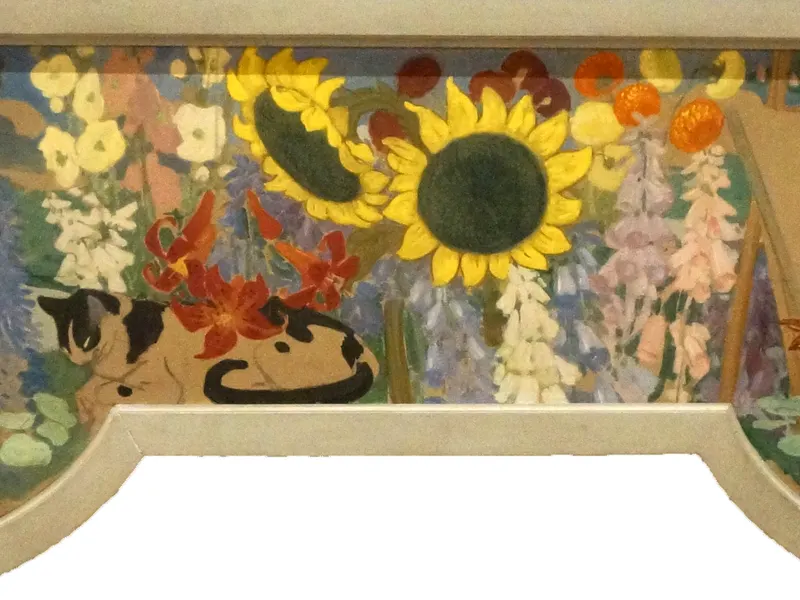
The elements
A. Stein
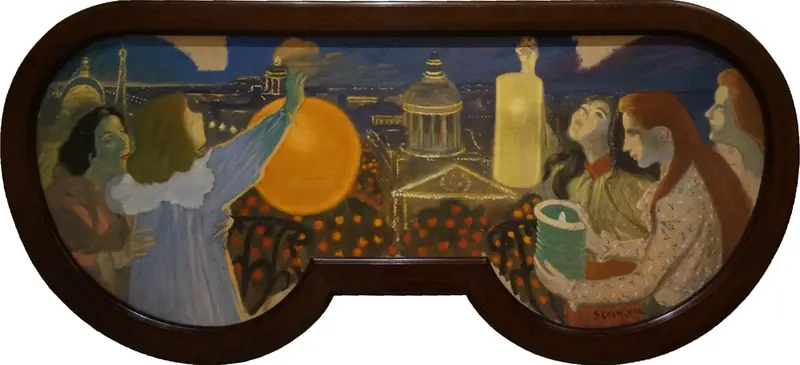
Night party
A. Stein
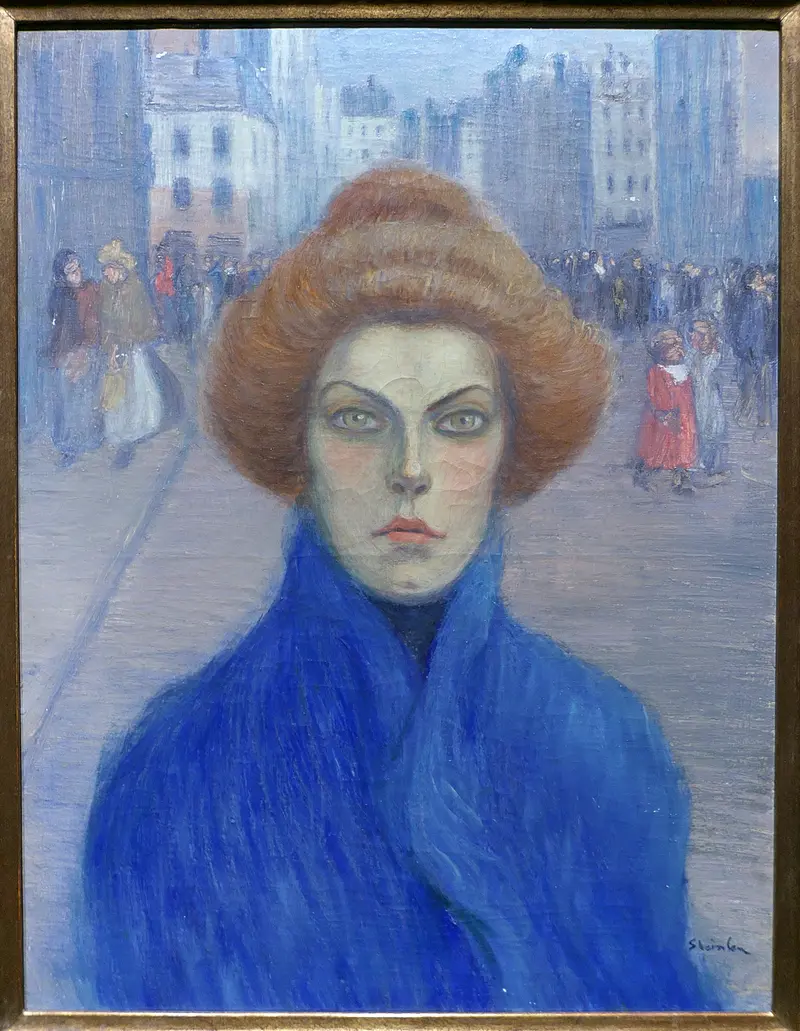
De regreso al hogar (Théophile Alexandre Steinlen)
A. Stein
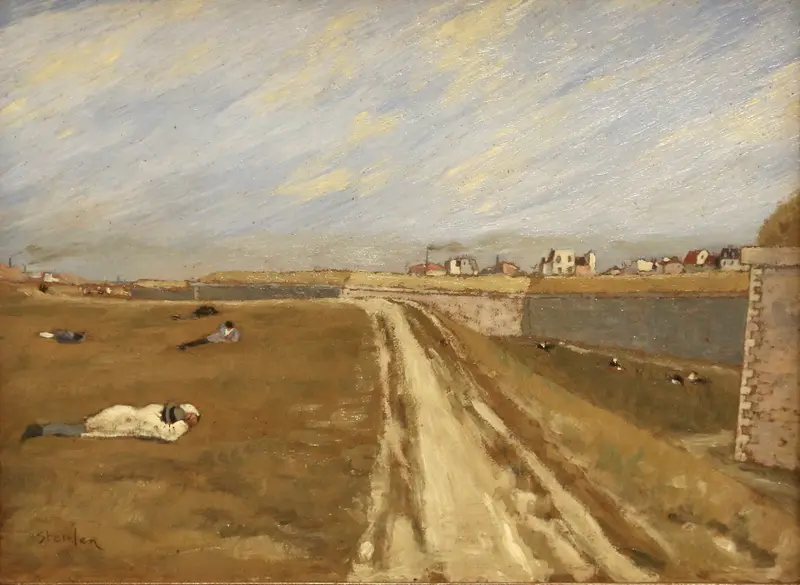
Fortifs - Théophile Alexandre Steinlein (MCBA, Lausanne)
A. Stein
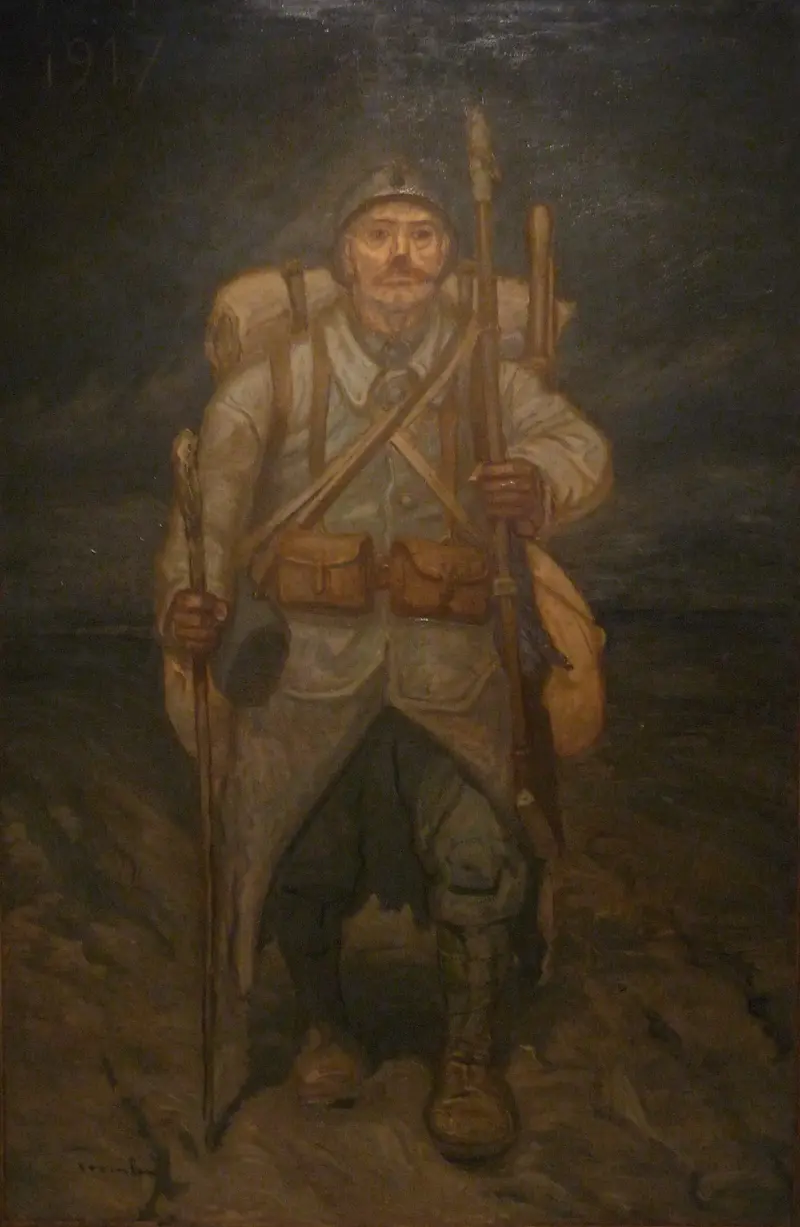
Poilu
A. Stein
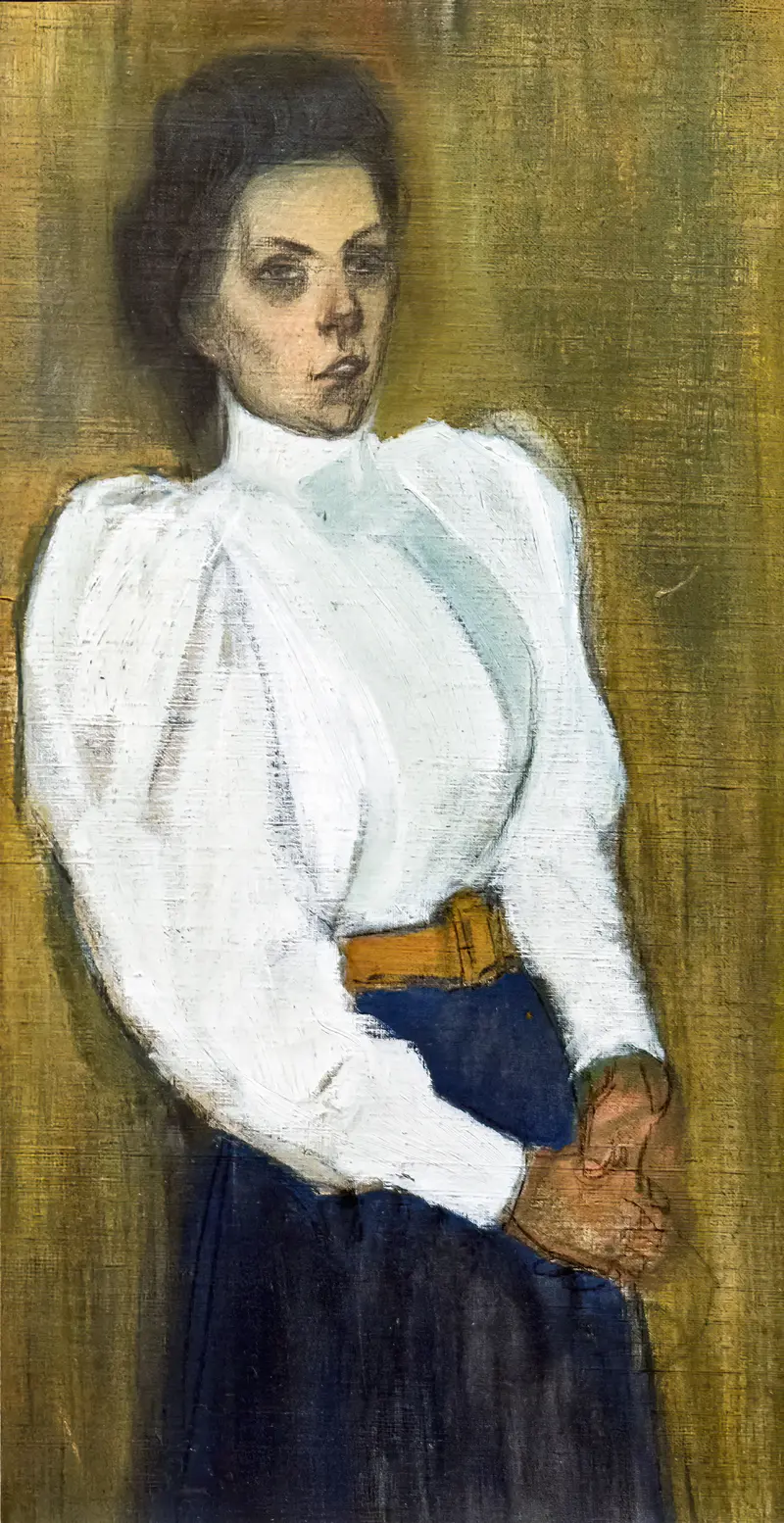
Woman in white blouse
A. Stein
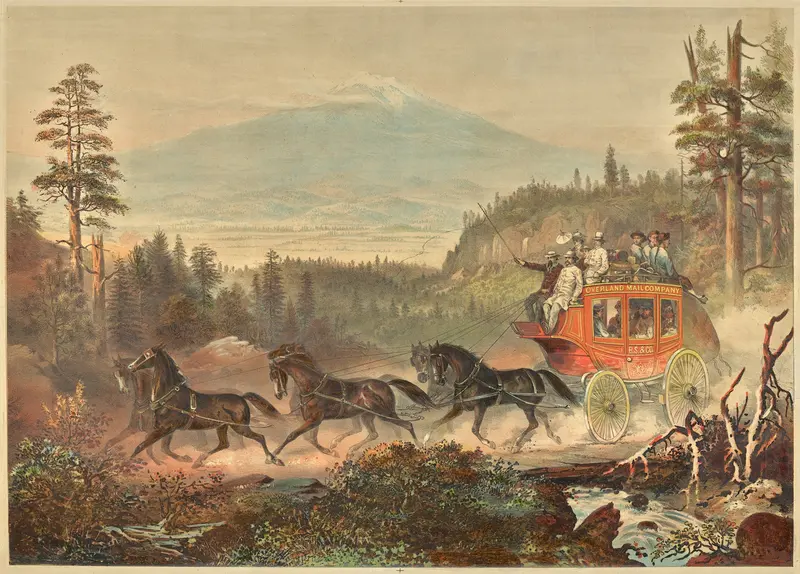
Overland Mail Company, Barlow, Sanderson & Co.
A. Stein
More Genre Scene Art

Banquet of the Officers of the St George Civic Guard
Frans Hals

Rembrandt and Saskia in the Scene of the Prodigal Son
Rembrandt van Rijn

Bal du moulin de la Galette
Pierre-Auguste Renoir

Quadrille at the Moulin Rouge
Henri de Toulouse-Lautrec

A Burial at Ornans
Gustave Courbet

When Will You Marry?
Paul Gauguin