
Le 14 juillet — History & Facts
A surge of movement pulls the viewer into the heart of the crowd, where faces flushed with excitement and voices raised in song or cheer animate the night. The artist has caught not a single figure but a collective energy, the sweep of bodies pressing forward beneath a canopy of glowing lanterns. The brushwork is loose, almost hurried, as if the painter were swept along with the throng, eager to capture the fleeting thrill of the moment.
Light falls unevenly, picking out the whites of shirts and the pink of a feathered hat, while the background dissolves into shadow and blur, suggesting a world alive with possibility just beyond the reach of clarity. Painted in 1895, Le 14 juillet by A. Stein belongs to a period when scenes of popular festivity and urban life fascinated artists across Europe. Bastille Day celebrations, with their mingling of classes and exuberant public gatherings, offered a modern spectacle that was both democratic and theatrical.
Works like this were often made for a growing middle-class audience, eager to see their own world reflected in art. Now in the collection of the Petit Palais in Geneva, this painting is a rare survivor from an era when history has kept few traces of its lesser-known chroniclers—yet its energy and immediacy invite us to step into the crowd, lantern light flickering on our faces.
More Artworks by A. Stein

The Laundresses
A. Stein
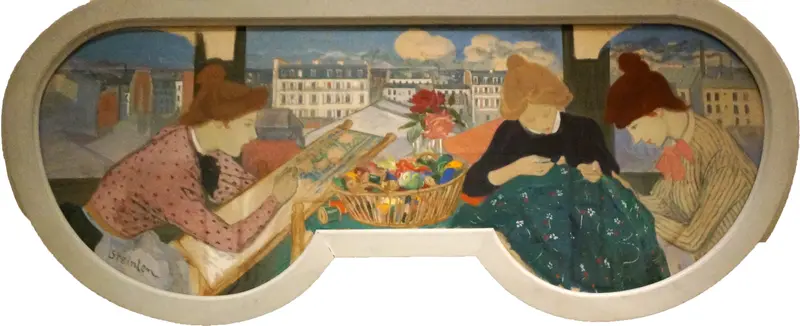
The application of the decoration
A. Stein
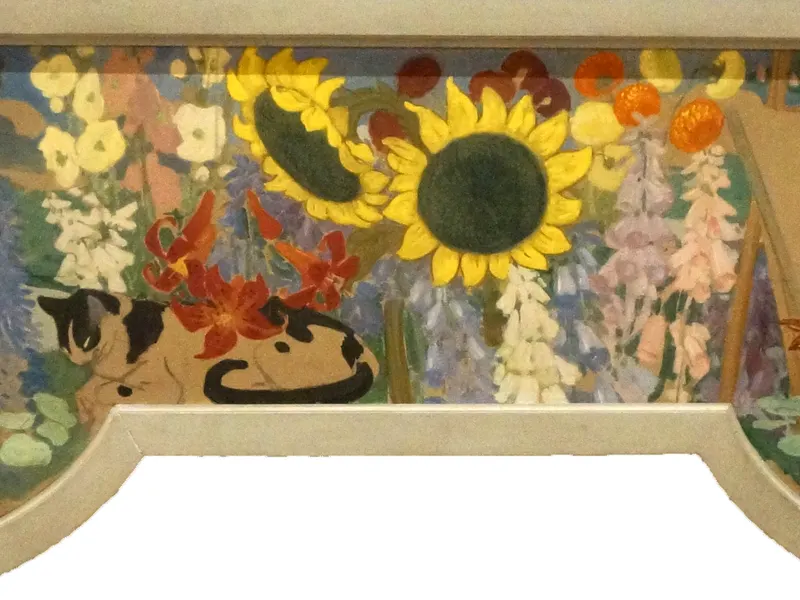
The elements
A. Stein
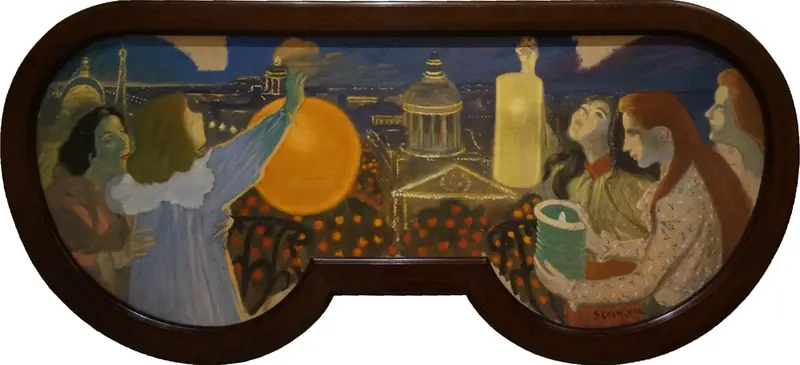
Night party
A. Stein
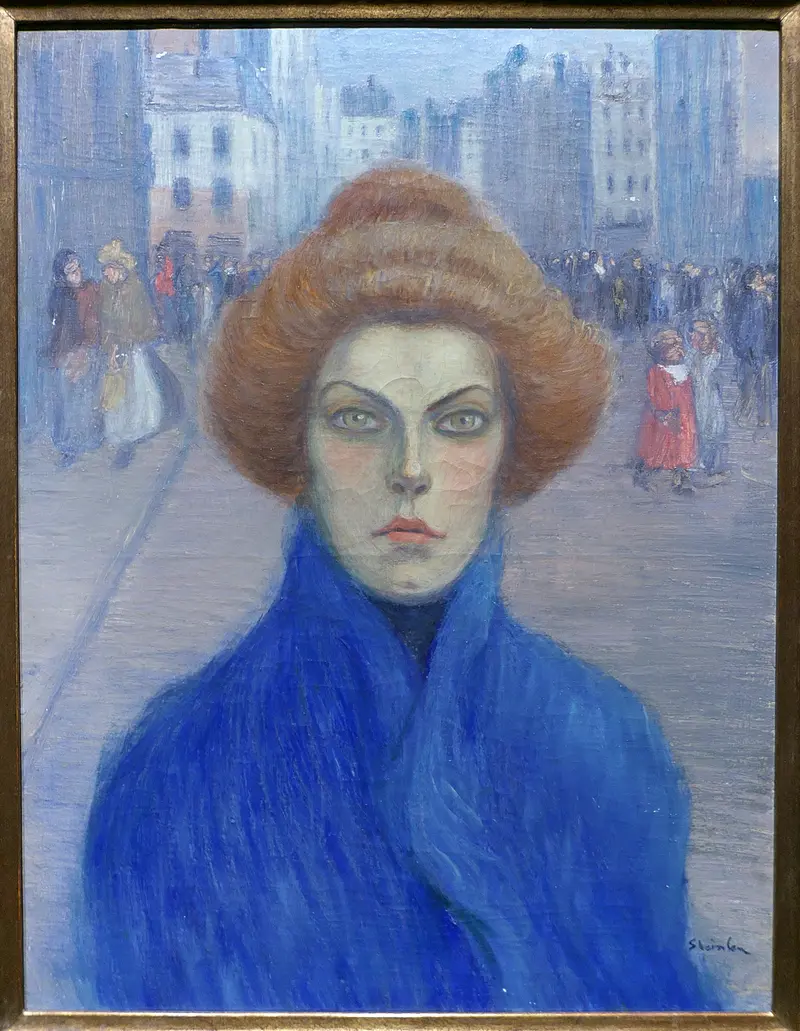
De regreso al hogar (Théophile Alexandre Steinlen)
A. Stein
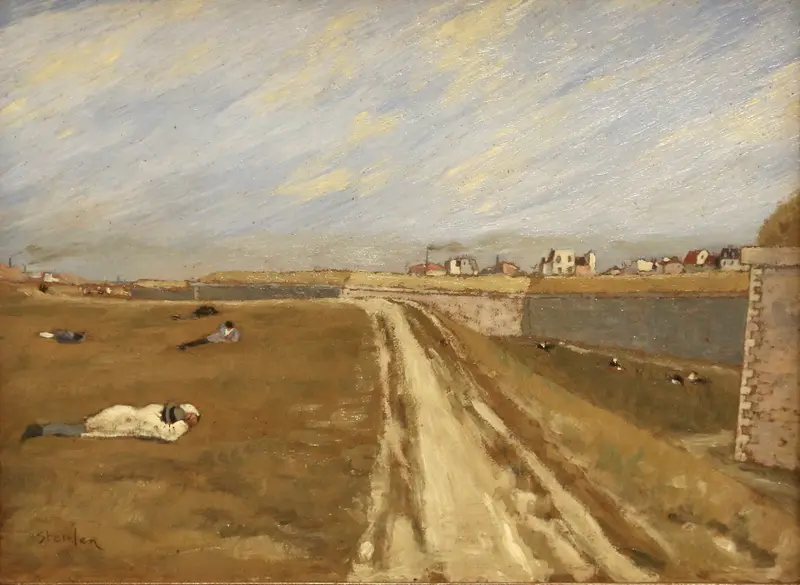
Fortifs - Théophile Alexandre Steinlein (MCBA, Lausanne)
A. Stein
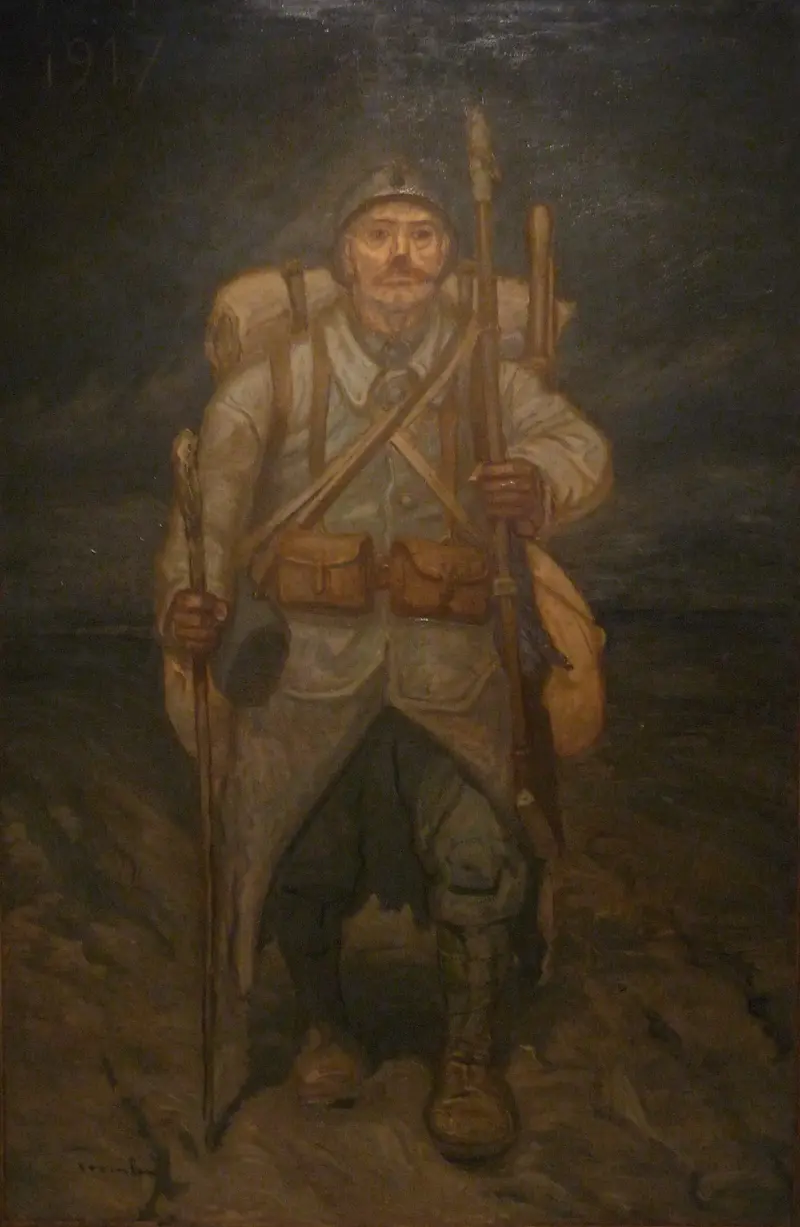
Poilu
A. Stein
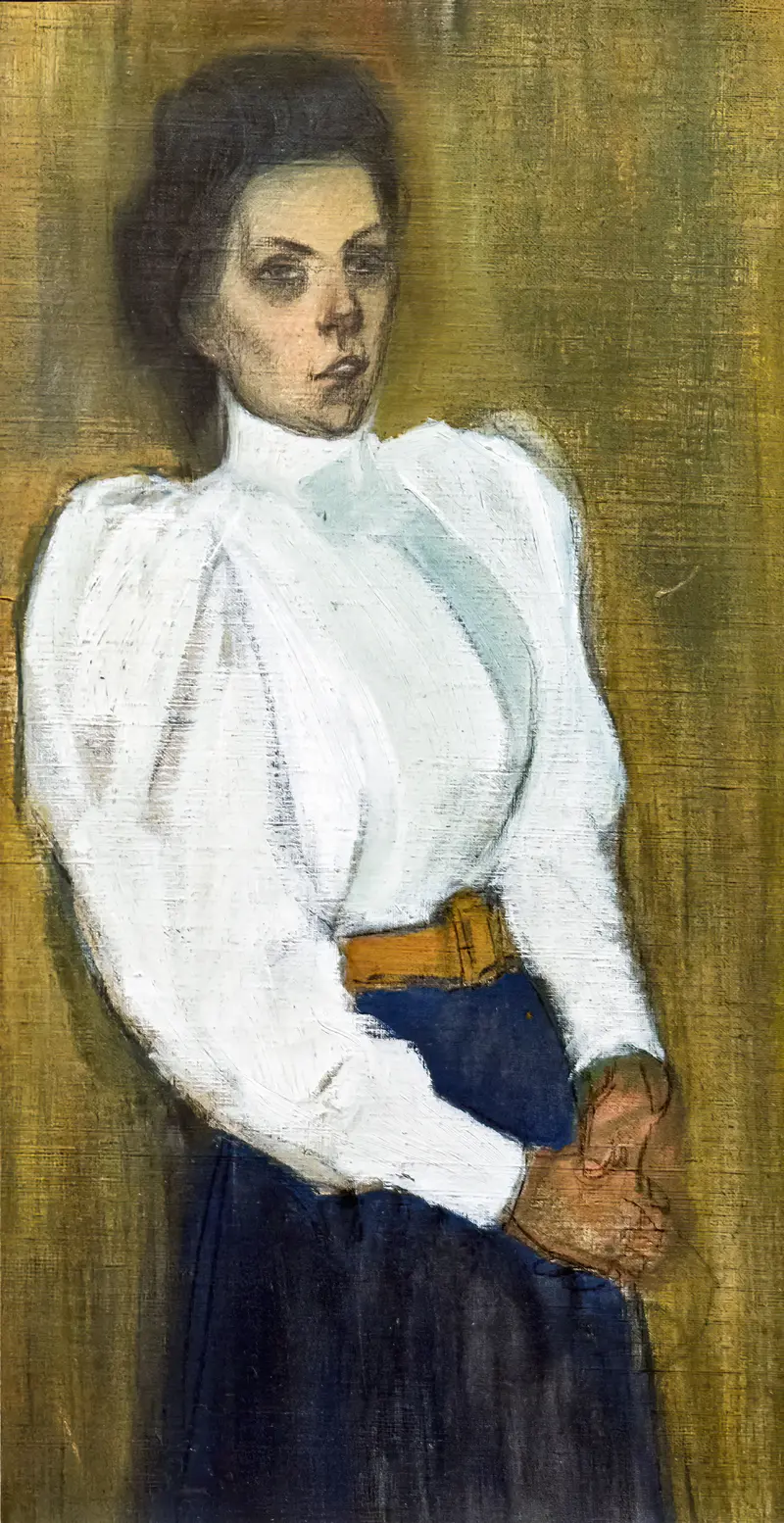
Woman in white blouse
A. Stein
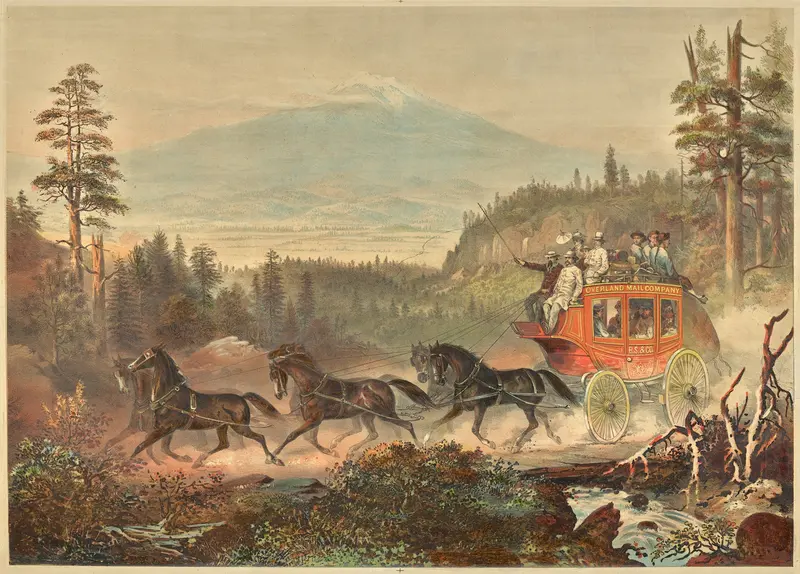
Overland Mail Company, Barlow, Sanderson & Co.
A. Stein
More Genre Scene Art

Banquet of the Officers of the St George Civic Guard
Frans Hals

Rembrandt and Saskia in the Scene of the Prodigal Son
Rembrandt van Rijn

Bal du moulin de la Galette
Pierre-Auguste Renoir

Quadrille at the Moulin Rouge
Henri de Toulouse-Lautrec

A Burial at Ornans
Gustave Courbet

When Will You Marry?
Paul Gauguin