
The apse from the Cathedral of Notre Dame in Paris — History & Facts
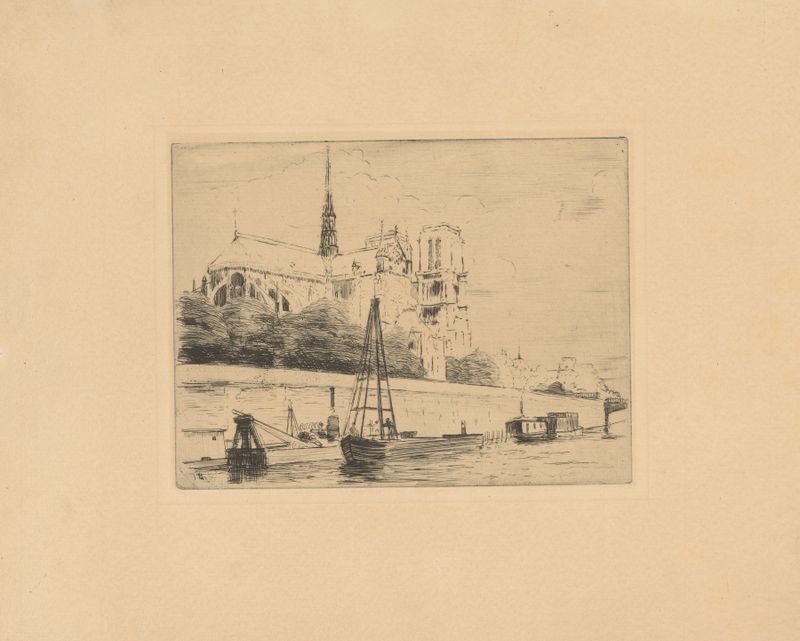
In the quiet moments of existence, it is the transcendent beauty of sacred spaces that speaks to the depths of our being. Time hangs suspended within the intricate details and ethereal light that lend life to the stillness of a cathedral's apse. Look to the upper arches, where sunlight filters through stained glass, casting vibrant colored shadows that dance upon cold stone. Notice the meticulous brushwork that captures the intricate carvings and the solemnity of the figures, each one steeped in devotion.
The palette blends rich golds and deep blues, creating a sense of both reverence and warmth, inviting the viewer to immerse themselves in the spiritual resonance of the space. Delve deeper into the contrasts that emerge within this piece: the interplay between light and shadow, the tension between the sacred and the mundane. Each fold of the drapery and flicker of light reveals the passage of time, a reminder of the enduring nature of faith amidst the ephemeral quality of human life. The artist captures not just the architectural grandeur, but also the emotional weight of centuries, as if the walls themselves whisper stories of devotion and contemplation. In 1902, as he painted this work, Pankiewicz was navigating the vibrant yet tumultuous art scene of Paris, where impressionism was firmly established, and new movements were beginning to take root.
This period was marked by a blend of influences, and Pankiewicz sought to explore the relationship between light and form, drawing inspiration from both traditional and contemporary sources. The apse served as a homage to timeless beauty, a moment captured in the ongoing dialogue between the past and present.
More Artworks by Józef Pankiewicz
Browse all →
Landscape
Józef Pankiewicz

Cab in the Rain
Józef Pankiewicz
Notre Dame Cathedral in Paris
Józef Pankiewicz
Landscape from Czarnolas
Józef Pankiewicz
Pińsk Channel in Polesie I
Józef Pankiewicz
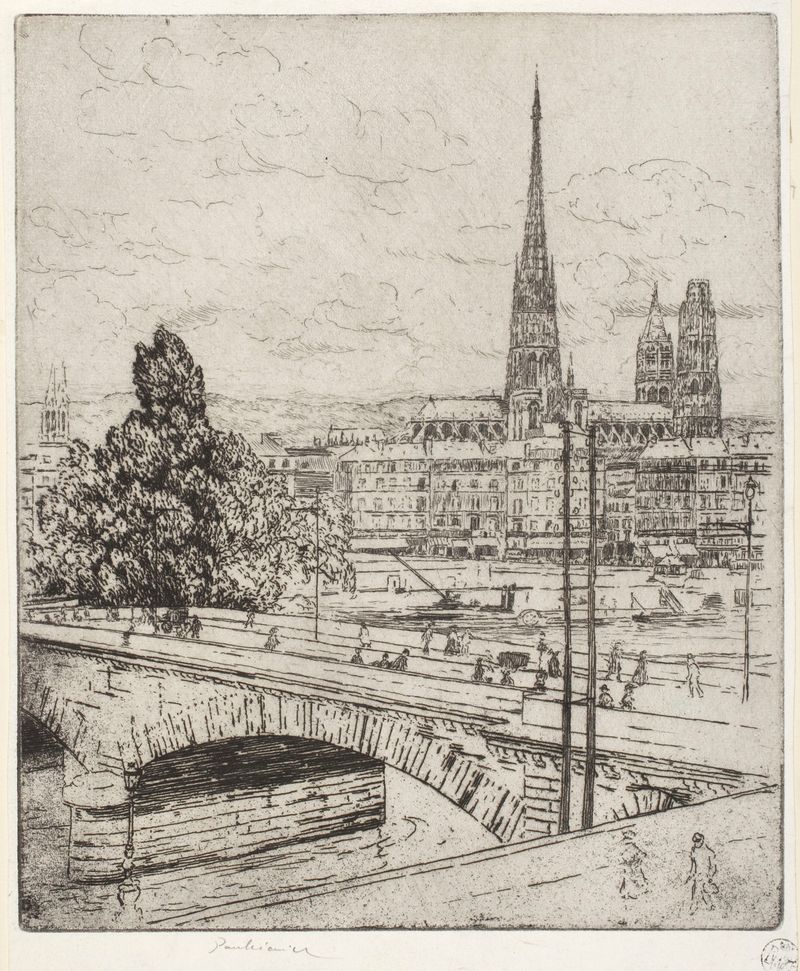
Pont Corneille in Rouen
Józef Pankiewicz
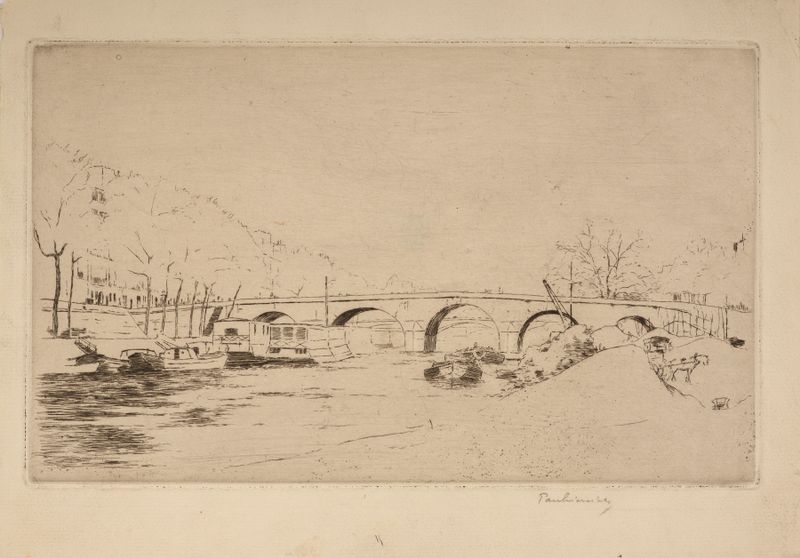
Pont Marie in Paris
Józef Pankiewicz

Rouen – portal from the Church of St Maclou
Józef Pankiewicz
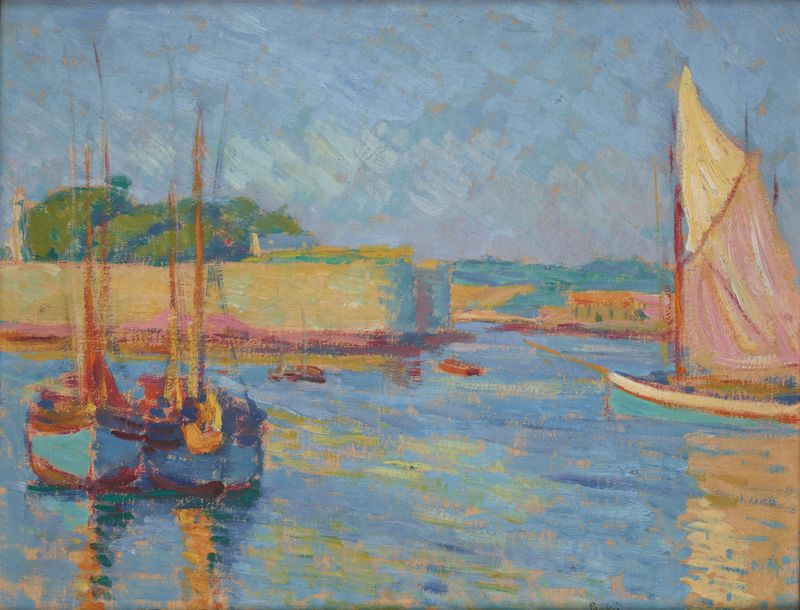
Harbour at Concarneau
Józef Pankiewicz
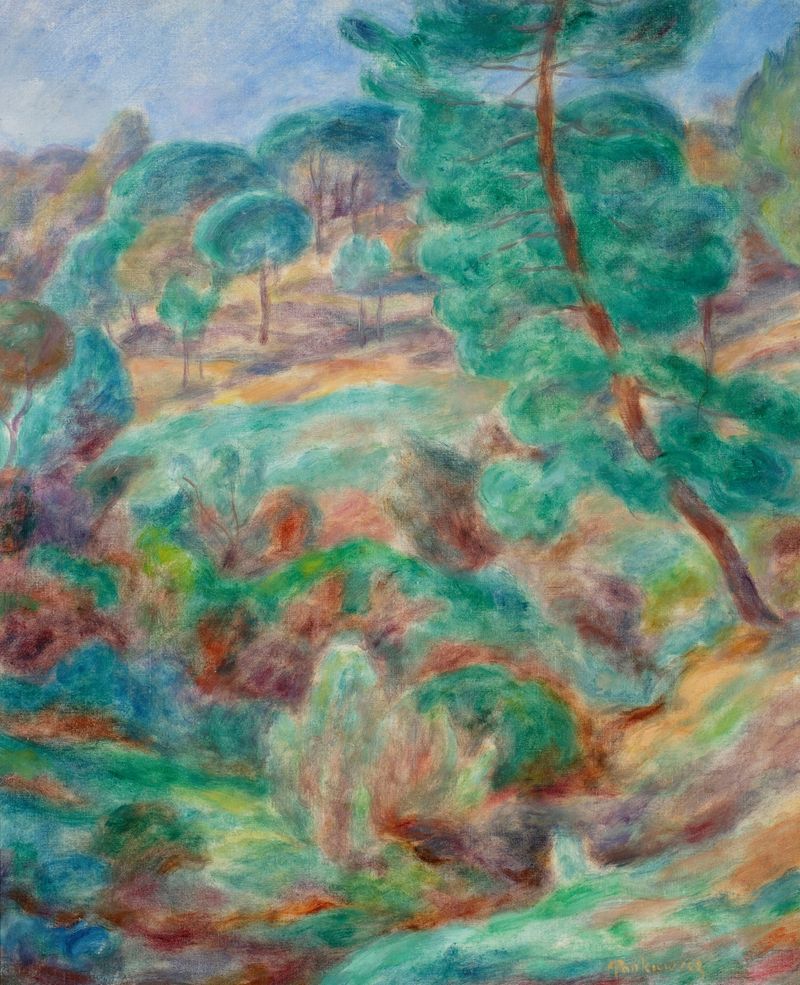
Landscape from Saint-Tropez – Stone pines
Józef Pankiewicz
More Architecture Art
Browse all →
The statue of Liberty
Frédéric Auguste Bartholdi

View of Houses in Delft, Known as ‘The Little Street’
Johannes Vermeer

View of Houses in Delft, Known as ‘The Little Street’
Johannes Vermeer

The Cathedral in Rouen. The portal, Grey Weather
Claude Monet

The yellow house
Vincent van Gogh

The Church in Auvers-sur-Oise, View from the Chevet
Vincent van Gogh