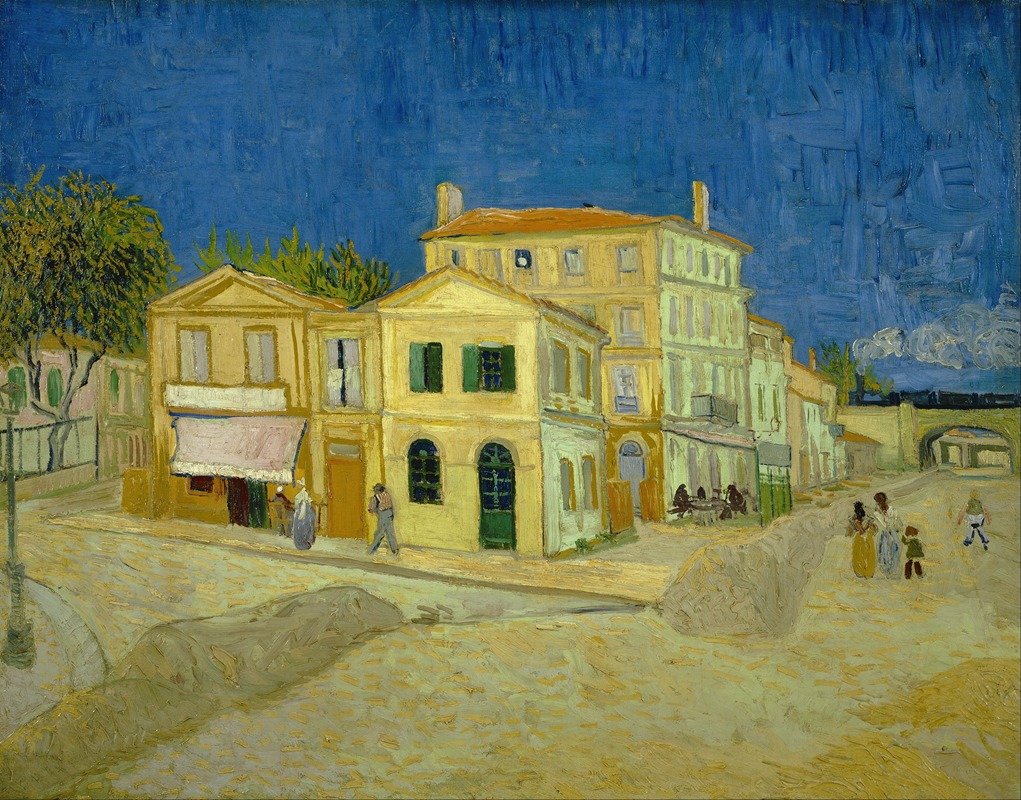
Discover insights about this artwork
The Arch of the Mint (reverse) — History & Facts
In The Arch of the Mint (reverse), Peter Paul Rubens presents a striking architectural scene. The painting features a grand archway adorned with intricate details and rich colors. Warm tones of gold and earthy browns dominate the palette, creating a sense of opulence.
Figures can be seen interacting within this monumental setting, adding life to the composition. The painting is executed in oil on canvas, a medium that allows for vibrant color and fine detail. Rubens' technique showcases his skill in blending light and shadow, enhancing the three-dimensionality of the arch. The dimensions are approximately 100 x 150 cm, making it a substantial work that commands attention.
The meticulous brushwork reveals the artist's dedication to realism and texture. Peter Paul Rubens was a leading figure of the Baroque movement, known for his dynamic compositions and vibrant colors. This work, created in the early 1620s, reflects his fascination with architecture and the grandeur of public spaces. An interesting fact about this painting is that it was part of a series depicting various architectural elements, showcasing Rubens' versatility as an artist.
His ability to blend architecture with human figures is a hallmark of his style.
More Artworks by Peter Paul Rubens
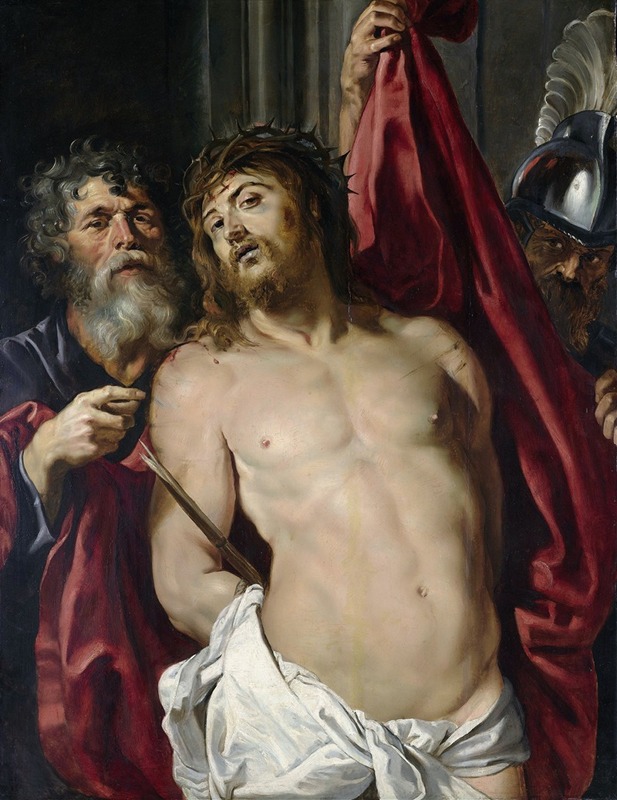
Ecce homo
Peter Paul Rubens
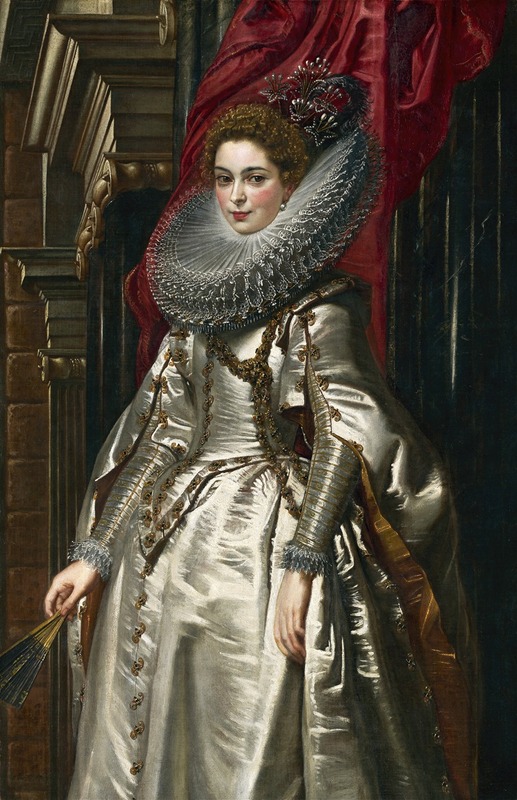
Marchesa Brigida Spinola Doria
Peter Paul Rubens
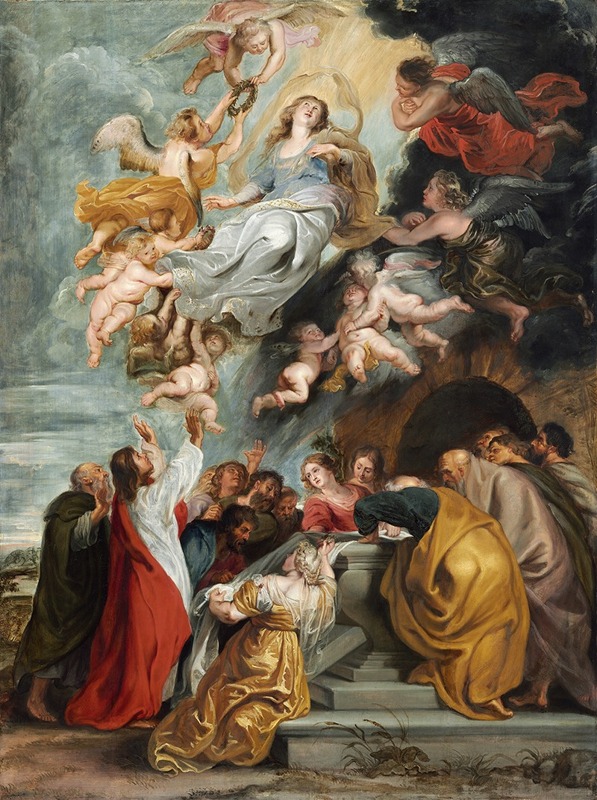
The Assumption of the Virgin
Peter Paul Rubens

Saint Teresa of Ávila Interceding for Souls in Purgatory
Peter Paul Rubens
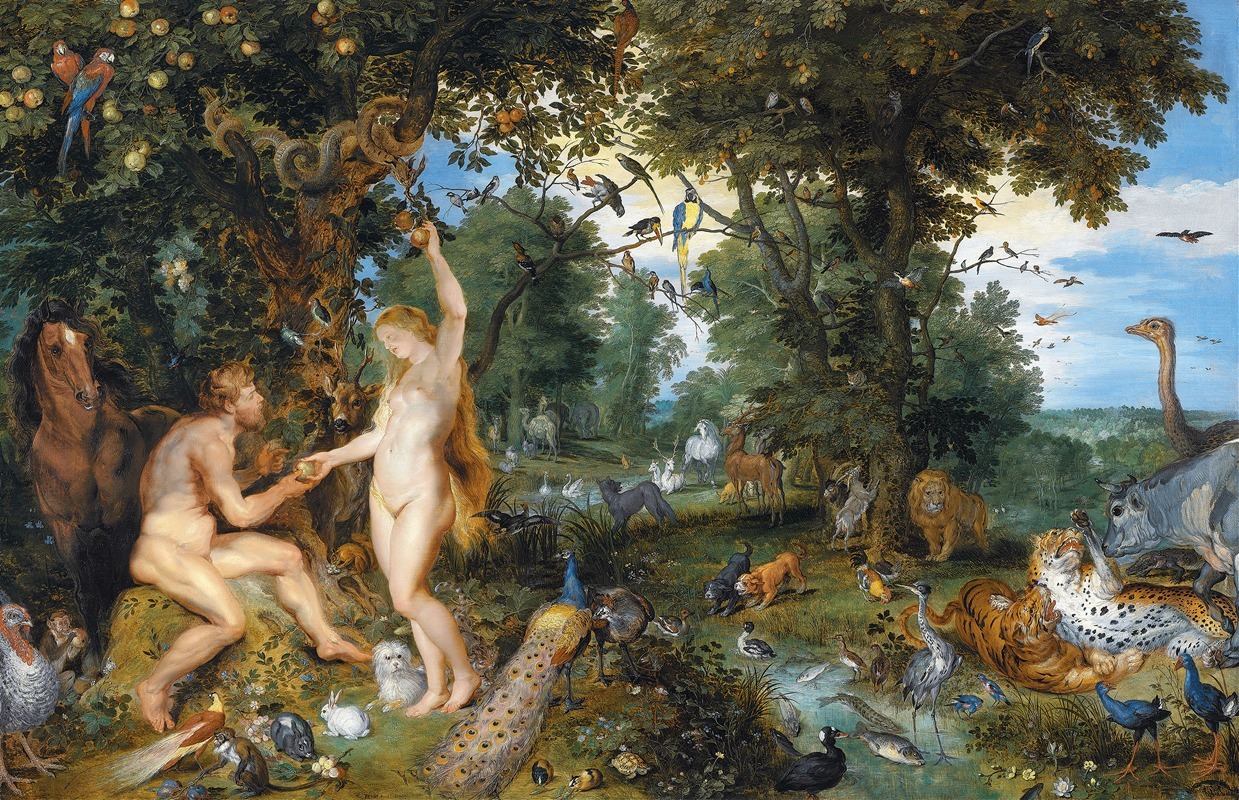
The Garden of Eden with the Fall of Man
Peter Paul Rubens
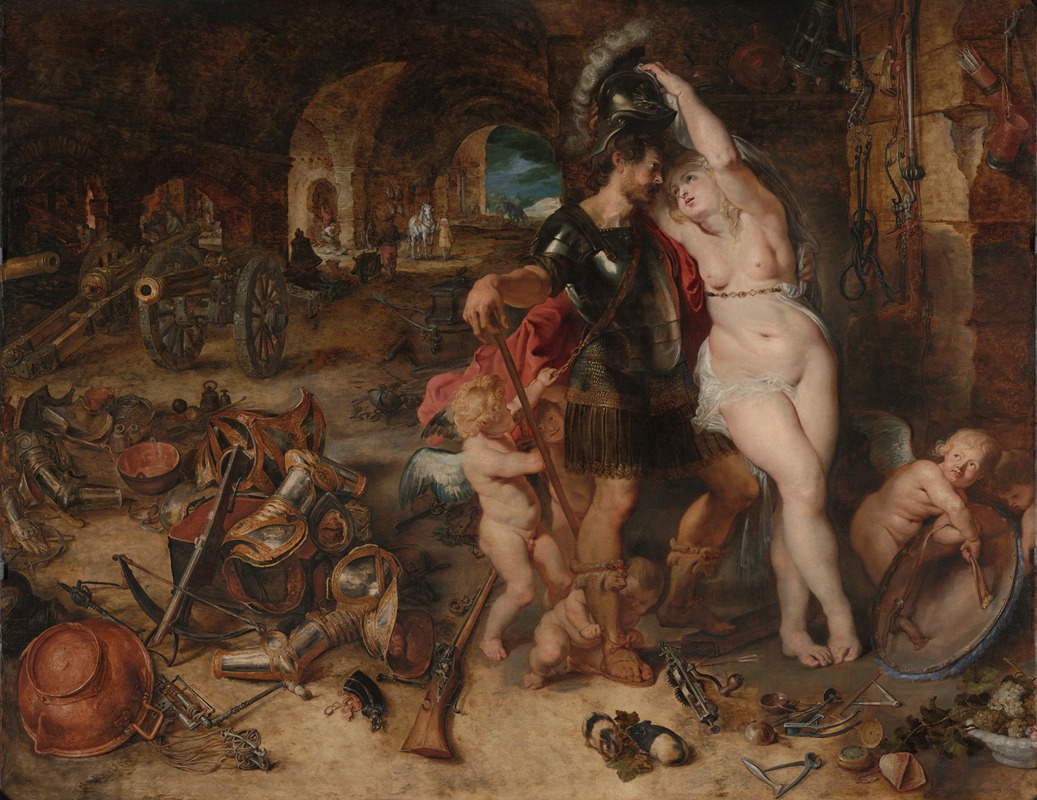
The Return From War,Mars Disarmed By Venus
Peter Paul Rubens
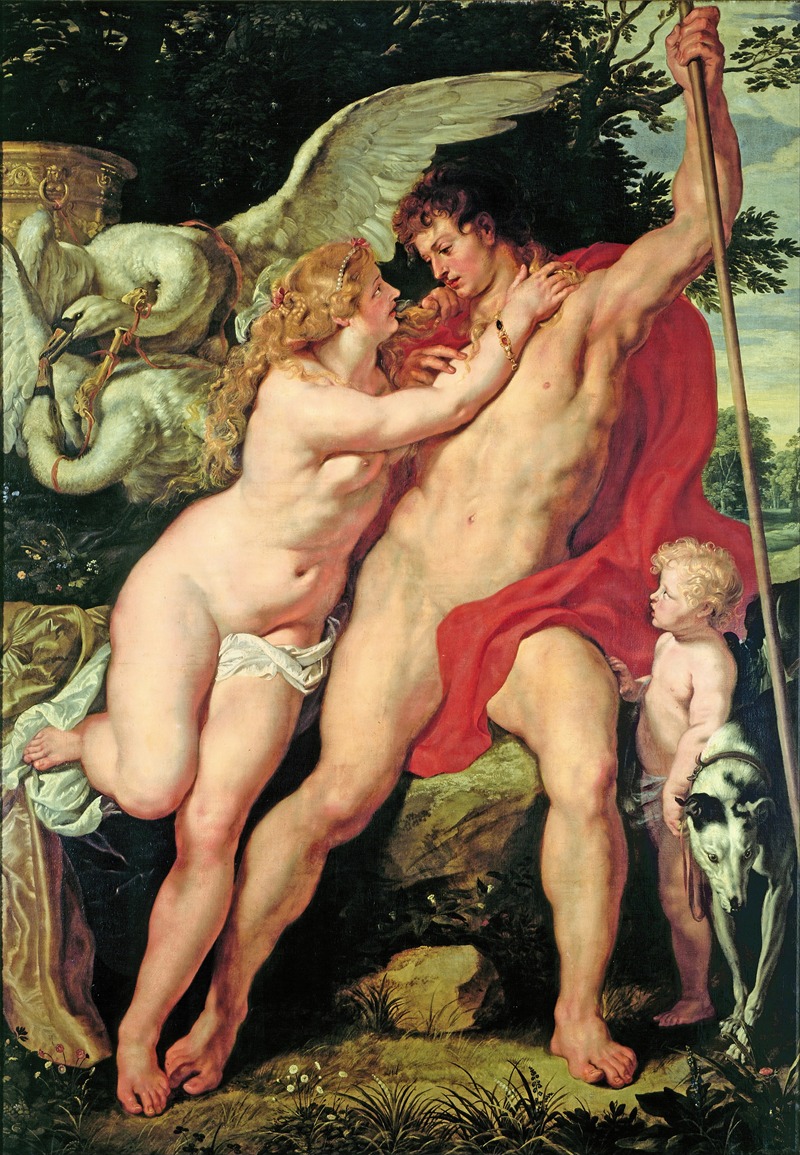
Venus and Adonis
Peter Paul Rubens
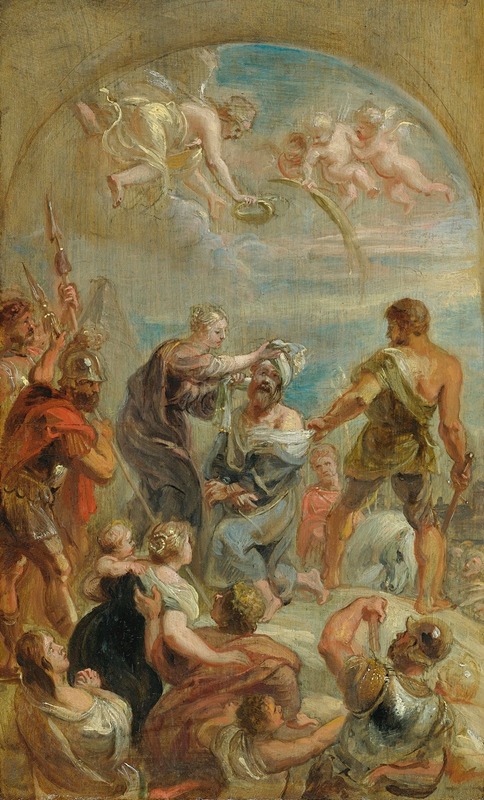
The Martyrdom Of Saint Paul
Peter Paul Rubens
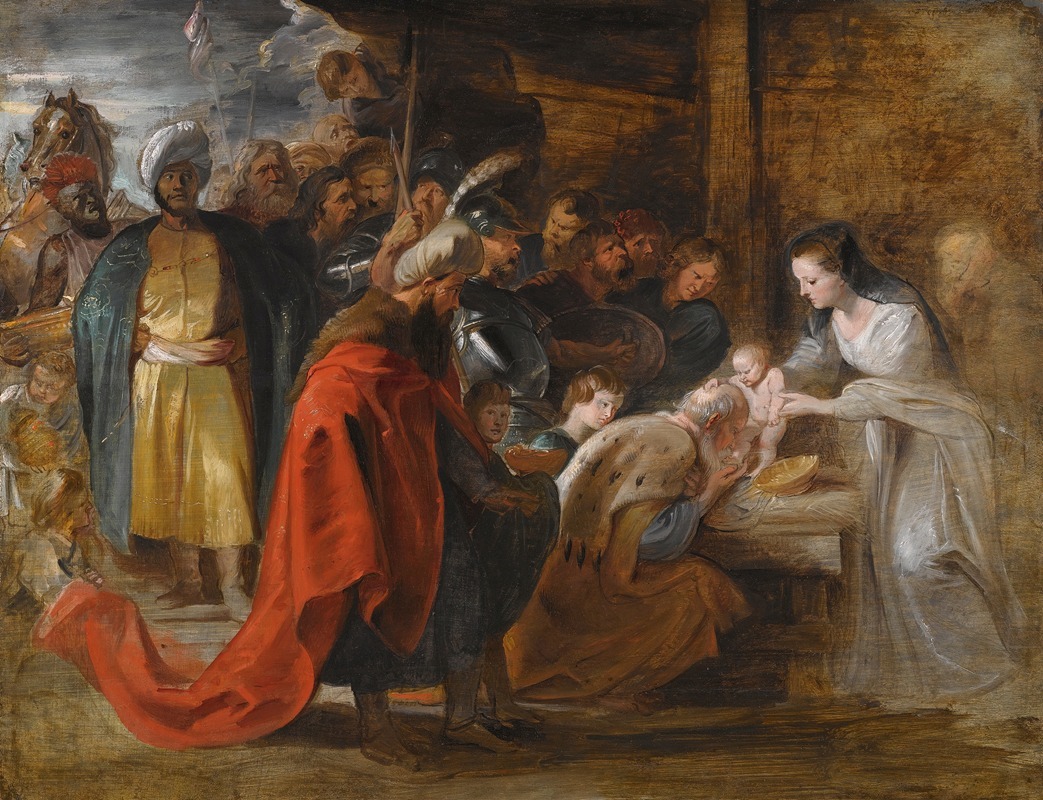
The Adoration Of The Magi
Peter Paul Rubens
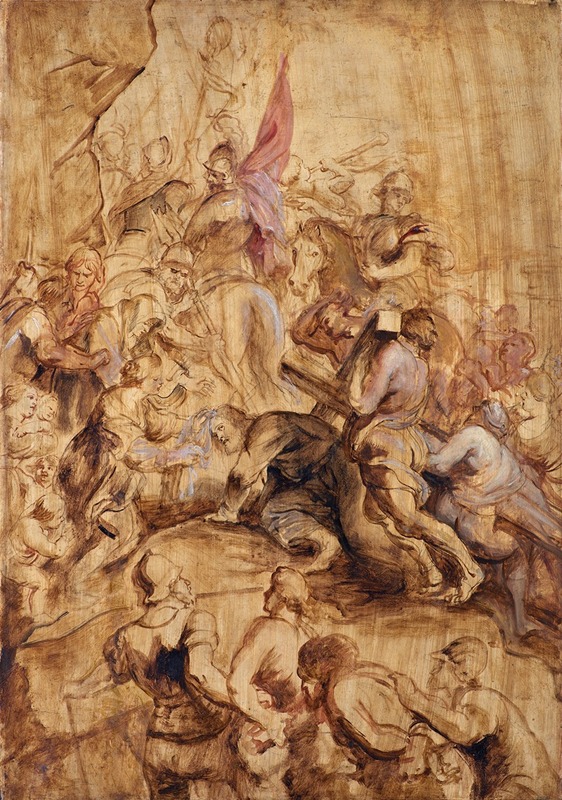
The Ascent to Calvary. The Bearing of the Cross
Peter Paul Rubens