
The arrest of Christ — History & Facts
A single shaft of torchlight rips through the darkness, catching the faces of soldiers and the figure at their center—a drama unfolding in near silence, every gesture charged with tension. The eye is drawn first to the illuminated group, where the calm, robed figure stands out among the armored men, his serenity in stark contrast to the chaos around him. The artist uses darkness not just as background, but as a force pressing in from all sides, heightening the sense of danger and betrayal.
The high wall in the background seals off any escape, trapping the figures in this fateful moment. Every raised arm and glinting helmet adds to the sense of a world closing in, while the warm glow of the torch isolates the central drama, making the viewer a witness to the unfolding arrest. Painted between 1710 and 1727, this work by Aert de Gelder belongs to the tradition of late Dutch Baroque religious painting, where artists often revisited biblical stories with a new emotional intensity. Such scenes were created for private devotion or for collectors seeking to contemplate the mysteries of faith in their own homes.
The painting forms part of a series of Passion scenes, some of which are now dispersed, a reminder of how art objects could travel and fragment over time. In the early eighteenth century, artists like de Gelder continued to explore the possibilities of light and shadow first made famous by Rembrandt, but with their own distinctive touch—here, the night is not just a setting, but a participant in the drama. The longer you look, the more the darkness reveals, inviting you to search for every hidden face and gesture.
More Artworks by Aert de Gelder

Portrait of a Young Woman
Aert de Gelder

Hermanus Boerhaave (1668-1738), Professor of Medicine at the University of Leiden, with his Wife Maria Drolenvaux (1686-1746) and their Daughter Johanna Maria (1712-91)
Aert de Gelder
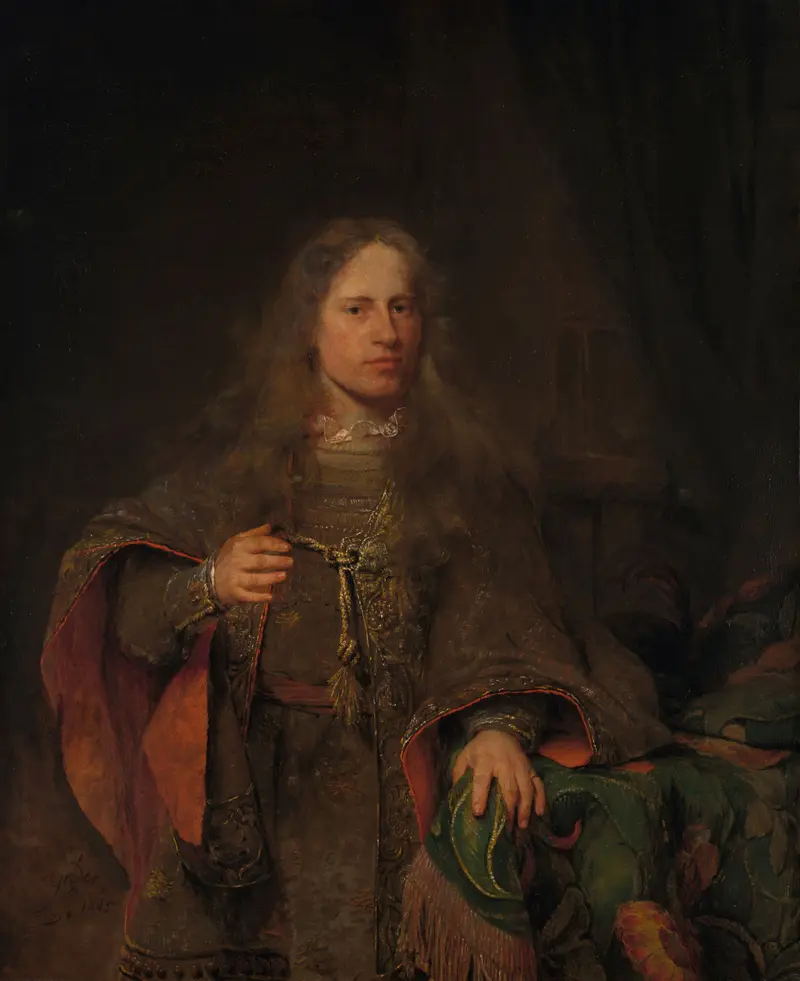
Portrait of Ernest de Beveren, Lord of West-IJsselmonde and De Lindt
Aert de Gelder
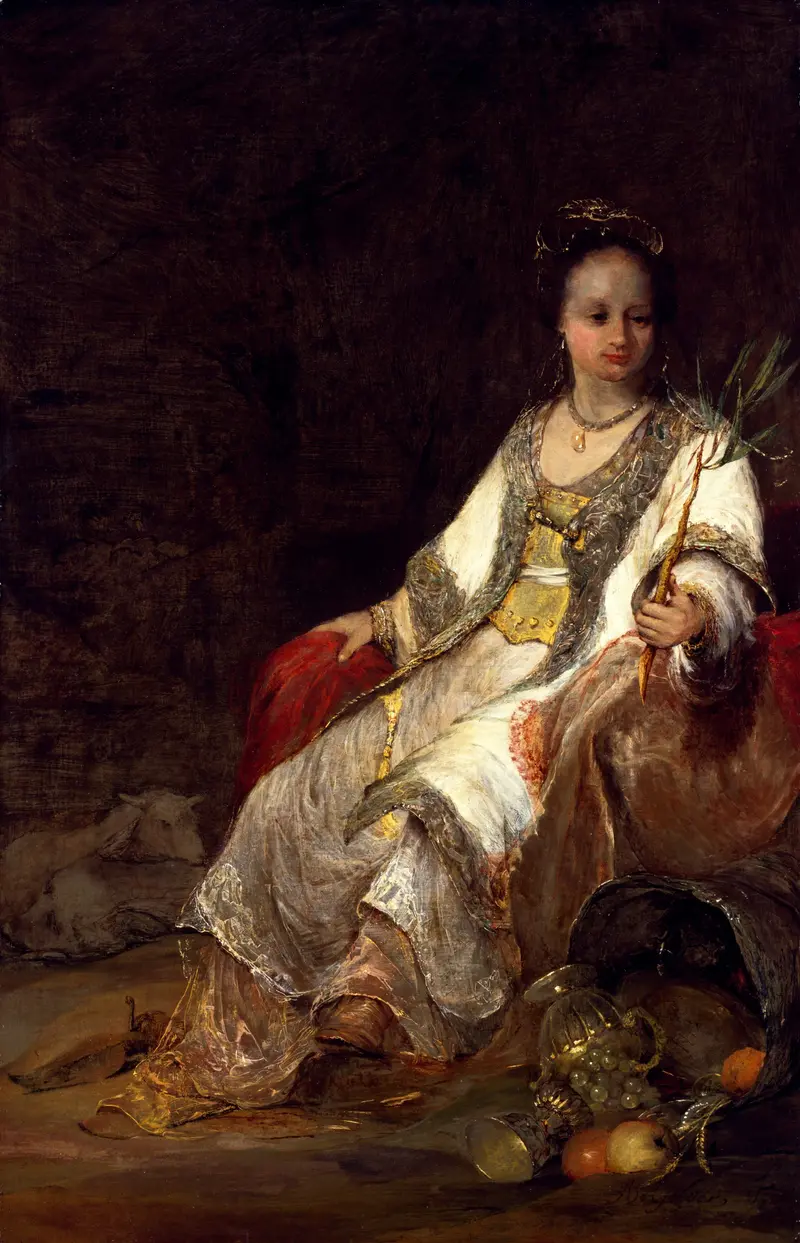
Allegory on Peace
Aert de Gelder
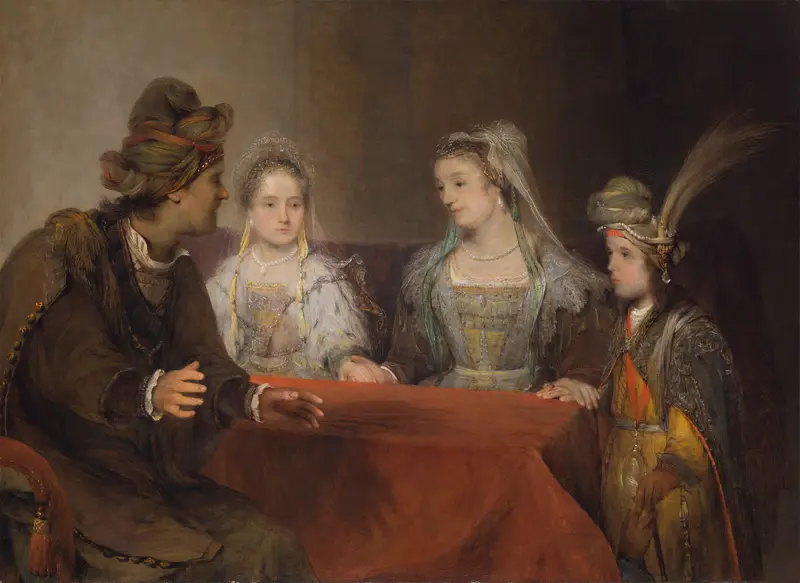
Edna Entrusting Tobias with Sarah
Aert de Gelder
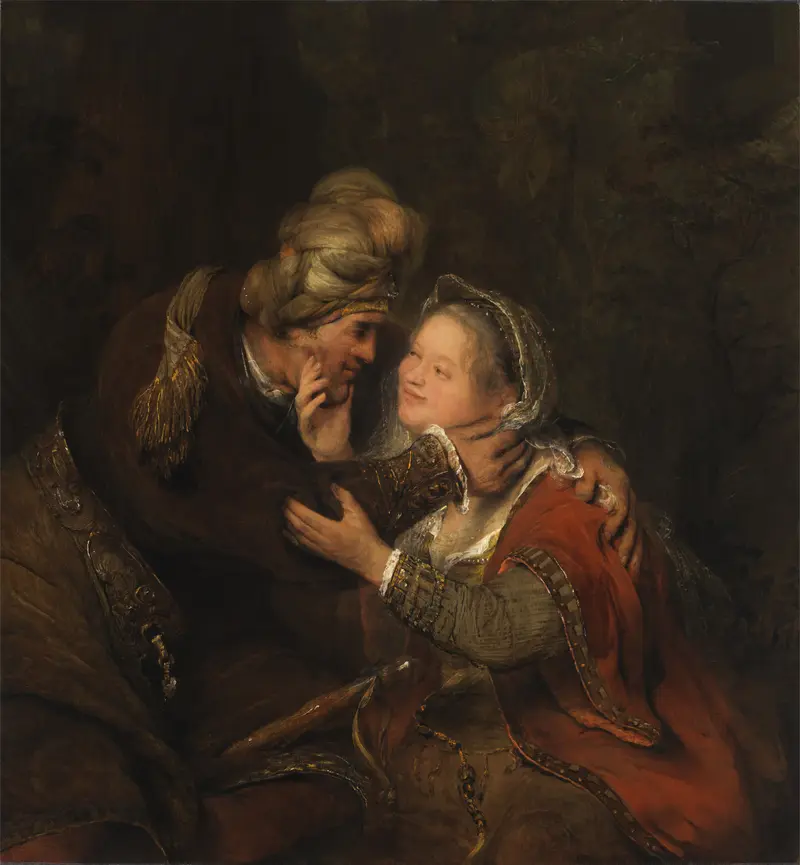
Judah and Tamar
Aert de Gelder
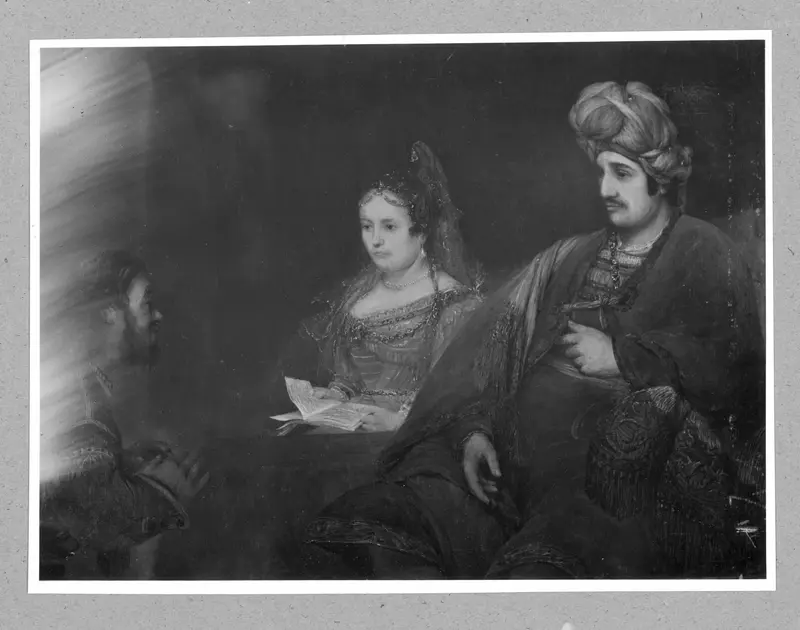
Hamas before Ahasver
Aert de Gelder
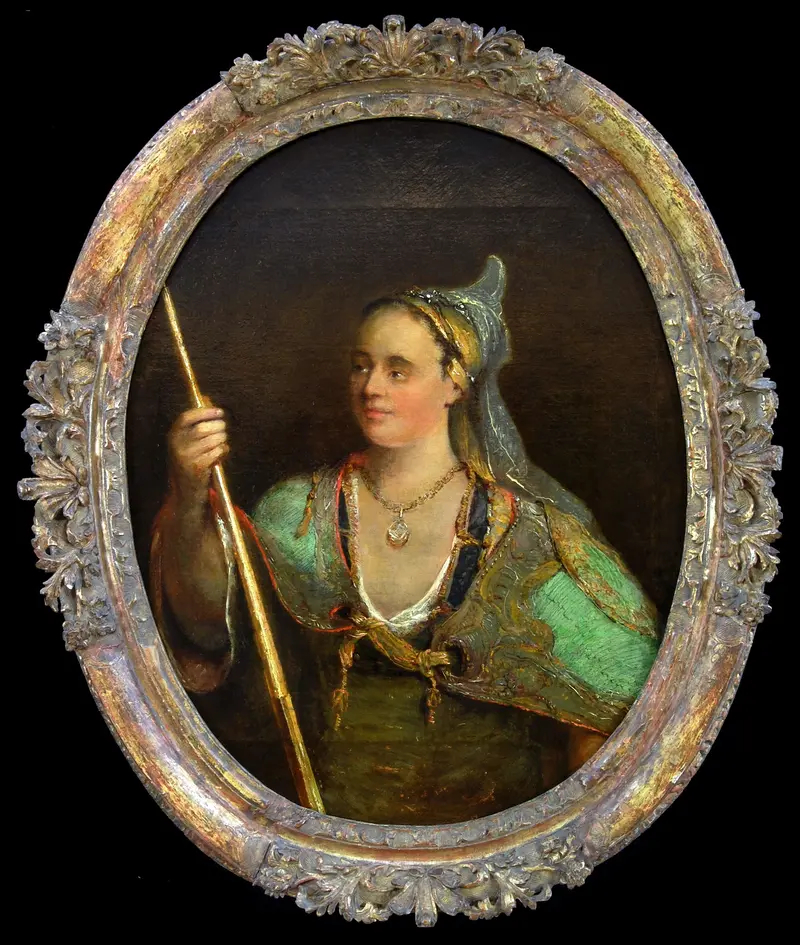
A female allegorical figure
Aert de Gelder
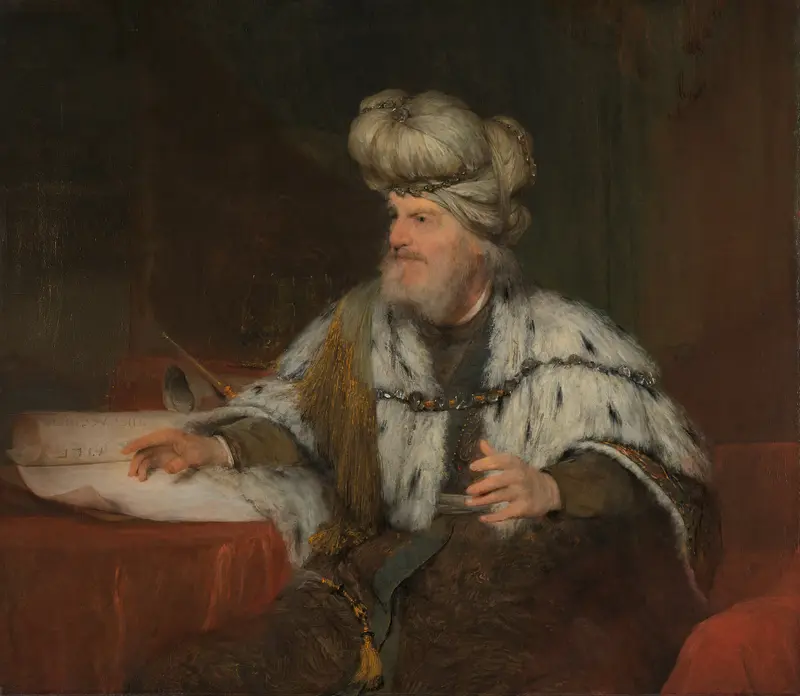
King David
Aert de Gelder
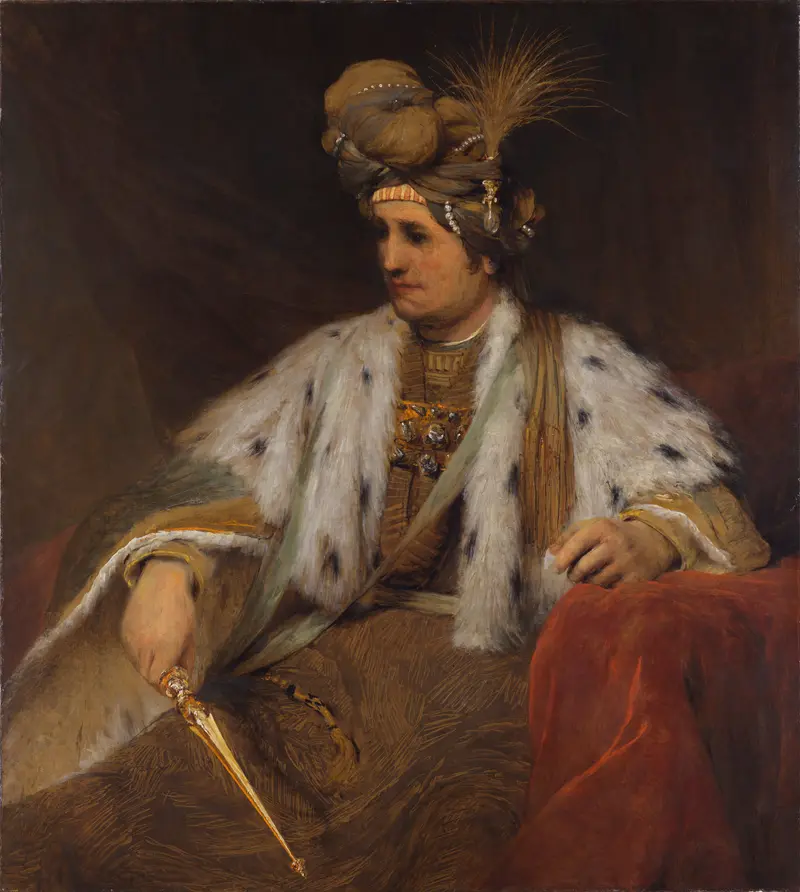
Old Testament Figure, Probably King Solomon
Aert de Gelder





