
The Arrival at Bethlehem — History & Facts
What grips the viewer first in The Arrival at Bethlehem is not the grandeur of a holy moment, but its stark humility. The eye is drawn to the solitary figure of a woman, cloaked in deep blue, kneeling on the cold earth beneath a moonlit sky. Her posture is weary but dignified, her gaze turned upward—caught between hope and exhaustion.
The light from a window above casts a faint, golden glow, suggesting warmth and shelter just out of reach. A man, staff in hand, gestures pleadingly toward the house, while a figure inside leans out, their exchange frozen in uncertainty. The muted palette of greys and ochres deepens the sense of isolation, making the quiet drama of the scene all the more immediate. Painted in oil on canvas before 1920, The Arrival at Bethlehem belongs to a tradition of late nineteenth-century French religious painting that favored psychological realism over spectacle.
In this era, artists like Luc-Olivier Merson drew on biblical stories not for their miracles, but for their humanity—often commissioned for churches or private devotion, these works sought to make ancient stories feel present and lived-in. The painting’s subdued mood and careful attention to architectural detail reflect a world where faith and hardship walk side by side. History has kept few traces of this specific canvas, now known through la Tribune de l’Art, but its quiet storytelling invites a long, searching look—challenging us to find the sacred in the shadows.
More Artworks by Luc-Olivier Merson

Esquisse pour l'escalier des fêtes de l'Hôtel de Ville de Paris , Bélier
Luc-Olivier Merson
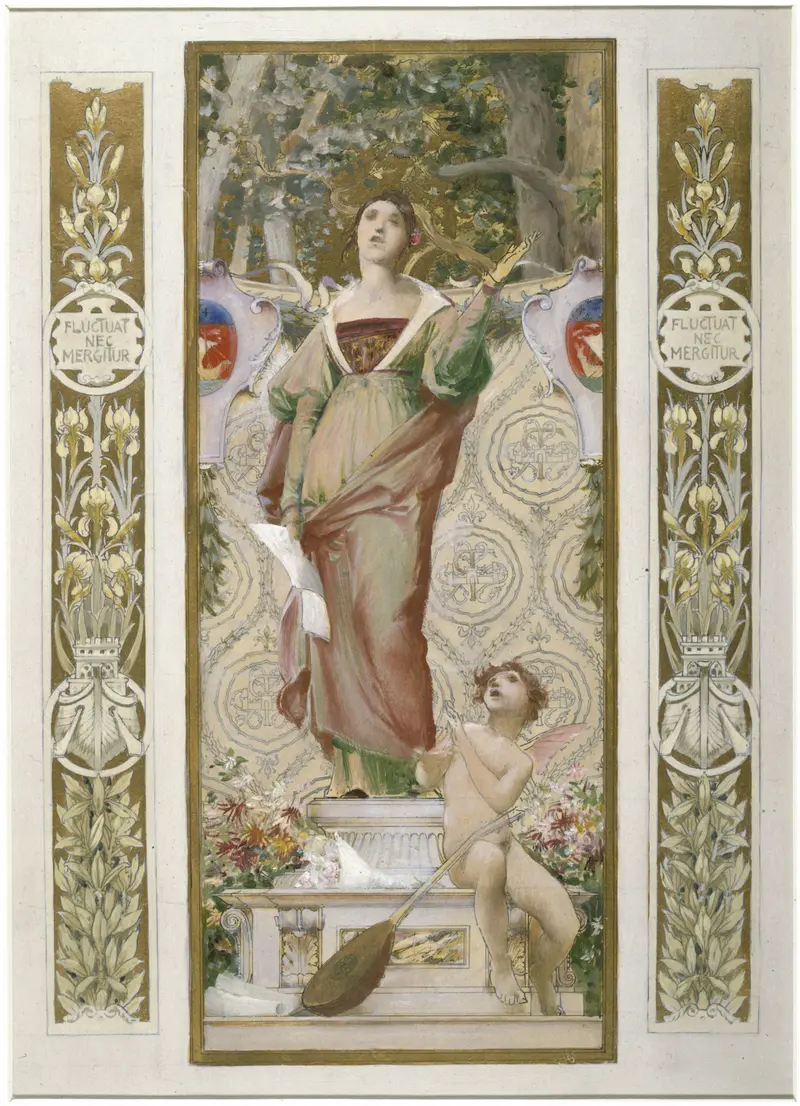
Esquisse pour l'escalier des Fêtes de l'Hôtel de Ville de Paris , Le Chant
Luc-Olivier Merson
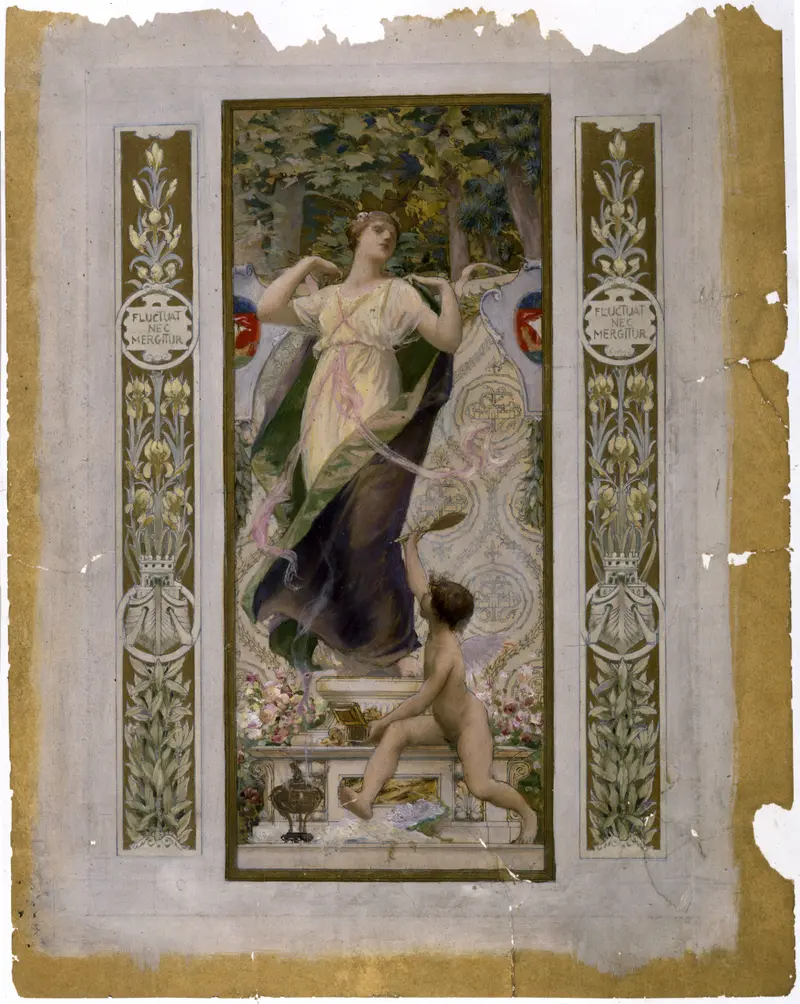
Esquisse pour l'escalier des Fêtes de l'Hôtel de ville de Paris , La Toilette féminine
Luc-Olivier Merson
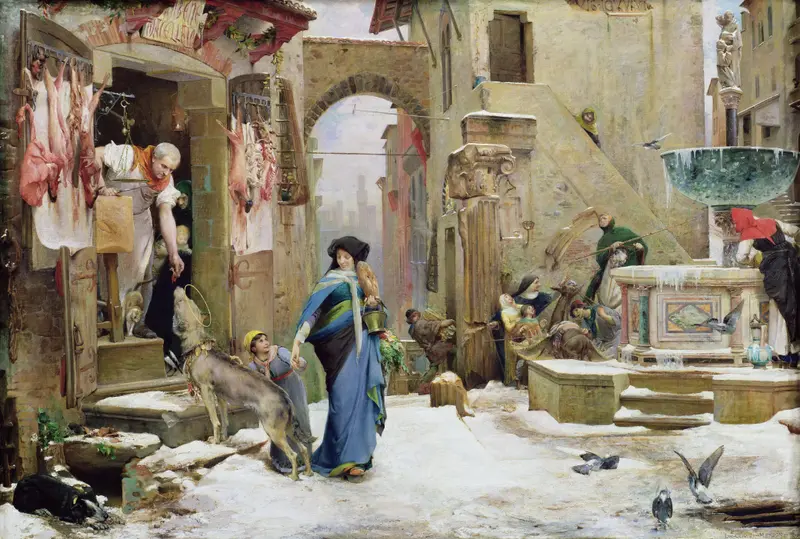
The Wolf of Gubbio
Luc-Olivier Merson
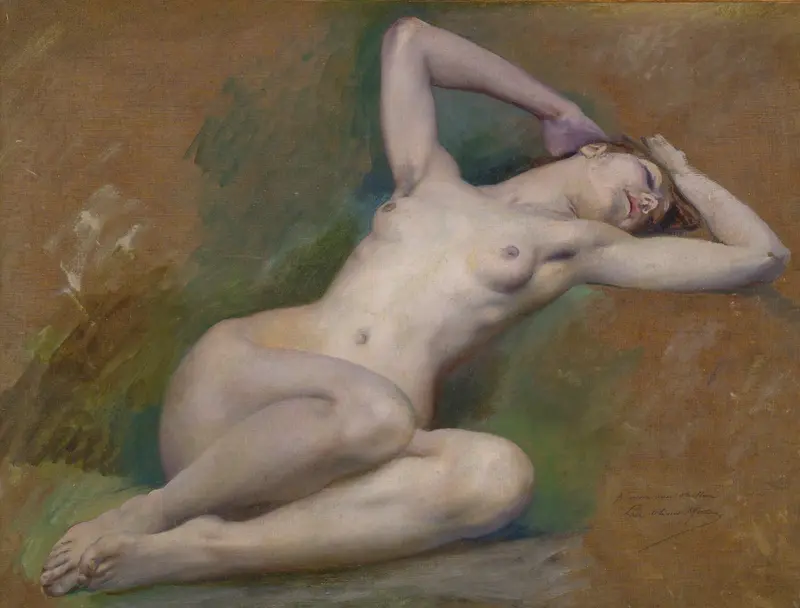
Luc Olivier Merson Study for the figure of Spring
Luc-Olivier Merson
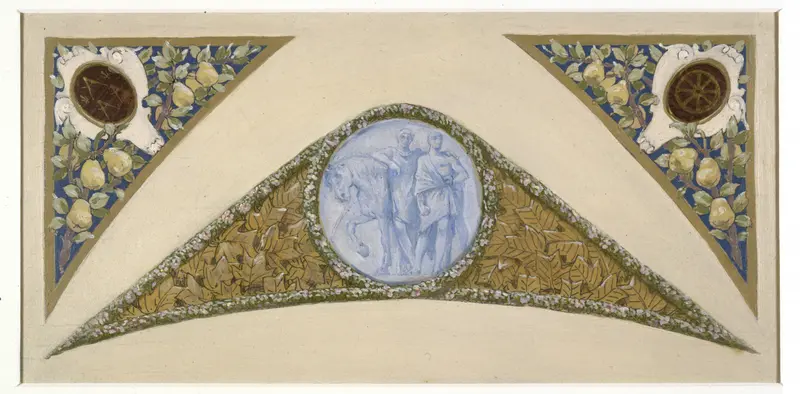
Esquisse pour l'escalier des Fêtes de l'Hôtel de Ville de Paris , Gémeaux
Luc-Olivier Merson
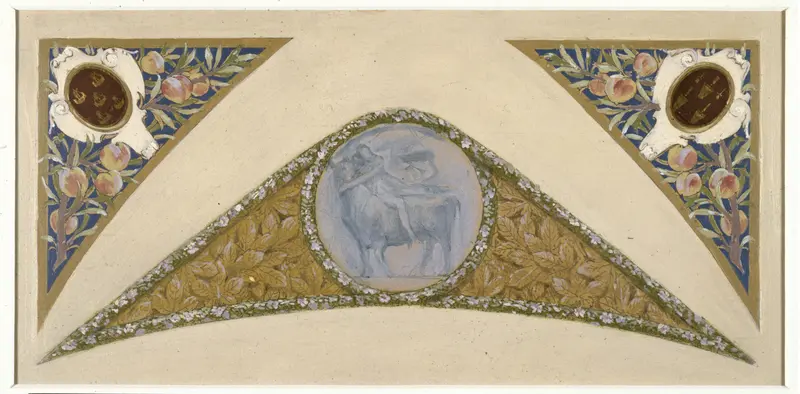
Esquisse pour l'escalier des Fêtes de l'Hôtel de Ville de Paris , Taureau
Luc-Olivier Merson
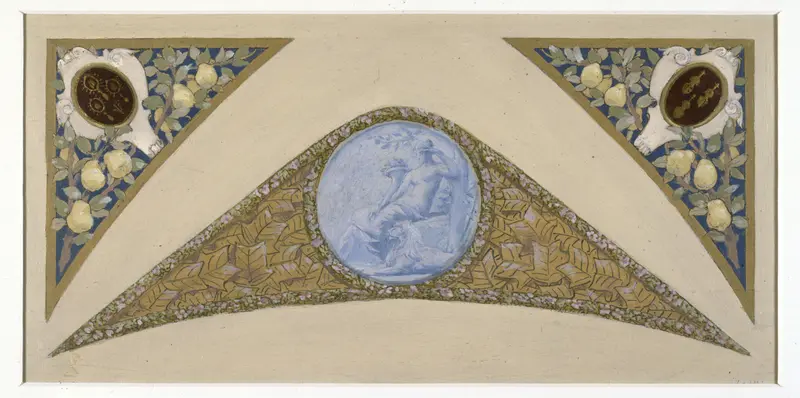
Esquisse pour l'escalier des Fêtes de l'Hôtel de Ville de Paris , Vierge
Luc-Olivier Merson
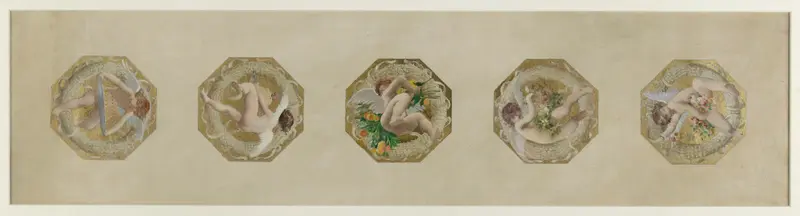
Esquisse pour l'Hôtel de Ville de Paris, escalier des Fêtes , les génies des fêtes
Luc-Olivier Merson
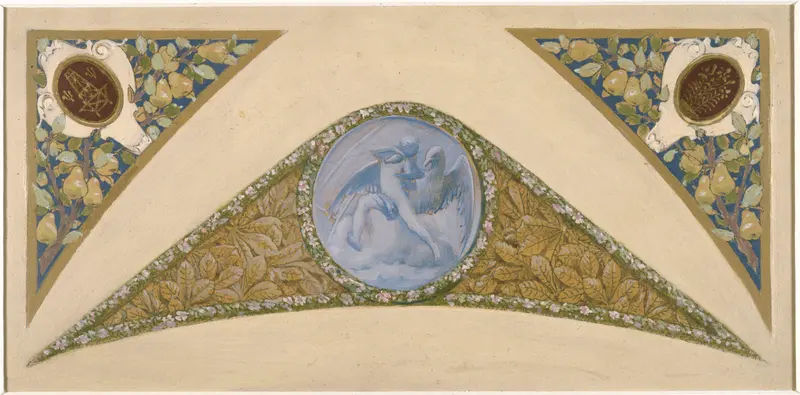
Esquisse pour l'escalier des Fêtes de l'Hôtel de Ville de Paris , Verseau
Luc-Olivier Merson





