
The Artist's Sitting Room in Ritterstrasse — History & Facts
A hush lingers in this small room, as if the very air is waiting for its occupant to return. The eye is drawn first to the window, veiled in heavy, patterned curtains that glow with the muted daylight behind them—a narrow slice of brightness breaking the room’s dusky calm. The table stands ready, angled toward the light, its surface bare except for a single object, perhaps a pen or brush, hinting at recent activity.
Shadows pool in the corners, but the warm, reddish browns of the floor and rug keep the space from feeling cold, while the greenish walls and faintly outlined pictures suggest a lived-in intimacy. Every brushstroke seems to weigh the silence, inviting the viewer to imagine the artist’s daily rhythms in this private sanctuary. Painted in 1851, this interior belongs to a world on the cusp of modernity, when artists like Adolph von Menzel were beginning to turn their attention from grand historical scenes to the quiet drama of everyday life. In mid-nineteenth-century Europe, such intimate studies were often painted for personal reflection or as exercises in capturing light and mood, rather than for wealthy patrons or public display.
The work now resides in the Metropolitan Museum of Art’s collection, a testament to the era’s fascination with the poetry of ordinary rooms and the traces of their inhabitants. History has kept few traces of this particular sitting room, but its painted hush still invites us to step softly and look closer.
More Artworks by Adolph von Menzel
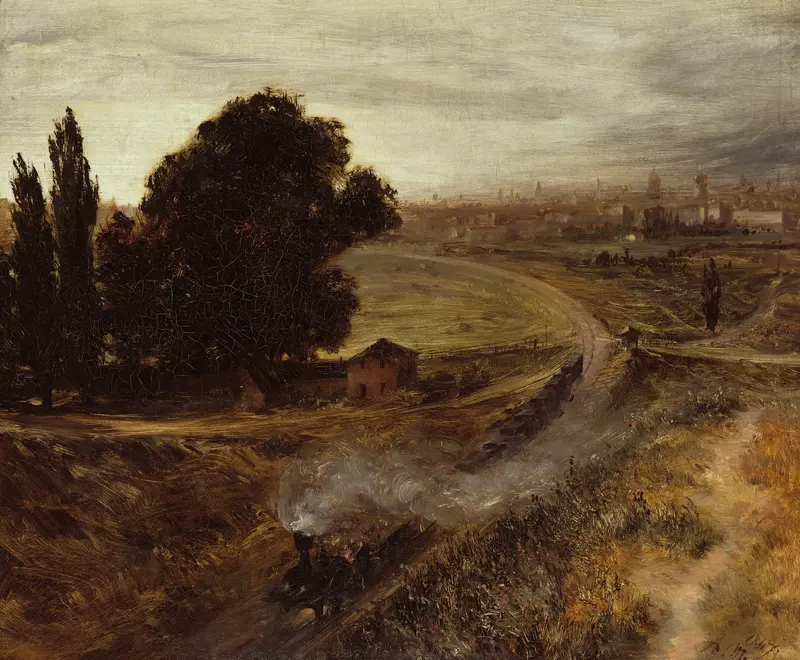
The Berlin-Potsdam Railway
Adolph von Menzel
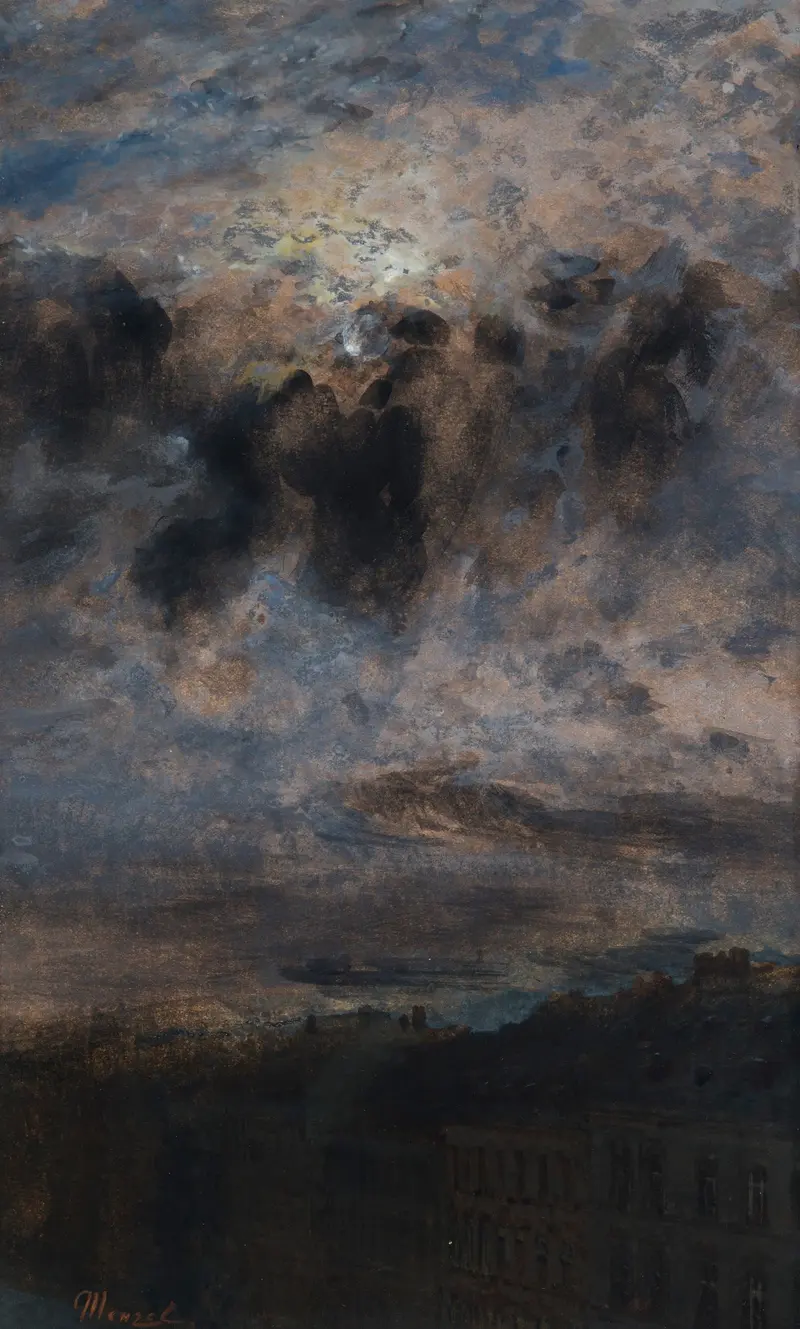
Mondschein über den Dächern von Berlin
Adolph von Menzel
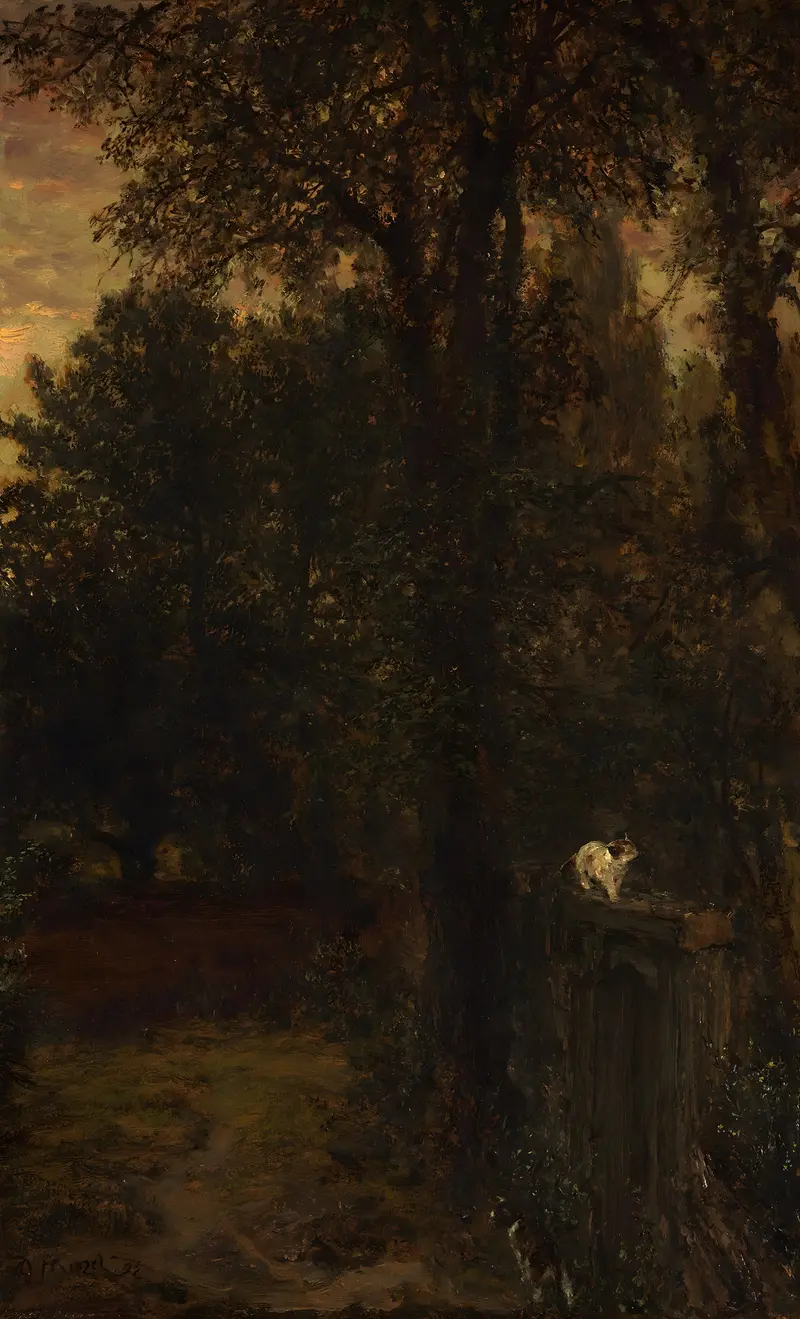
Landscape
Adolph von Menzel
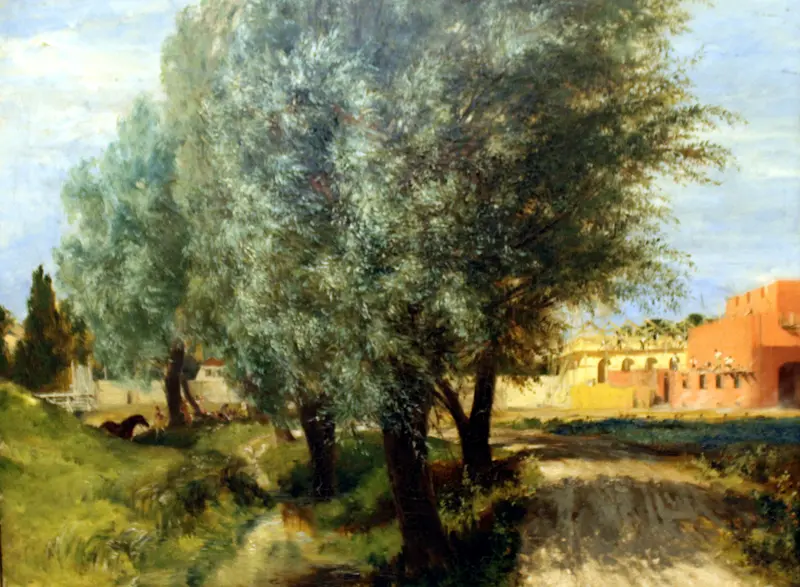
Building Site with Willows
Adolph von Menzel
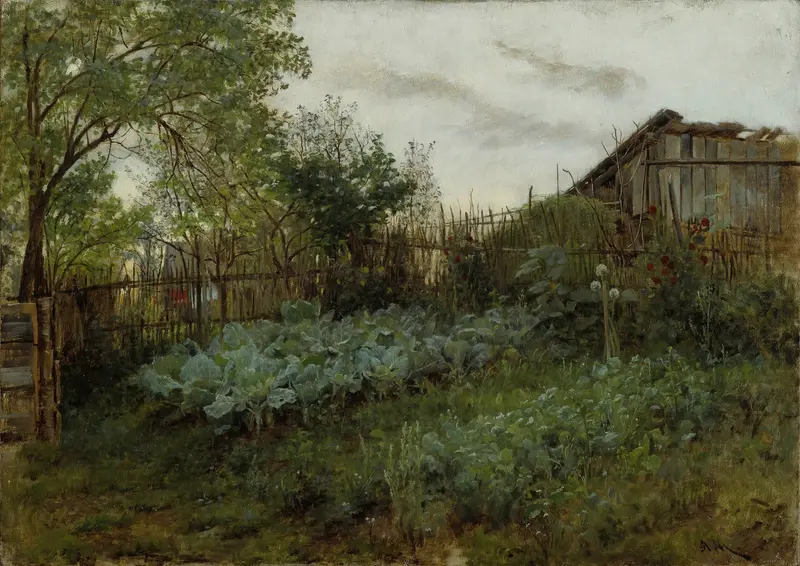
The Back Garden
Adolph von Menzel
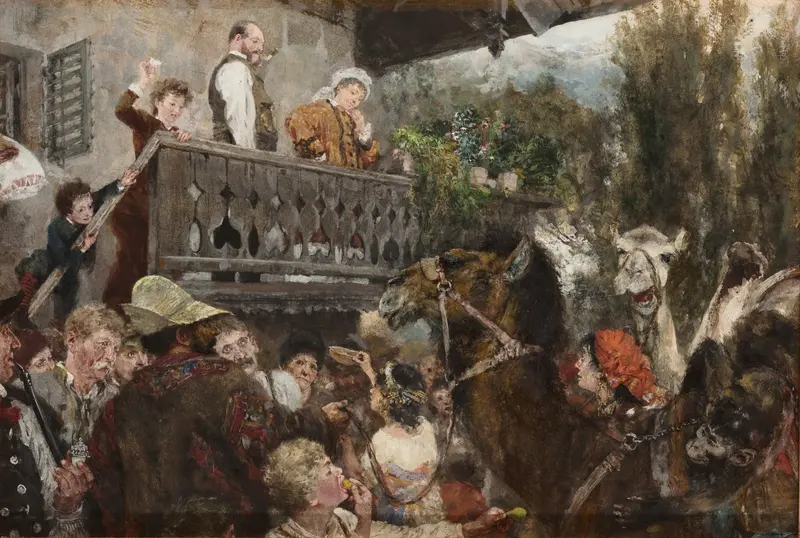
The wandering circus (Camel drivers in Partenkirchen)
Adolph von Menzel
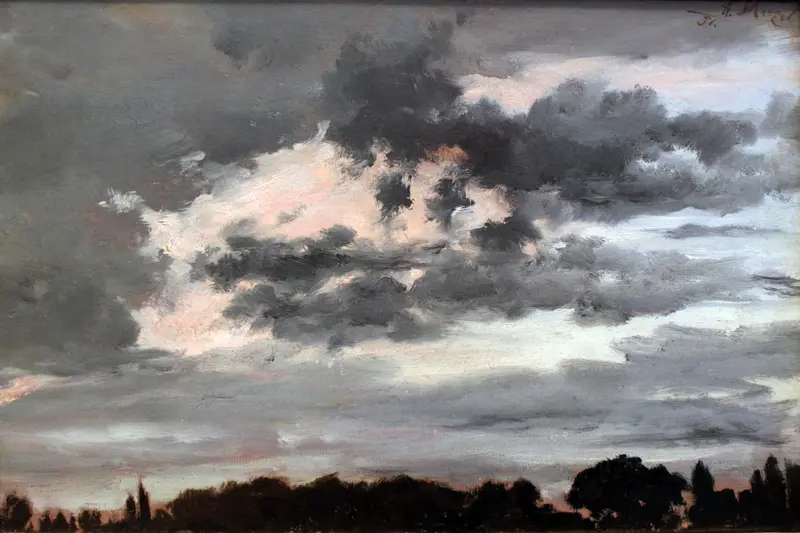
Cloud Study
Adolph von Menzel
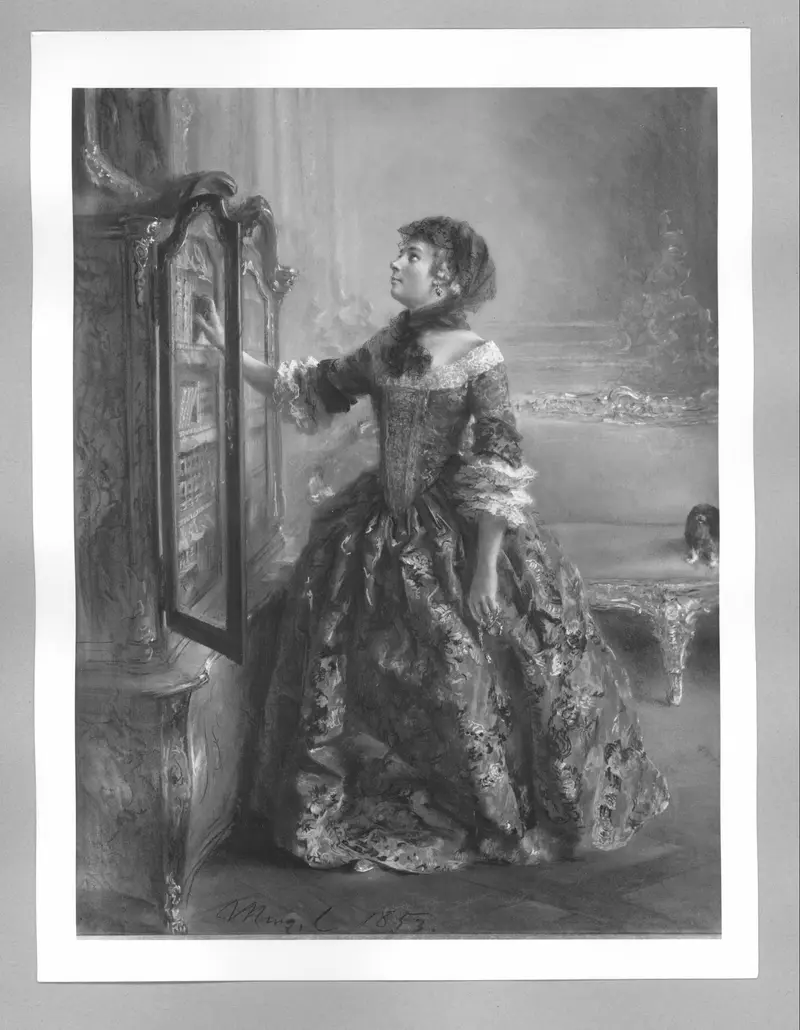
Adolf Friedrich Erdmann Menzel Dame in Rokoko Kostüm vor einem Bücherschrank (Prinzessin Amalie von Hohenzollern) 2320 Führermuseum
Adolph von Menzel
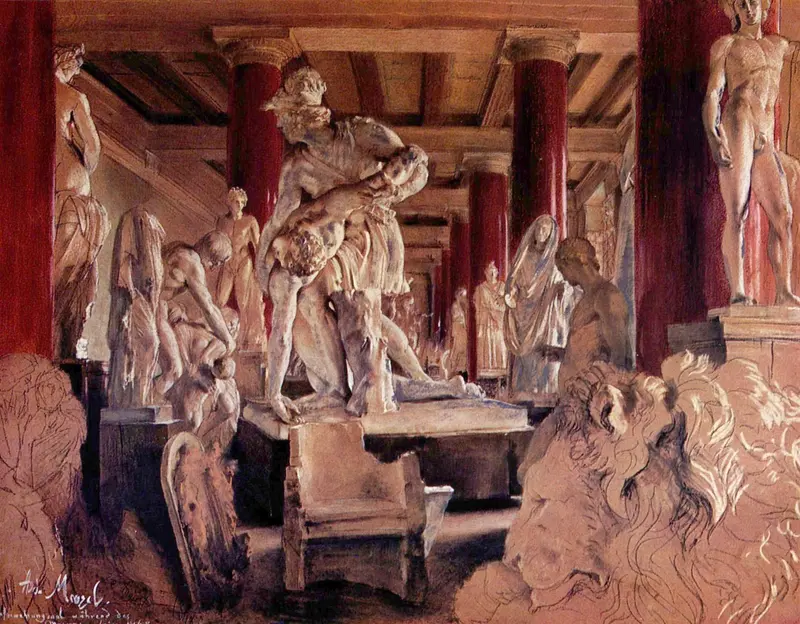
Aufbewahrungssaal während des Museumsumbaus Adolf Friedrich Erdmann von Menzel (Alte Nationalgalerie, Berlin)
Adolph von Menzel
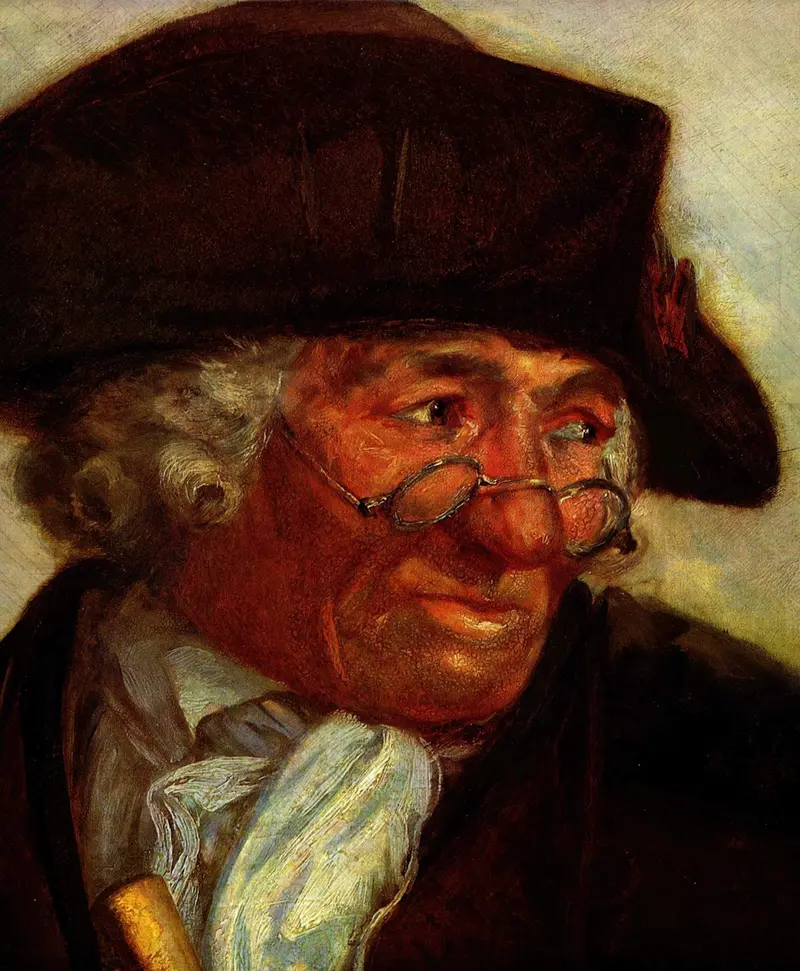
Chodowiecki on the Jannowitz Bridge
Adolph von Menzel





